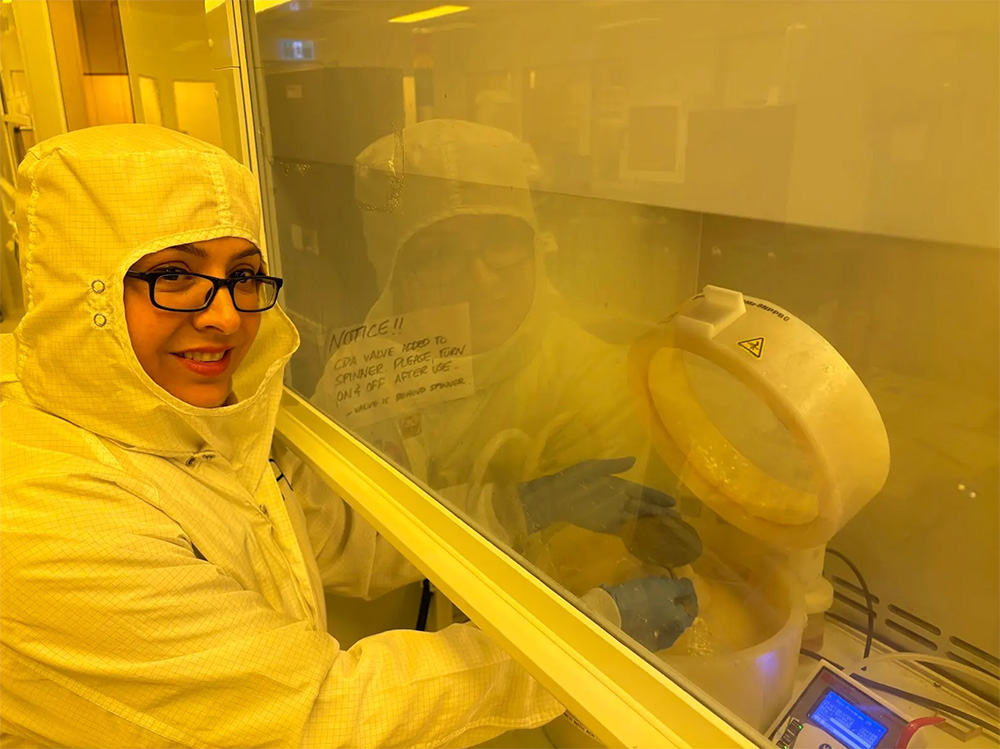
Dr. Narjes Allahrabbi wins 2025 Mitacs Innovation Award
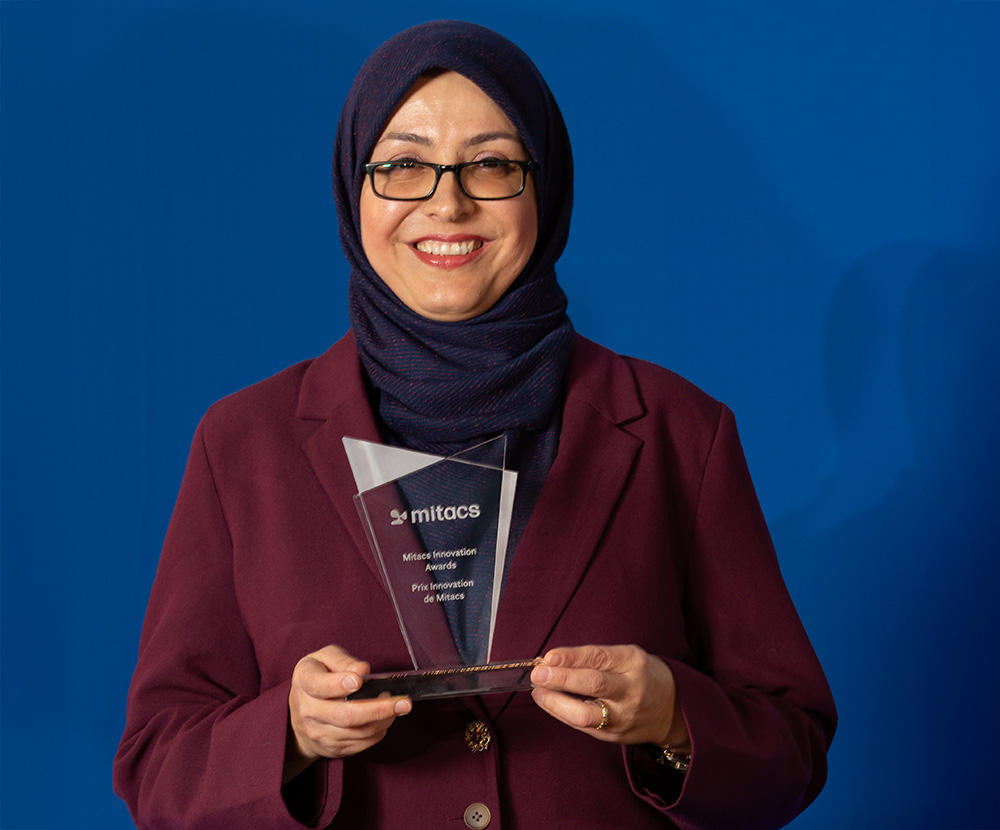
Congratulations to Dr. Narjes Allahrabbi who was recognized by Mitacs with the Innovation Award – Canadian Start-Up Innovator of the Year award. Presented in Ottawa by Dr. Mona Nemer, Chief Science Advisor of Canada, this award recognizes Allahrabbi’s advancements in the field of health and medical technology through her innovative start-up, Fertilead Inc (external link) . Through her patented at-home fertility technology – the first of its kind – Allahrabbi is on a mission to help millions of couples navigate male infertility and make fertility care more accessible, more equitable and less overwhelming.
Allahrabbi, a graduate of Toronto Metropolitan University’s (TMU) Biomedical Engineering master’s program and a current postdoctoral researcher and Zone Learning member, shared with us her journey and advice for aspiring entrepreneurs.
What did receiving the 2025 Mitacs Innovation Award – Canadian Start-Up Innovator of the Year mean to you?
Receiving the 2025 Mitacs Innovation Award – Canadian Start-Up Innovator of the Year felt like meaningful validation that my mission to reduce the burden of fertility treatment, particularly in male-factor infertility, from women’s shoulders, is being recognized. It reassured me that the work I’ve been doing to create a more equitable, science-driven solution is not only needed but also seen and valued by the broader innovation community.
What are some of your favourite moments from your TMU journey?
One of my most meaningful moments at TMU has been my journey from graduate student to postdoctoral fellow, and being named a TMU Rising Alumni Star in 2025 as part of the inaugural cohort. That recognition made me incredibly proud to belong to such a supportive and forward-thinking community. I also treasure the moments when I received entrepreneurship prizes through TMU Zone Learning and the fellowships to participate in the Lab2Market Validate and Launch programs.
“Those weren’t just awards. They were strong sources of motivation and credibility that pushed me to keep building.”
Finally, I can’t forget the academic side of my experience: the Biomedical Engineering curriculum, especially the specialized training in bio-micro systems and fabrication, kept my prior experimental and theoretical knowledge fully up to date.
How can student entrepreneurs go from an idea to a start-up or product?
Turning an idea into a real-world solution requires a combination of knowledge (both theoretical and hands-on), strong motivation, supportive teammates, and often an academic mentor who believes in your vision. My biggest advice to TMU students is not to rely only on classroom learning, seek experiential opportunities early and seriously. I highly recommend:
- Participating in your innovation community: Join Zone Learning programs, such as Experience Ventures, attend innovation bootcamps and workshops at TMU and other universities, and participate in programs like Lab2Market Discover. Pay attention to teammates you genuinely enjoy working with; those collaborative class or Zone partners can often become future co-founders.
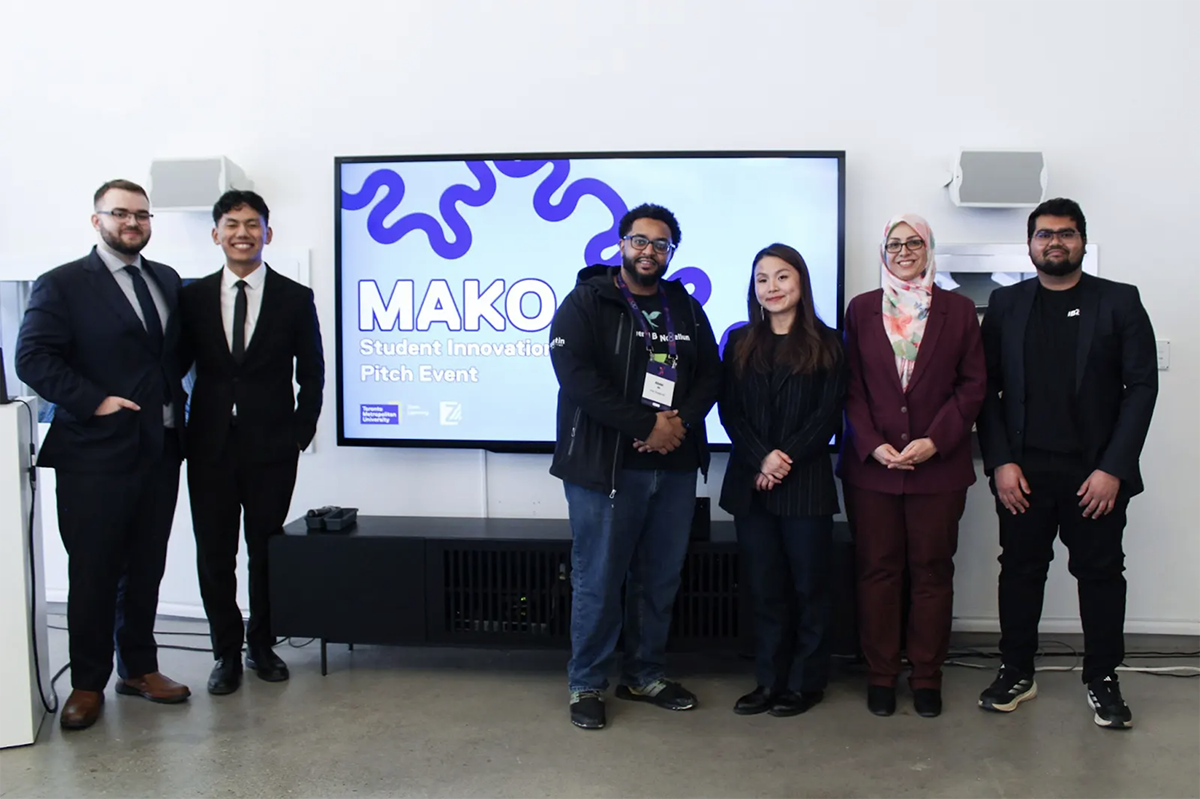
- Turning to accelerators for guidance: For Biomedical Engineering students or anyone interested in medical devices, programs such as MedTech Talent Accelerator and BioHubNet are incredibly valuable. They provide practical training in regulatory, quality management, and more, while also opening doors to internships. Attending them not only equips students to commercialize their own innovation but also gives them a valuable pathway into industry roles if their venture does not move forward as planned.
- Pursuing unconventional pathways: In my own journey, I chose to pursue an M.Eng. In Biomedical Engineering at TMU even after completing my PhD and postdoctoral research abroad. I realized that to fully enter the medical device industry in Canada, I needed a small but strategic re-wiring of my skills, despite already having a biomedical research background. That decision became a key turning point for my innovation career.
- Asking questions and making connections: I strongly encourage students to take cold outreach seriously. Talk with professors whose courses inspire you and ask about research opportunities – many successful ventures begin in labs. The people you genuinely enjoy working with along the way can often become future co-founders.
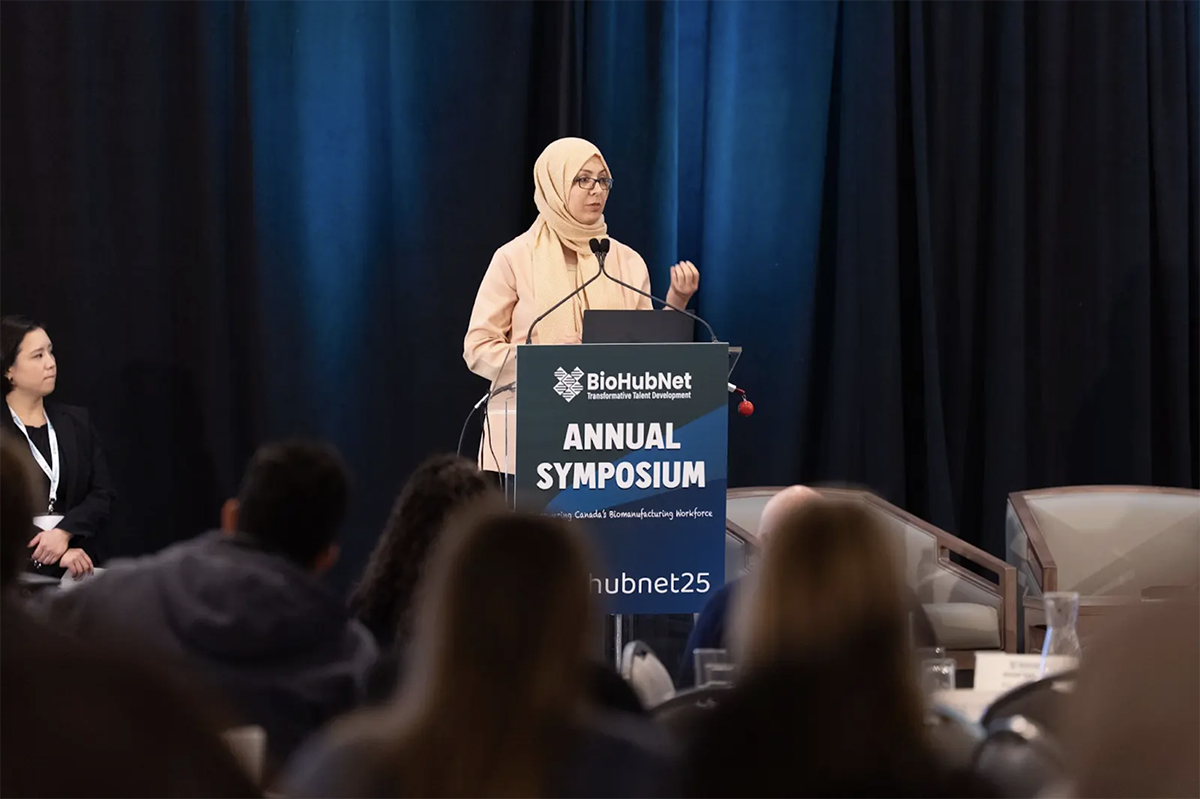
What’s next for Fertilead?
In 2026, our primary goal is to complete the Research Ethics Board approval process and initiate our first clinical validation study in Canada involving 30 patients. This will be a major milestone for Fertilead, allowing us to generate real-world clinical evidence to support regulatory strategy, strengthen our technology’s credibility with fertility clinics, and prepare for investor adoption.