Rethinking Return: Insights from the GAPs Final Conference
Photos by: Kudbettin Arik
In late January, while Toronto was buried under nearly 60 centimetres of snow and in the grips of a polar vortex, a small group of researchers from the Global Migration Institute found themselves in a very different environment.
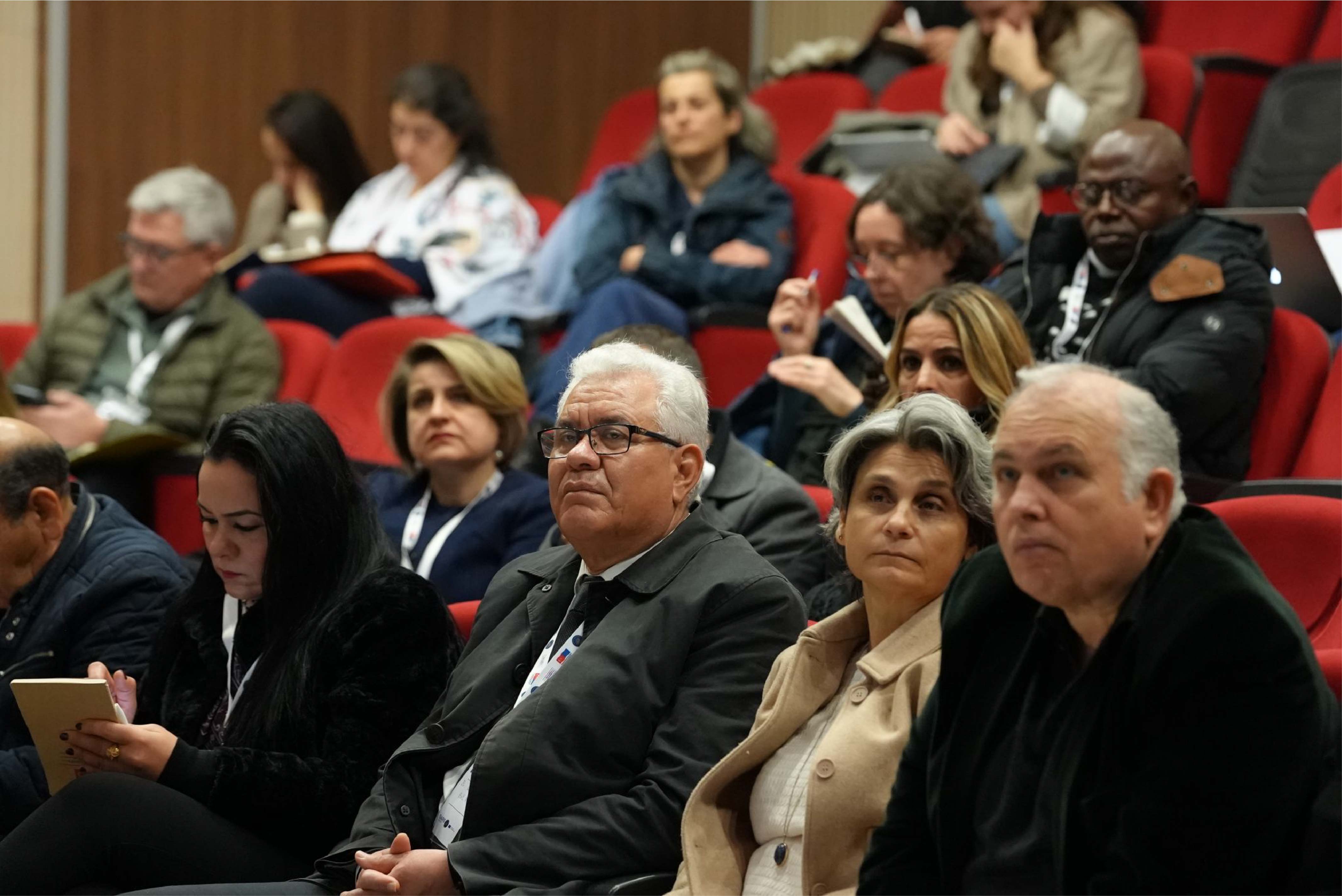
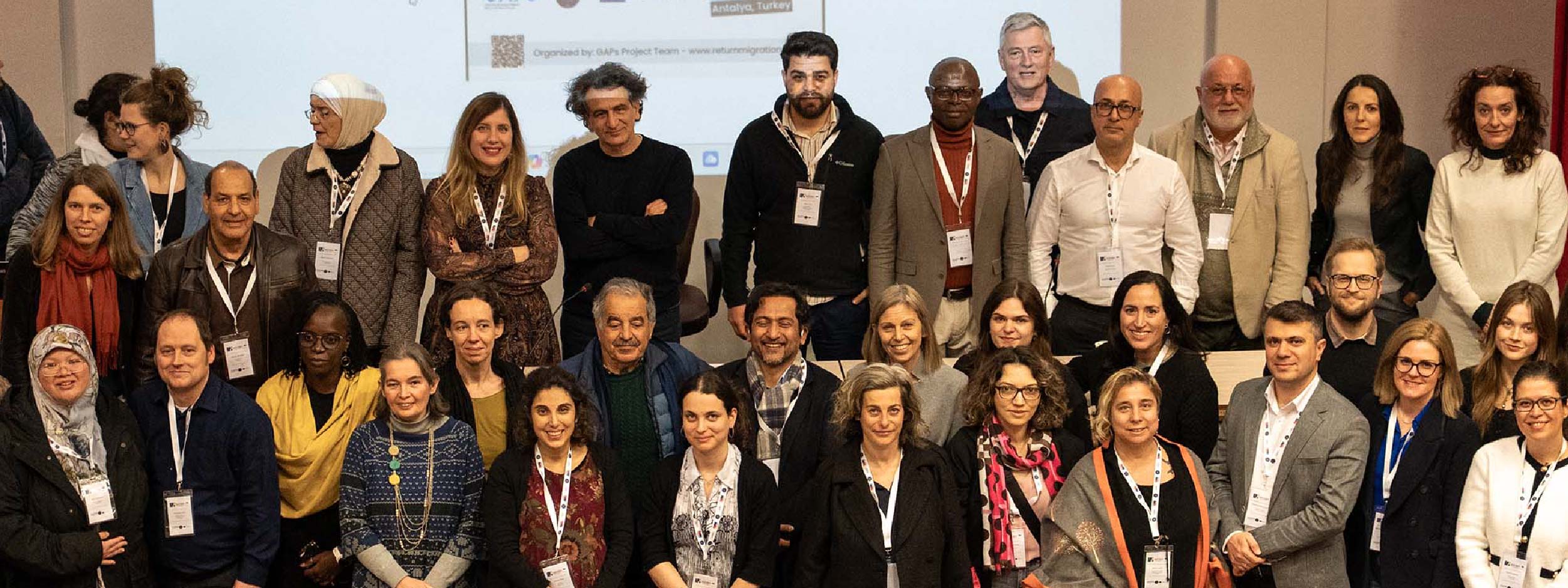
It was a bustling morning in Antalya, Turkey, when the GAPs project research team convened at the GAPs Return Migration Final Conference, which took place at Akdeniz Üniversitesi from January 22 – 23, 2026. The GAPs project is a Horizon Europe funded project that investigates the phenomenon of return migration.
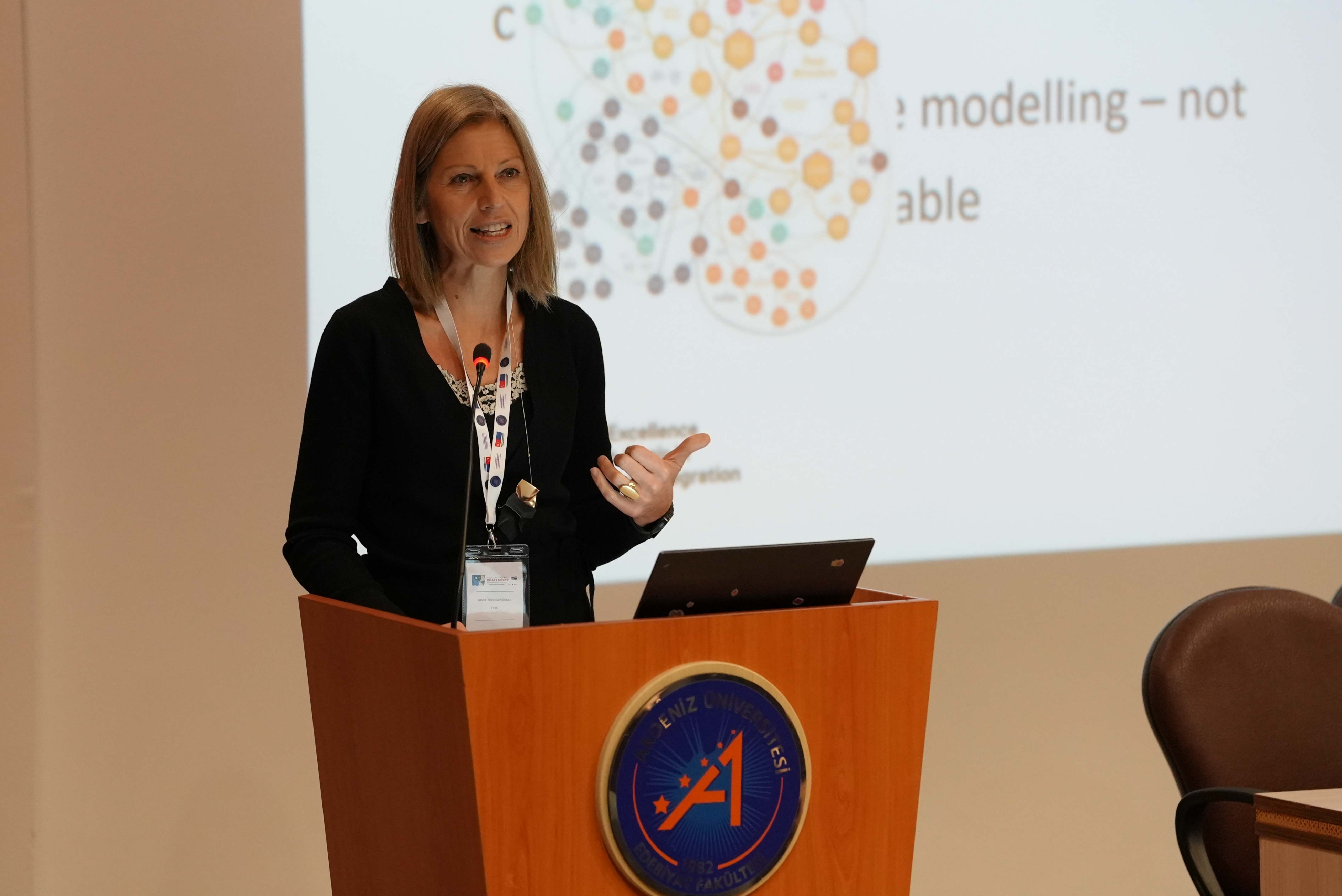
The discussion at the conference combined the findings emerging from five years of research, with insights from a strong group of invited scholars, creating a unique opportunity for advancing future research on the topic of return migration policies. It challenged the apparent neutrality of policy categories such as voluntary return, repatriation, readmission, and reintegration. Migrant return was discussed as a process rather than an endpoint. It emerged as something negotiated over time, shaped by power relations at the local, national, and international level. Migration trajectories appeared complex, interrupted, and multidirectional, produced by agency under constraint (Triandafyllidou, Anna).
Several panels examined how return and deportation operate as policy tools even when removal does not occur. Migration policies were shown to expand control over people who are deemed deportable, often through informal means (Boubakri, Hassen; Ancite-Jepifánova, Aleksandra). Speakers emphasised that coercion in return policies often works through discipline rather than force. In Germany, for example, irregular migrants are tolerated so long as their behavior demonstrates complete compliance (Schurade, Svenja). The objective was not return itself, but administrative control. Deportability became a governing condition. House searches and digital databases turn migrants into objects of continuous surveillance. These measures do not simply enable deportation. They produce obedience while regulating daily life.
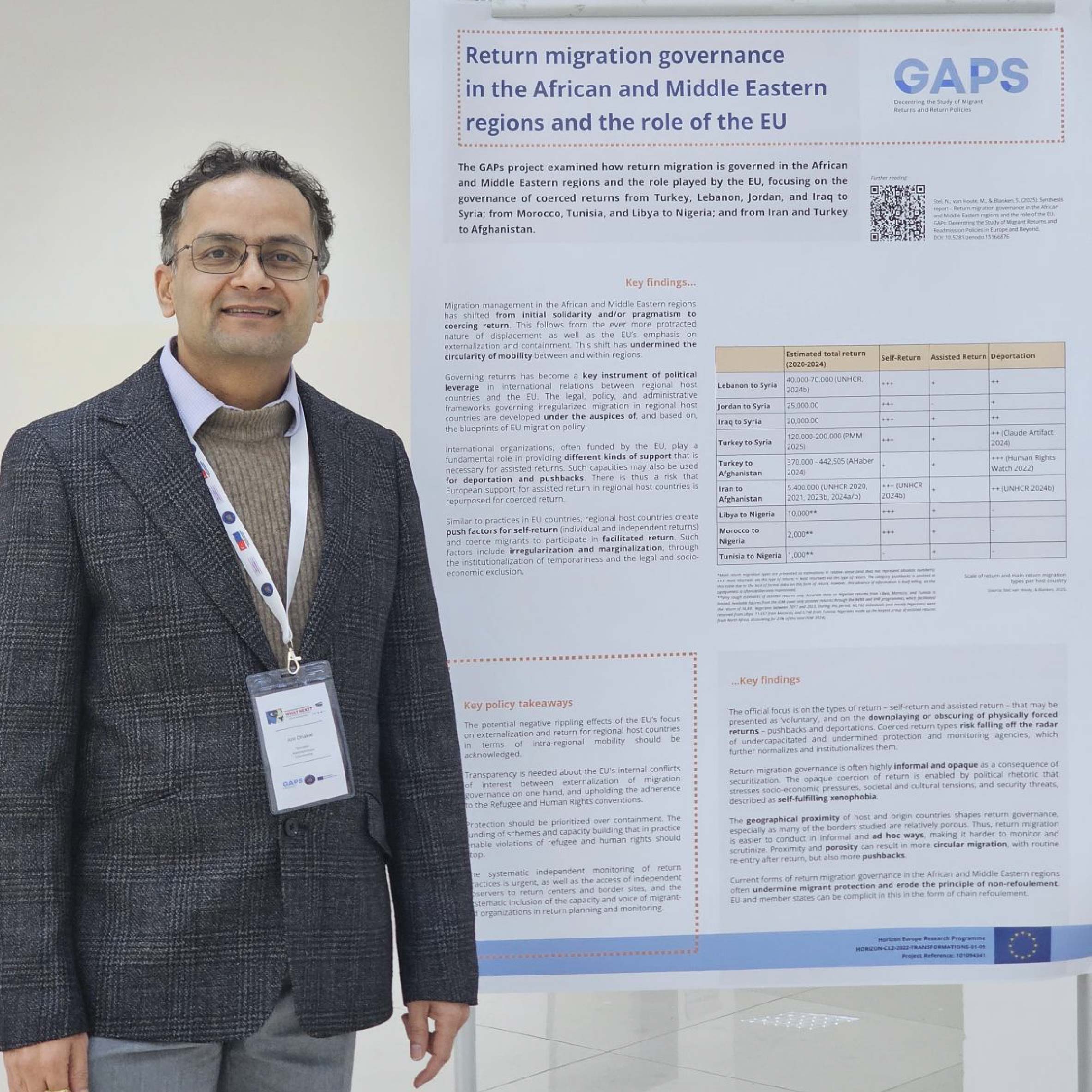
Anil Dhakal, CERC Migration Research Fellow.
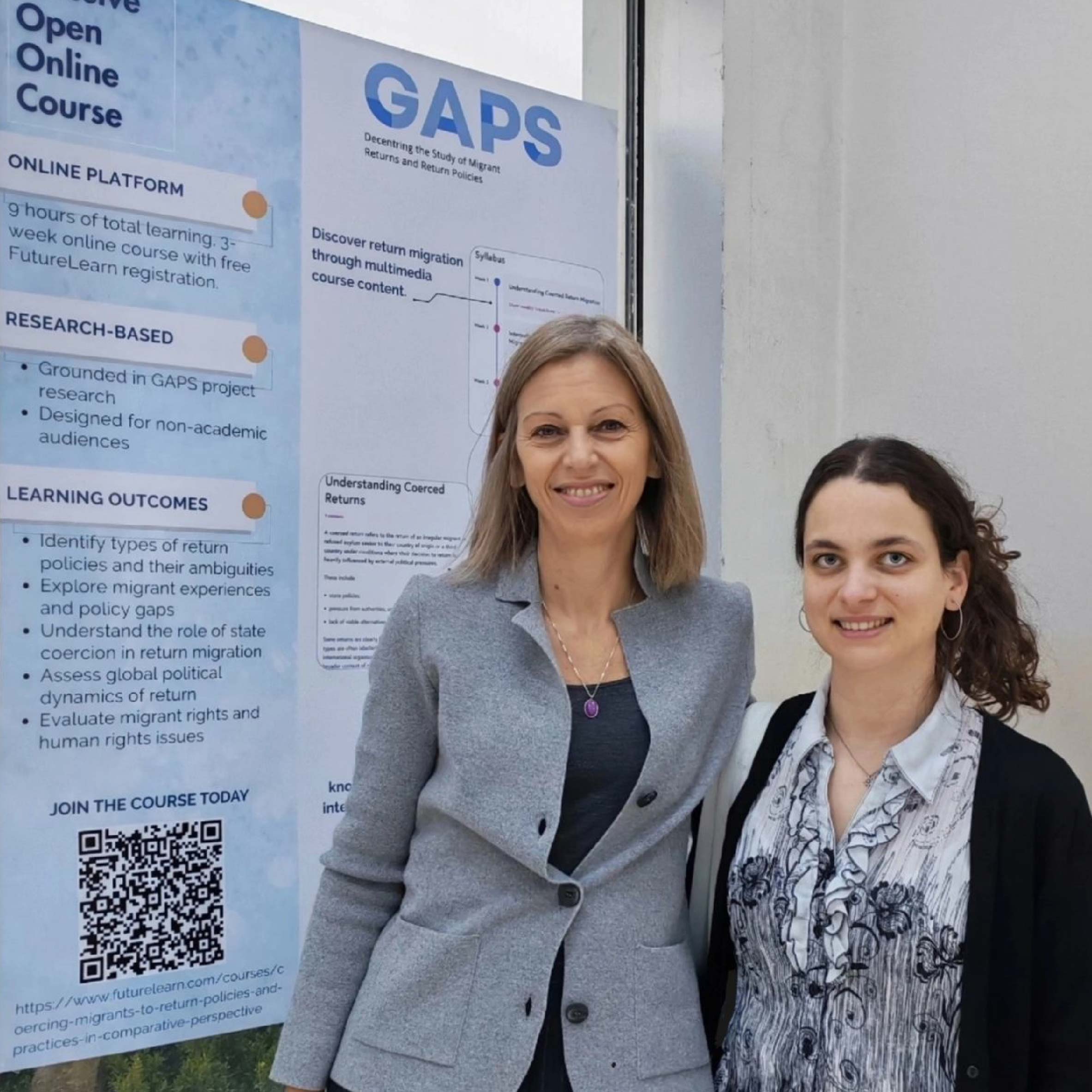
Anna Triandafyllidou, CERC Migration Chair, and Emma Bouillard, CERC Migration Researcher.
Speakers showed that return often functions as a horizon that legitimizes insecurity (Jeziorek, Marika). Temporary protection regimes manage the present without requiring return to occur. In Canada, temporary protection allows access to work and basic services but provides no durable pathway, and status expiry remains fixed even as renewals accumulate (Jeziorek, Marika). Return is rarely named, yet it silently shapes the future. In Poland, a similar logic applies: return is politically constrained but must remain legally possible. States govern return through agnopolitics and credible fictions, pushing for return while preserving plausible deniability of migrant refoulement (Stel, Nora; Tsourapas, Gerasimos). Uncertainty is shifted onto migrants, leaving them to navigate unstable futures while the state retains control without offering resolution.
The conference also foregrounded diplomatic power asymmetries in return governance (Sahin-Mencutek, Zeynep). Bilateral agreements determine who can be returned and under what conditions. Externalisation strategies, from the European Union to Turkey and Rwanda, allow destination states to shift responsibility while retaining influence (Konyalı, Gökçe; Alacam Bocek, Müge; Gokalp Aras, Ela; Yüksel, Umutcan). In this context, refugee management becomes a source of geopolitical leverage rather than protection, where credibility matters more than rights. Return policies were shown to affect mobility even when movement does not occur. Syrian refugees in Istanbul’s periphery described being unable to move forward or back (Jasmin, Lilian). Legal precarity restricted internal mobility and access to work. Return was neither possible nor abandoned. Displacement became prolonged and managed.
At the same time, speakers resisted portraying migrants as passive. Agency emerged under constraint. Refugees in Malaysia delayed return through strategic immobility, while navigating informal labour markets (Hasif, Nik; Shafinaz Nazri, Atika ; Othman, Zarina). Mobility decisions were framed as negotiation rather than choice. Return was also discussed as an individual aspiration and as a fragile right. Some migrants expressed a desire to return in order to regain dignity.
Yet reintegration was shown to depend on local conditions rather than policy design alone. In Syria, return conditions for refugees remain uncertain (Aksu Kargin, İnci). Returns can remain an opportunity for local development, where instances of South-South return showed how migrants mobilise skills to build businesses and support communities, generating job growth and local resilience (Dhakal, Anil). In Nigeria, grassroots reintegration hubs supported collective livelihoods (Uzomah, Ngozi; Aihawu, Victor). This potential depends on support rather than pressure. Across cases, return was rarely final. Mobility aspirations persisted even after reintegration. Reintegration unfolded unevenly, often reproducing the vulnerabilities that led to migration.
The conference ultimately called for a shift in priorities. Alternatives to return, such as regularisation, must be developed further. Truly voluntary return cannot exist in contexts governed by coercion and uncertainty. Expanding pathways to stability is therefore essential. Return should not function as a default solution, but as one possibility among others, grounded in rights and shaped by migrant agency.