Financialization, Extractivism, and the Governance of Migration
- Date
- October 28, 2025
- Time
- 9:30 a.m. - 4:30 p.m. ET
- Location
- Hybrid (In person at CERC Migration office / online via Zoom)
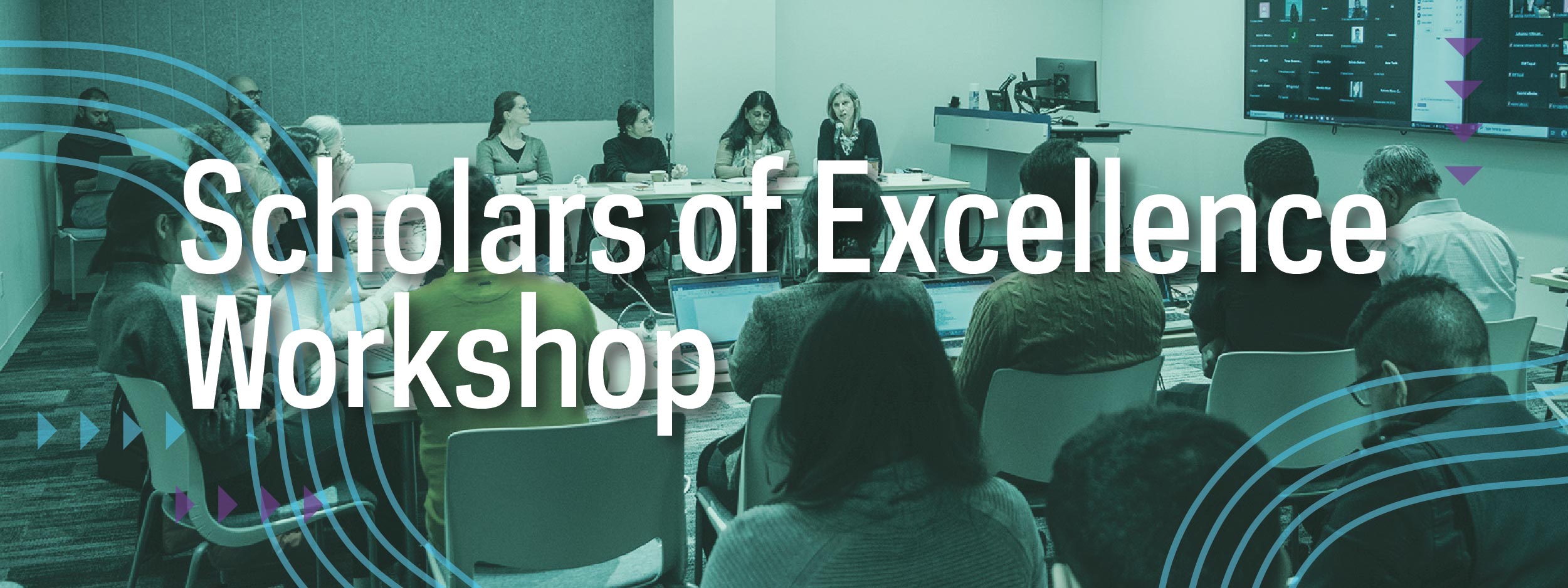
The Scholars of Excellence Workshop series indclude in-depth sessions where international scholars are invited to contribute to complex topics of interest to the academic community.
Our workshop is co-convened by Ayse Caglar, Professor, University of Vienna and CERC Migration Scholar of Excellence, and Anna Triandafyllidou, Chair, CERC Migration, Toronto Metropolitan University.
We’re witnessing increasing commodification and financialization of accommodation and care for migrants, refugees, and asylum-seekers. Services like these are increasingly becoming a key terrain through which value is extracted from those who are on the move.
We use the term people on the move to point to the blurred boundary between those seeking international protection and those forced to move, because they are facing significant human insecurity (arising from political violence, social unrest, environmental degradation, or food insecurity).
The governance of migration and asylum has led to the development of new ways to monetize migrant and refugee lives and care, whether in the process of reception, detention or actual employment and exploitation while people are ‘in transit’ or ‘trapped’ at a border. They are treated as commodities, bodies that can be exploited as a cheap labour force, or can be detained and deported, with little consideration of their human rights. Such commodification of the governance and management of the displaced also fits well with the current contentious migration and asylum politics where affluent country host populations are panicking about flows of ‘dangerous’ and ‘undesirable’ migrants or asylum seekers while expanding on these financialized care economies.
This workshop builds on a long line of research on the ‘migration industry’ to investigate the new spheres and spaces of financialization and extractivism, which include sectors such as tourism, logistics, digital platforms, as well as knowledge and cultural industries. As the frontiers of extractivism have shifted, so did their means of appropriation, modes of governance of the displaced populations (mainly irregular migrants and asylum seekers), and their narratives. Contributions to this workshop look at the involvement of state institutions, private capital, non-state actors, experts, including the actors of humanitarianism and cultural industries in the extractive economies, their logistics, and the governance of migrants/refugees in time and across space. Contributions to this workshop cover Europe, the Middle East, and the Americas in comparative perspectives. Like in many other parts of the world, these regions are heavily entangled with various forms of displacement and extractive industries. The challenges the displaced groups pose to their places of arrival and settlement make inroads into politics and its popular narratives.
| Program | |
| 9:30–10 AM EDT | Welcome coffee |
| 10 AM EDT | Opening remarks Anna Triandafyllidou, Toronto Metropolitan University, and Ayse Caglar, University of Vienna |
| 10 AM–12:30 PM EDT | Financialization, Extractivism and the Governance of Migration in Europe and North America Chair: Ayse Caglar, University of Vienna Presentations:
|
| 12:30–1:30 PM EDT | Lunch break |
| 2–4:30 PM EDT | Migration and Extractivism in the Americas Chair: Anna Triandafyllidou, Toronto Metropolitan University Presentations:
|
| 4:30 PM EDT | Concluding Remarks: Where do we go from here? Nina Glick-Schiller, The New School, USA |