Global Skills Partnerships: Designing an equitable co-benefit perspective for countries of origin and destination
- Date
- September 30, 2025 - October 01, 2025
- Time
- All Day
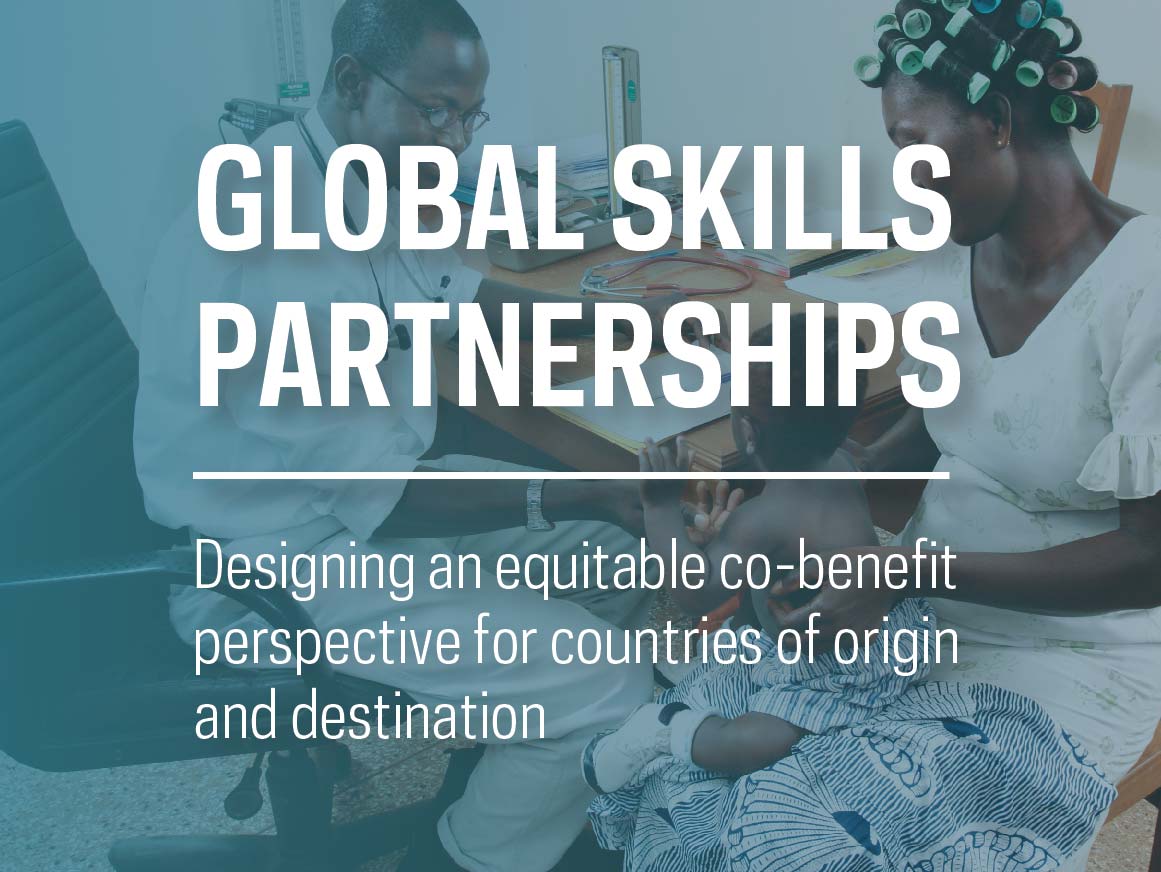
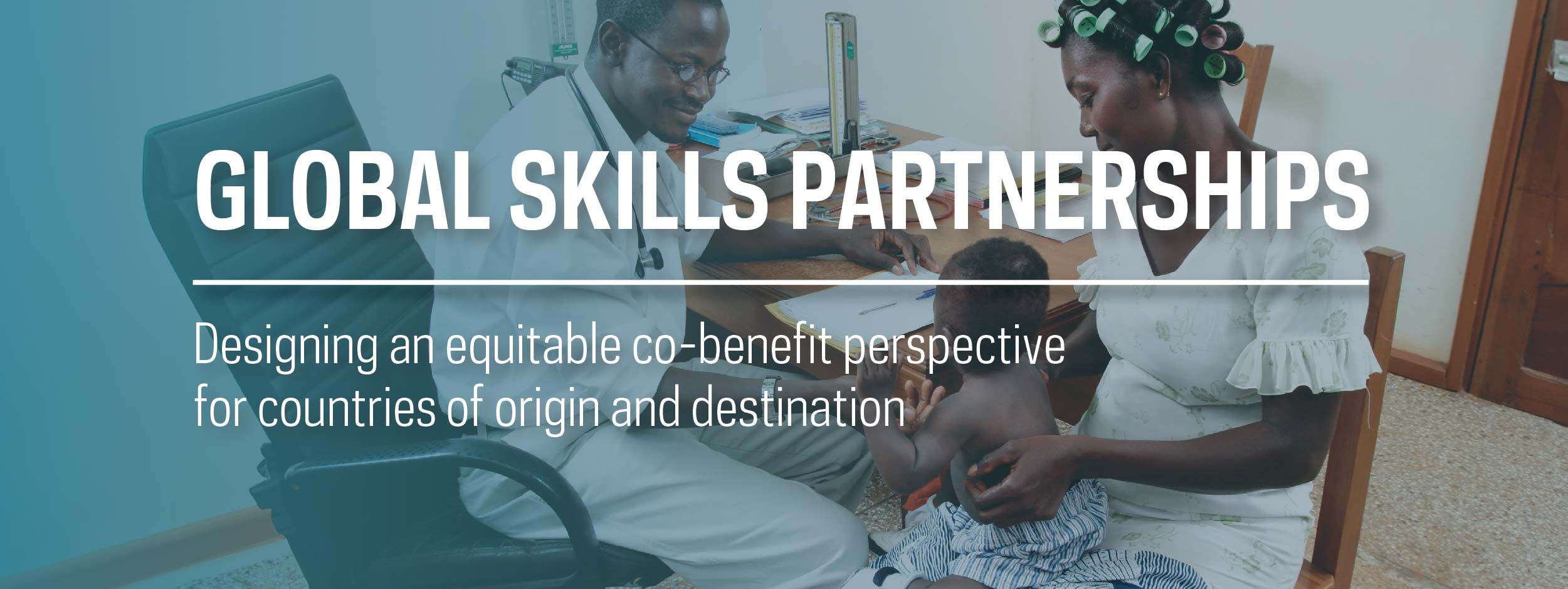

Global Skills Partnerships have been ideated to address skill shortages in both countries of origin and countries of destination while combatting brain drain and contributing to the development of both countries of origin and destination. An ideal type of Global Skills Partnership consists of a bilateral labour migration agreement between two countries considered as equal partners. The country of destination agrees to provide know-how (curriculum, assessment, certification, instructions etc.) and financial support to train origin country professionals with targeted skills; the country of origin agrees to support that training through its post-secondary educational infrastructure. A defining feature of the Global Skills Partnership is the “dual track” model: the trainees can pick a “home” track meaning they stay at the country of origin or pick an “away” track meaning they leave for the destination country after the training is complete. In this way both the origin country and destination country increase their human capital, and the potential brain drain from the origin country is offset. Global Skills Partnerships aim to align both countries’ interests and investments in development and migration - thus serving a dual purpose.
While in principle simple, Global Skills Partnerships present many challenges. So far similar schemes have been designed with the interests of the destination country in focus. There is a need though for a more balanced approach that considers the interests and needs of the country of origin as well as the investment that such country has already made in providing the post-secondary education and qualifications of the trainees.
This workshop takes stock of the lessons learnt from pilot programs and existing initiatives of global skills partnerships to build a more equitable and balanced approach. Bringing together international experts, state actors, foundations and sectoral stakeholders, this workshop carves a new path towards fair and equitable global skills partnerships for Canada, with a particular focus on the health sector and collaboration between Canada, Ghana, and the Philippines in the sector.
This event is by invitation only.