Impact Report 2025-2026
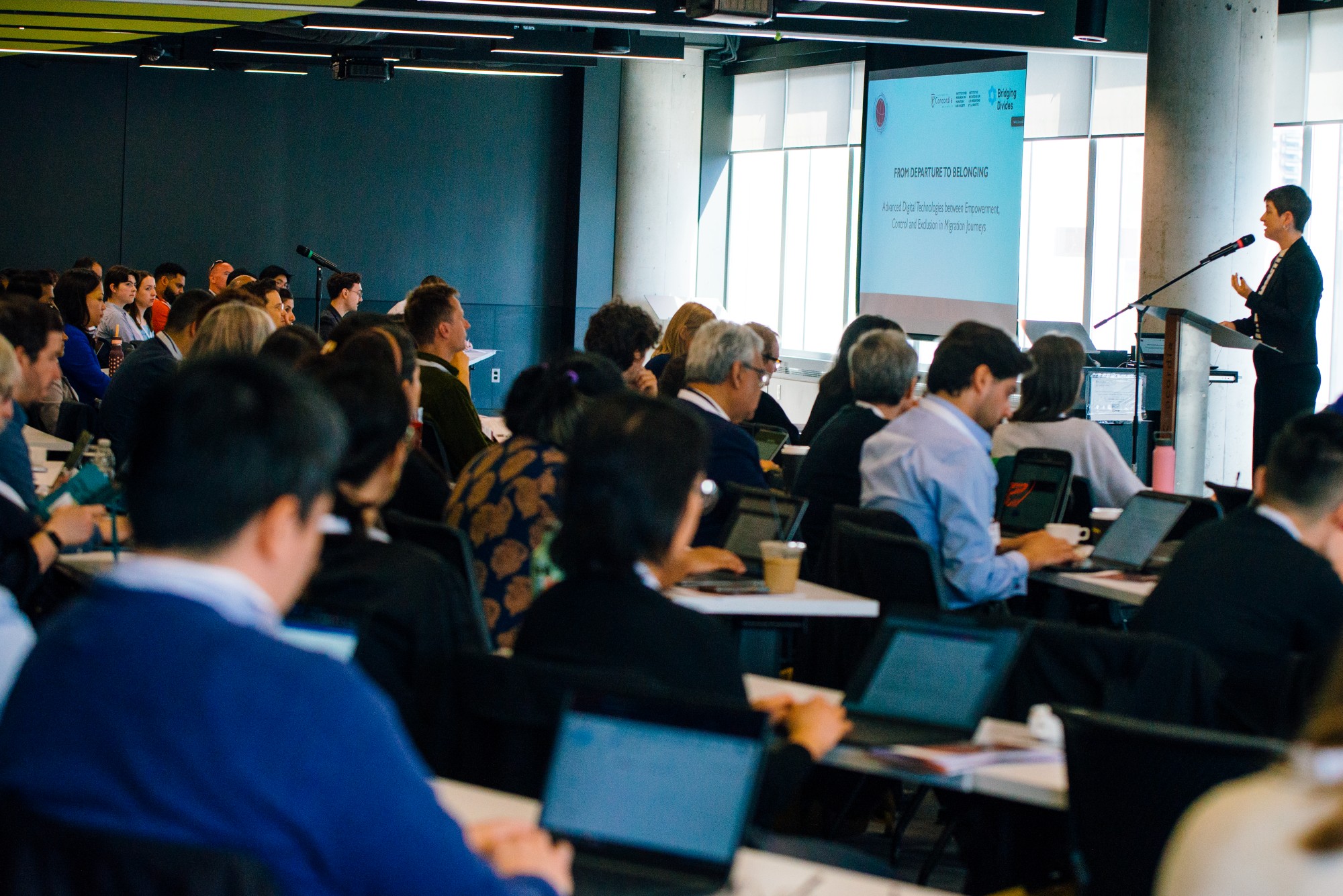
Table of Contents
Where We Are | Growth by the Numbers
Reshaping Connections | Clusters and Realignment
Deep Dive | When Evidence Leads Research
Innovation Snapshots | Data and Digital Tools
The Future Guard | Research Talent Pipeline
Shifting the Narrative | Policy, Media, and Public Reach
Cultivating a Global Network | International Connections and Partnership
Message from the Scientific Director
Looking back on the past year, it is easy to be distracted by the challenges making headlines every day. We have grappled with dramatic policy shifts and budget cuts affecting immigrant-serving organizations. Labour shortages continue to characterize our economy, even as unemployment rises. Public opinion remains divided on migration and newcomers, shaped by heavily politicized rhetoric, while fast-developing technologies continue to change the rules of the game.
Yet through all of this, our goal has remained steady. At its core, Bridging Divides was built for connection: to weave together the invisible threads that link disciplines, draw arches across institutions, and invite the world in while sending ideas, people and research out.
The past year has been pivotal. Marking the halfway point of our seven-year program, we have reached new levels of engagement, ensuring that emerging research findings reach the communities, practitioners, and decision-makers who can use them. We have also adapted to emerging concerns and expanded our research to include new questions and more nuanced approaches to migrant integration.
Our research ecosystem has continued to evolve. The realignment of projects into thematic clusters has allowed us to consolidate what we have built while preserving the complex interdisciplinary and inter-institutional connections that define our whole-of-society approach. This year also marked the launch of the Global Migration Institute at Toronto Metropolitan University, our new institutional home, which will carry forward the knowledge, relationships and legacy built through Bridging Divides for years to come. We are reflecting on where we have been while continuing to identify new research frontiers.
This year, knowledge mobilization became an even greater part of that journey. Bridging Divides hosted or co-hosted more than 90 events, bringing together over 1,500 participants from across research, policy, practice and communities. Our researchers also shared their work more than 300 times, at conferences and events around the world. Through hundreds of media engagements, colleagues across the program contributed their expertise to public conversations.
We also continued to expand the network around our research. More than 40 partner organizations are now actively engaged with the program, alongside a growing community of visitors, fellows and collaborators from Canada and abroad. We launched our first Future Leaders Fellowship, welcomed new cohorts of Civil Society and Journalism Fellows, and strengthened relationships with civil society, governments and academic institutions.
Perhaps most importantly, we are increasingly seeing new pathways emerge between research and action. Through initiatives such as Research2Results, developed with Immigration, Refugees and Citizenship Canada, we are creating new opportunities for researchers and policymakers to work together around practical challenges and policy ideas. Initiatives such as the Migration Data Challenge connected students with mentors and judges from public policy and governments across Canada.
As we look ahead to the second half of our program, we are also reflecting on how knowledge is produced and whose perspectives shape it. Throughout this report, readers will find EDI not as a separate box to tick, but as an underlying current running through the research ecosystem. Community organizations and people with lived experience help ensure our work remains relevant and responsive, while we continue to learn and strengthen our approach to Indigenous engagement and reciprocal relationships.
At the halfway point, there is a sense of pride in what our research teams, staff, technicians and community partners have built together: a growing ecosystem that connects knowledge with change. I invite you to reflect with me on this pivotal year and look ahead, with renewed curiosity and determination, to consider all that remains ahead.
Anna Triandafyllidou
Director, Global Migration Institute, Toronto Metropolitan University
Scientific Director, Migrant Integration in the Mid-21st Century: Bridging Divides
Where We Are
In its third year, Bridging Divides entered a new phase of maturity. The foundations established in the program’s early years evolved into a more connected and collaborative research ecosystem, bringing together researchers, institutions, communities and partners to address the complex realities of migration in a rapidly changing world.
As global conversations increasingly turn inward, Bridging Divides continues to invest in connection: strengthening interdisciplinary networks, supporting new collaborations and creating pathways for research to move beyond individual projects toward shared impact. Through new thematic clusters, expanded partnerships and new phases of research, projects are becoming more integrated, generating early findings and laying the groundwork for lasting contributions to migration research, policy and practice.
Growth by the Numbers
77
Research leads
12
Flagship programs and initiatives
121
Funded projects
92
Academic events organized or co-sponsored
This year marked a shift from establishing capacity to mobilizing it.
Key milestones included:
Thematic research clusters, which brought projects together around shared challenges in migrant integration, creating new opportunities for collaboration, knowledge sharing and cross-institutional research.
Emerging research outcomes, as projects moved from development into implementation, generating early findings, publications, partnerships, digital tools, and innovative insights.
New research and engagement initiatives, which continued to strengthen the program’s ability to support innovation, develop talent and connect academic research with communities and decision-makers.
Reshaping Connections
Explore the data in the (PDF file) PDF version of our Impact Report
Clusters and Realignment
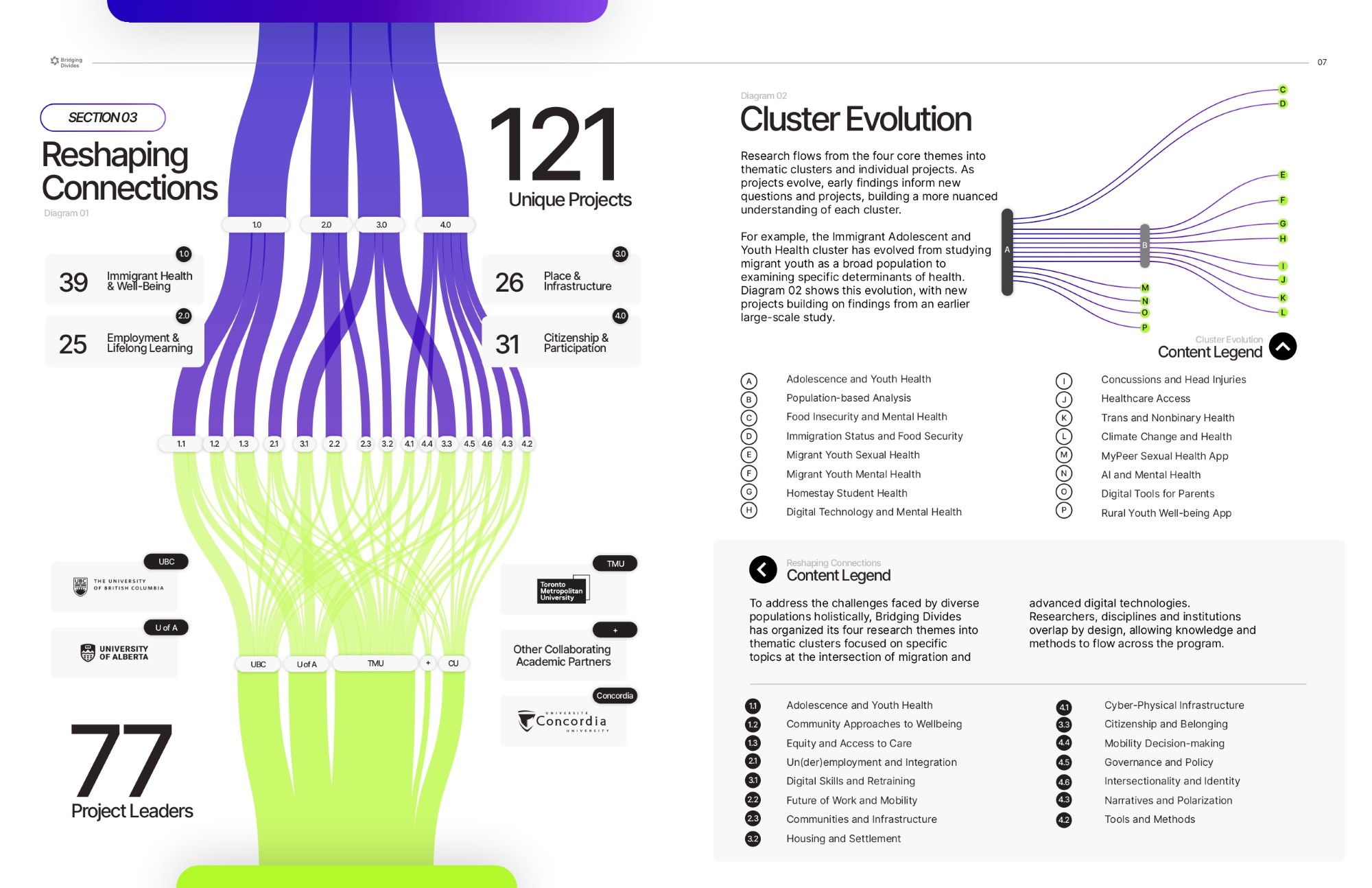
To address the challenges faced by diverse populations holistically, Bridging Divides has organized its four research themes into thematic clusters focused on specific topics at the intersection of migration and advanced digital technologies. Researchers, disciplines and institutions overlap by design, allowing knowledge and methods to flow across the program.
Cluster Evolution
Research flows from the four core themes into thematic clusters and individual projects. As projects evolve, early findings inform new questions and projects, building a more nuanced understanding of each cluster.
For example, the Immigrant Adolescent and Youth Health cluster has evolved from studying migrant youth as a broad population to examining specific determinants of health.
Deep Dive
When Evidence Leads Research
By the third year of Bridging Divides, many projects reached an important turning point. Early research is generating new questions, partnerships and tools that are expanding our knowledge in innovative directions. Across the program, researchers are building on strong foundations, expanding successful initiatives and creating practical solutions to complex challenges. These three stories are an example of how to develop an adaptive, evidence-based research agenda for lasting impact.
1. From one study to a national research agenda
A study of more than 30,000 Canadian adolescents led by Elizabeth Saewyc’s team at UBC revealed important differences in the health experiences of immigrant and non-immigrant youth, challenging the idea of migrant youth as a single group.
The findings sparked a new research agenda, with eight follow-on studies examining mental and sexual health, digital technologies, access to care and more. The work is also moving toward solutions, from a youth co-designed sexual health app to AI-powered tools to support earlier mental health care.
2. “What if” we met complexity with complexity?
Researchers led by TMU’s Bilal Farooq are bringing together transportation engineering, economics, planning, computer science and migration studies to develop an AI-powered model of the Greater Toronto and Hamilton Area.
The platform captures how housing, labour markets, transportation, demographics and social infrastructure shape one another. By testing “what if” scenarios, the model allows researchers and decision-makers to see how changes in one area can ripple across others, helping governments anticipate trade-offs and design more coordinated responses.
3. Following technology from the job search to the workplace
What began as one project on digital technologies and immigrant employment has grown into three interconnected streams examining how AI is changing the employment journey, from the skills newcomers need to how employers recruit and how newcomers navigate the digital job search.
The research has also grown through partnerships, including a collaboration with Canadian start-up PeaceGeeks to evaluate an AI-powered employment support tool with immigrant job seekers. Community organizations across Canada are helping keep newcomers’ experiences at the centre of the work, connecting research with evidence-informed solutions.

#EDIinFocus
At Bridging Divides, projects are designed in collaboration with community partners, engage participants with diverse lived experiences, and examine how factors such as migration status, gender, race, age and geography shape outcomes. This research practice moves beyond treating newcomers as a single population and recognizes, instead, the distinct experiences of different communities to generate evidence that can support more equitable policies and services.
Innovation Snapshots
Data and Digital Tools
Bridging Divides invests in digital and data tools that extend the reach of its research, turning findings into resources that scholars, communities, practitioners, and policymakers can use directly. This year's snapshot features 4 tools at different stages of development — from active piloting to full launch — each built to make immigration research more accessible and responsive to real-world needs.
MyPeer (external link)
MyPeer is a mobile app co-designed with immigrant adolescents through community-based participatory research, offering accessible information on sexual and reproductive health alongside a service finder that filters by language, accessibility, and 2SLGBTQIA+ friendliness. Now with Bridging Divides, the University of Alberta and University of British Columbia teams are leading an assessment of MyPeer's feasibility and acceptability among immigrant youth, working to help inform scalable sexual and reproductive health education across Canada.
Migration Ad Observatory (external link)
Behind every targeted ad about immigration is a story about who's being persuaded, and how. The Migration Ad Observatory, developed by the Social Media Lab at TMU, tracks that story across Facebook and Instagram. Using Meta's Ads Library API, the tool identifies migration-related ads, compiles their statistics and metadata, and visualizes patterns through an accessible dashboard that helps flag misleading or false claims. Built for researchers, policymakers, NGOs, journalists, and civil society groups alike, it equips users to counter misinformation and to support a more informed public debate.
BD Mobility App (external link)
How do newcomers actually move through a new city? The answer is now in the palm of their hand: the BD Mobility App, a smartphone survey tool that captures how immigrants to Canada travel. It records trip origin and destination, timing, mode of transport, and purpose, alongside a survey exploring hypothetical travel choices. Led by researchers from Concordia University and TMU, the app collects real-time data directly from immigrant commuters to help researchers map transportation needs more accurately than traditional surveys allow.
IDIO (Immigrant Discourses Observatory) (external link)
One of the most emblematic examples of interdisciplinary collaboration at Bridging Divides, IDIO is an AI-powered platform born from the joint work of TMU and University of Alberta researchers. From parliamentary debates to news media, social media, and policy documents, immigration-related text is turned into searchable, analyzable data. Non-expert users can upload documents, generate word-frequency visualizations, and ask questions grounded in their own data, with results powered by secure large language models. Engineers built it for social scientists. Social scientists shaped it for engineers.
#EDInFocus
From initial conceptualization to testing, EDI principles are embedded in the development of Bridging Divides’ digital tools. MYPEER was co-designed directly with immigrant youth through community-based participatory research. Similarly, BDMobility, IDIO, and the Migration Ad Observatory were each developed through research grounded in the needs of their end users. All three continue to be refined through ongoing testing and real-world application.
By prioritizing accessibility, community engagement and user-centred design, these tools demonstrate how digital innovation can make research more responsive and inclusive, while supporting more equitable access to information for researchers, practitioners, policymakers and communities.

The Future Guard
Research Talent Pipeline
The best way to ensure migration research truly matters is to train the people who will carry it forward. Bridging Divides invests in scholars at every level of study, from undergraduates to early-career researchers, across all partner universities, because building capacity is how the program's impact outlasts any single project.
In our third year, several flagship initiatives were re-launched, using what we learned in past editions to increase their value for all participants.
Some of the most impactful leaps of the past year were part of one of these efforts:
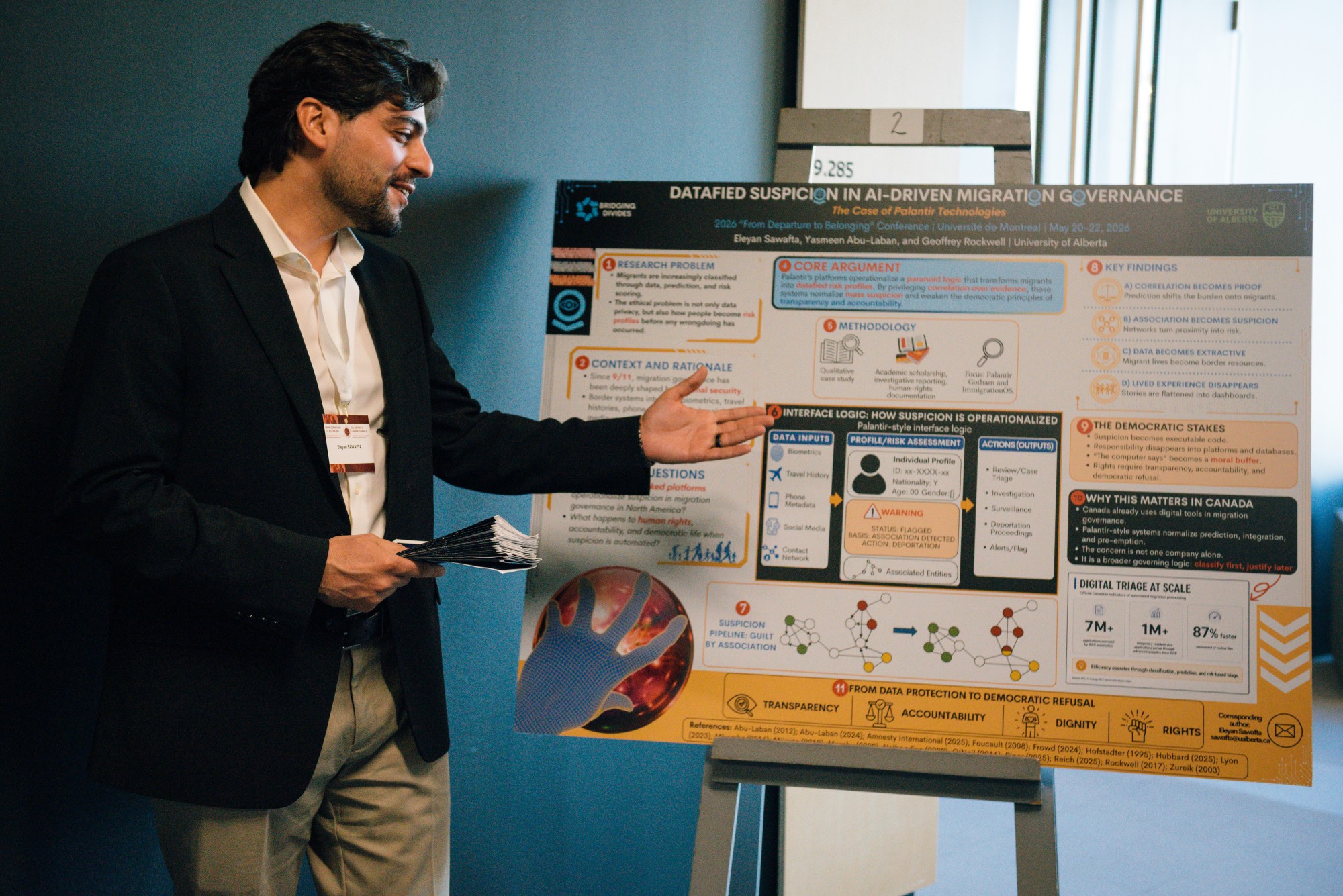
Increase Employment Opportunities
- 30 new graduate stipends
- 245+ research assistants
- 49 postdoctoral fellows
- 17 Steps to Success interns

Student Challenges
- 3 winning ideas | Build a Bridge 2026
- 3 winning insights | Migration Data Challenge 2026
- 22 innovations | Demo Day 2026
Training and Workshops
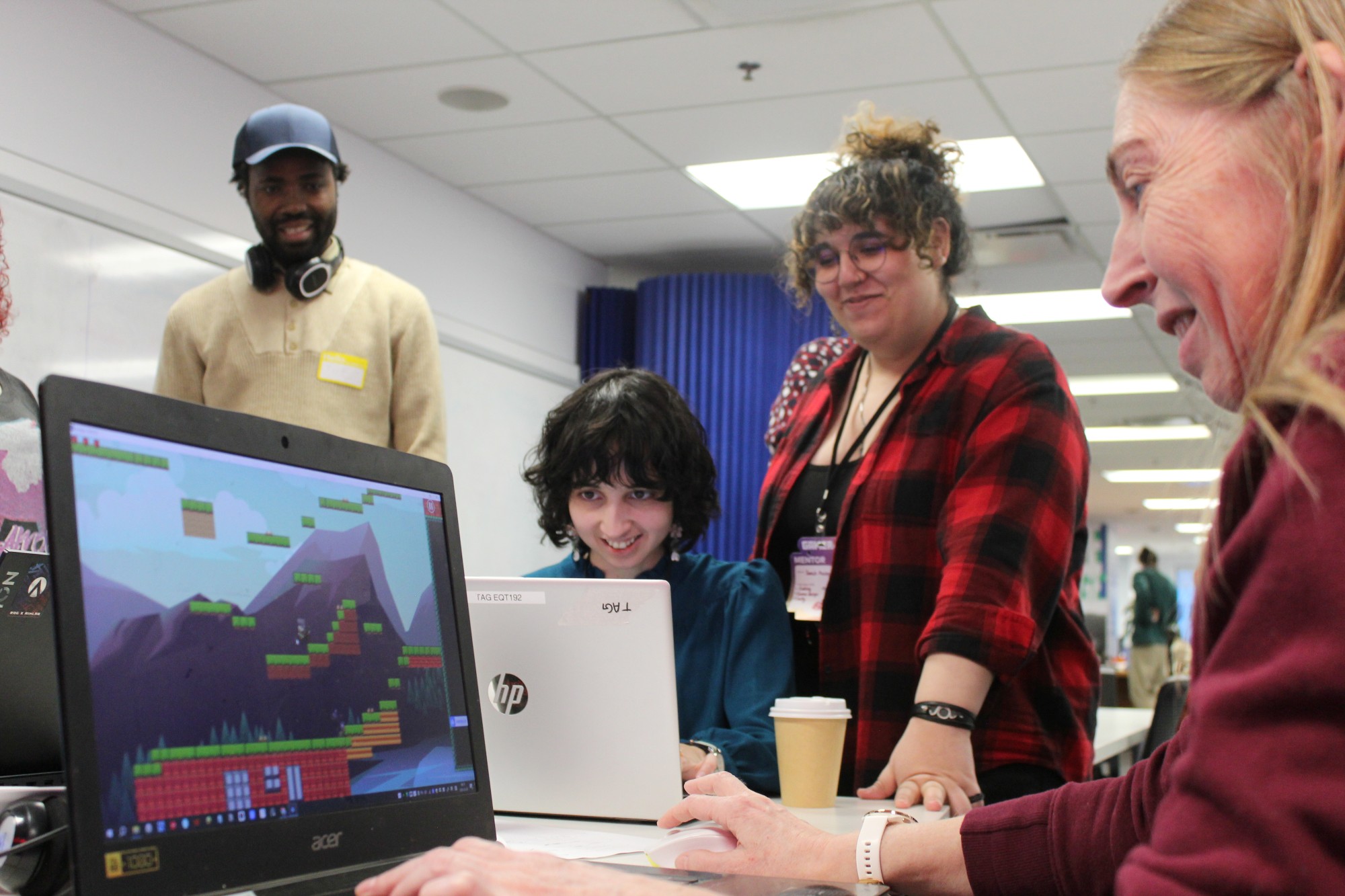
- 50+ training and workshops offered to staff and researchers, including EDI training, workshops on ORCID and Spiral, and thematic sessions on Storytelling for Migration Researchers, Grant Writing and Designing Poster Presentations. Full-day events
- More migrant-focused trainings, including Game Jams, workshops on AI, and Enterprise Bridge.

#EDIinFocus
Equity, diversity and inclusion considerations are embedded in the training ecosystem by expanding access to research experiences and mentorship, interdisciplinary collaboration and professional development across career stages.
Beyond funding, the program invests in mentorship, interdisciplinary collaboration and professional development to help emerging scholars build the networks and leadership experience needed to thrive in academia and beyond.
Shifting the Narrative
Policy, Media, and Public Reach
Throughout the year, researchers strengthened connections with municipal, provincial and federal governments, contributed to public conversations through national and international media and shared evidence with practitioners and community leaders.
Bridging Divides has a long-standing, growing partnership with Immigration, Refugees and Citizenship Canada (IRCC), built over the years through a series of complementary initiatives that connect researchers directly with policymakers.
- Research met policy at the second Migration Research and Policy Forum, a closed-door consultation that brought researchers and senior IRCC leaders together to identify emerging challenges and evidence needs.
- Research reached decision-makers through dedicated webinars, project-related consultations, and knowledge mobilization events that connected Bridging Divides research with 300+ IRCC policy analysts and directors.
- Evidence became actionable through joint policy briefs and the Research 2 Results initiative, translating research into targeted tools for policy design and implementation.
Strengthening research and shaping conversations
133
Academic publications on Bridging Divides projects
256
Media mentions and authored contributions

355
Conference presentations and engagements
40+
Awards and recognitions
Bridging Divides researchers continue to advance knowledge across disciplines while bringing migration and integration research into broader public and academic conversations.
Their work has been published across more than 10 fields of study, featured in leading journals, books, policy reports and working papers, and shared through keynote lectures, international conferences, media commentary, podcasts, and public events. Researchers have also received institutional and creative achievement awards recognizing excellence in research, mentorship and knowledge mobilization.
The 2026 Annual Bridging Divides Conference, hosted in Montreal by the Institute for Research on Migration and Society (IRMS), brought together 260+ researchers, policymakers, practitioners and community leaders to explore how advanced digital technologies are reshaping migration. Through panels, a keynote, poster competition and workshop, participants examined the opportunities and risks of digital transformation across migration governance, employment, healthcare, services and belonging, advancing conversations about more equitable, accountable and human-centred migration systems.
Cultivating a Global Network
International Connections and Partnerships
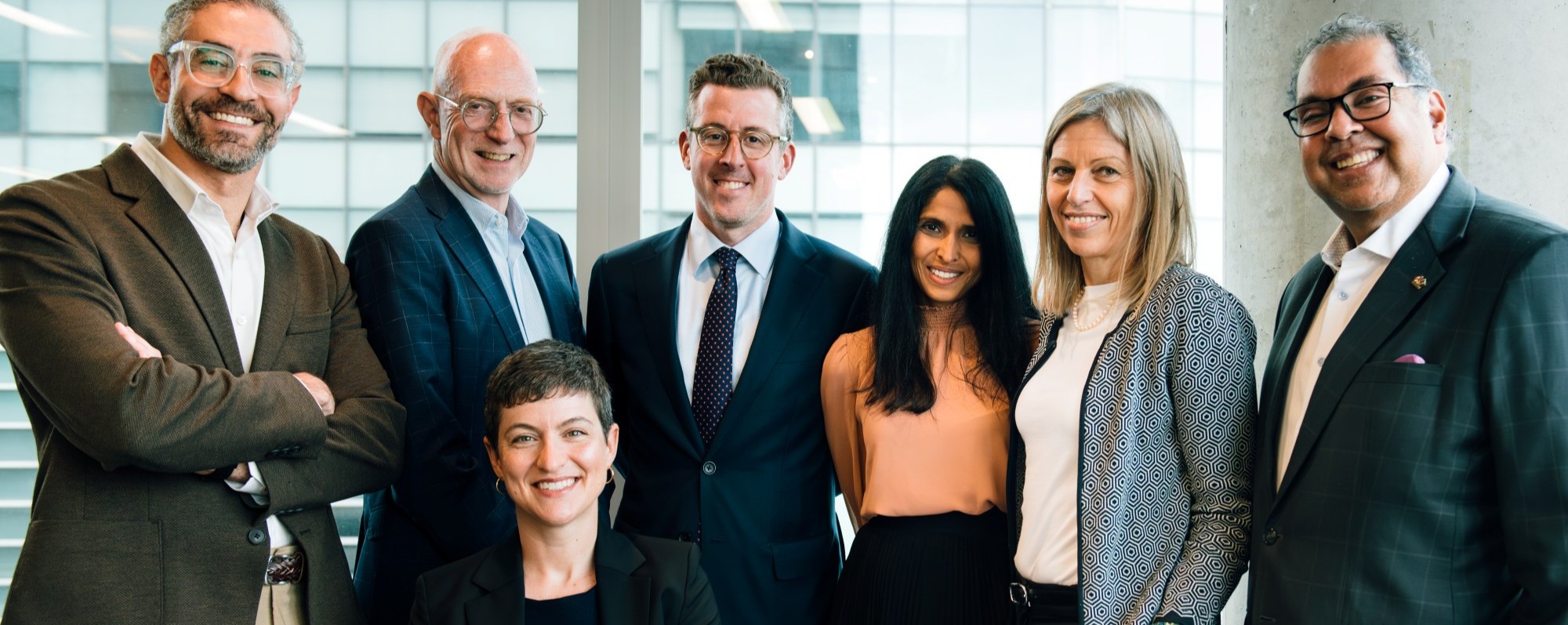
Great research should never be kept behind institutional or national boundaries. This is why, as Bridging Divides enters its third year, the program is increasingly serving as a global meeting place where researchers, practitioners, journalists and community leaders exchange knowledge, challenge assumptions and build collaborations that extend well beyond Canada.
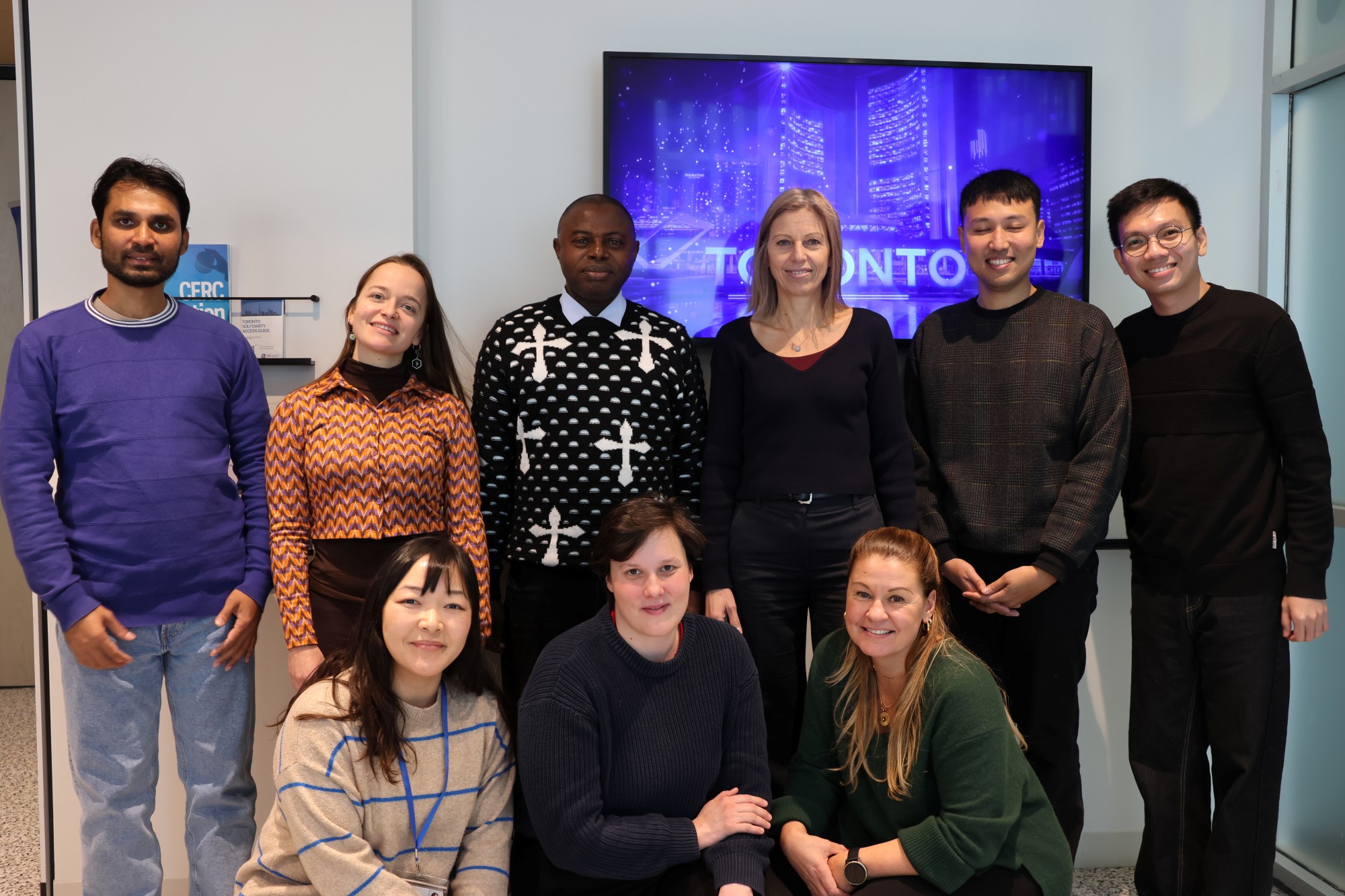
A Canadian home for a global community
This was a year of expansion for our international fellowship programs:
- Launched the Future Leaders Fellowship
- Welcomed the second Journalism Fellows cohort
- Supported Civil Society and Public Administration Fellows

Strengthening an international research network
We broadened our international reach through the Global Exchange Fellowship at the Global Migration Institute. Building on an established exchange model, the program now connects even more researchers at TMU with leading migration centres across Europe, Africa, Asia, Australia and Latin America.

Connecting beyond academia
We deepened our partnerships beyond academia:
- Worked with 40+ partner organizations across Canada
- Brought researchers and partners together through the second Connections Lab
- Published Bridges Issue 3 and launched structured partner consultations
#EDIinFocus
Through international fellowships, community partnerships and cross-sector collaborations, Bridging Divides creates opportunities for reciprocal learning among researchers, practitioners, policymakers, journalists and community organizations. These networks recognize that migration research is strengthened when diverse forms of knowledge and lived experiences are brought together to inform evidence-based solutions to complex societal challenges.