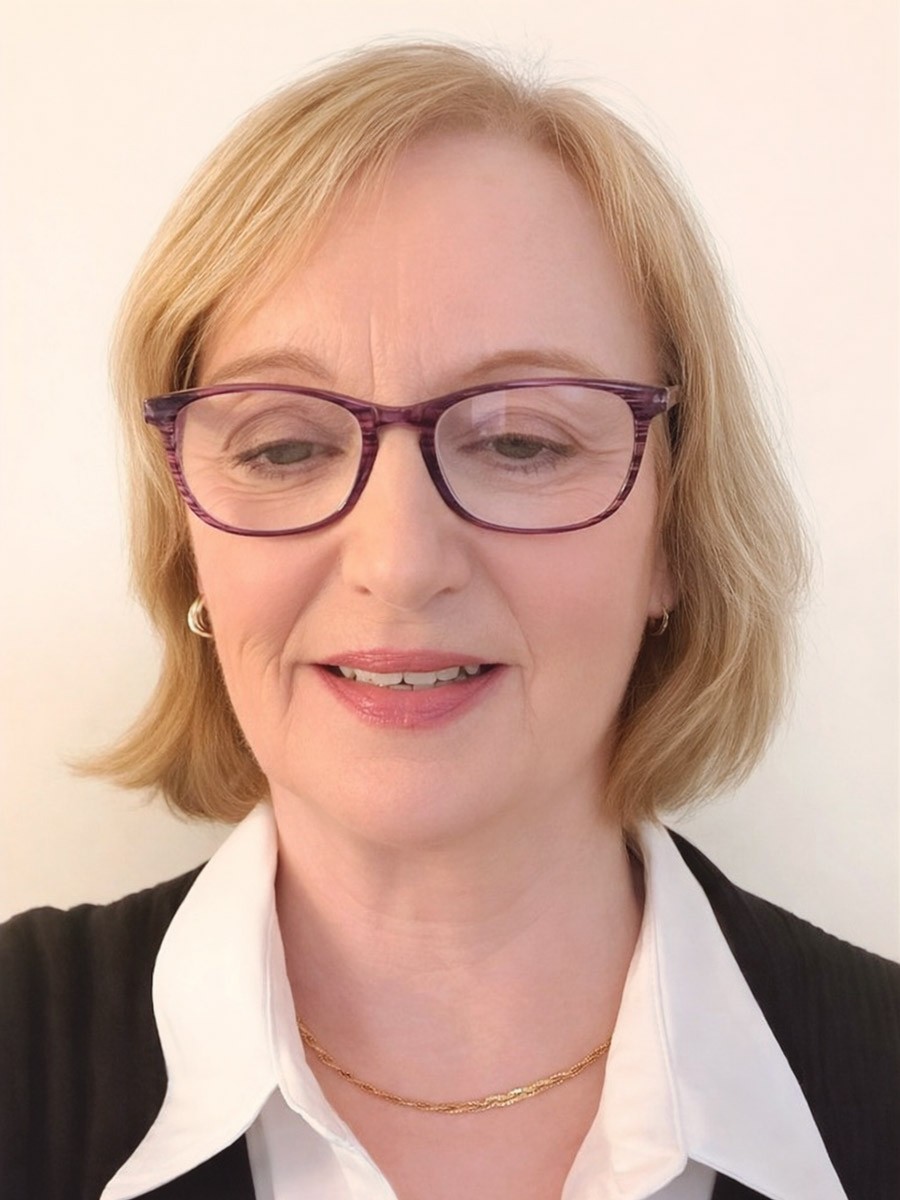
Dr. Karen Spalding RN, PhD.
Former Director, Master of Health Administration (Community Care), Associate Professor, School of Health Services Management, and Director, School of Nursing at Toronto Metropolitan University (TMU) Dr. Karen Spalding is former Director, Master of Health Administration (Community Care), Associate Professor, School of Health Services Management, and Director, School of Nursing at Toronto Metropolitan University (TMU).
Before joining TMU, Karen held a variety of nursing leadership roles at The Hospital for Sick Children (SickKids) in Toronto where her focus was on the care of children with complex continuing medical needs and their families. After completing a PhD in Health Service Research at the University of Toronto, she joined the Daphne Cockwell School of Nursing (DSCN) at TMU, where she led the development of the Master of Nursing program, the first graduate program in the Faculty of Community Services. Subsequently, as Director of the School of Nursing, she guided a major academic and research expansion including securing the school’s first Tier 1 Canada Research Chair and transitioning the Nurse Practitioner program to graduate status, resulting in the DSCN having the largest number of graduate students in the faculty.
Karen then served as Founding Director of the Master of Health Administration (Community Care) program at TMU marking a major evolution of the existing Health Services Management undergraduate program.
Karen is currently Adjunct Associate Professor, School of Nursing, Queen’s University, where she developed the Research and Theory of Leadership course for the PhD in Health Quality program. A certified career planning coach, her teaching and research interests include health systems and policy, healthcare leadership, and paediatric home and community care.
Karen remains passionate about education and research that improves the lives of children and persons of all ages facing multiple health and social needs and supports them and their unpaid carers to live as long as possible, as independently as possible, in their own homes and communities.