SVZ Startups are Making a Difference This Plastic-Free July
By Nabiha Baki
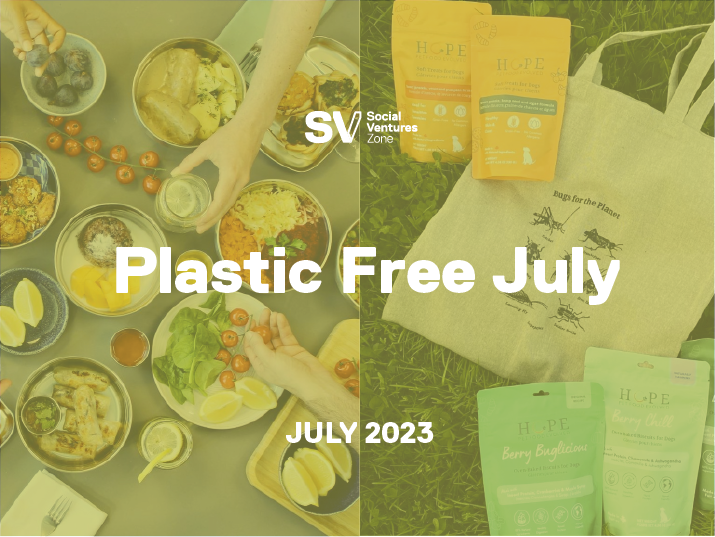
This month is Plastic Free July, and its main focus is reducing plastic waste across different aspects of our life, including fashion and food. Plastic Free July encourages individuals to become more conscious of their choices as consumers, and hopefully divert to more sustainable alternatives. In support of eco-friendly practices, a number of startups at the SVZ are actively working to promote the elimination of single use plastics and fast fashion.
This year we spoke to three SVZ incubated founders, Sofia Bonilla of HOPE Pet Food, Erika Reyes Bolanos of Inwit, and Alison Solis of Solis to discuss Plastic Free July and the plastic-waste problem we currently face.
Sofia Bonillo created HOPE Pet Food to address the environmental impact of the pet food industry. They focus on closing the gap between nutritious and sustainable pet food using nutrient-rich and eco-friendly ingredients packaged in recyclable material. Sofia emphasizes the need for eco–friendly packaging alternatives, as the vast majority of pet foods are packaged in multilayer, multipolymer bags which can not be recycled. Multipolymer bags take many lifetimes to degrade, persisting in the environment for hundreds of years after breaking down into tiny toxic particles. By reducing single-use plastics, we can minimize plastic pollution that is ending up in our oceans, rivers, and landfills, harming wildlife and ecosystems. Although only some types of plastics are currently recyclable, reducing our consumption of single-use plastics can help focus efforts on systematic changes, to change to more collective environmentally conscious choices in the future.
Single-use plastics are also commonly used for take-out. In June of 2021, the Toronto City Council began Stage 1 of their voluntary Reducing Single-Use Program. As of now, the city is currently seeking to move to Stage 2– resulting in mandatory measures to restrict single use plastics and takeaway materials.
Inwit, founded by Erika Reyes Bolanos, works to reduce consumers' environmental footprint by encouraging and offering waste-free take-out. Their primary goals are reflected in the name of their startup– Inwit, an old English word that translates to being aware of one’s consciousness and inner sense of right or wrong. Some of their objectives are to identify waste-free restaurants and cafes across the city and inform others on how to reduce carbon emissions.
Learn more about their platform and app through their website (external link) .
Although clothing may not be the first topic that comes to mind when discussing plastic use reduction, the growing movement of fast fashion has been associated with excessive consumption and contribution to massive waste generation. The single use plastic packaging that comes with fast fashion clothing, production, and retail waste all contribute to the pollution problem.
Solis was created to address impacts and promote the practice of upcycling. Alison highlights that according to the Ellen McArthur Foundation (external link) , plastic packaging in general is estimated to make up to 26 (external link) % of the total volume of plastics created each year. Additionally, fast fashion also contributes to plastic consumption through the usage of plastic based fibers such as polyester, acrylic, and nylon. These can account for up to 73 (external link) % of microfiber pollution in arctic waters. When synthetic materials are washed, plastic based fibers are released into water systems. While some plastic based fibers are caught via sewage treatment plants, others are not and ultimately make it into our rivers and seas.

Plastic packing is estimated to make up to 26% of the total volume of plastics created each year.

Plastic based fibers can account for 73% of the microfiber pollution in arctic waters.
Learn more about how plastic fibers can contaminate water systems. (external link)
With the growing rates of pollution and contamination, communities should feel a need to make more conscious consumer choices and opt for more eco-friendly alternatives. To make this easier, our SVZ startups have made several suggestions on how we can make better choices to collectively reduce our plastic consumption.
In regards to single use plastics for pet foods or food packaging, HOPE Pet Foods recommends you to avoid using multipolymer bags as they cannot be recycled. With their bags being recyclable, Sofia recommended that these recyclable bags can be washed and reused with one of their zero-waste partners (external link) . Inwit offers a platform to support Torontonians with identifying waste-free restaurants and cafes across the city and promotes the usage of limiting take-out to reduce single-use plastic waste.
Alison encourages buying second hand clothing and minimizing purchasing fast fashion clothing. This helps to reduce the demand for new plastic-based clothing. The startup urges consumers to take better care of their garments to extend their lifespan– reducing need for frequent replacements, or dispose of clothing responsibly such as donating them or reselling or opt for clothing made from natural and biodegradable fibers like hemp, linen, or bamboo. Natural fibers have a lower environmental impact compared to synthetic fibers, which shed microplastics. Garments that are no longer wearable can be used in textile recycling programs (external link) around the province.
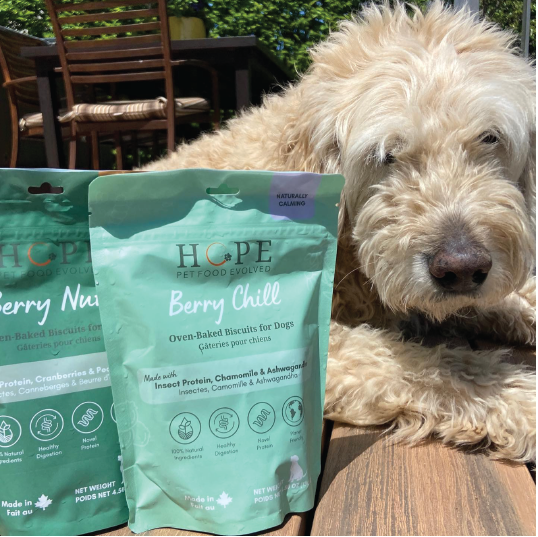
HOPE Pet Food's reusable dog food bags.
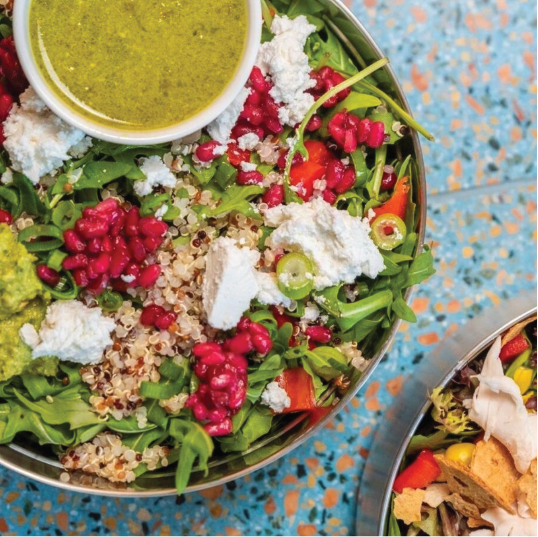
Inwit's sustainable take-out food containers
With these recommendations, use this month to capitalize plastic-free solutions and build habits to implement sustainable practices into our daily lives.
Visit our Instagram page (external link) for more content on Plastic-Free July and visit our featured ventures’ pages HOPE Pet Food (external link) , Inwit (external link) and Solis (external link) .
Learn More:
These resources can serve as starting points for those interested in learning more about sustainable practices and staying updated on the latest developments in the Industry.
Fashion Revolution (external link) : A global movement that promotes transparency, sustainability, and ethical practices in the fashion industry. Their website provides valuable resources, reports, and guides on sustainable fashion.
Good On You (external link) : An app and website that rates fashion brands based on their environmental and ethical practices. It provides a database of brands and their sustainability ratings, helping consumers make informed purchasing decisions.
Resources for other fashion-based entrepreneurs:
Sustainable Fashion Glossary by Common Objective (external link) : Provides a comprehensive glossary of sustainable fashion terms, helping individuals and fashion brands understand key concepts and practices related to implementing sustainability in fashion.