Mosquito Bite Needle Endoscopy (MBNE)
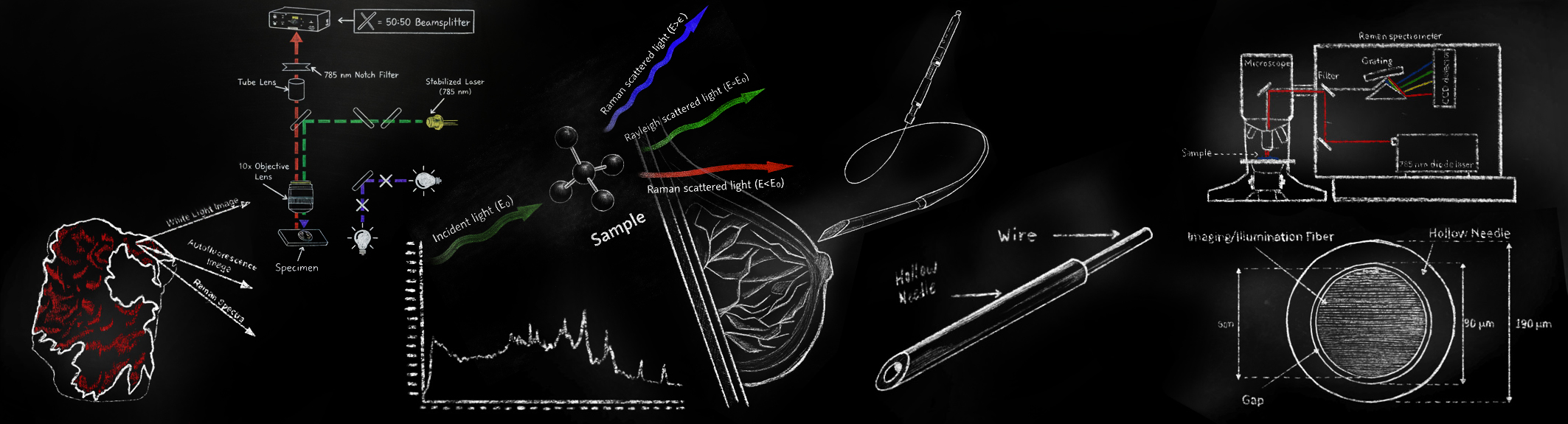
The goal of minimally invasive Mosquito Bite Needle Endoscopy (MBNE) is to reduce the number of unnecessary breast cancer biopsies and false positive screenings. The MBNE would be used in breast cancer screening/mammography clinics, in combination with ultrasound imaging, to locate potentially cancerous areas of the mass.
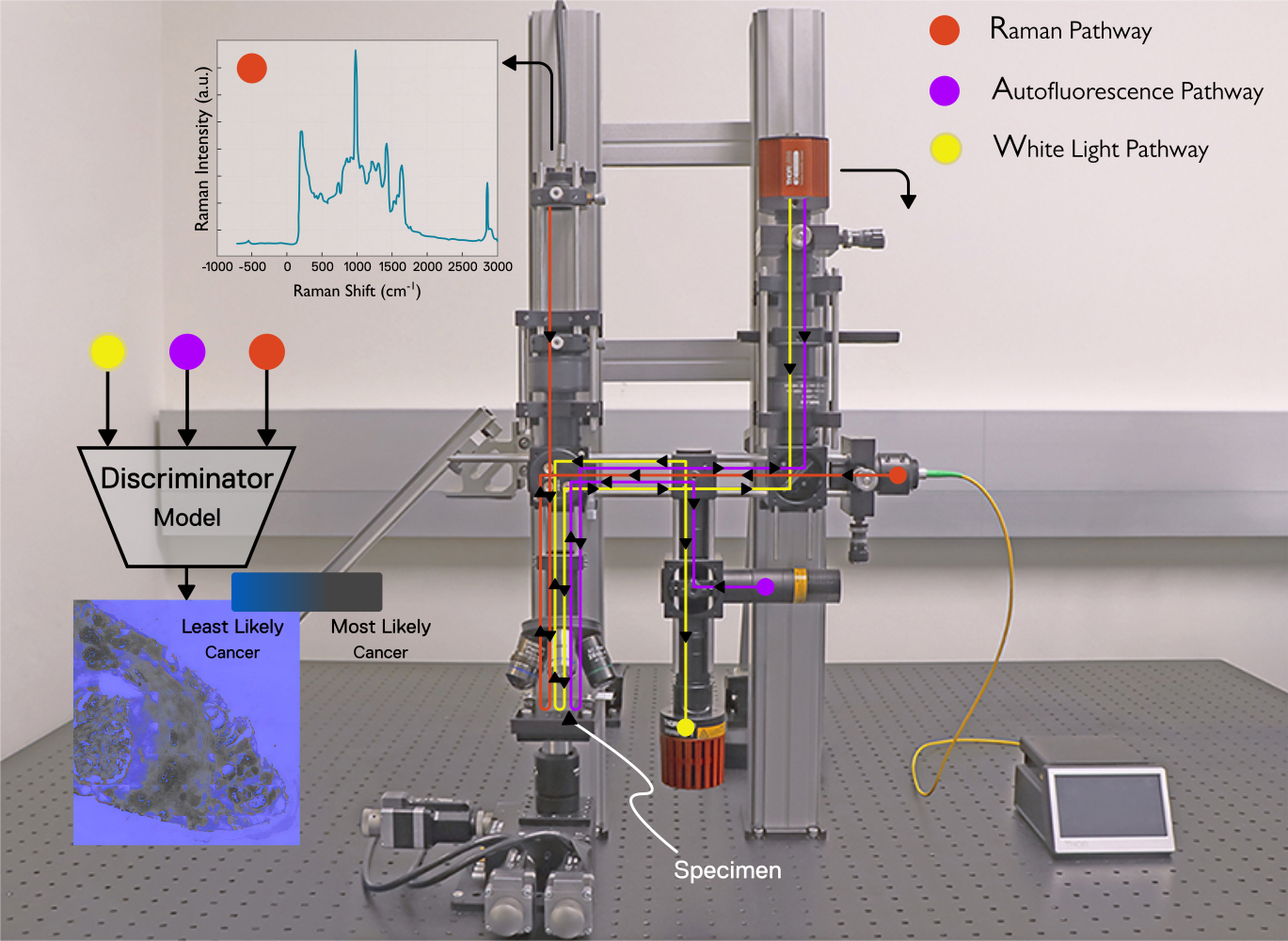
To reduce unnecessary breast cancer biopsies, minimize physical and psychological effects and ultimately improve patient experience, a more accurate screening method is required. Our minimally invasive Mosquito Bite Needle Endoscopy (MBNE) is proposed for use in pre-biopsy screening. The MBNE utilizes a 34-gauge (⌀0.19mm) acupuncture-sized needle endoscope with built-in fibre optics to collect white-light, autofluorescence, and Raman spectroscopy images, thereby differentiating between cancerous and non-cancerous breast tissue. The use of WAR imaging, combined with the acupuncture-sized needle, should help improve breast cancer detection accuracy, minimize unnecessary biopsies, and enhance patient experience. The following diagram outlines the optical setup designed to achieve this imaging mode.
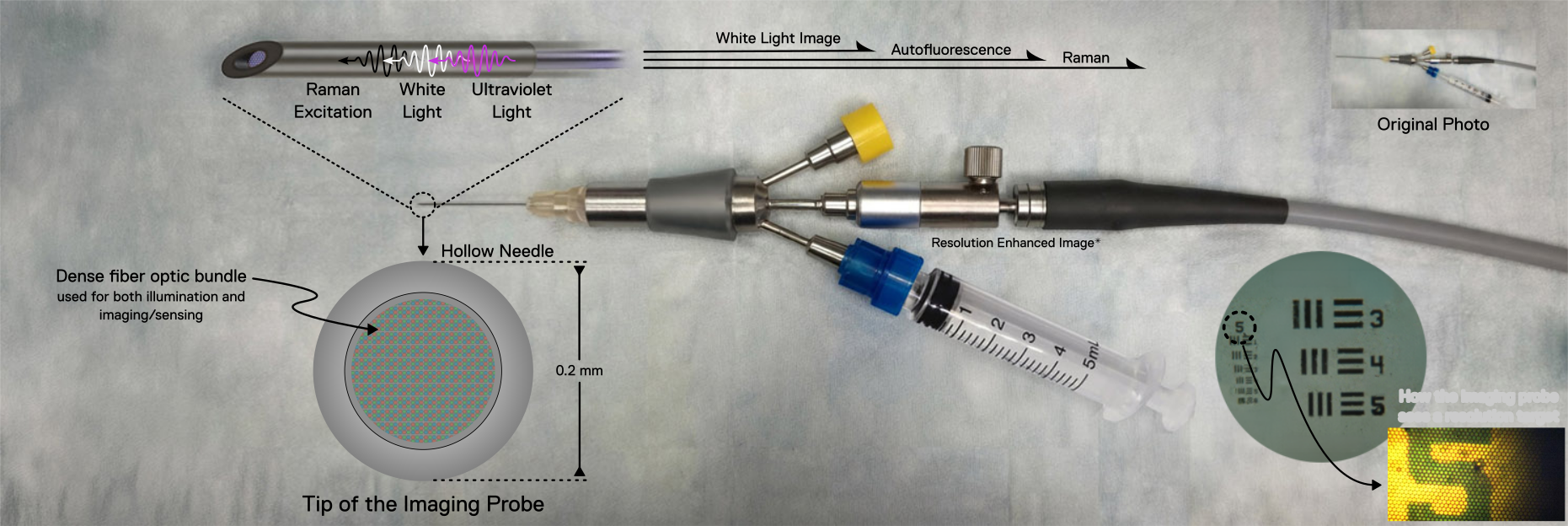
Such a sophisticated sensing method requires a suitable probe that would reach deeper tissues in a minimally invasive way. The designated probe must illuminate the target and simultaneously collect light information. To restrain the invasiveness of the procedure, both illumination and sensing apparatus have to fit in the lumen of an ultra-fine needle. A custom-made fibre-optics bundle will achieve this goal. The following diagram depicts the early vision of the handpiece that would perform the tri-modal WAR imaging.
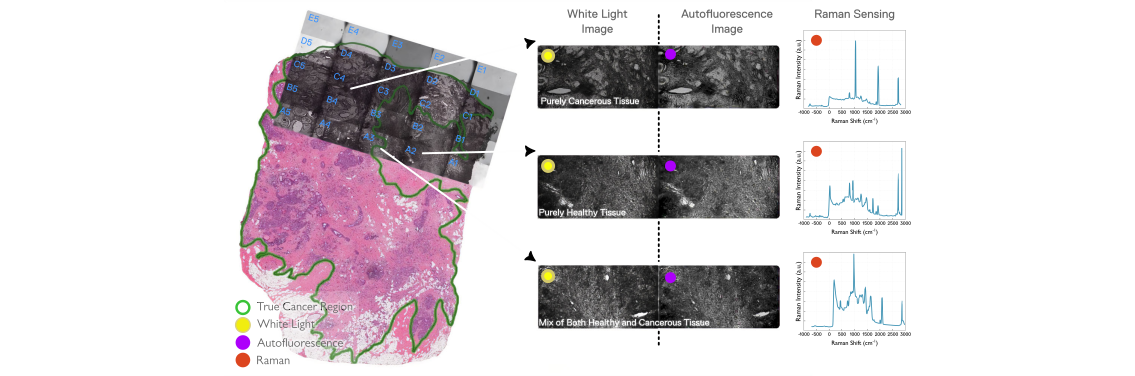
The raw data alone are insufficient to detect cancer. An intricate algorithm is needed to fuse the information contained within each imaging mode to further discriminiate between cancerous and healthy tissues. The following diagram shows the tri-modal scans of a tissue slide with healthy and cancerous regions.