Clinical Digital Patients for Intelligent Intensive Care Simulation
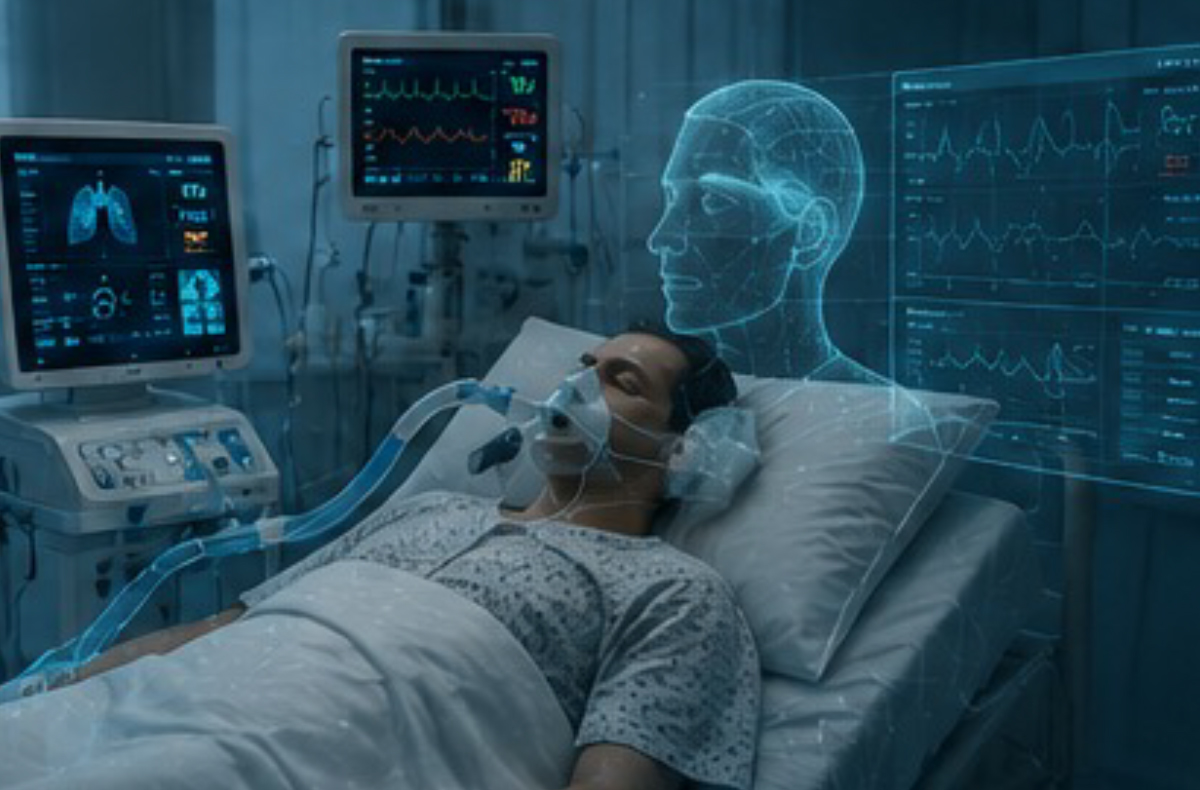
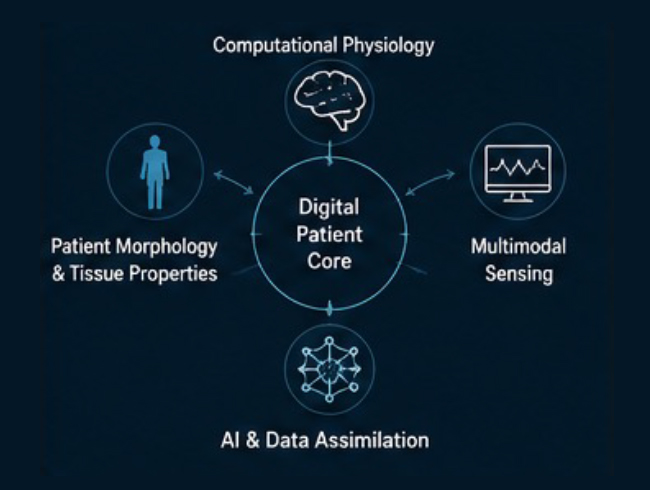
This project develops Clinical Digital Patients that realistically reproduce the dynamic physiology, disease progression and treatment response of critically ill patients. The platform integrates computational physiology, patient morphology, multimodal sensing and artificial intelligence to create adaptive virtual patients for intensive care simulation, technology development and education.
Scientific Vision
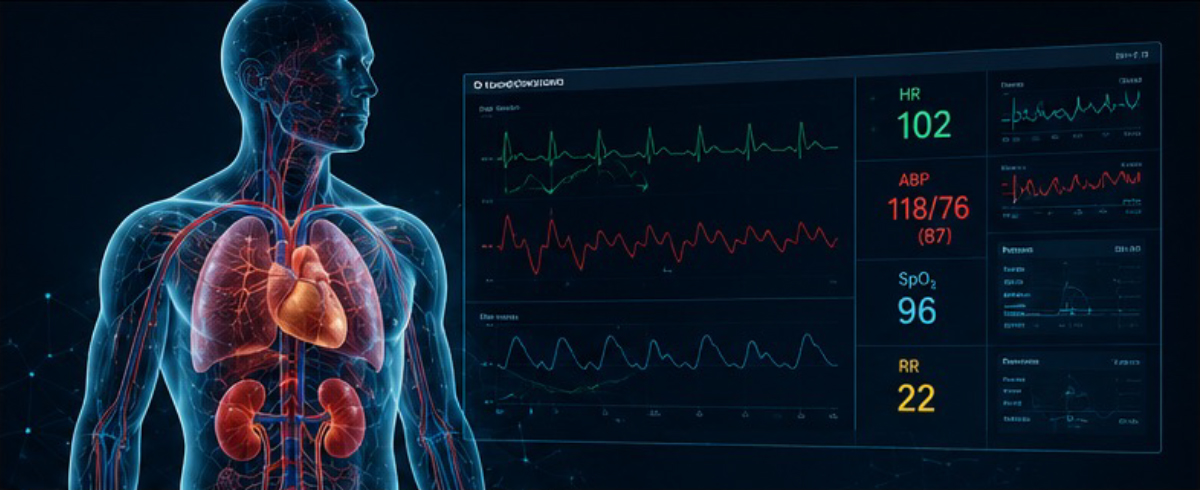
We combine mechanistic models of the cardiovascular, respiratory, renal, neurological and metabolic systems into a unified whole-body model. These models are continuously updated using explainable AI with multimodal physiological data to represent patient-specific deterioration, stabilization and recovery under different therapies.
Key Features
- Multi-scale physiological modelling of interacting organ systems
- Patient-specific morphology and tissue properties
- Integration of multimodal physiological sensing
- AI-assisted state estimation, prediction and uncertainty quantification
- Simulation of therapies: ventilation, fluids, vasoactive drugs, oxygen, transfusion, etc.
- Virtual platform for education, device/algorithm validation and research
Impact
The project will enable a new generation of intelligent ICU simulators and digital twins that support clinical training, evaluation of medical technologies and AI systems, and advancement of precision critical care.
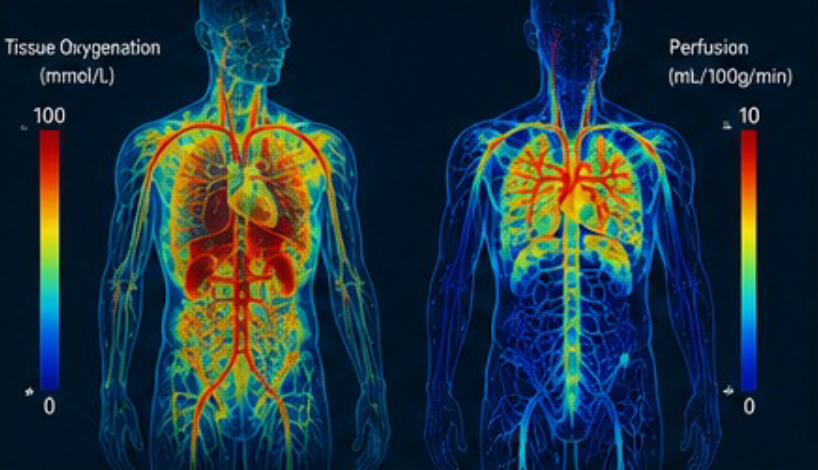
Simulation of tissue oxygenation and perfusion.
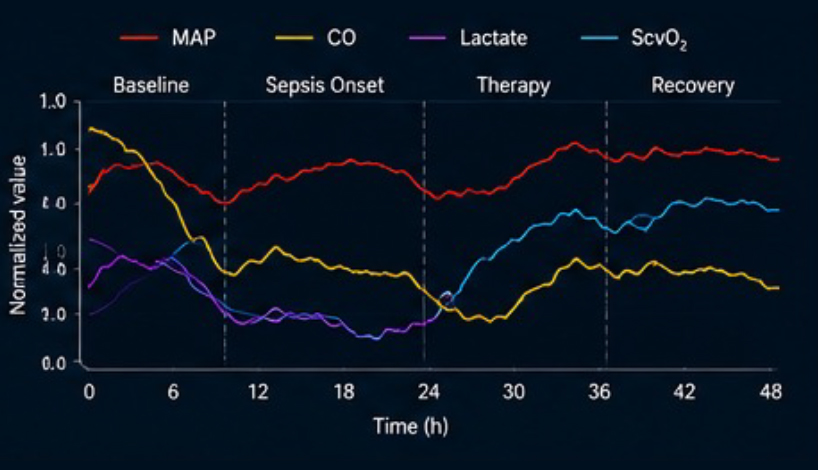
Disease progression and treatment response prediction.
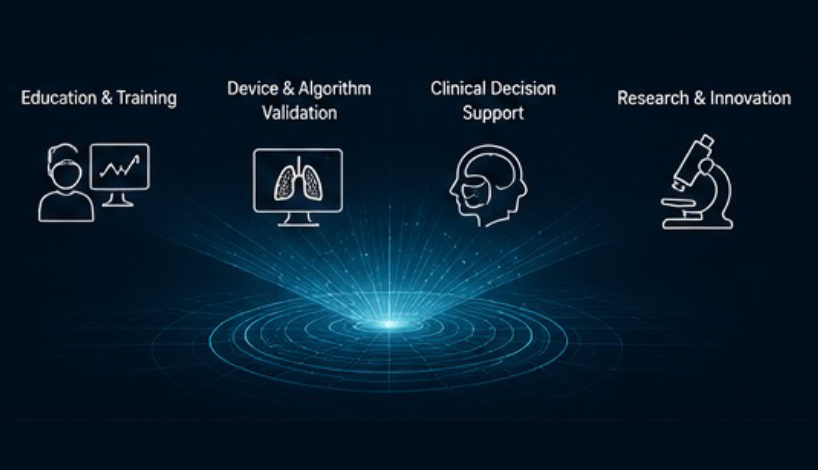
Applications across education, technology development and clinical research.