Terri Peters
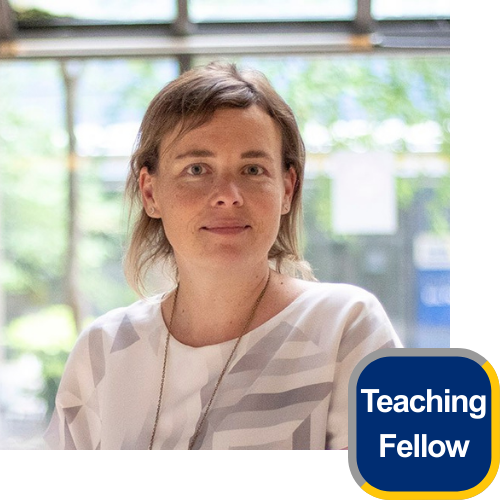
Dr. Terri Peters is an Associate Professor in the Department of Architectural Science where she teaches in the architecture and building science programs. She is a registered architect in the UK and holds a PhD in architecture from Aarhus Architecture School in Denmark where she researched the design and renovation of high performance housing. She has been a long standing member of the University’s Teaching and Learning Spaces Working Group, completed a two year course of teaching development instruction in 2021 called the University Teaching Development Program (UTDP), and has been the recipient of two TMU Learning and Teaching Grants from CELT. Dr. Peters is the recipient of the 2023 AVP International's Global Learning Award.
Her research interests and areas of expertise are health and wellbeing in non-clinical environments, co-benefits of building performance and people performance in sustainable buildings, and biophilic and salutogenic design for long term care environments. In her research, she utilizes architectural design and building science methods to examine how building design impacts people’s experience of spaces, exploring the experiential qualities to understand how architecture can contribute to enhancing people's well-being. Her research into pedagogy aims to uncover ways in which design studio learning spaces, particularly those used in architecture programs, can positively influence student collaboration, productivity, and overall mental health.
Student Success Through Improved Studio Environments
Design studio courses are the most important classes in architectural design education and the sites of enormous creative energy. “Studio” is both an open plan, collaborative learning environment in the building where students have a desk and do all of their coursework, and also the name for their yearly required academic course. The physical and social studio culture reflects a long standing tradition in schools of architecture in Canada and elsewhere, dating back at least 100 years to ideas from Beaux Arts education from the 1830s onwards and from the Bauhaus model. In the context of a return to in-person teaching after COVID-19, now is the time for testing new ideas for its reinvention.
Through this project Peters will contribute to the profession’s broader understanding of new needs in disciplinary teaching, will examine innovative teaching and learning approaches, and will foreground pedagogies addressing social justice and inequity. Combining architectural and building science research methods, Peters aims to uncover ways in which design studio spaces, particularly those used in architecture programs, can positively influence student collaboration, productivity, and overall mental health.
During her fellowship, Peters will focus on a project aimed at improving studio culture in architecture programs. Her goal is to understand the dynamics of teaching spaces and how they contribute to student success, emphasizing collaboration and well-being.