Narratives of Citizenship: Seeing Belonging Through a Newcomer Lens
Seeing Belonging Through a Newcomer Lens
A visual exploration of newcomer belonging in Canada, made possible through community connections
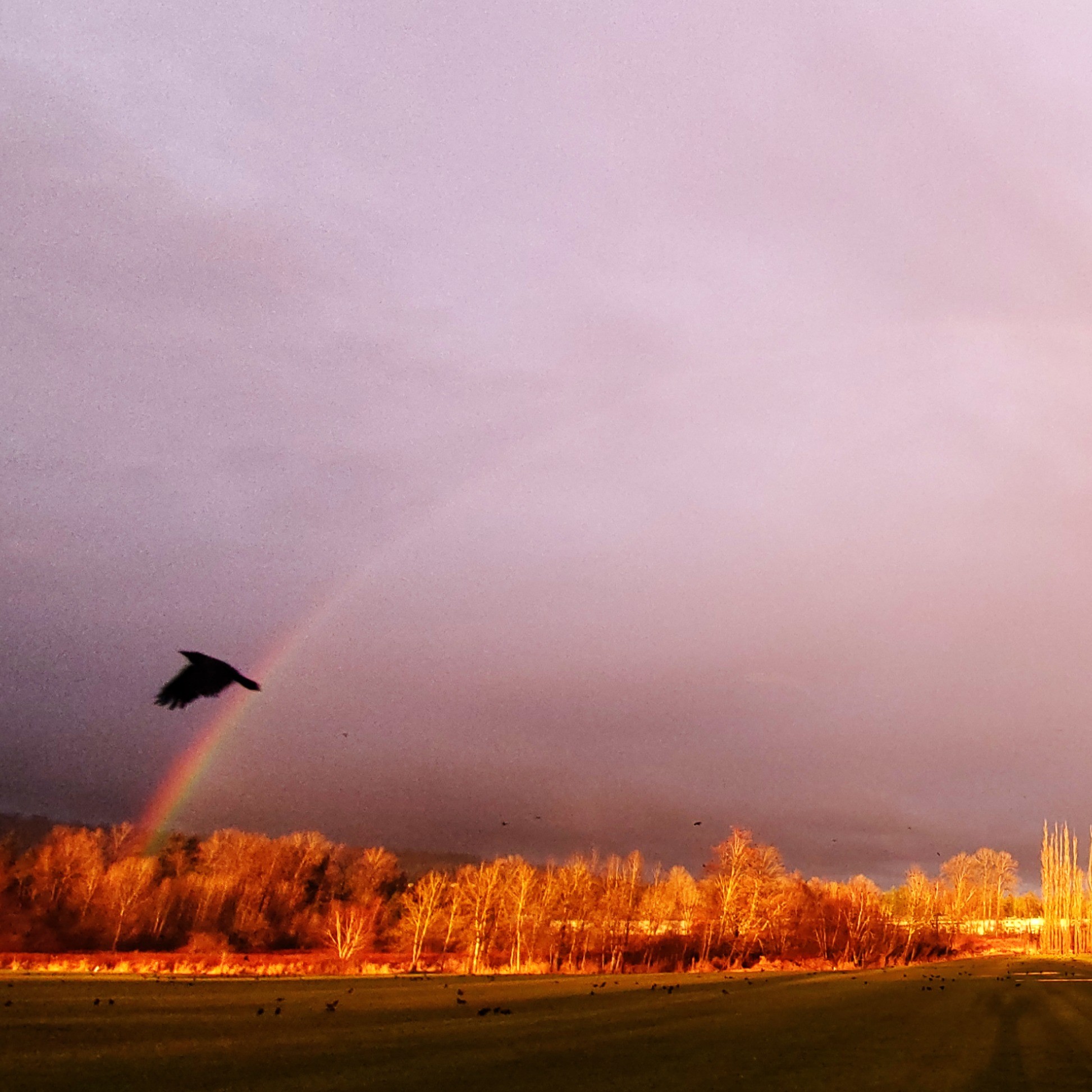
"The country is as diverse as a rainbow" says one anonymous participant in the study
EAR TO THE GROUND
Citizenship and belonging are not synonyms. The space between them, this twilight zone between formal recognition and emotional connection, is where Narratives of Citizenship unfolds. Led by the UBC Centre for Migration Studies, this project explores how people experience and understand Canadian citizenship, particularly in relation to Truth and Reconciliation. The project builds on strong relationships with two key community partners: MOSAIC, one of Canada’s largest settlement and employment service organizations, and YMCA BC, whose newcomer integration programs support vibrant and connected communities across the province.
Citizenship is more than legal status; it is a shared identity shaped through stories of nationhood and belonging. Yet for newcomers, official narratives often differ from lived experience. They can obscure inequities, simplify histories, or overlook the complex emotional terrain of what it means to belong. By forging a collaboration between researchers and community organizations, the project set out to explore those lived narratives up close and through the eyes of the people living them.
A portrait of belonging
One branch of the project invited 20 participants from MOSAIC and YMCA BC’s newcomer programs to reflect on their migration journeys and their understandings of citizenship, belonging, and Truth and Reconciliation through a photo-based storytelling initiative.
Each participant was asked to take photos, write short reflections, and join in paired interviews about their experiences. The result is over 85 photographs and dozens of reflections that form a striking digital gallery of what belonging in Canada looks and feels like, from the everyday to the profound.
Through their words and images, we see hope and fear, the quiet beauty of starting over. Migration journeys appear as mountains to climb, well-worn shoes, or multicultural dinners. Belonging reveals itself in moments of recognition: a lighthouse, a crab pool, the arc of a rainbow after a storm. Citizenship shows up in the everyday; it is a traffic light, an “I Voted” sticker, a seat at a hockey game.
While many participants arrived in Canada with limited knowledge of its settler colonial past and present, each engaged thoughtfully with the project’s Truth and Reconciliation prompt. Their photos capture Indigenous artworks in public spaces, museum visits, guided tours, and reflections on learning about colonial harms and the responsibilities of living on this land. These images show newcomers as participants in the process of reconciliation as each carefully considers what it means to build a life on Indigenous lands as a migrant.
One participant’s reflection captures the emotional depth at the heart of the project:
“I took this photo of my winter jacket hanging beside my traditional African attire because it reflects the dual identity I carry with pride every day. The jacket keeps me warm in the country I now call home, while the attire reminds me of where I come from — the strength of my roots, my culture, and my values.”
For many, participating in the project was as transformative as it was creative. One participant described the process as “a mirror, reflecting not just where I’ve been, but how far I’ve come.” They said that telling their story through image and word gave them space to process memories and feel “seen, heard, understood.”
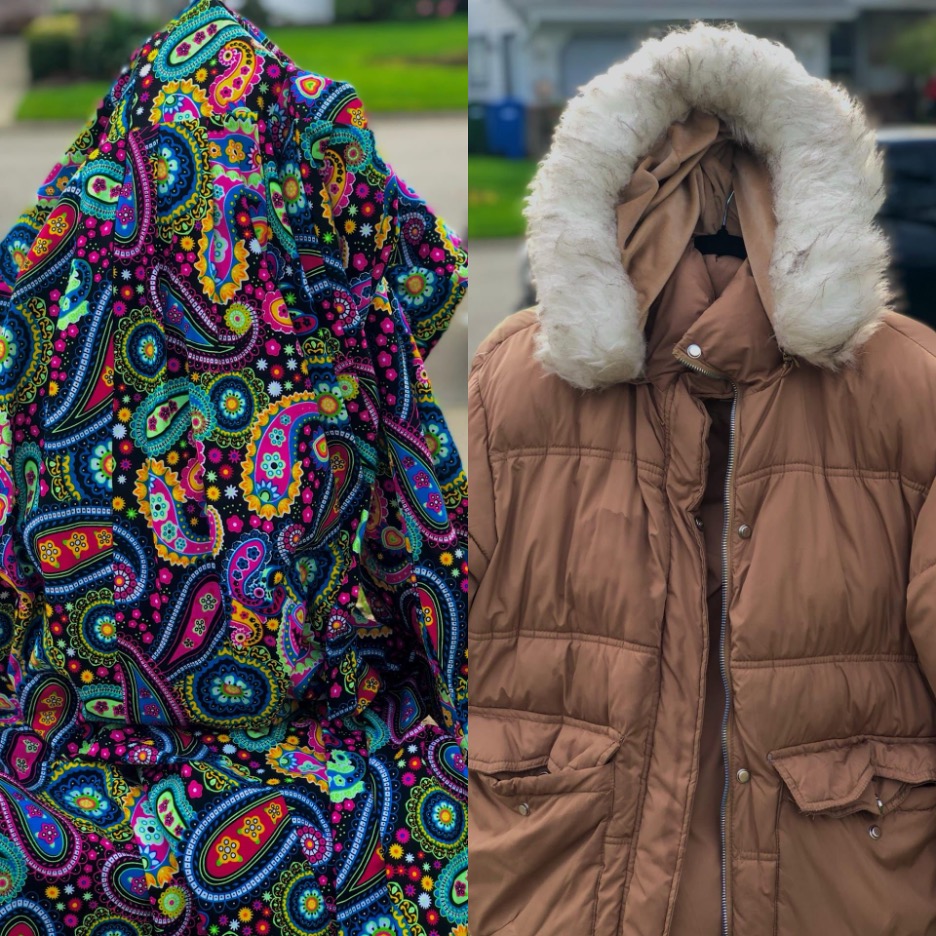
Oluchi (Ollie) Omogbai reflects on the dual identity she carries, looking at her winter jacket hanging beside her traditional African attire.
Grounding research in community needs
For Adrienne Bale, Senior Manager of Settlement and Integration Programs at MOSAIC, the collaboration was a natural fit.
“As a settlement service provider, citizenship and belonging is our ultimate goal,” she explains. “When folks don’t need our services anymore, that’s usually when they feel a full sense of belonging. But citizenship and belonging are not always synchronous. Some people feel belonging long before they get citizenship, and others get citizenship without ever feeling they belong.”
That insight, she notes, is precisely why partnerships like this matter. Settlement organizations like MOSAIC witness these experiences daily, but research provides a way to formalize them, validate what service providers know intuitively, and deepen understanding across sectors.
“In our work, we have a lot of anecdotal evidence. It’s good to have research to back that up, to show policymakers and funders how people really experience belonging. Research adds that layer of reflection that we often can’t take time for when we’re helping people day to day.”
For Bale, what makes Narratives of Citizenship stand out is its attention to reciprocity and the commitment to ensuring that research is not extractive but empowering.
“It’s so important that research isn’t just about taking people’s stories. There has to be a loop-back, a form of knowledge mobilization that gives back to the community. I really see that shift happening now in academia, and this project represents that.”
She also sees the project’s exploration of Truth and Reconciliation as particularly valuable for newcomers, especially those who are early in their migration journey. “Understanding Canada’s colonial history may not be a priority when someone is brand new and focused on finding housing or work, but it’s still a vital part of belonging and it’s important these conversations are introduced in meaningful ways,” she says.
YMCA BC shares this perspective. “One rewarding aspect of this work has been seeing how collaboration between settlement or community service organizations and academic researchers can create deeper, more practical insights than either could develop alone,” said Lizeth Escobedo, Director of Newcomers, Youth and Community Wellness. “Community organizations contribute firsthand knowledge of newcomers’ lived experiences, while researchers provide tools to analyze and strengthen those experiences with evidence.”
She notes that this kind of partnership not only supports stronger programming but also helps ensure that academic research stays grounded in real community needs. “Through this project, it has become clear that gaining citizenship can shape newcomers’ lives in powerful and lasting ways — fostering a sense of belonging, expanding access to opportunities, and supporting long-term stability as individuals and families build their futures in a new country.”
Findings from the study are, in many ways, a “report card” for settlement organizations. Hearing directly from participants about their sense of belonging can help practitioners understand what they are doing and how their work is shaping newcomers’ experiences.
Without partners like MOSAIC and YMCA BC, Narratives of Citizenship would not have been possible. Beyond recruitment, these organizations act as the deeply human, on-the-ground link between researchers and the communities they serve.
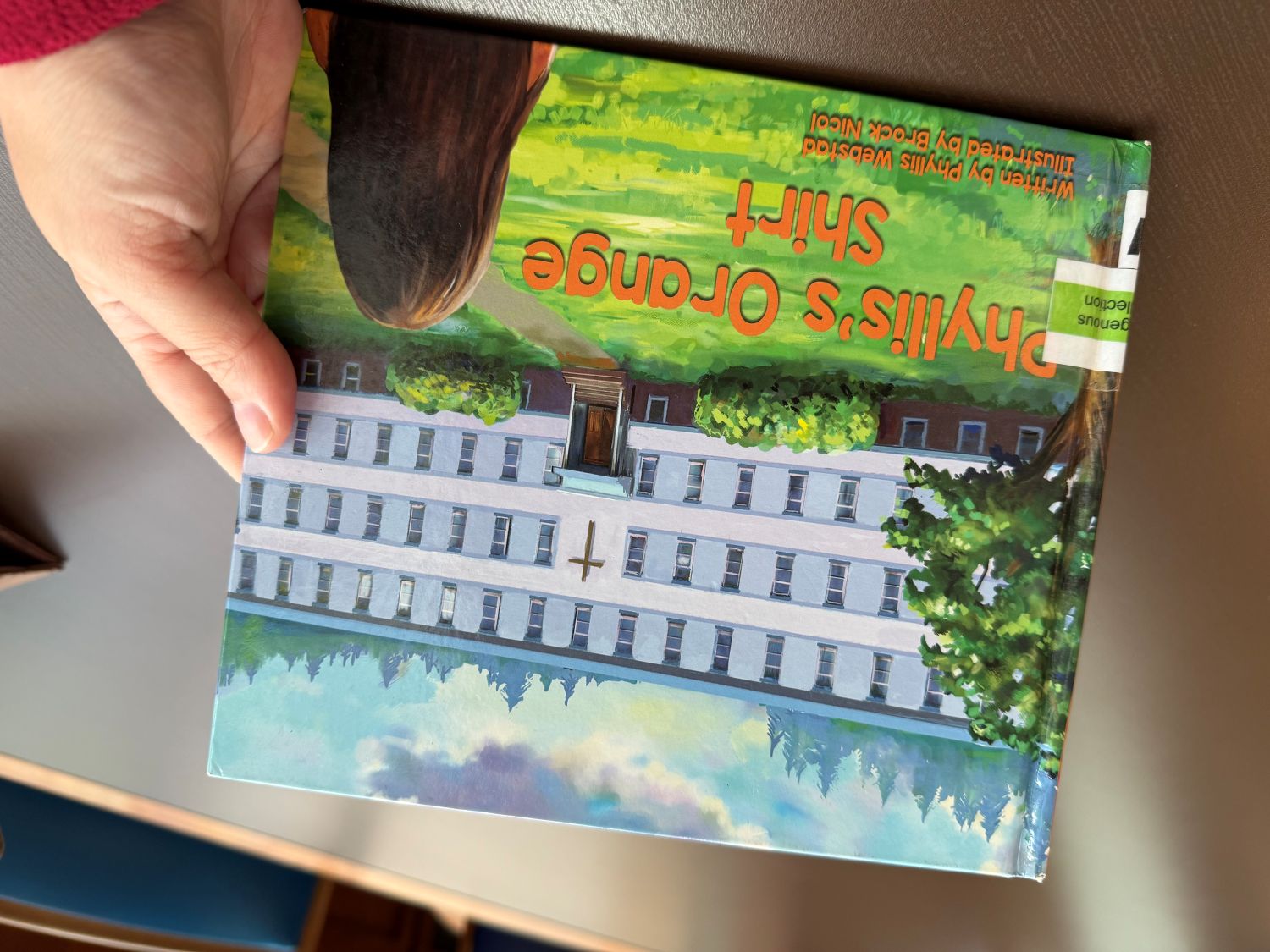
An anonymous participant notes that despite reading widely on Truth and Reconciliation, they prefer to listen, feeling they do not yet know enough to speak.
Creating knowledge together
For Project Manager Lisa Brunner, Postdoctoral Research Fellow at the UBC Centre for Migration Studies, the project’s success came down to trust and intention. Together with Graduate Researcher Claudia Serrano, she worked carefully to reduce possible burdens and make the process supportive and respectful, given the significant time commitment it required of participants. Brunner says she was struck by how eager participants were to share their stories, a response that speaks to the strength of arts-based research and the deep personal resonance of its themes.
Arts-based methods, she notes, open a space for reflection rarely found in daily life. By combining photography and storytelling, participants could express emotions and insights that traditional research methods might overlook.
“I’m deeply grateful to the twenty participants for their vulnerability and I believe their contributions have the potential to spark important reflection and conversation.”
What emerges from the intentional collaboration between researchers, community partners, and newcomers is a mosaic — both literal and symbolic — of Canadian life as newcomers experience it: layered, evolving, hopeful.
“Belonging is reciprocal. It’s not only for the newcomer, but for the community as a whole.”
“When people feel they belong, they participate, they give back, and everyone benefits,” says Bale. Through stories told in words and images, Narratives of Citizenship invites us all to reconsider what it means to belong and reminds us that the citizenship journey stretches long before and after the naturalization ceremony, in the quiet, everyday acts of care, learning, and connection that make a place feel like home.

For Natalia Ruiz, the migration journey was a long, beautiful, winding road.

In this issue of Bridges:
What Happens When You Invite People In
Narratives of Citizenship: Seeing Belonging Through a Newcomer Lens
Listening to Learn in Canada’s Housing Research
AI Takes a Village: How Collaboration is Powering Canada’s Digital Future
Challenge Accepted: Mentorship Beyond the Data
Plus: Fall 2025 Allies in Action