Event Recap: Understanding the Impact of the Arts on Immigrant Integration
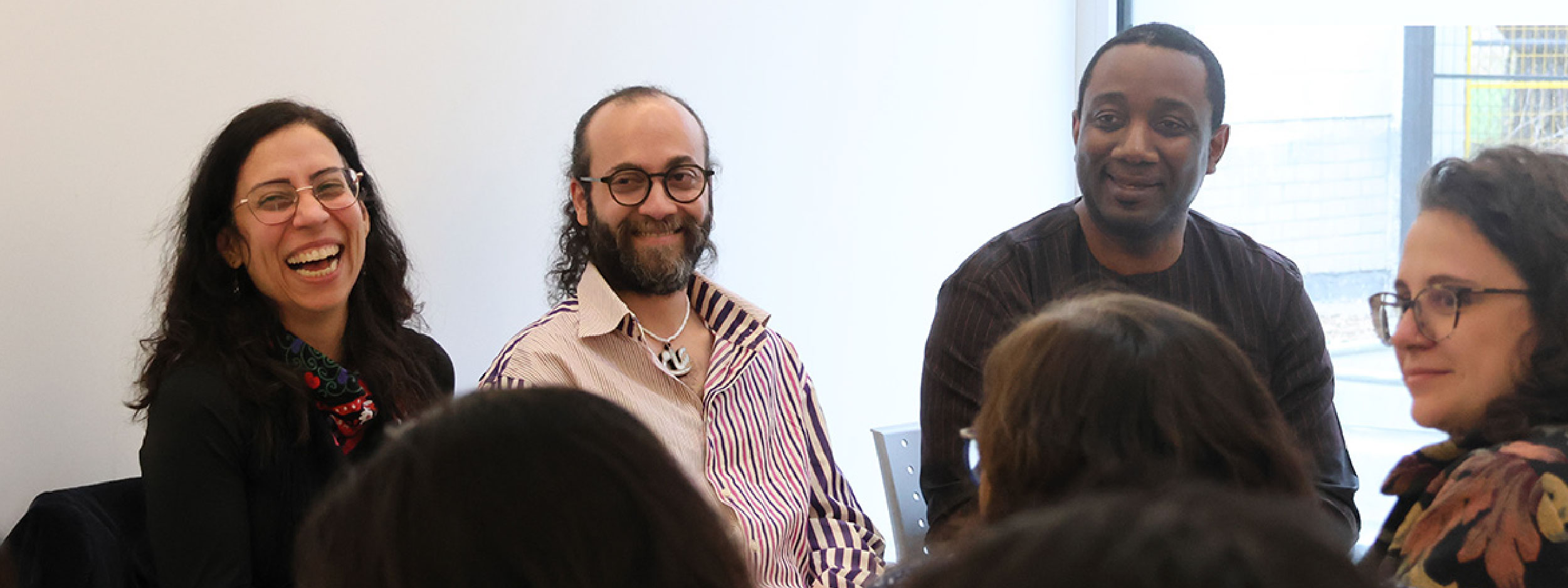
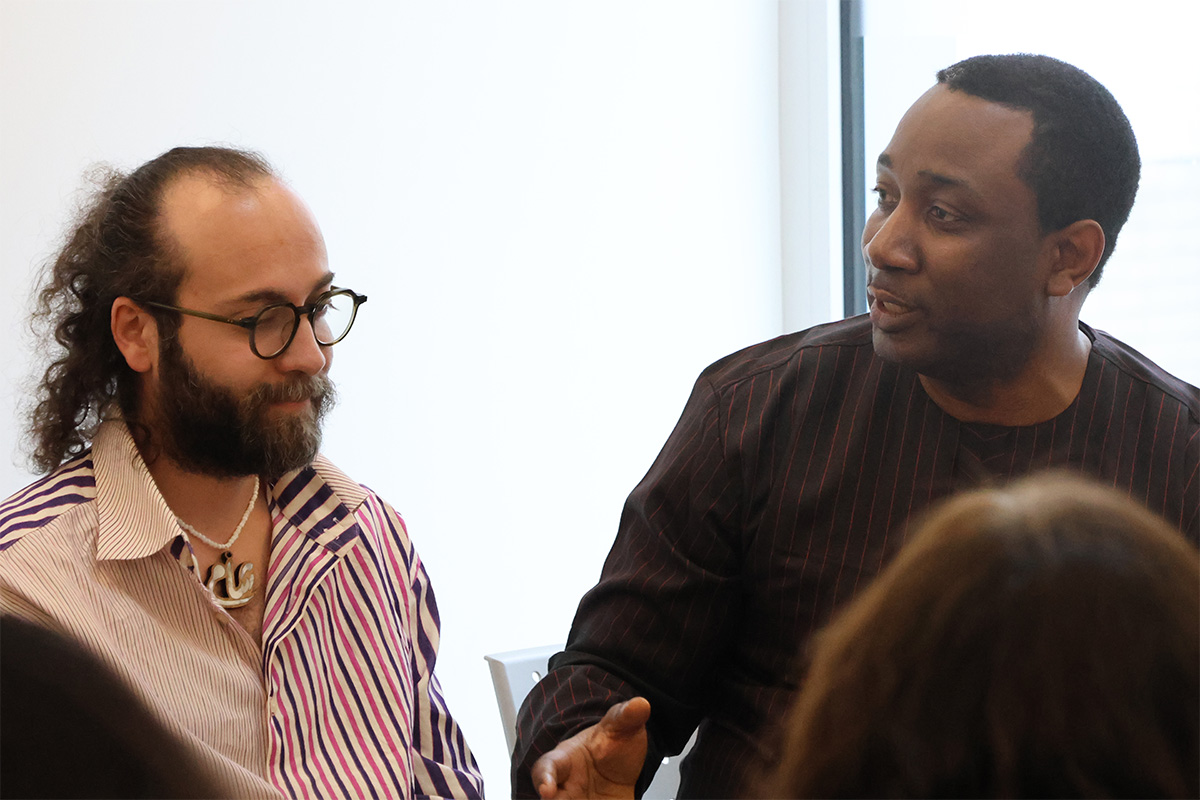
(L-R) Visual artist Aitak Sorahitalab, musician Tarek Ghriri, and filmmaker Ogo Eze.
On April 23, 2025, in partnership with the Toronto Arts Council and Mabelle Arts, CERC Migration hosted a public event to present the outcomes and recommendations of two major community-engaged research projects: Fostering Integration through the Arts (FIT-ART), and Leveraging Community Arts, a partnership with Mabelle Arts examining the Welcome to the Neighbourhood program, funded by Immigration, Refugees, and Citizenship Canada.
The event also marked the public release of the FIT-ART final report and the premiere of two short documentary films showcasing the journey of two newcomer artists in Canada. More than 60 participants from the arts, settlement, research, and policy sectors attended in person and online.
The panel discussion, chaired by Kadija de Paula, Senior Manager, Impact and Evaluation at Toronto Arts Council, brought together researchers and practitioners including Annie Katsura Rollins, Program Manager at Mabelle Arts, Jérémie Molho, Tomée Tzatzanis, Research Assistant at CERC Migration, Alka Kumar, Mitacs Elevate Postdoctoral Fellow at CERC Migration, Karian Chen, Research Assistant at CERC Migration, Asra Khan, Research Assistant at CERC Migration, and Dorian Davidson Research Assistant at CERC Migration.
The conversation explored the challenges faced by newcomer artists and the role of Toronto Arts Council’s Newcomer and Refugee Engagement and Mentorship grants, while Leveraging Community Arts highlighted the transformative impacts of long-term programming in community arts. Both projects emphasized that arts initiatives foster belonging and mental well-being but also support language acquisition, civic participation, and economic inclusion. A key takeaway from this discussion is that arts initiatives foster belonging and mental well-being, while also supporting language acquisition, civic participation, and economic inclusion.
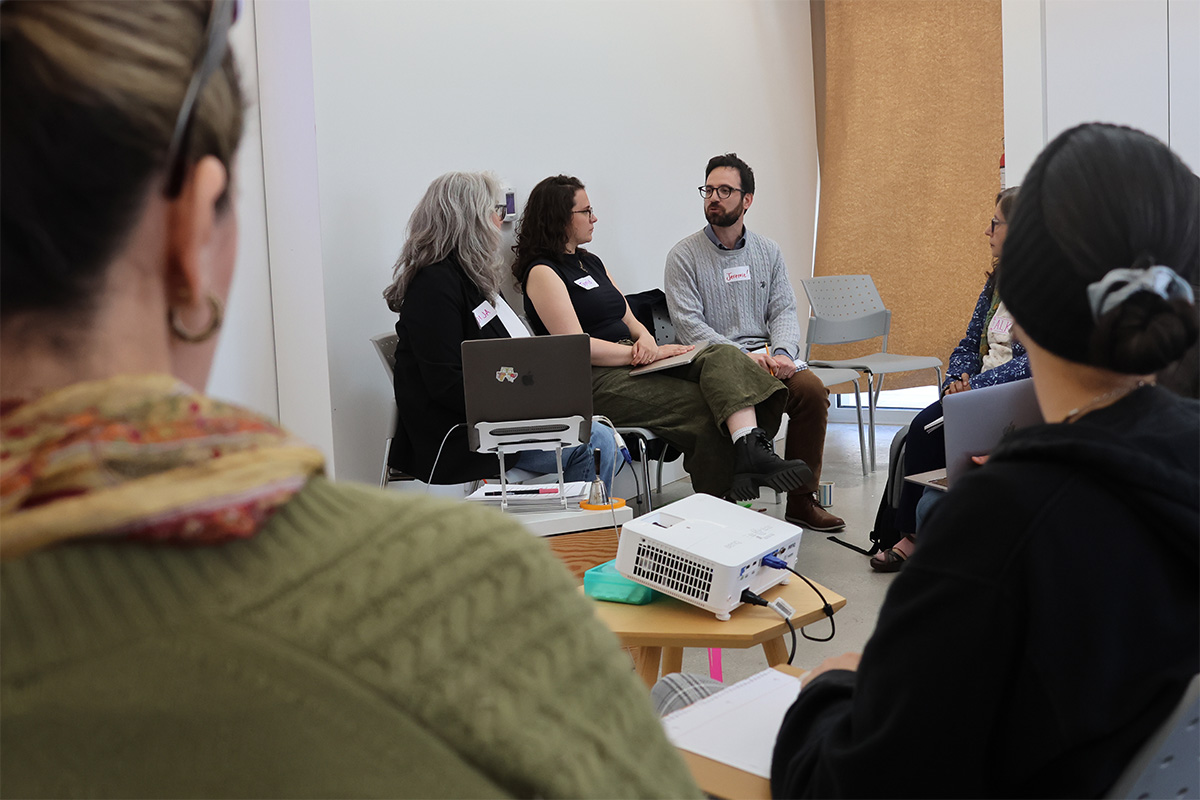
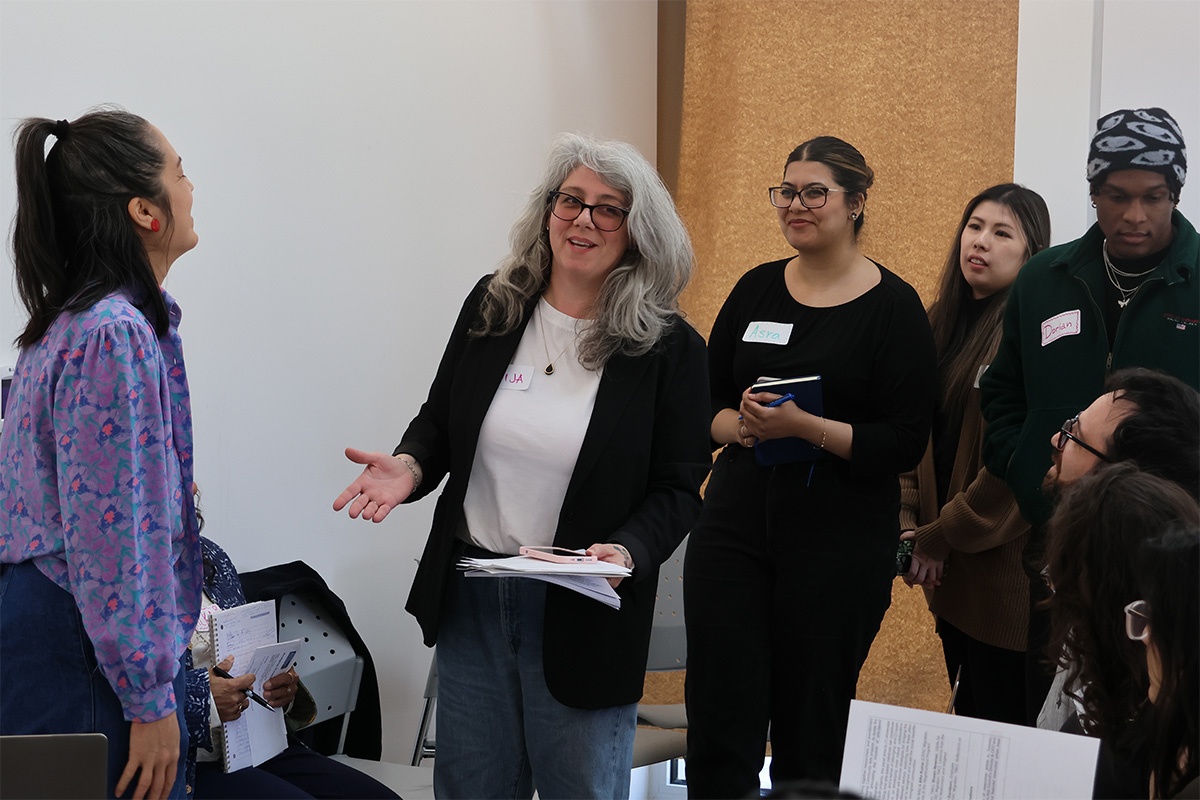
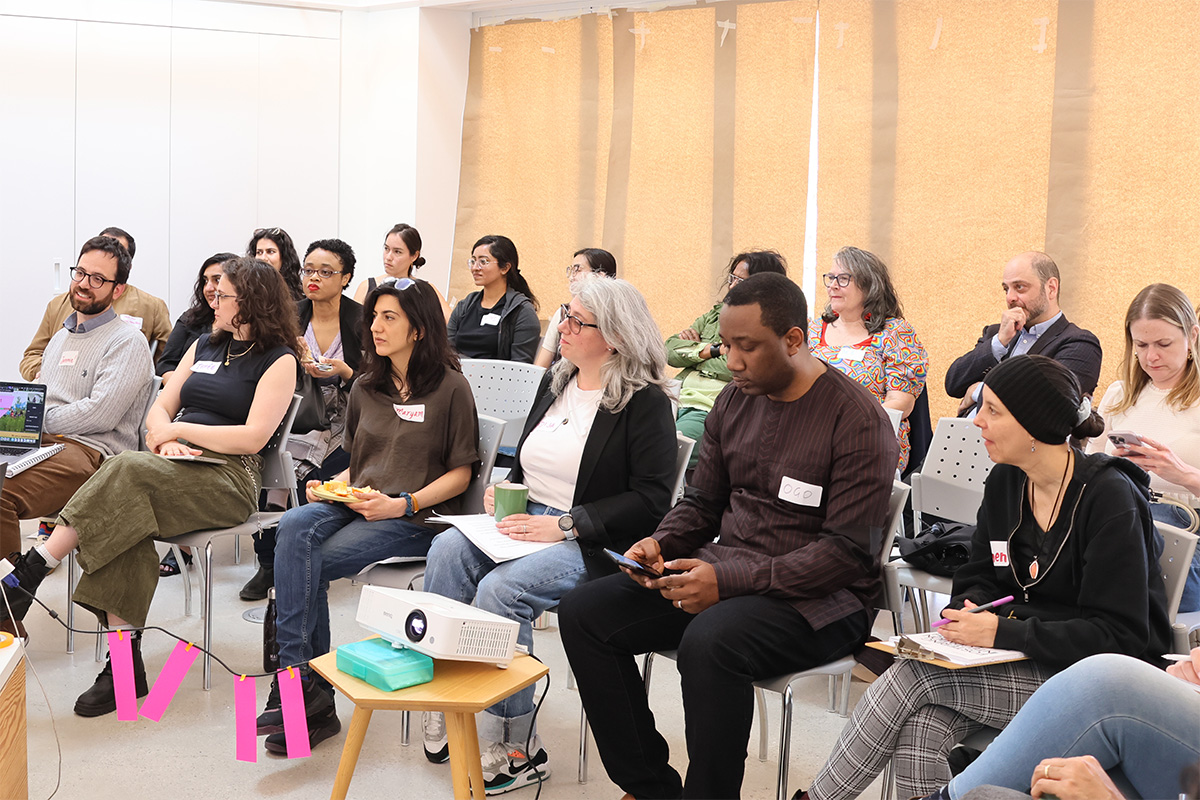
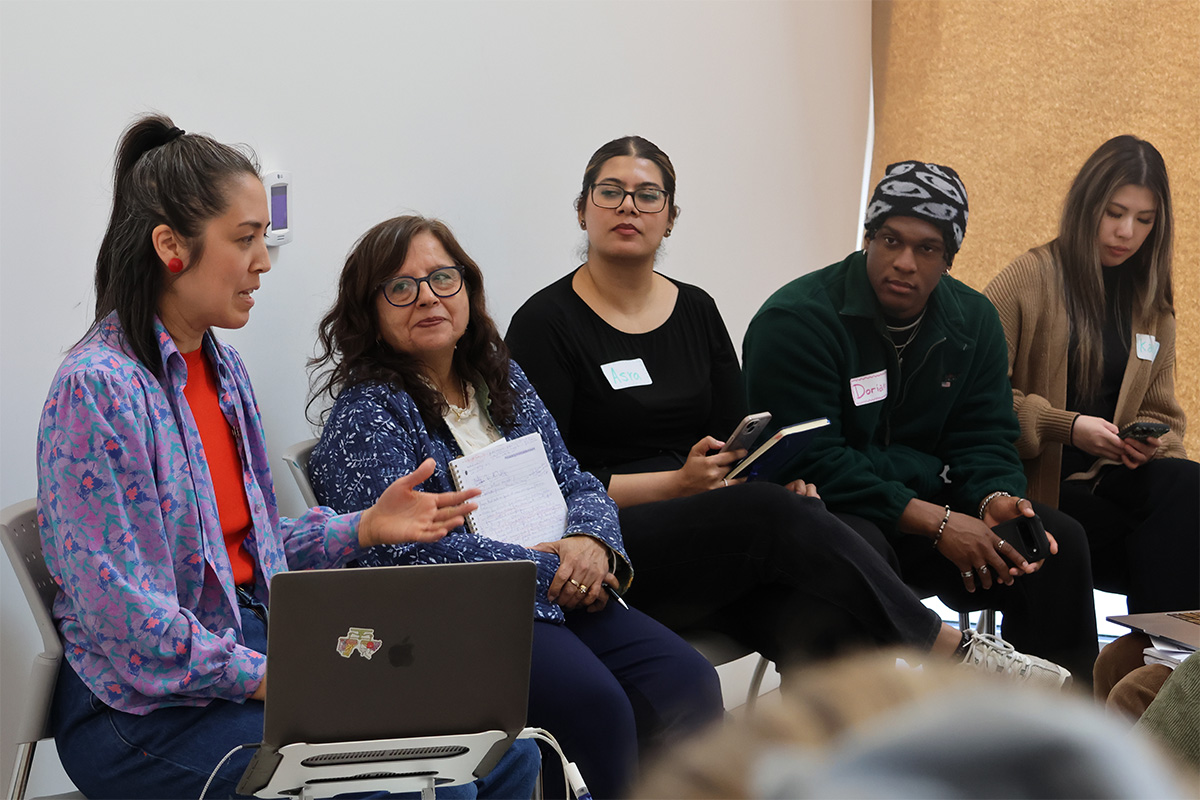
A constant theme throughout the discussion was the challenge of measuring the intangible and long-term impacts of the arts. Panelists and attendees called for new frameworks that combine qualitative insight with longitudinal and hybrid evaluation methods. Student researchers reflected on the personal impact of community arts engagement, recounting how creative practices helped participants reclaim identity and build connection. Additionally, there was a shared call for more stable and sustained funding for community arts projects supporting immigrant integration, and greater coordination between arts funders and settlement organizations. Participants emphasized the need to create durable pathways for newcomer artists into professional and decision-making spaces.
Report
As Canada increasingly attracts immigrants from diverse backgrounds, fostering their inclusion and success within the cultural and creative sectors is critical. While settlement services traditionally focus on essential needs such as housing, employment, and language training, the arts offer a unique avenue for skill development, well-being, and social connection.
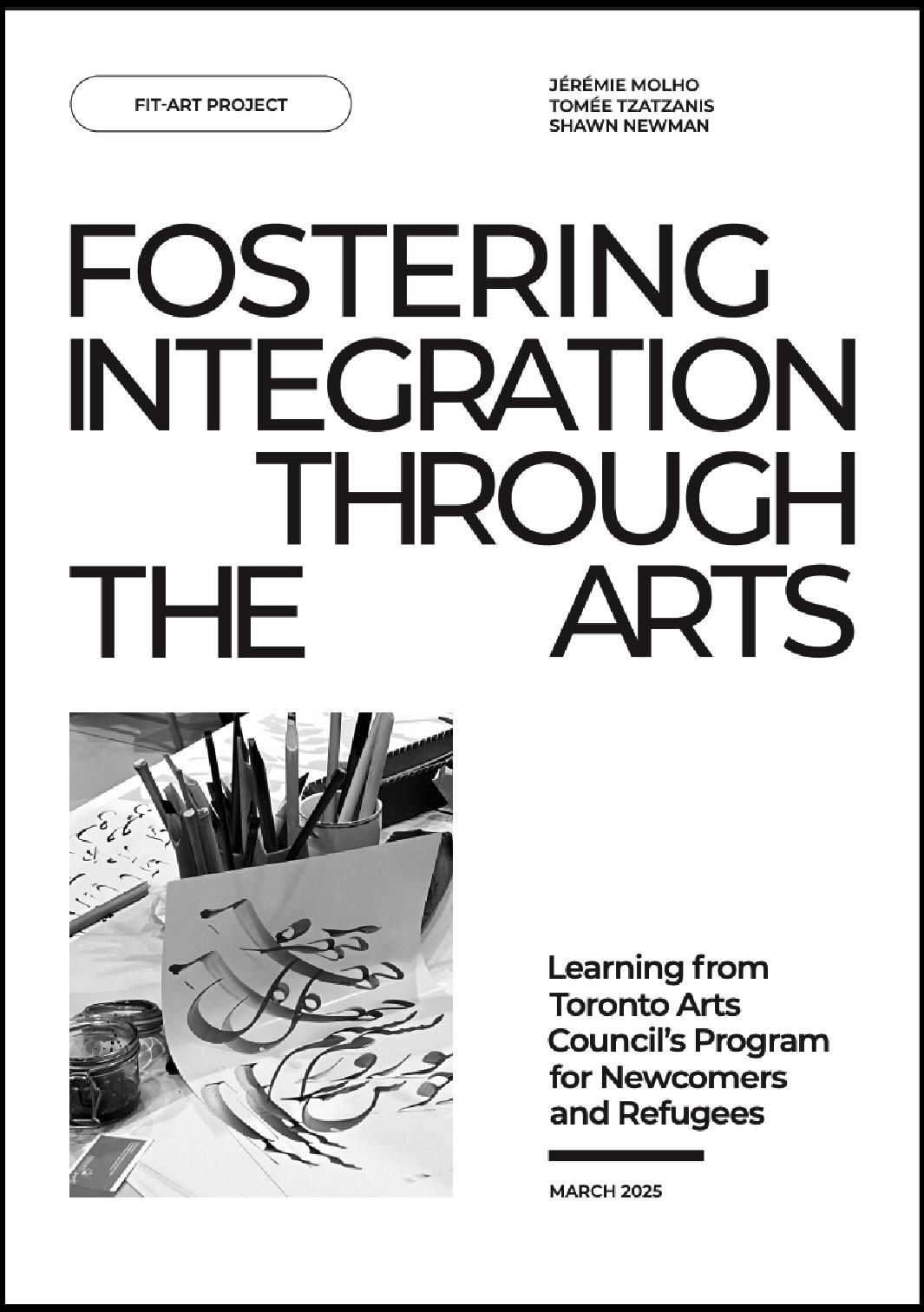
The report explores the role of the arts in the integration and empowerment of newcomers in Toronto, highlighting insights from Toronto Arts Council’s Program for Newcomers and Refugees.
Funded by the Social Sciences and Humanities Research Council, this project was led by Jérémie Molho, Senior Research Associate at CERC Migration, in partnership with Toronto Arts Council.
FIT-ART Film Screening: Clay of Freedom and Strings of Resilience
The event concluded with the premiere of two short films, introduced by Rupal Shah, Director of Policy and Programs at Toronto Arts Council, followed by a conversation with filmmaker Ogo Eze and featured artists Aitak Sorahitalab and Tarek Ghriri.
Ogo Eze spoke about the emotional depth of the creative process, describing the project as a personal source of hope. Both Aitak and Tarek reflected on the persistence required to navigate Canada’s cultural sector, and the need to expand recognition and support for other newcomer artists.
The event affirmed the power of arts-based research and storytelling to deepen understanding, inform policy, and build a more inclusive arts scene.
Clay of Freedom follows Aitak’s journey from Iran to Canada, tracing how clay and community arts became tools of resistance, healing, and advocacy for newcomer artists.
Strings of Resilience tells Tarek’s story as a Palestinian-Syrian musician whose passion for flamenco sustained him through displacement and resettlement, culminating in his work with youth through Music from Hope, and the release of his first album Refugee in the Sea.