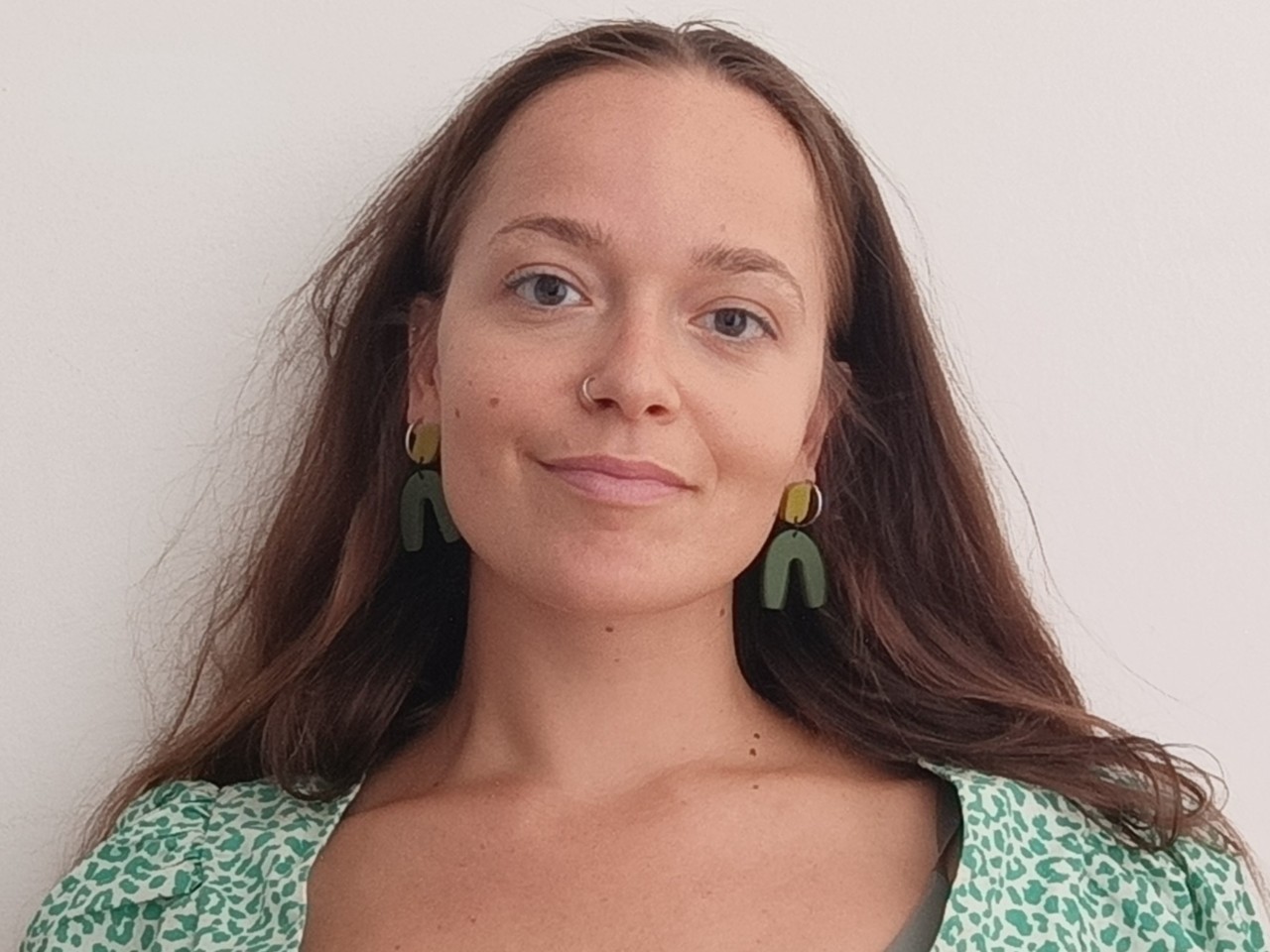
Chiara Gunella
Visiting Toronto Metropolitan University
Winter 2026
Chiara Gunella holds a PhD in Social Anthropology. Her research explored how professionals working with women who experienced sex trafficking respond to emotional needs, cultural misunderstandings and projections. She completed the Erasmus Mundus Master in Migration and Intercultural Relations, where she conducted participatory, feminist art-based research with migrant women in a reception centre, exploring how ties to their country of origin shaped their experiences in the new context. She holds a BA in Anthropology, Religions, and Oriental Civilisations, during which she conducted research on how asylum seekers constructed narratives during interviews with territorial commissions, focusing on cultural and social memories.
Over the past four years, she has contributed to applied research projects including SO-CLOSE (digital storytelling with migrants across generations), Hello Europe (migrant-led initiatives), MILE (local political participation), and Cope and Hope (support for women after sex trafficking). She values research as a space for co-creation and continuous processes of (un)learning.
Research focus while a Bridging Divides Future Leaders Fellow
Titled "Being both here and there: How digital and physical spaces shape migrant sense of belonging" and explored in partnership with Bridging Divides researcher Zhixi Cecilia Zhuang, the research project explores how transnational migrants experience being emotionally present in more than one place at the same time. It examines how memory, care and responsibility are negotiated through everyday practices that involve digital communication and physical movement in the city of Barcelona. The study draws on the concept of Ulysses Syndrome to understand how migrants manage emotional ties, obligations and expectations from both their place of origin and their current place of residence. It will use qualitative methods, including focus groups, walking interviews and participant observation, in spaces such as remittance offices, community centers and religious settings, spaces where digital and physical interactions take place. The research aims to understand how belonging is shaped through ongoing connections and routines across distance, and to create space for reflection through an artistic output developed with participants.

Selected publications
Gunella, C., & Rodrigo, J. (2022). Migration Studies: How Should We Approach Them? Learning Through Participatory Practices. The So-Close Case Study. International Journal of Qualitative Methods, 21. https://doi.org/10.1177/16094069221144504 (external link)