Engineering students participate in conference for social change
FEAS is sending 10 students to the How to Change the World (HTCTW): Canada 2020 Conference, an event that brings students, NGOs, government and corporate partners together to develop interdisciplinary solutions to global challenges. Participants will team up to tackle some of the pressing issues identified in the UN’s Sustainable Development Goals, including access to clean water, CO2 emissions and sustainability of infrastructure. We profiled three engineering students who are gearing up for this challenge and talked about what they are doing to change the world.
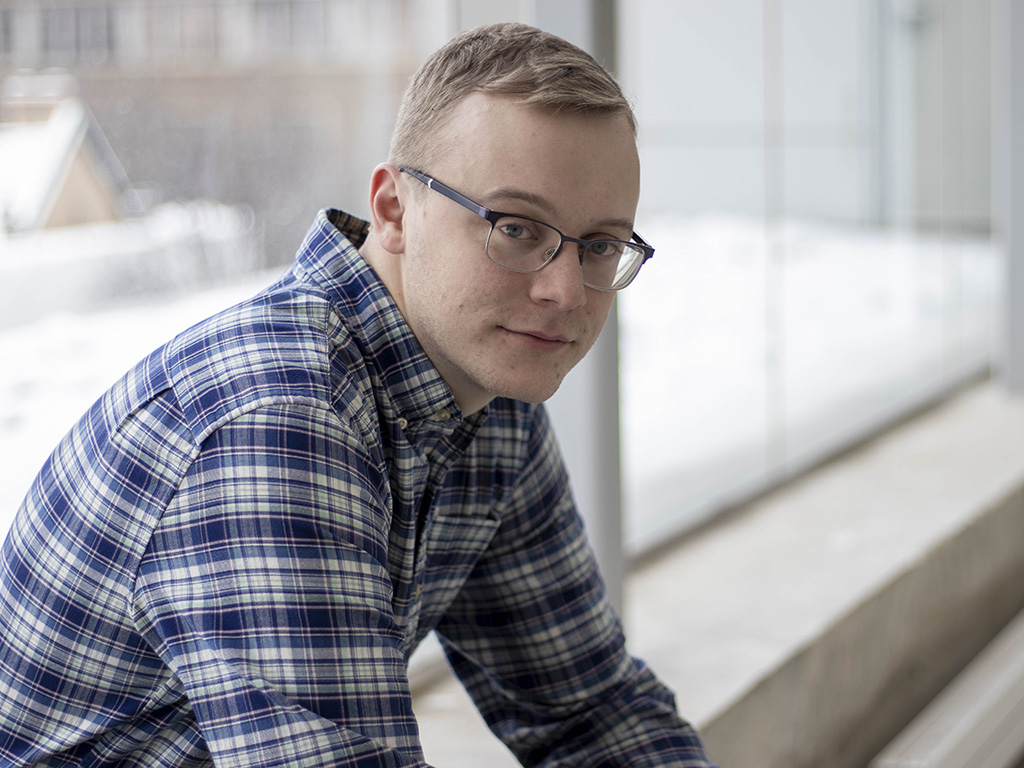
Master of applied science, civil engineering
The HTCTW Conference's interdisciplinary nature is what inspired master of applied science student Devin Hock to get involved. The civil engineering student's graduate work in urban water systems and watershed technology has taught him the value of working across disciplines to create meaningful change. "Environmental issues, especially around water, are hugely complicated. If you just come at it from an engineering perspective, you can have huge unforeseen consequences such as social and ecological impacts that engineers might not be looking for naturally."
Combining his engineering and environmental science skills in an innovative way, Hock hopes to implement beaver relocation and technology inspired by beaver dams to help solve water management issues that crop up as humans encroach on natural watersheds.
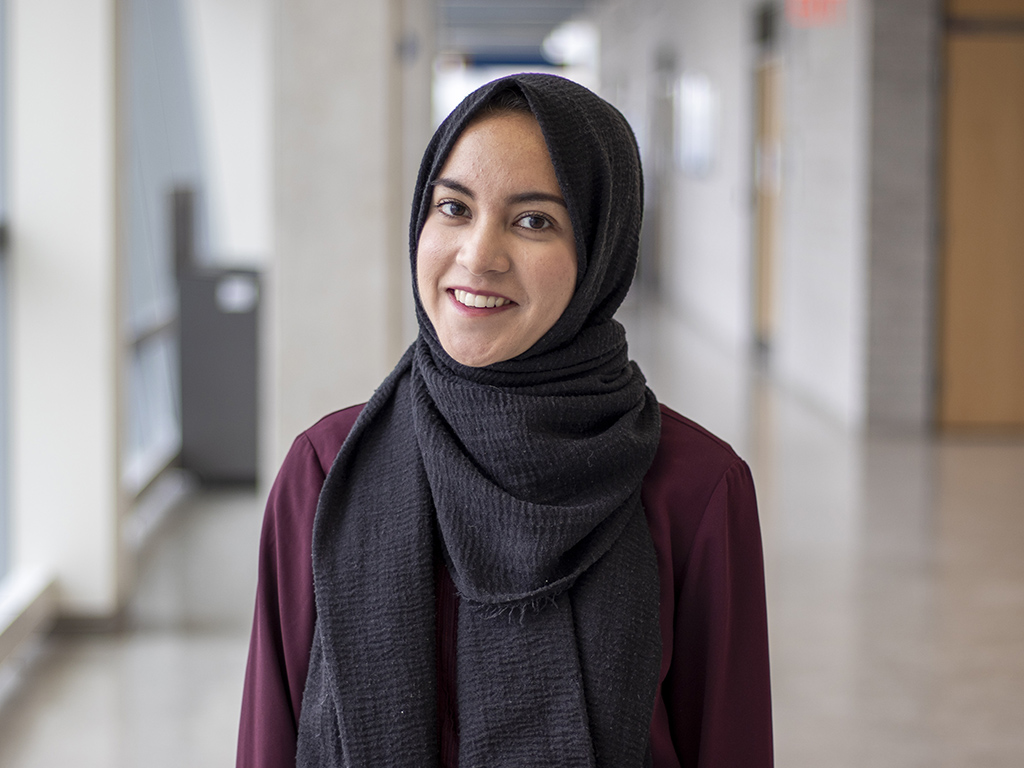
Master of applied science, civil engineering
Taking a proactive approach to urban water infrastructure has been a main focus of Anum Khan's studies and will be a key goal of her work at the HTCTW Conference. While earning her master of applied science in civil engineering, Khan is using machine-learning to better track and detect potential hot-spots for blockages in Toronto's water infrastructure, improve the safety of drinking water and reduce the frequency of contamination events. She is also a program lead for Water for the World (external link, opens in new window) , an initiative through Engineers Without Borders that is working to secure the right to clean water through education, infrastructure and technology.
Khan said she is excited to work closely with public policy students and professionals to combine their skills in an impactful way. "I've learned that having data and numbers helps give legitimacy to large-scale plans for social change. Having a technical side to policy proposals helps hold those in power to account and gets problems solved faster."
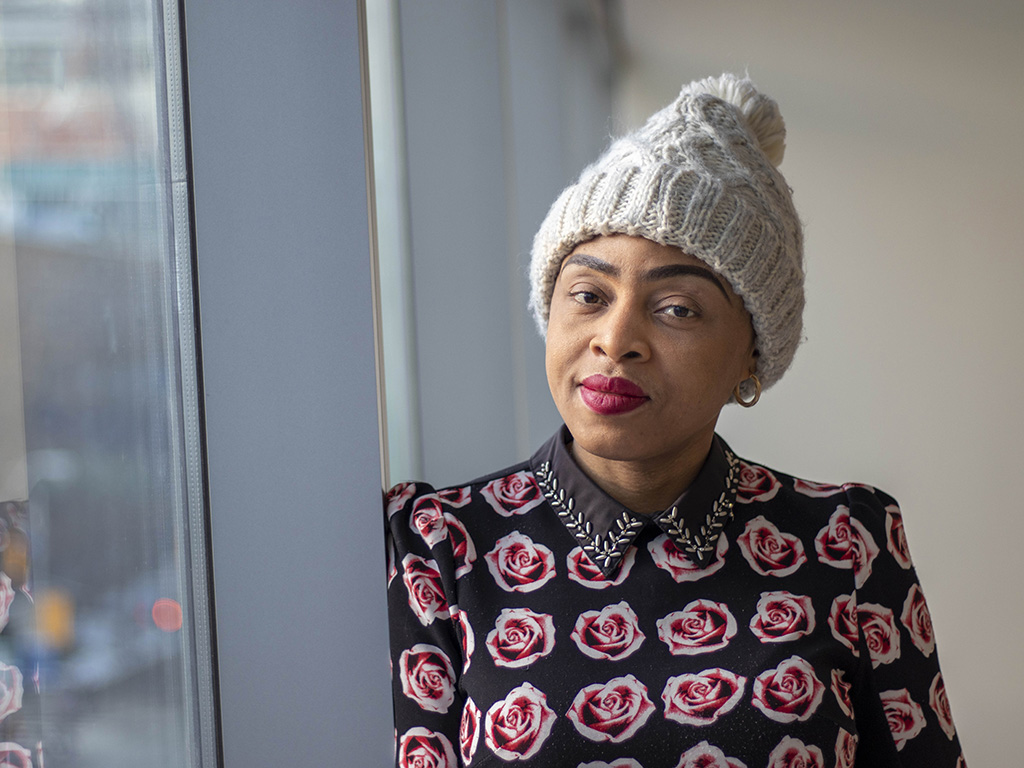
Master of engineering innovation and entrepreneurship
Cynthia Okafor, a master of engineering innovation and entrepreneurship (MEIE) student, said she's excited to bring her passions for engineering, business and social change to HTCTW. Her work in the MEIE program is focused on reducing fossil fuel dependency and solving the issue of unemployment and underemployment for immigrants. "I'm always looking for creative ways to turn a challenge into an opportunity," said Okafor.
At the conference, she hopes to use engineering and technology as drivers of social change while tackling issues of infrastructure and sustainability. Okafor, who's experienced in the business sector and has received an MBA, said she’s excited to collaborate with corporate partners at the HTCTW Conference to highlight how the private sector can be a valuable tool in the pursuit of a more sustainable future.