TMU alumni behind the magic of Milano Cortina 2026
From behind the broadcast desk to the top of the podium of athlete fashion, Toronto Metropolitan University (TMU) alumni are bringing their talent to the world stage at the Milano Cortina 2026 Winter Olympics (external link, opens in new window) . Their work goes far beyond competition venues — it’s in the branding we recognize, the content we share, the stories we follow, and the seamless experiences fans and athletes will remember long after the closing ceremony.
Meet TMU alumni who are helping to shape how the 2026 Winter Olympics look, feel and connect with audiences worldwide.
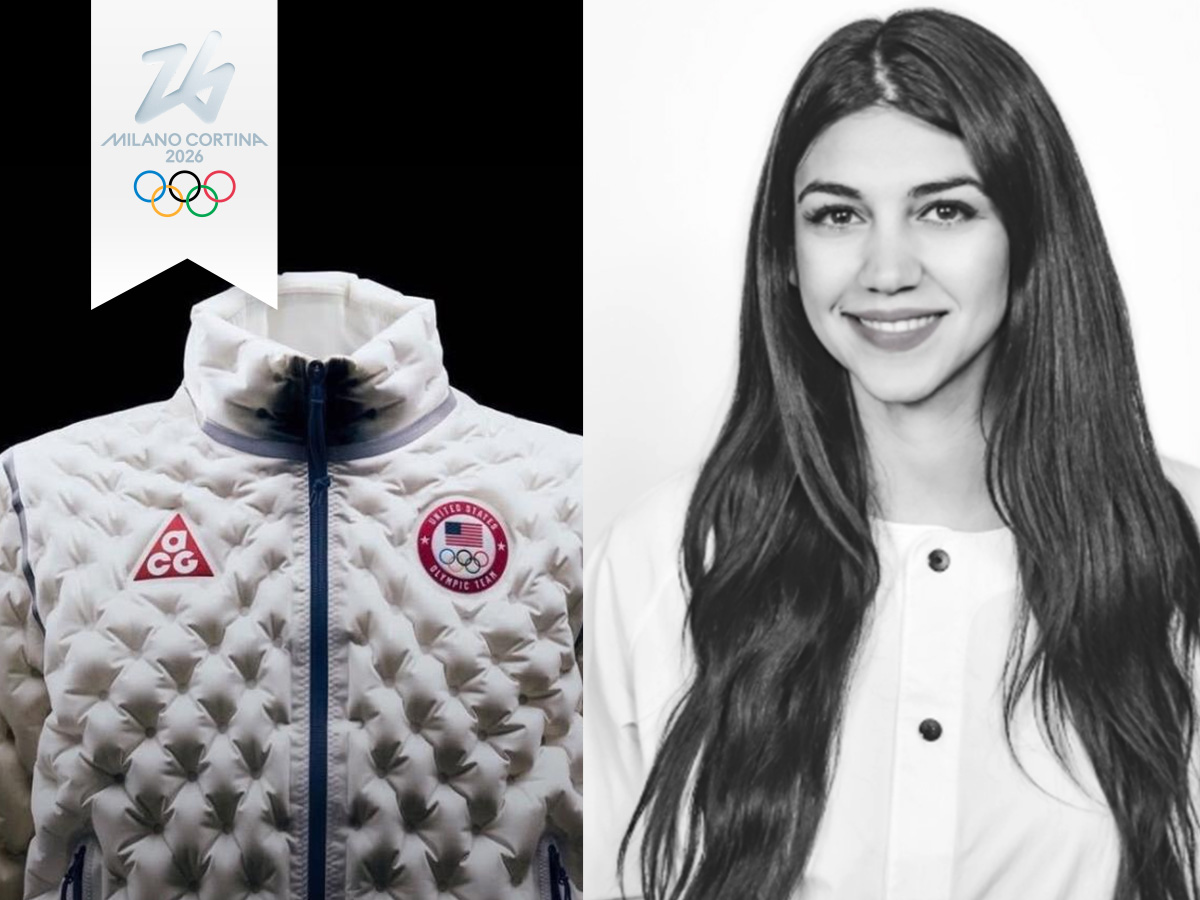
Amie Achtymichuk (external link)
Fashion ’07
Lead Apparel Development Innovator, Nike
How are you involved in the Milano Cortina 2026 Winter Olympics?
I was a key stakeholder on Nike’s Product Creation Innovation team for the development of the Therma-FIT Air Milano Jacket (external link, opens in new window) . My role focused on bringing the original Air concept to life, from early design exploration through construction, manufacturing strategy and the invention of new methods of make. I worked closely across design, engineering and manufacturing partners to translate this innovation idea into a functional performance garment.
What are you most looking forward to during this Olympics?
I love all snow sports, so it’s hard to pick just one. That said, I’m especially excited to experience figure skating in Milan and to attend the Opening Ceremonies. There’s something incredibly powerful about seeing athletic excellence, artistry and national pride all come together on one stage.
How did your education at TMU help prepare you for a role at Nike?
My education in Fashion Design gave me a strong technical foundation that I still rely on today. The hands-on focus on pattern making, digital design, garment construction and body ergonomics directly prepared me to contribute to highly advanced innovation teams at Nike. Those early skills taught me how to think critically about fit, function and the relationship between the body and the garment, especially important in performance apparel.
Representing the school now on a global stage is incredibly meaningful. It’s rewarding to show that the skills and creativity developed at TMU can lead to opportunities on the world’s biggest stages.
You played a key role in developing the Therma-FIT Air Milano Jacket for Team USA. What made this project especially meaningful or challenging compared to other performance apparel you’ve worked on?
This was one of the most challenging and rewarding projects of my career. We were developing a completely new innovation platform for outerwear. It required constant problem solving, creative thinking, and close collaboration across teams to push both design and technology forward. Balancing performance, aesthetics, manufacturability and athlete feedback made it especially meaningful.
Team USA athletes will debut this jacket in Milan as part of their award ceremony look. What does it mean to see your work showcased on such an iconic global stage?
It’s incredibly exciting and humbling. Seeing years of hard work come to life on a global stage and knowing athletes will feel proud and confident wearing something so unique is deeply rewarding. This jacket represents innovation, teamwork and belief in what’s possible, and to see it worn during such a meaningful moment is truly special.
For TMU students and alumni hoping to break into sportswear innovation or work on global events like the Olympics, what advice would you share with students and alumni about building the skills and experiences needed to get here?
Focus on building a strong technical foundation while staying curious and open to learning. Don’t be afraid to start hands-on — understanding construction, materials and fit is critical. Seek out internships, collaborate across disciplines and say yes to challenging projects. Innovation happens when you’re willing to problem solve, take risks and learn from failure.
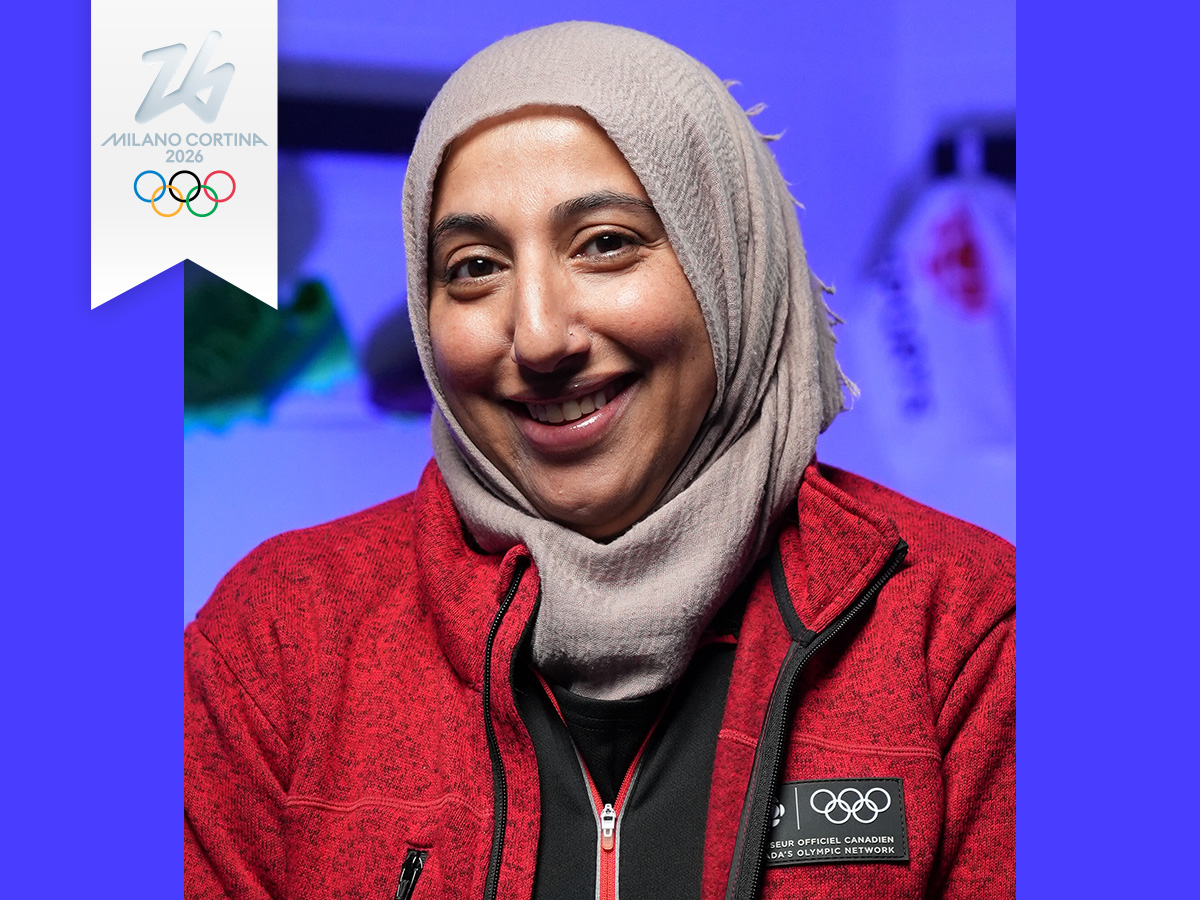
Shireen Ahmed
Media Production (MA) ’21
Senior Contributor for CBC Olympics
In addition to my usual written coverage, I will be in the digital studio for analysis on “hot topics” coming up at the 2026 Milano-Cortina. It has been exhausting but exhilarating. It’s also important to understand that hundreds of people make this convergence happen and are committed to excellence while doing it.
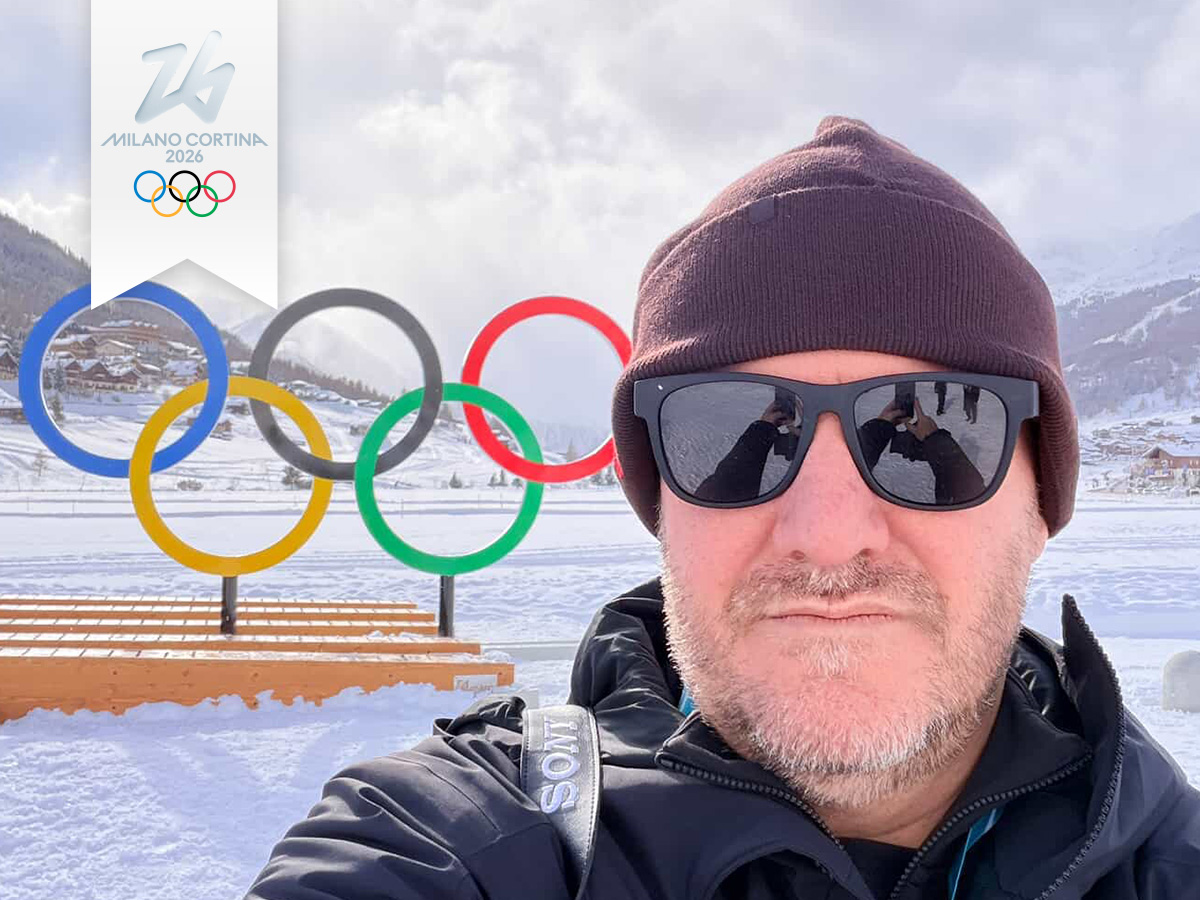
Mark Blinch
Image Arts ’06
Photographer, Canadian Olympic Committee
I’ll be in Livigno, Italy as a photographer for the Canadian Olympic Committee, covering Freestyle Skiing and Snowboarding events.
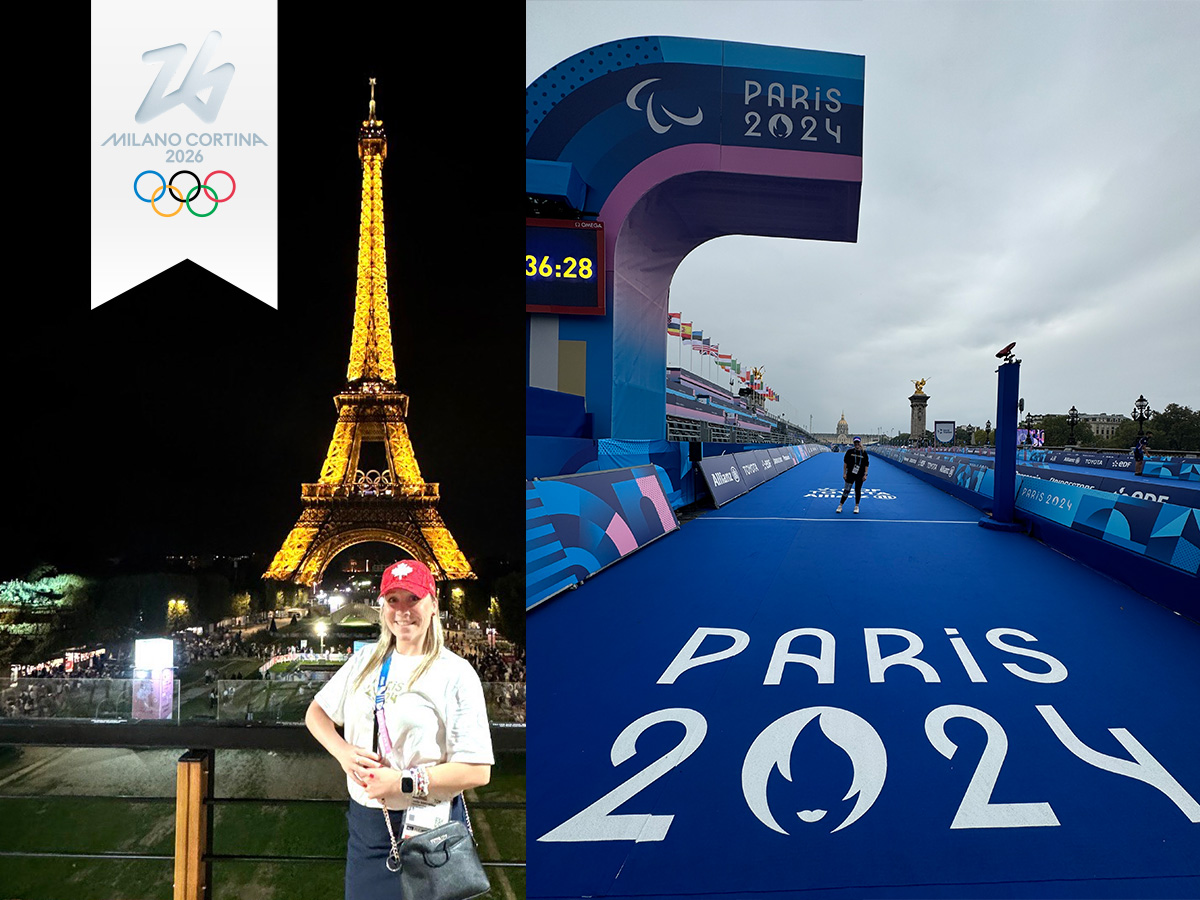
Leslie Bradshaw (external link)
Business Management ’12
Global Olympics Program Director, GMR Marketing
How will you be involved in the Milano Cortina Olympic Games 2026?
I work for a marketing agency that represents the Global Olympic Partnership for an International Olympic Committee (IOC) The Olympic Partners (TOP) partner, and I am charged with the “on the ground” program execution for this sponsor.
What are you most looking forward to during this Olympics?
Women’s Ice Hockey, of course! I also love seeing how each host city brings the Games to life. Every city does it in their own unique way — from Olympic ads at the airport to mascots on the Metro and creative displays in stores. It is a challenging project, but it’s exciting to put years into building something and then get to bring it to life!
You’ve worked across seven Olympic Games — each with its own challenges and context. How has your approach to Olympic marketing and partnerships evolved from your first Games to your most recent?
With each Games, I’ve gained experience that helps me anticipate challenges and handle new ones. The Olympics follow the same playbook, but the creative spirit and local interpretation are so unique to each host city. Understanding the host market and how they operate — from operations, to communications, to execution — is very important. Your work needs to be tailored to that uniqueness. Working closely with your partnership counterparts in the host country gives direct context to the values that need to be woven into the fabric of a successful activation. Sometimes it’s even the small cultural details that matter, like knowing that in Milano, cappuccinos aren’t served after 11 a.m.
How did your education and experiences at TMU help shape the skills that you’ve relied on while working in global sports marketing?
My studies in Marketing Management and International Business was the stepping stone to later specializing in international sports and the Olympic Movement. I was also very involved in TMU Athletics — playing on the women’s hockey team, staffing game days, and eventually supporting marketing and promotions. That’s where I connected my passion for sport with my education and found my career focus.
Fan engagement has changed dramatically over the past decade. How have data, digital platforms and innovation reshaped the way Olympic sponsors connect with global audiences?
It has been very interesting to see how brands have evolved in this space. Brands are using technology to connect fans back home with the Games on the ground. In Paris 2024, many brought content creators on site to capture personalized content for their followers and expand their reach (and sales) back in home markets. You can also see change via new tech partners of the IOC, leveraging new and evolving technology to advance the Olympic Movement and how the Games operate.
What advice would you give to TMU students or alumni hoping to build a career in global sports marketing?
There are so many ways to build a career in sport — pro teams and leagues, of course, but sport federations, national championships, brand partners, agencies, etc. If you’re waiting on the sidelines for the right opportunity, chances are you will get passed by. Broaden your scope and be open to trying different roles to gain experience.
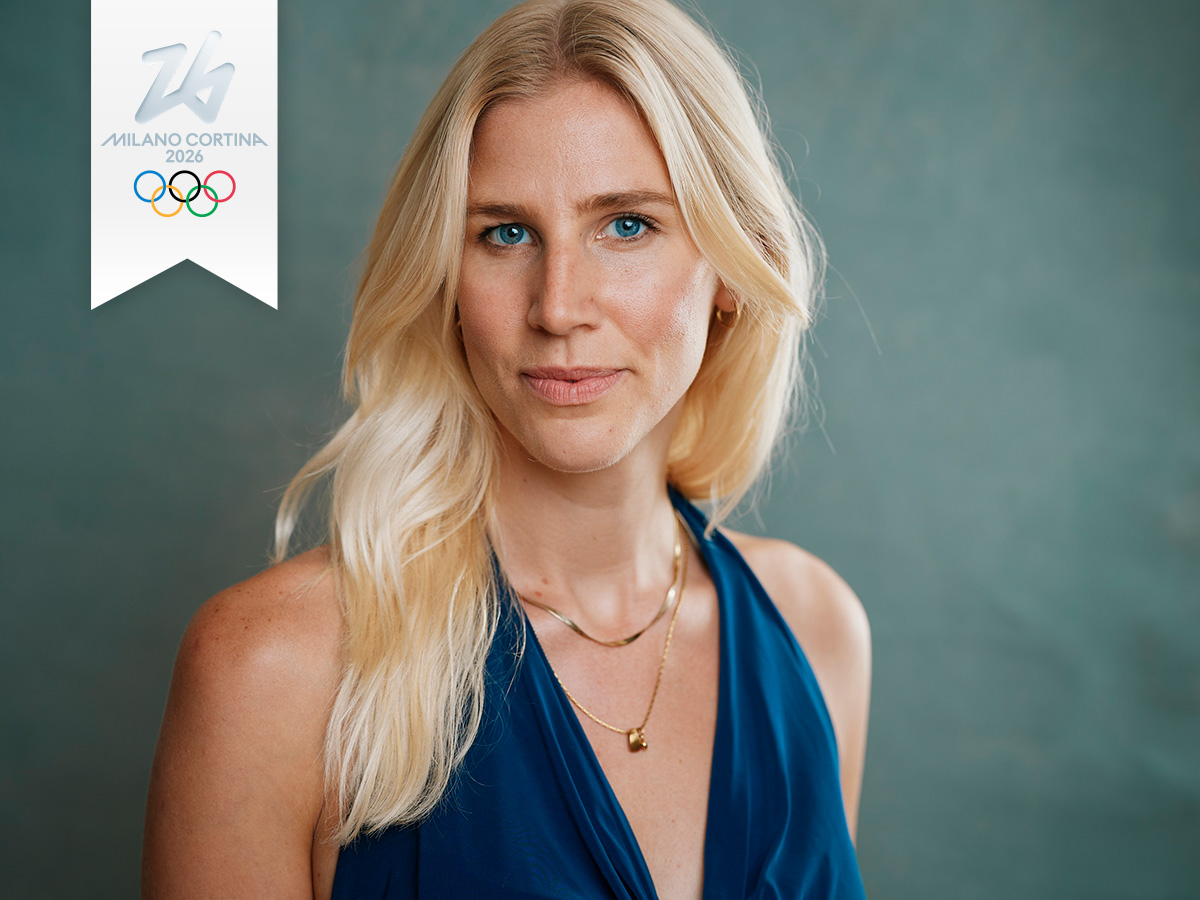
Tara De Boer
Journalism (MA) ’23
Associate Producer
I’m based in Toronto for the Games with my team of producers and editors on the Olympics Today show. We receive footage from the ground in Italy and piece together Air Canada Olympic Winter Games Today with host Ariel Helwani for its nightly 8 p.m. premiere on CBC Gem and Youtube.
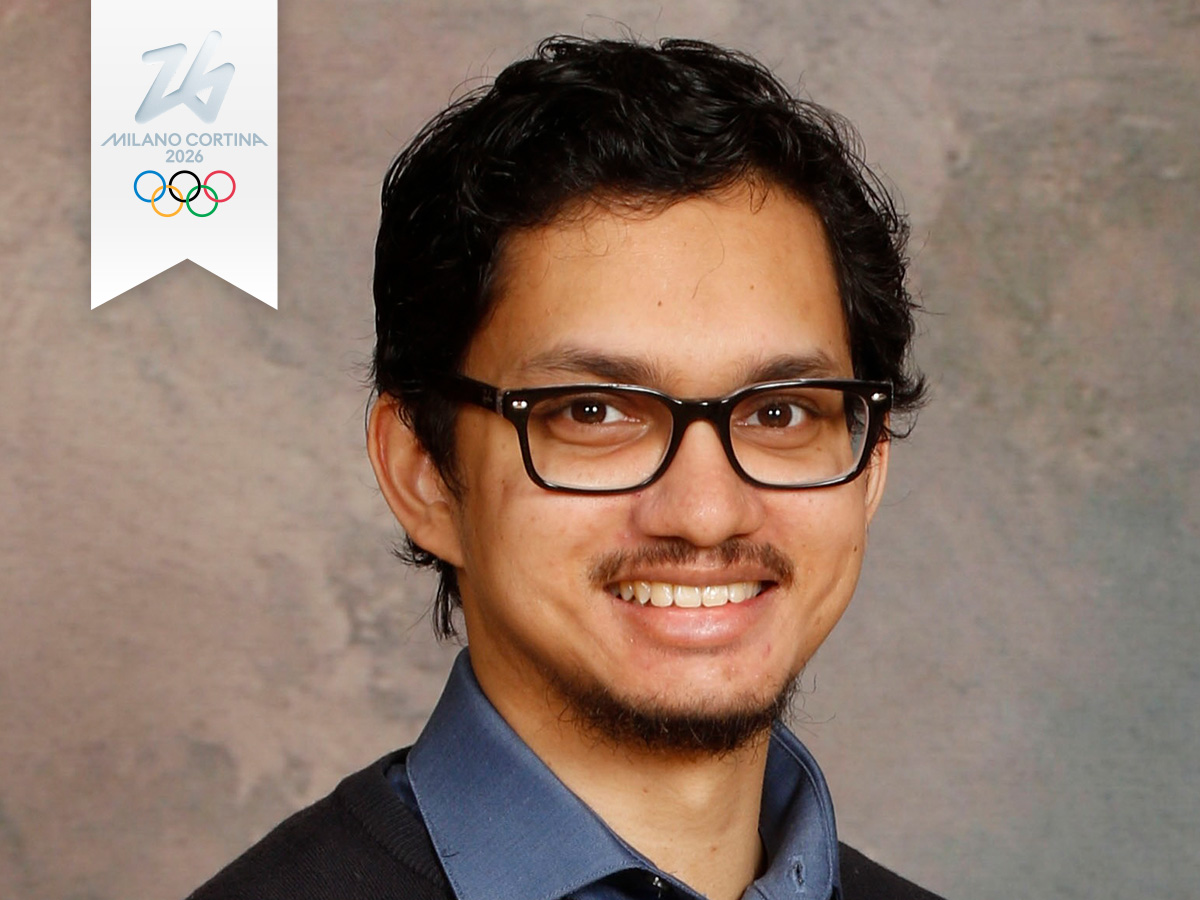
Jacob DeSouza (external link)
Radio and Television Arts ’22
Resource Specialist, CBC Sports
What does your role look like behind the scenes of the Milano Cortina 2026 Olympic Winter Games and why is it so critical to Olympic coverage?
During the Olympics, each event has its own broadcast feed that needs to be brought in and carefully monitored. I’ll be working with our streaming team on quality control to ensure everyone watching online or via CBC Gem can have a seamless experience.
What are you most looking forward to during this Olympics?
The Olympics is an event where everyone — even people who don’t traditionally watch sports — will be watching. I’m looking forward to working with a diverse and talented CBC team to deliver an exceptional experience for all Canadians.
Ice hockey is my favourite sport — I played as a kid and still remember Canada’s Golden Goal at Vancouver 2010. I never imagined I’d work on the Games, so being part of it now feels cathartic and a full-circle moment.
Your career bridges creative storytelling and highly technical broadcast operations. How do those two sides of your skill set complement each other when producing live, high-stakes events like the Olympic Winter Games?
Every broadcast is both storytelling and technical execution. You want to capture moments and deliver them in the best, most efficient way. Technology allows us to innovate beyond what we think is possible. For me, it’s always refreshing to learn new things or mix creativity with technology.
What problem-solving or decision-making skills are most important when managing multiple feeds and platforms in real time?
Communication, multitasking and self-trust are key. The Olympic broadcast team is massive and everyone has an important job to do. You need to understand and relay information while managing multiple tasks in real time. When you’re live on-air, you don’t have lots of time to think. Trusting your abilities can go a long way.
How did your education and experiences at TMU prepare you for the fast-paced, technical demands of working on productions like the Olympic Winter Games?
TMU set me up with the confidence and knowledge to begin my career. I started numerous projects such as MetTV and other broadcasts, which helped me acquire technical skills. Our first year control room simulations encouraged mistakes so we could learn in a safe environment. Later, as the Broadcast Crew Lead at RAMs Live (now Bold Live) helped me learn to communicate effectively and build confidence in being a capable leader.
What advice would you give to current students or TMU alumni interested in following a similar career path?
Having an end goal allows you to focus on what you need to get there instead of chasing many things all at once. If you don’t have one yet, then keep exploring and trying things. It can be very hard to break into the media industry, especially with the current economy. Determination is just as important as talent.
A career in media comes with challenges, personalities, stress and sacrifices, but the people who succeed are the ones who keep pushing forward no matter what happens. They say it’s not for the faint of heart and I stand by that.
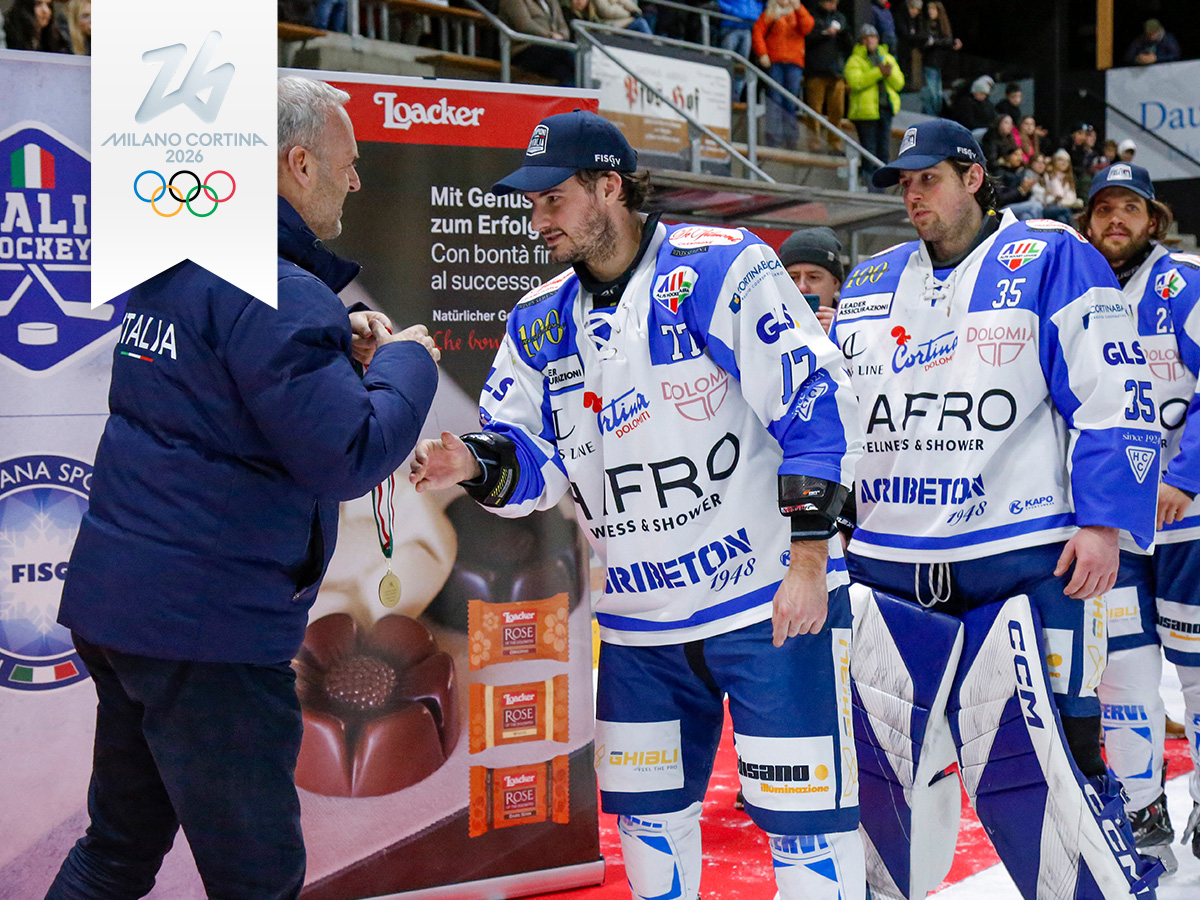
Greg DiTomaso
Business Management (MBA) ’22
Olympic Athlete, Team Italy — Men’s Hockey
I will be representing Italy in men’s hockey during the Milano Cortina 2026 Winter Olympics.
Aaron Dutra
Sport Media ’21
Producer, CBC Sports Digital Studio
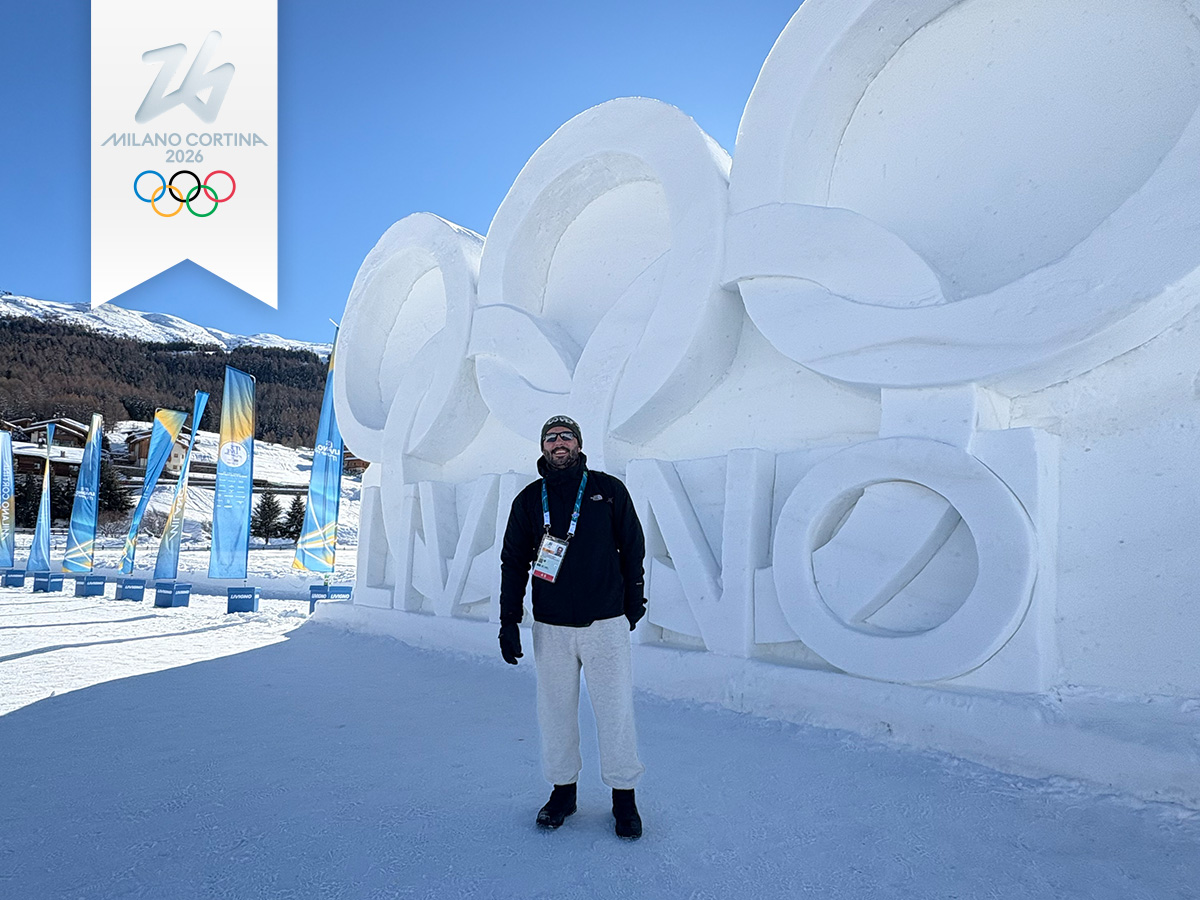
I’ll be in Livigno, Italy, producing CBC’s Air Canada Olympics Today hosted by Ariel Helwani, where our show will highlight athlete stories and take Olympic fans behind the scenes of a day at Milano Cortina 2026. The show airs nightly on CBC Gem and YouTube at 8pm ET.
Ailish Forfar
Sport Media ’20
Hockey Reporter, Sportsnet
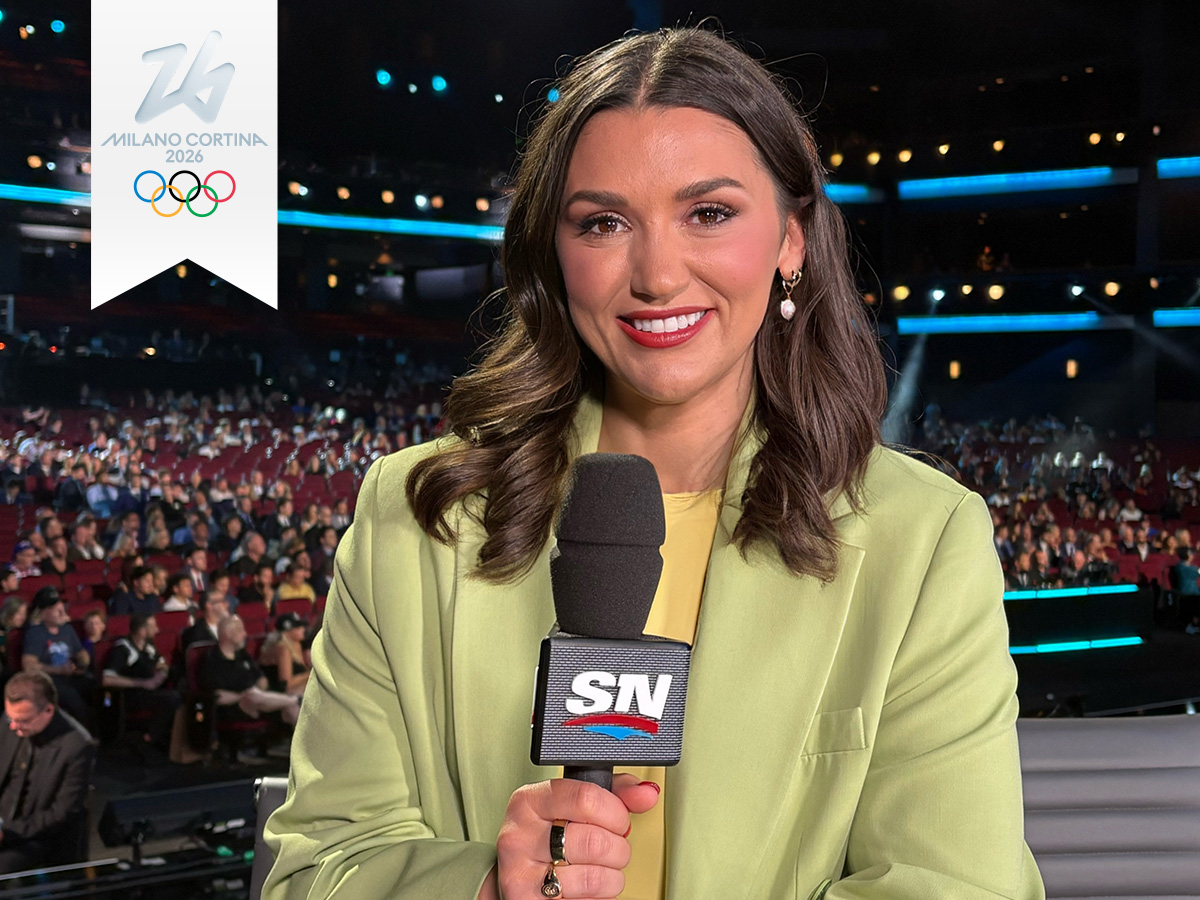
I will be hosting my daily TV show on Sportsnet from Toronto throughout the first half of the Olympics, and then will be stationed in Milan during the Men’s and Women’s Hockey Medal rounds.
Mercedes Gaztambide (external link)
Journalism ’22
Content Producer, CBC Sports
What are you most looking forward to during this Olympics?
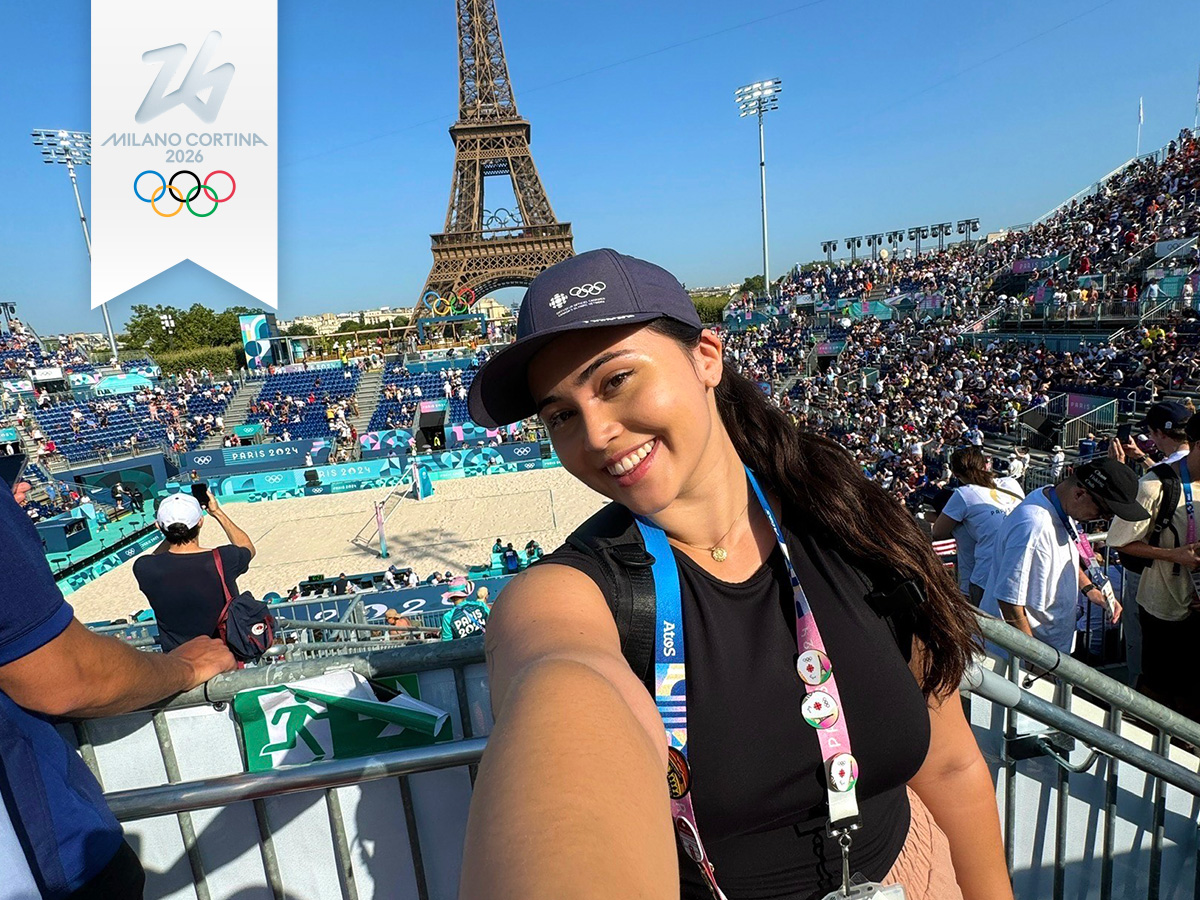
I’ll be based in Livigno, where freestyle skiing and snowboarding events are held — which I’m very excited to see. If I have the opportunity to go to another venue — I’d love to go to Milan to see figure skating. I think it’s one of the most impressive and magical sports in the world.
Producing at the Games gives me a break from my usual on-camera work. One of the most fun and fulfilling aspects of the games is documenting my own experiences (external link, opens in new window) and I’m excited to do it again in Italy.
You’re heading to your second Olympic Games with CBC Sports. How does returning to the Olympics build on what you learned in Paris, and what are you most excited to do differently this time around?
In Paris, I spent a lot of energy figuring out how to do my role well and build confidence in the sports journalism world, since it’s not traditionally my beat. I second guessed my instincts, but content creation and media production are my strengths and being surrounded by experts is the quickest way to learn and to be inspired. I’ve been immersed in Winter Olympics content and research since I landed back in Toronto in 2024.
You’ve built a career around short-form storytelling — from blogTO to Street Cents to the Olympics. How has working in digital-first spaces shaped the way you think about journalism and audience connection?
As many do, I often viewed social media as being a lower form of content. While I don’t believe that all content is journalism — I do think that all journalism is content — and my work in digital first spaces taught me how to respond directly to audience feedback, opinions, and reactions. The comment sections on TikTok, Instagram and Youtube are invaluable learning opportunities, even on their worst days. It’s a direct way for people to tell you what they think in a space where they’re encouraged to do so.
Your time at TMU’s School of Journalism helped launch your on-camera and reporting career. How did your education prepare you to balance creativity, accuracy and speed in fast-moving news and live-event environments?
So many skills I practiced in school — like interacting with strangers, gathering names and hyper-specific details, fact-checking, researching and writing quickly — are almost identical to what I use now in the field. My first day in the newsroom felt just like a story day. Tight deadlines, which were stressful in school, have become a regular expectation at work. I’m glad to have been exposed to it early.
For TMU students and alumni hoping to work in digital media, journalism or social content at major global events, what advice would you give about building a career that’s both creative and impactful?
Go after experiences that align with your passions, even if they feel far away. Unexpected experiences open when you express what you want to do to others in the industry. My successes have been a result of me sharing my goals and visions, and saying “yes” when opportunities came along. Stay focused on your next steps, knowing when to pause and enjoy, and when to throw all of your energy into finding the next rock to jump to. It’ll get you across the pond in no time.
Alanna Golloher
Media Production ’17
Olympic Marketing Lead, CBC Sports
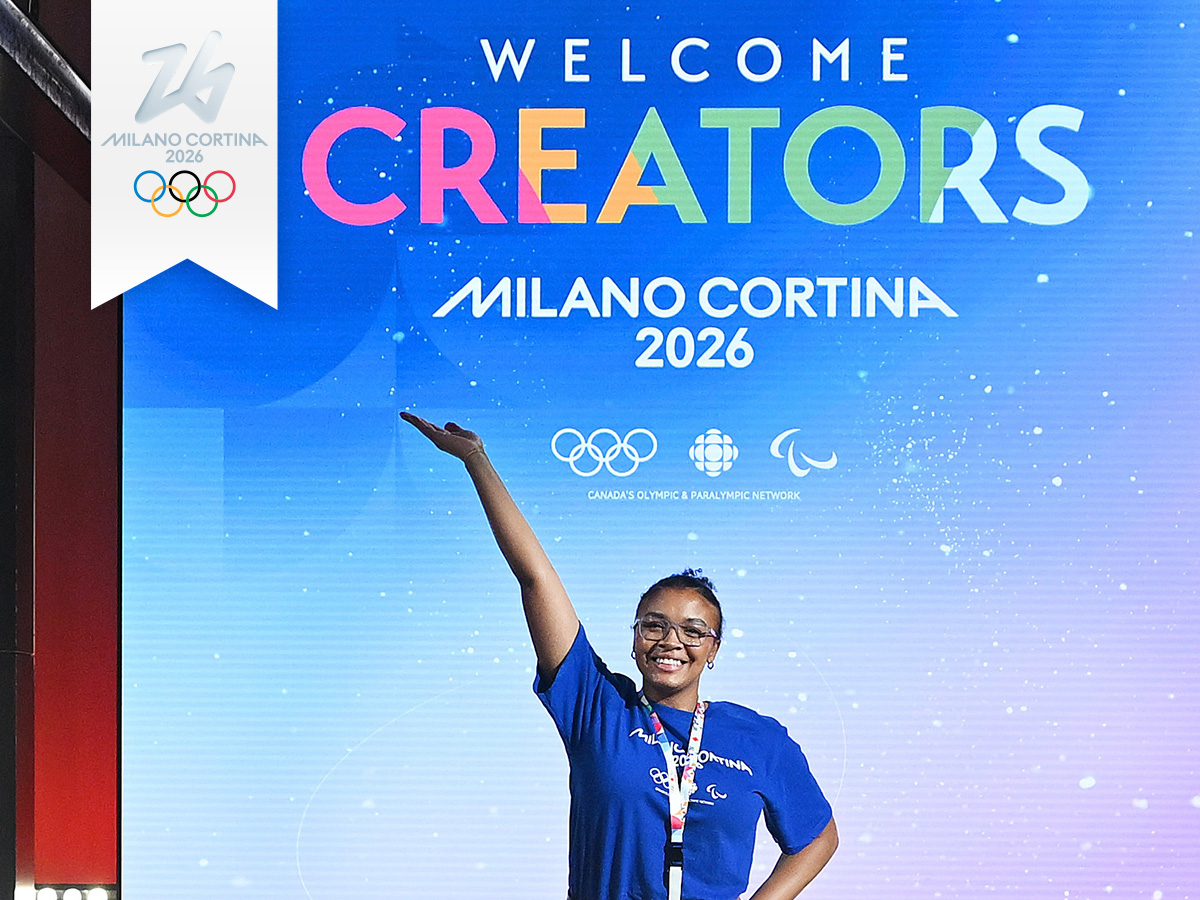
I’ll be leading CBC’s Olympic and Paralympic marketing, delivering integrated campaigns across digital, linear and live events.
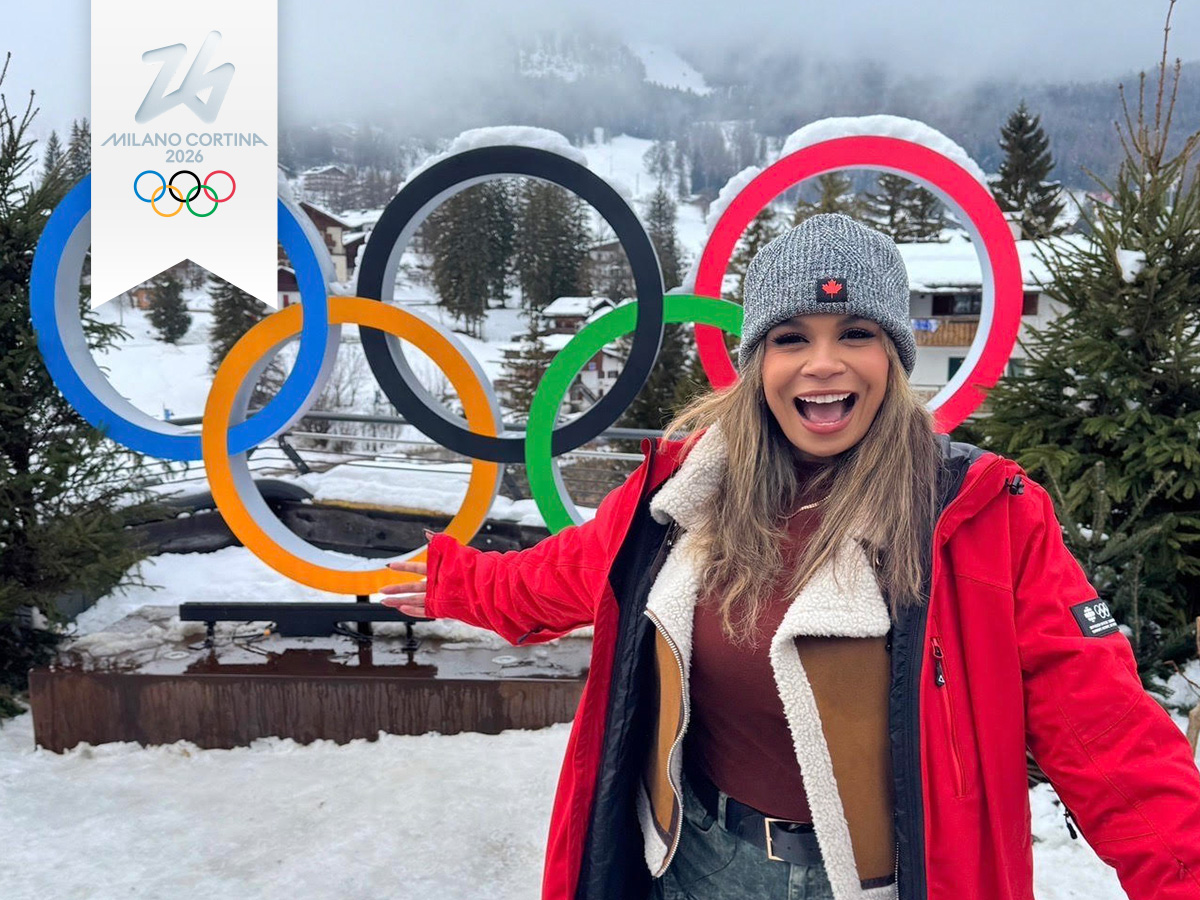
Savanna Hamilton
Sport Media ’18
On Air Host and Producer, CBC Sports
I’ll be in Cortina, hosting on air and producing social, digital and broadcast coverage of the Winter Olympic Games for CBC Olympics.
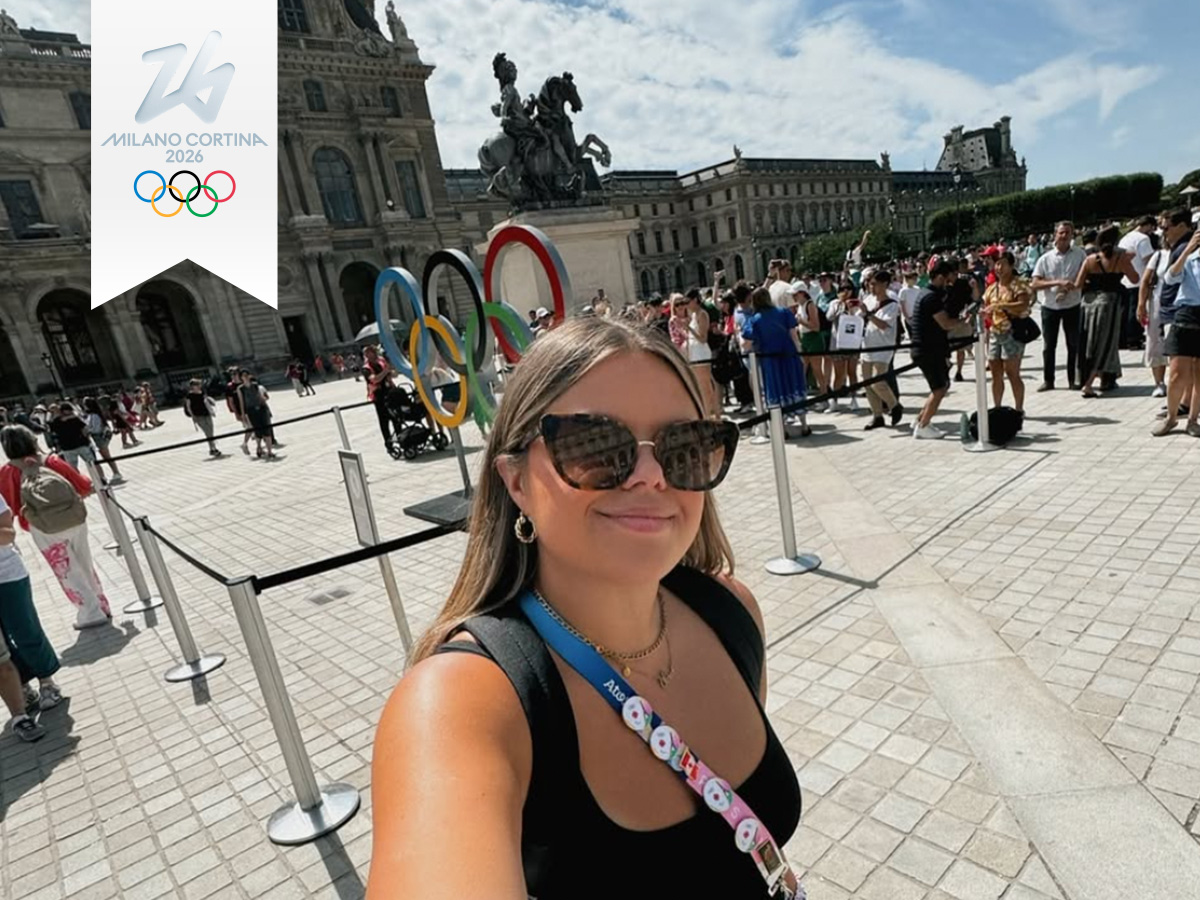
Sarah Jenkins
Sport Media ’18
Consulting Producer — Creator & Talent Content
I’ll be based in Toronto and working with talent and creators to produce original digital content covering the games. This is my sixth Olympic games!
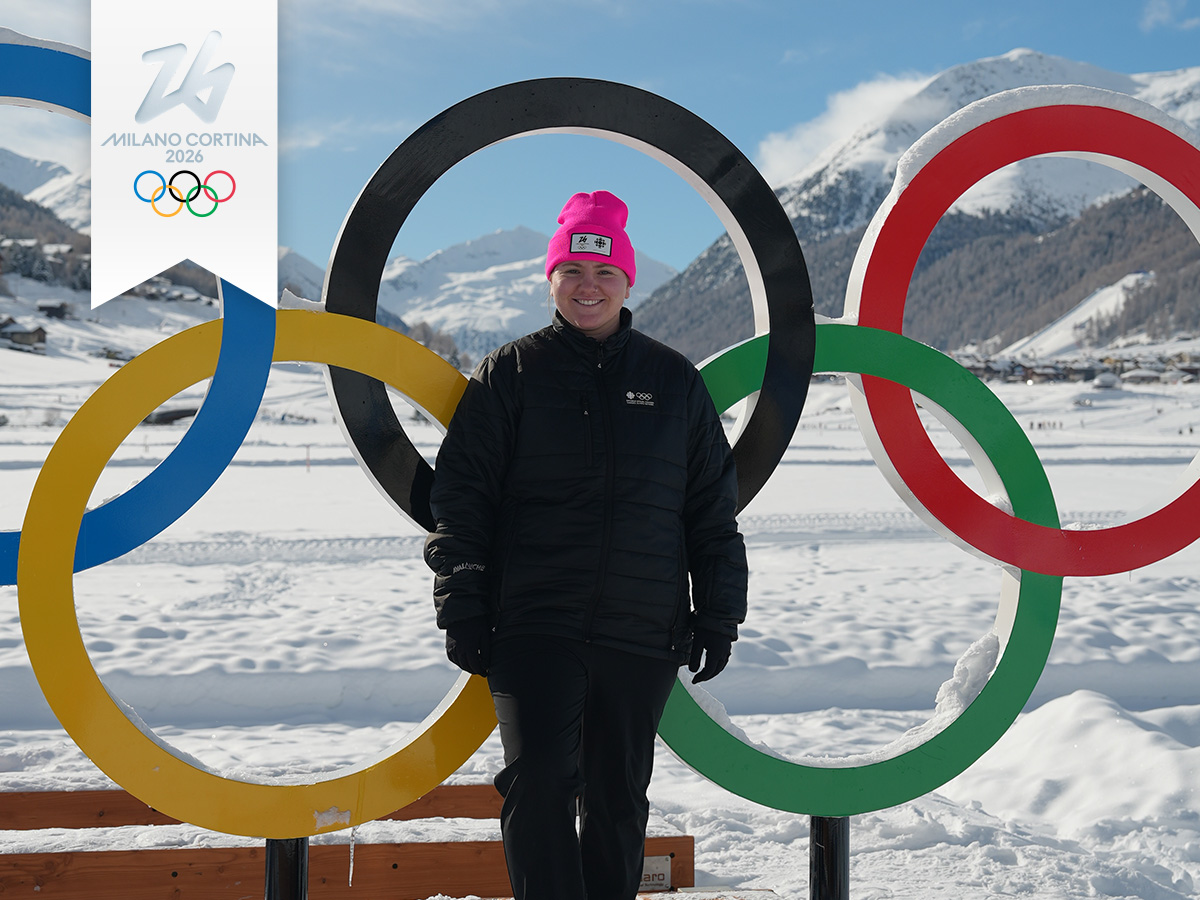
Camryn Kern
Sport Media ’20
Videographer, CBC Sports Digital Studio
I’ll be in Livigno, Italy, filming CBC’s Air Canada Olympics Today hosted by Ariel Helwani, capturing all the moments from athlete interviews to hosted content.
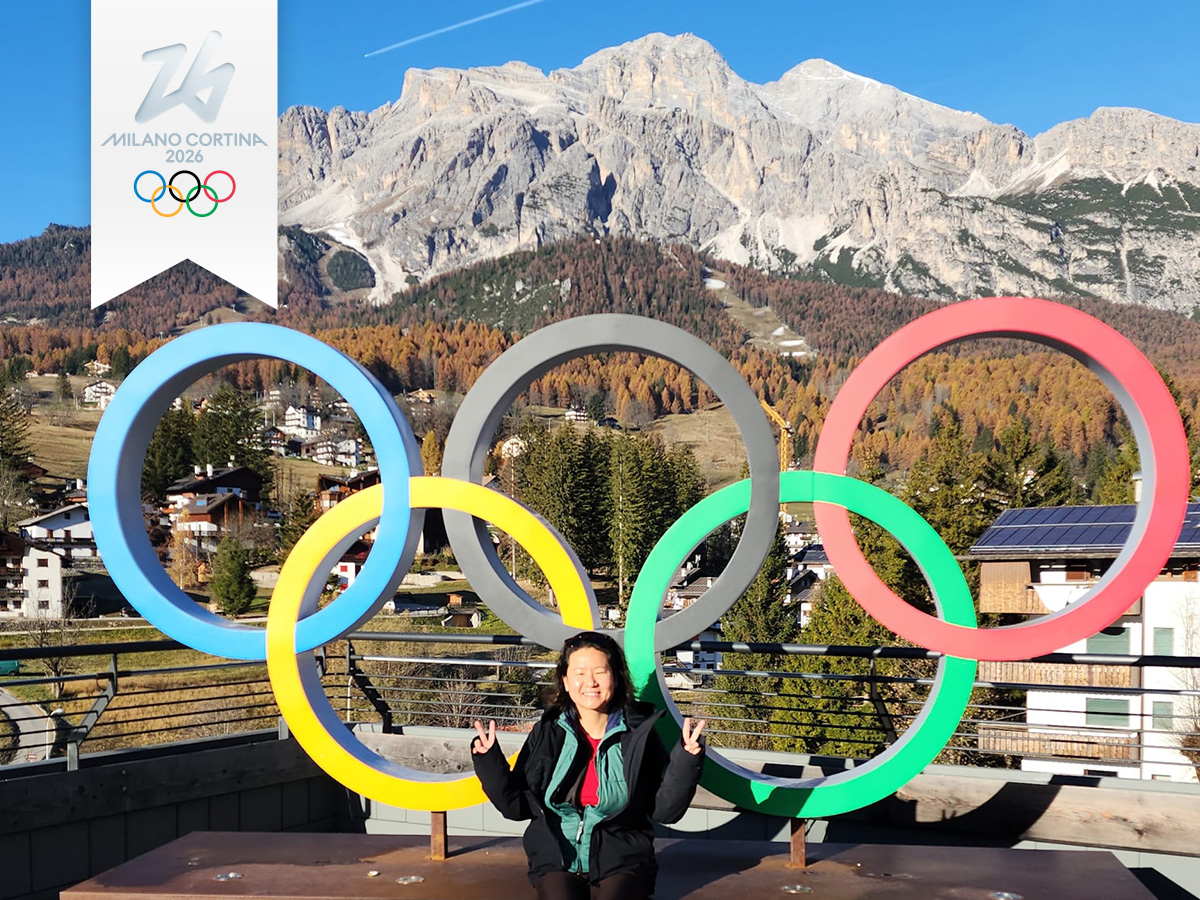
Paula Kim (external link)
Journalism ’01
Broadcast Services Manager, Milano Cortina 2026 Olympic Winter Games
Fondazione Milano Cortina 2026
What are you most looking forward to during this Olympics?
I’m most looking forward to seeing all my Games friends — we’re scattered around the world, so when we all come together in the same city, it’s always very special. At the Winter Olympics, my favourite sport to watch is snowboarding and of course, hockey — especially when Canada’s in the gold medal game.
What does your role involve behind the scenes to ensure the world sees the Games seamlessly unfold?
I support the Host Broadcaster and Media Rightsholders (MRHs) with services they need to produce live coverage of the Games. International broadcasters have complex set-ups, so we help support things like accreditation, visas, accommodation, transportation, food services, customs and logistics. We’re here to help them make their planning and operations run smoothly so they can focus on broadcasting the Games to audiences around the world.
With experience across everything from the Olympic Games to the FIFA World Cup, what core skills did you learn as a TMU student that have been essential to succeeding in such high-pressure, fast-moving environments?
The School of Journalism taught me that strong storytelling drives broadcast coverage. If a crew requests special access, like filming athlete arrivals in a venue, we should do our best to facilitate it because it helps tell the Olympic story. I also learned the importance of deadlines — in school, missing one often meant failing the assignment. At the Games, deadlines are strict. The Opening Ceremony happens on February 6 and we have to be ready.
How have changes in production, distribution and audience expectations influenced the way major events are covered?
Technology has made sports more intimate and immersive, from athlete mics to POV drones that bring fans closer to the experience, improve analysis and explain events to audiences. And it’s possible to do so much more remotely too. Some big broadcasters now have smaller on-site presences because so much can be done from home studios. COVID contributed to that shift, and once broadcasters saw it worked — and saved money — many didn’t go back.
Is there an Olympic moment from your career that stands out as especially meaningful or memorable?
It’s hard to top my first Olympic experience: the Opening Ceremony of the Beijing 2008 Olympic Games. It was the most spectacular show I had ever seen in my life and nothing since has matched it. The perfectly synchronized drummers were magical. If people saw it today, they would think it was AI, but it was real and special to see it live. I’ll never forget that night.
What advice would you share about building a career that spans both national networks and global mega-events?
Global major events are very competitive, so get as much hands-on experience as possible — even volunteering or working smaller events. The fundamentals are the same; the Olympics are just bigger and more polished. Nothing beats on-the-ground experience, operating, delivering, collaborating with your team. Have a good attitude and be a team player. You can always teach someone how to do something but you can’t teach someone to have a good attitude or a positive approach.
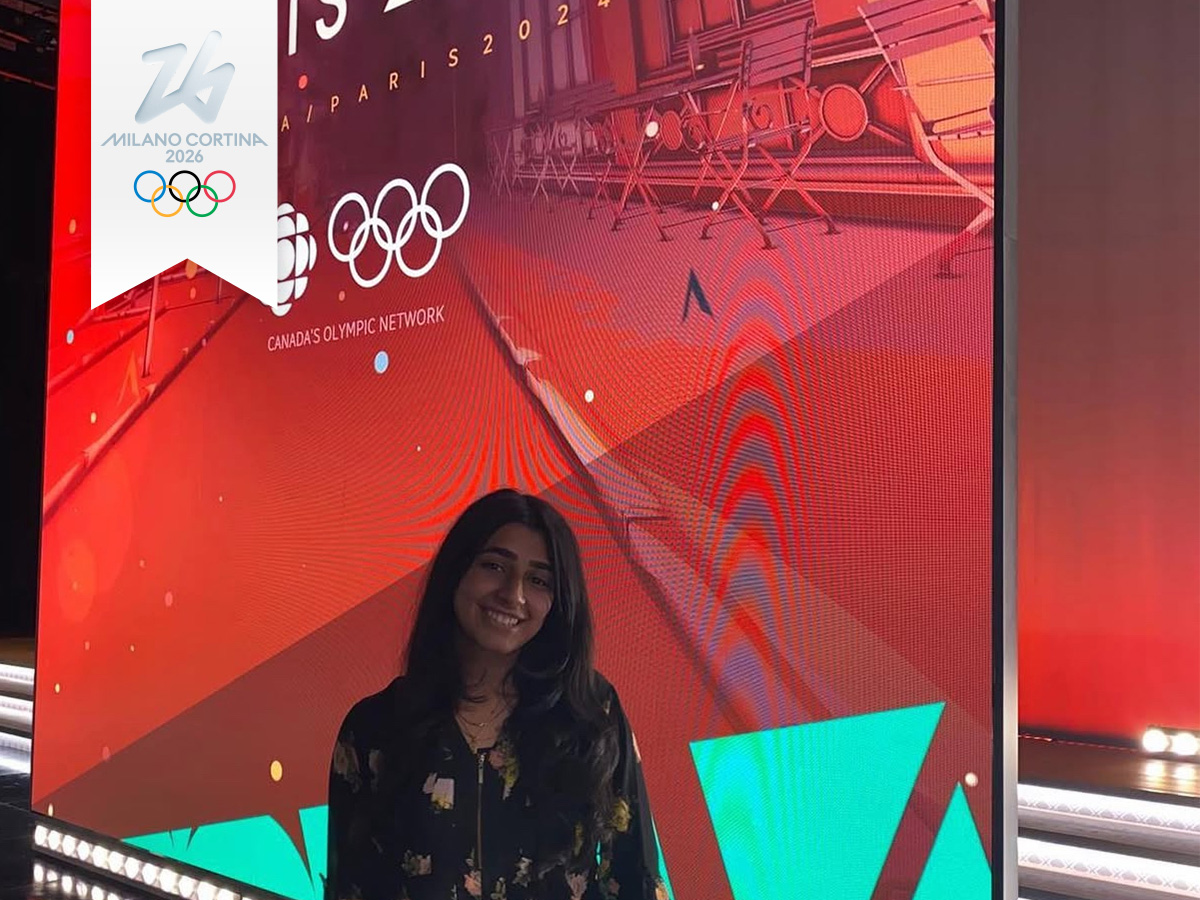
Zoha Naghar
Journalism ’25
Social Media Producer, CBC Sports
I’m a social media producer with CBC Sports, supporting social media coverage and digital storytelling for the Milano Cortina 2026 Winter Olympic Games.
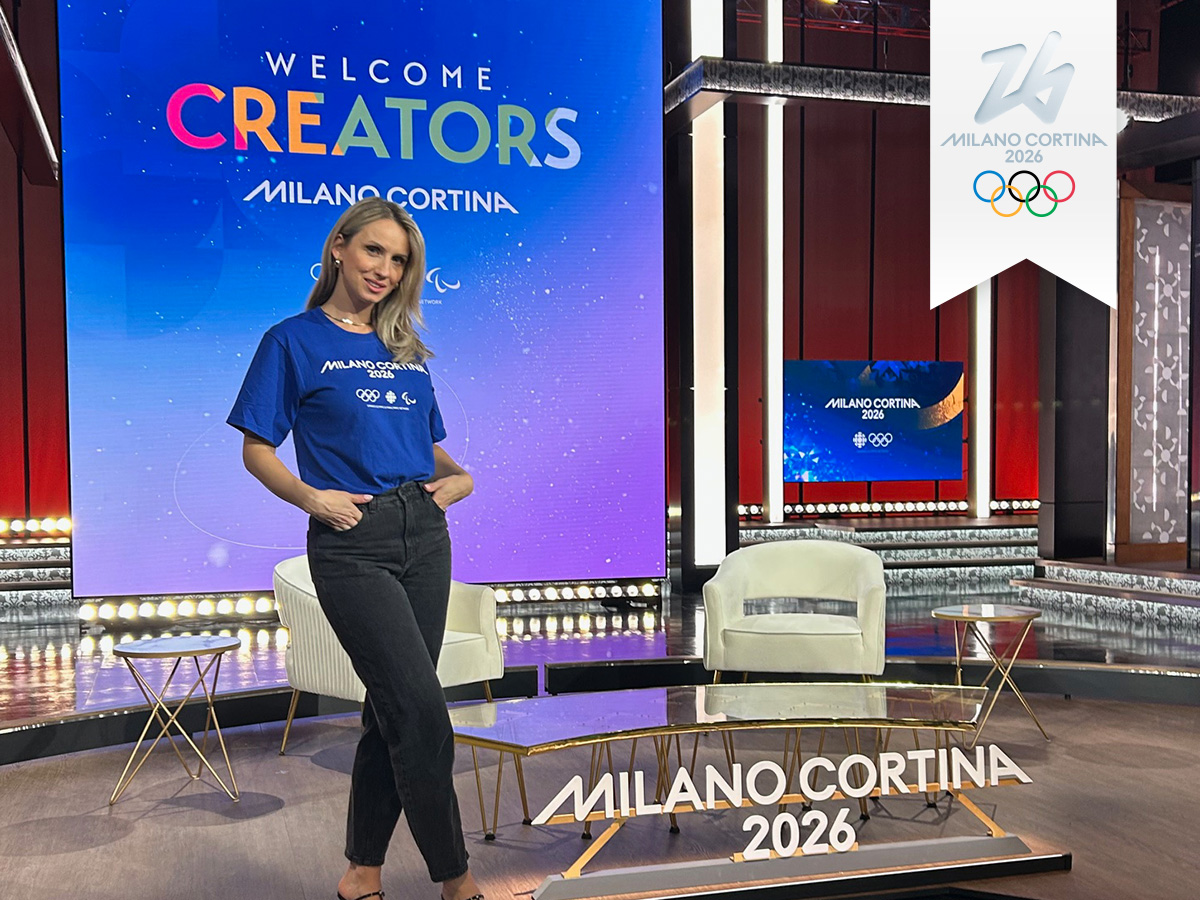
Monika Platek
Journalism ’08
Senior Producer of Content and Publishing, CBC Olympics & Paralympics
I oversee our CBC Olympics digital studio and team which covers the biggest storylines of the day. I also work on making sure we’re reaching Canadians and creating content on social platforms during the Olympics and Paralympics.
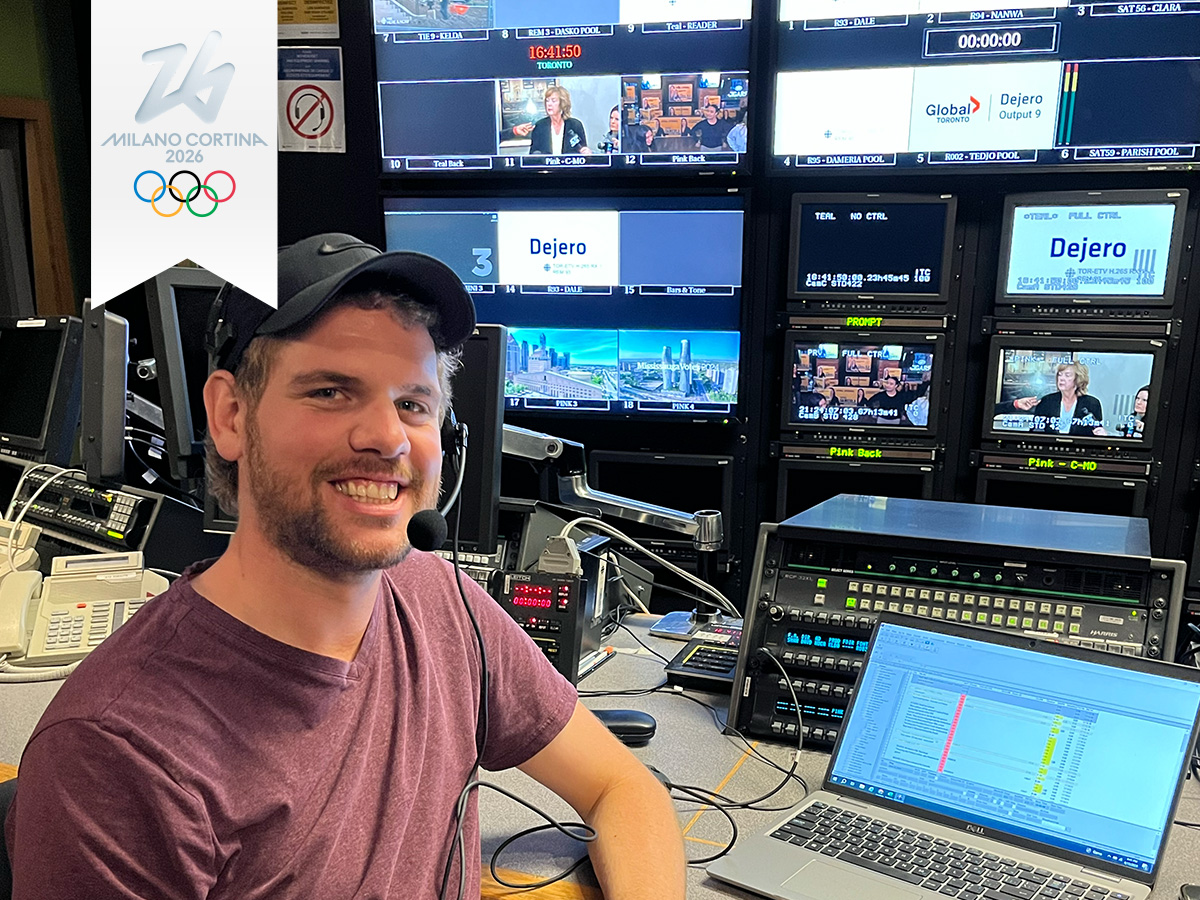
Stan Temming
Sport Media ’18
Lead Show Producer, CBC Sports
I’ll be in Toronto as the Lead Show Producer of the Olympic Daytime show hosted by Andi Petrillo on CBC, from noon to 6 p.m. Eastern daily. My team and I will be guiding our audience through live sport happening during those six hours in Italy.
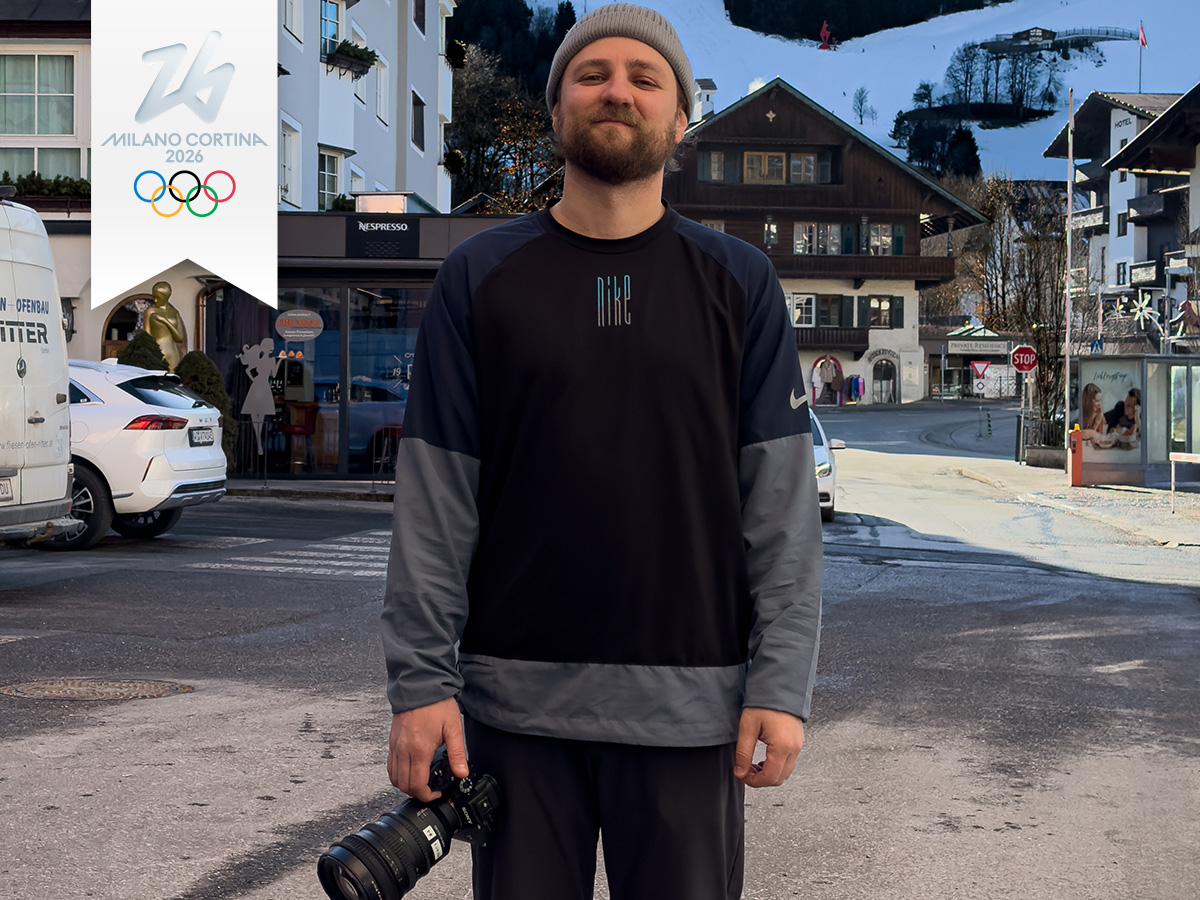
Steven Tzemis
Journalism ’15
Video Producer, CBC Sports Digital
Based out of the CBC building in Toronto, working my 6th Olympics. I am managing all video editors on the social/digital team, in charge of any video across YouTube, Instagram, TikTok, etc.
Ryan Ward
Sport Media ’21
Editor
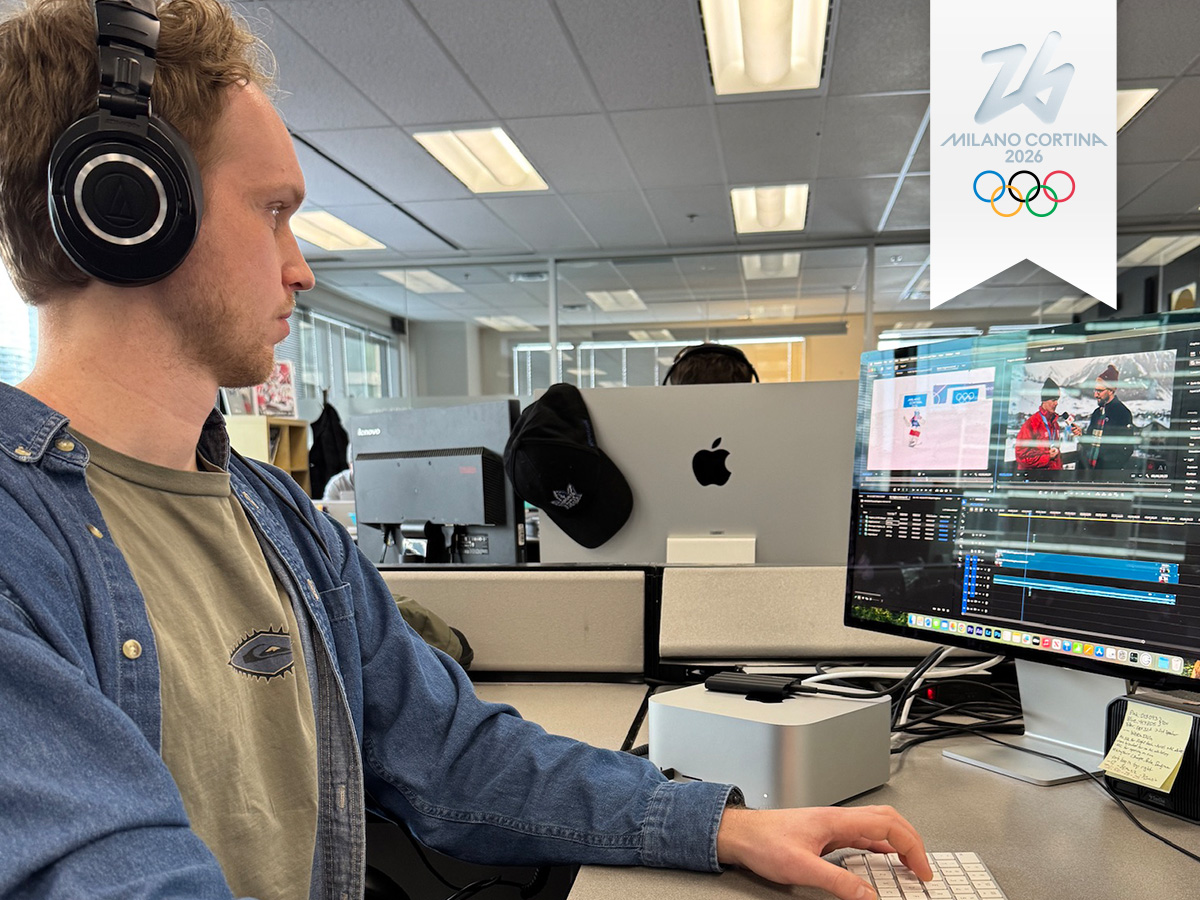
I am based in Toronto working with the digital team on the Air Canada Winter Olympics Today Show with Ariel Helwani. We piece together the episode each day as footage comes in from Livigno.
Have a career milestone to celebrate or wisdom to share with the alumni community?
We’d love to spotlight you! Apply to become a TMU alumni expert!