The Children’s Media Lab explores how families discuss race and racism
New findings from a research collaboration between the Children’s Media Lab, located in the Innovation Studio at The Creative School, and Noggin and Paramount’s Content for Change Initiative brings light to the way families discuss and experience racism. Together, the teams created a video (external link, opens in new window) and learning guide (external link, opens in new window) , published by Sparkler Learning, to educate parents and guardians about talking to their children about race and racism and the impact it has on families.
A qualitative deep dive into the ways that parents and children talk about racism originally involved Creative Industries Adjunct Professor Colleen Russo Johnson in 2020, along with Makeda Mays Green (SVP of Digital and Cultural Consumer Insights at Nickelodeon) and Dr. Michael Levine (SVP, Learning and Impact, at Noggin). She then brought in the Children’s Media Lab team, including RTA Media Professor Kim Wilson and Professional Communication Professor Kisha McPherson to further support and explore the research.
Russo Johnson, VP of Digital and Cultural Consumer Insights at Nickelodeon, says she hopes this research will provide parents, guardians and caregivers with ease when discussing topics surrounding race, as well as impact content creators.
“I hope this video and our research inspires content creators to consider the role they can play in countering racial stereotypes and bringing people together through storytelling,” she said. “And I hope our guide encourages parents and caregivers to use our guide to help spark a judgment-free conversation with their kids about race that celebrates both our similarities and differences, rather than avoiding the topic.”
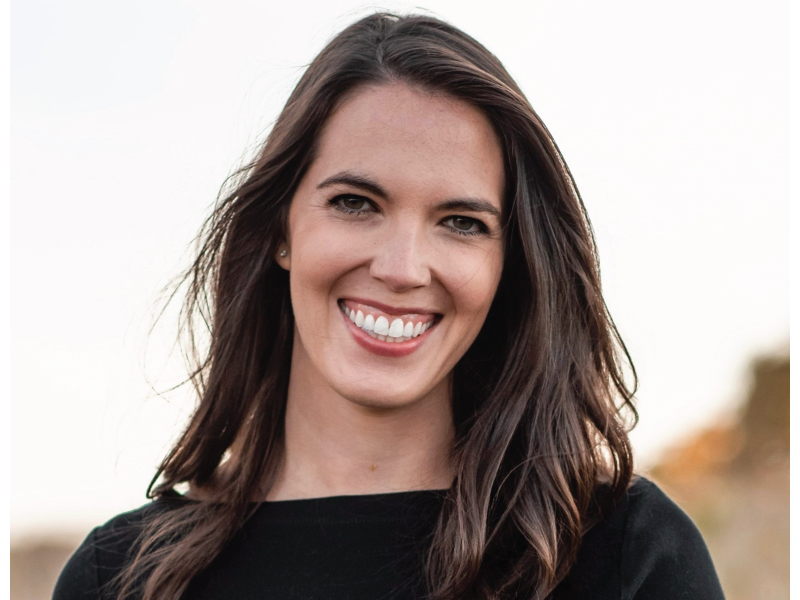
Creative Industries Professor Colleen Russo-Johnson
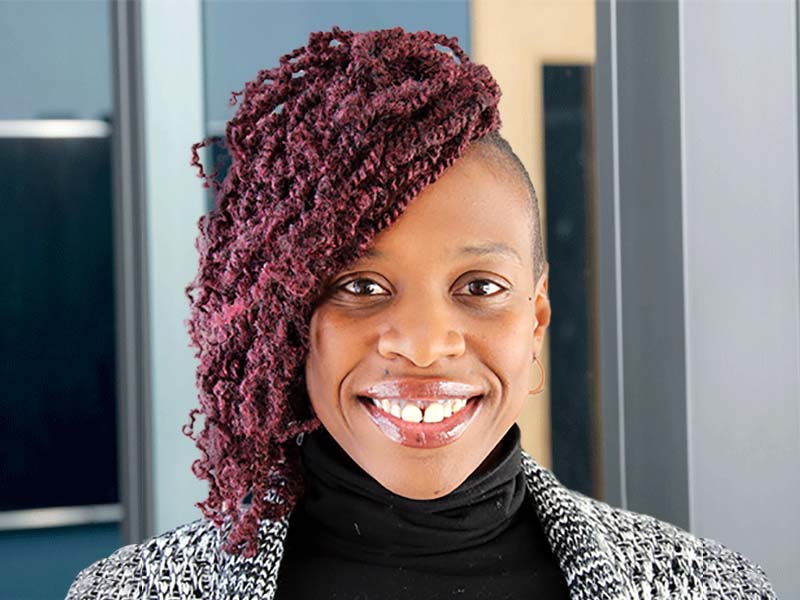
Professional Communication Professor Kisha McPherson
Let’s talk about it: key research takeaways
From the area of research the Children’s Media Lab was involved in, a number of key takeaways were found. First, the researchers discovered that Black and white parents feel equally unprepared to explain racism to their kids. When asked to rate how prepared they felt to discuss stories of racism with their kids on a scale of 1-5, Black parents felt equally unprepared as white parents, with an average rating for both families of 2.4 out of 5.
The research also found that white families are twice as likely to use statements such as "we don't see color" than Black families. Using color-evasive language like “we don’t see color” creates a taboo around race and differences, rather than celebrating them, and does not set children up to successfully identify racism and intervene.
The Children’s Media Lab aims to positively impact media content for children and youth through innovative research projects and hosting think tank nights that bring together industry and academia.
Starting the conversation
As a professor and researcher who has been engaged in youth media research for over 15 years, with focuses on race and racism, McPherson says having conversations with children about race is not just a talk that parents can engage in when they have time. She says in our society, discussions that bridge children's understanding of race have always been a necessity.
“The very real way that racism impacts the lives of so many people makes conversations about the reality of racism as necessary as the bedtime stories we read to our children,” McPherson explained. “Of course, there should be an age-appropriate approach and time to have these conversations but they can not be avoided because a parent would like to maintain the "innocence" of their child or would prefer not to "upset" them with difficult topics like racism.”
She further explains that these conversations are vital to have, as for many children of colour, racism is a reality they live with every day.
“Many children of colour do not have the luxury of avoiding these conversations because they live with the very real impact of racism in our society, and for some, it is even a matter of life and death,” she said. “We can have more dialogue about when to have these discussions with children, and how to approach the harsh realities of racism that create barriers and limitations for so many.”
To view the full guide and to learn more about the research project, visit the website (external link) . 
The Creative School at Toronto Metropolitan University
The Creative School is a dynamic faculty that is making a difference in new, unexplored ways. Made up of Canada’s top professional schools and transdisciplinary hubs in media, communication, design and cultural industries, The Creative School offers students an unparalleled global experience in the heart of downtown Toronto.