Politics and Technologies Affecting Birthright Citizenship
- Date
- October 16, 2025 - October 17, 2025
- Time
- All Day

- Location
- Toronto Metropolitan University
- Open To
- Invitation-only

For migrants, access to legal citizenship, both through naturalization and birthright for children born in country, is a key indicator of integration. Nevertheless, birthright citizenship is being gradually chipped away as governments have either restricted or are attempting to restrict citizenship to a descent-based model in the United States, Australia, Ireland, New Zealand, and the Dominican Republic. Canada is not immune to such influence, yet relatively little is known about the Canadian context in relation to this broader trend. Various technologies have been mobilized in service of this agenda ranging from bureaucratic birth documentation practices to heightened surveillance in everyday life, highlighting the sociolegal reach of birthright citizenship as a tool of border control. This workshop brings together critical and feminist migration scholars with civil society practitioners to consider the intersections between reproductive and citizenship politics, and how migrant families are impacted. The workshop will serve as a first step toward developing longer-term, cross sectoral collaboration in defence of inclusive forms of citizenship.
Co-organized by: Bridging Divides researchers Allison Petrozziello (TMU) and Ethel Tungohan (York University), in collaboration with Megan Gaucher (external link) (Carleton University).
This 2-day workshop is held in person and by invitation only. Interested members of the TMU community or Bridging Divides can contact research assistant Fernanda Santiago at fernanda.santiago@torontomu.ca for further information.
Author meets readers roundtable: A critical dialogue on the reproductive politics and technologies affecting birthright citizenship
As part of the two-day workshop this roundtable features speakers Eithne Luibhéid (external link) , Lois Harder (external link) , and Amanda Cheong (external link) . Through the lens of their work on Ireland, US, Canada, and Malaysia, they will consider the politics and technologies affecting birthright citizenship in comparative perspective, through the lens of their work on Ireland, US, Canada, and Malaysia.
The conversation will be moderated by Allison Petrozziello (Toronto Metropolitan University).
Speakers
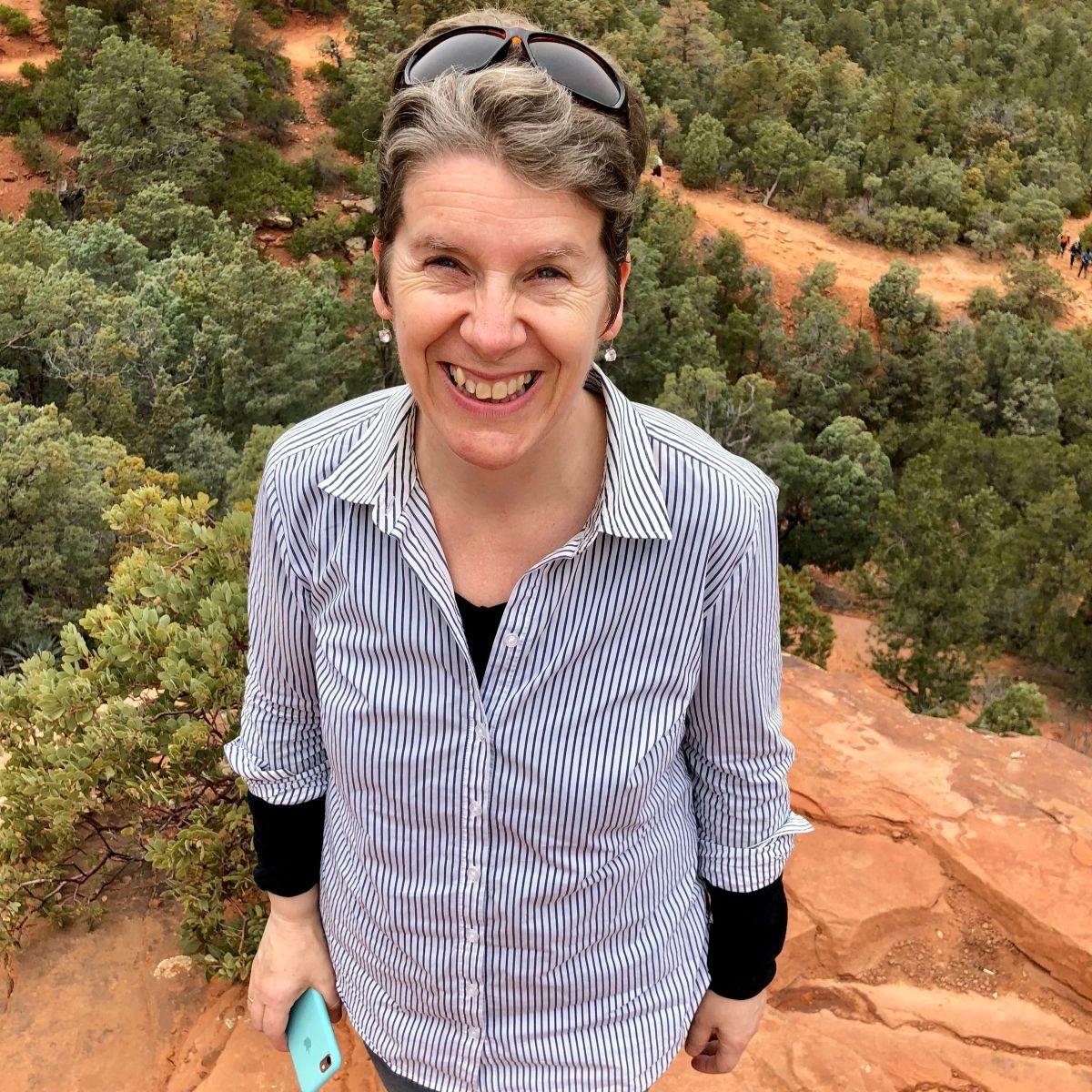
Eithne Luibhéid
Dr. Eithne Luibhéid is a Professor of Gender and Women’s Studies at the University of Arizona, whose research focuses on the connections among queer lives, racialization processes, state immigration controls, and citizenship. Luibhéid is the author of Abolitionist Intimacies: Queer and Trans Migrants Against the Deportation State (Duke University Press, 2025), Pregnant on Arrival: Making the ‘Illegal’ Immigrant (University of Minnesota Press, 2013), and Entry Denied: Controlling Sexuality at the Border (University of Minnesota Press, 2002). Luibhéid co-edited Queer and Trans Migrations: Dynamics of ‘Illegalization,’ Detention, and Deportation (University of Illinois Press, 2020); A Global History of Sexuality (Wiley Blackwell, 2014); and Queer Migrations: Sexuality, Citizenship, and Border Crossings (University of Minnesota Press, 2005). She holds a PhD in Ethnic Studies from the University of California, Berkeley.
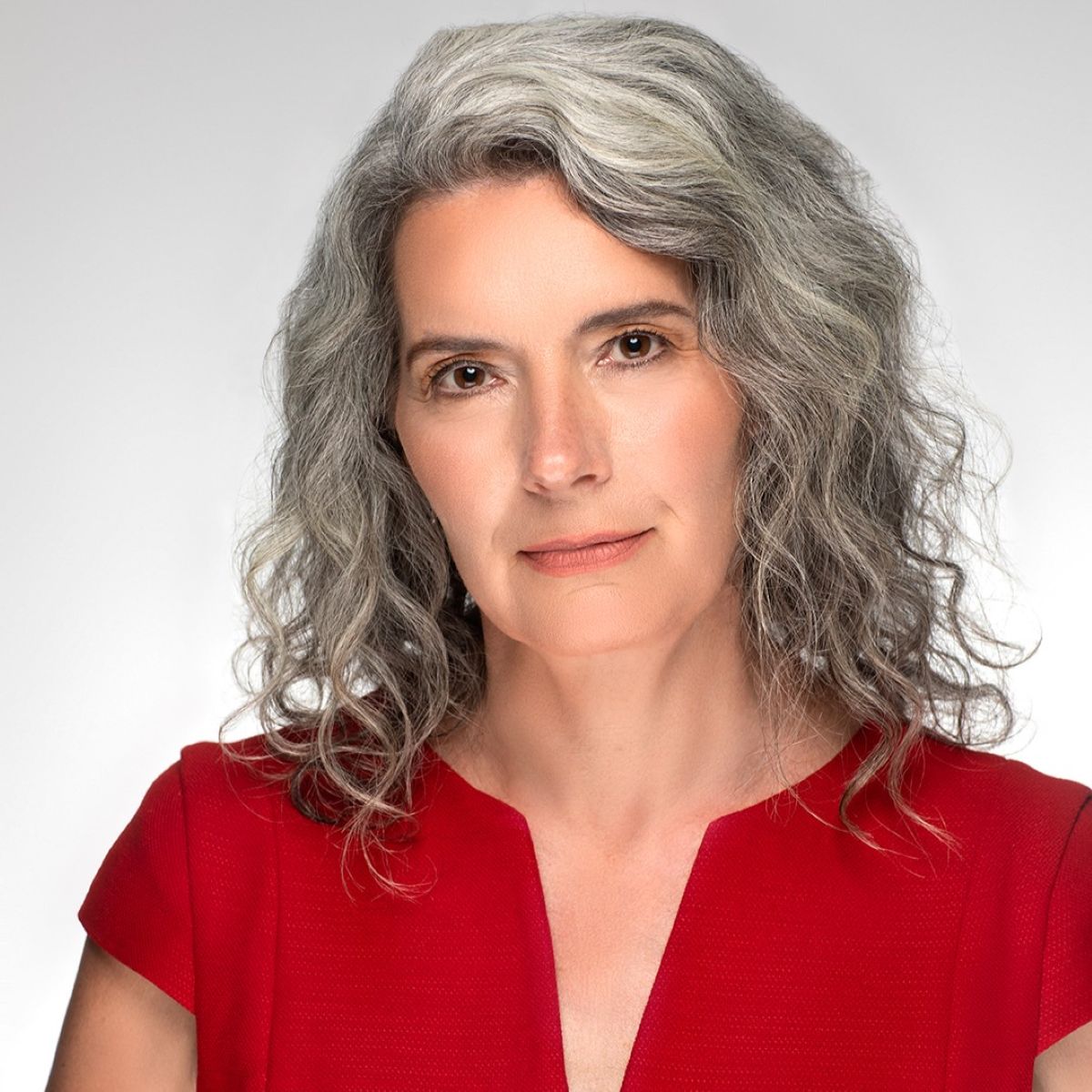
Lois Harder
Dr. Lois Harder is Dean of the Faculty of Social Sciences and Professor of Political Science at the University of Victoria. Her research focuses on citizenship law, social policy and the regulation of intimate life, pursuing the central question “Why/how does sex matter to the state?” She is the author of Canadian Club: Birthright Citizenship and National Belonging (University of Toronto Press, 2022). Her work has appeared in the International Journal of Law, Policy and the Family; Whatever: A Transdisciplinary Journal of Queer Theories and Studies; Revue Europeenne des Migrations Internationales; and Citizenship Studies. She earned her PhD in Political Science at York University.
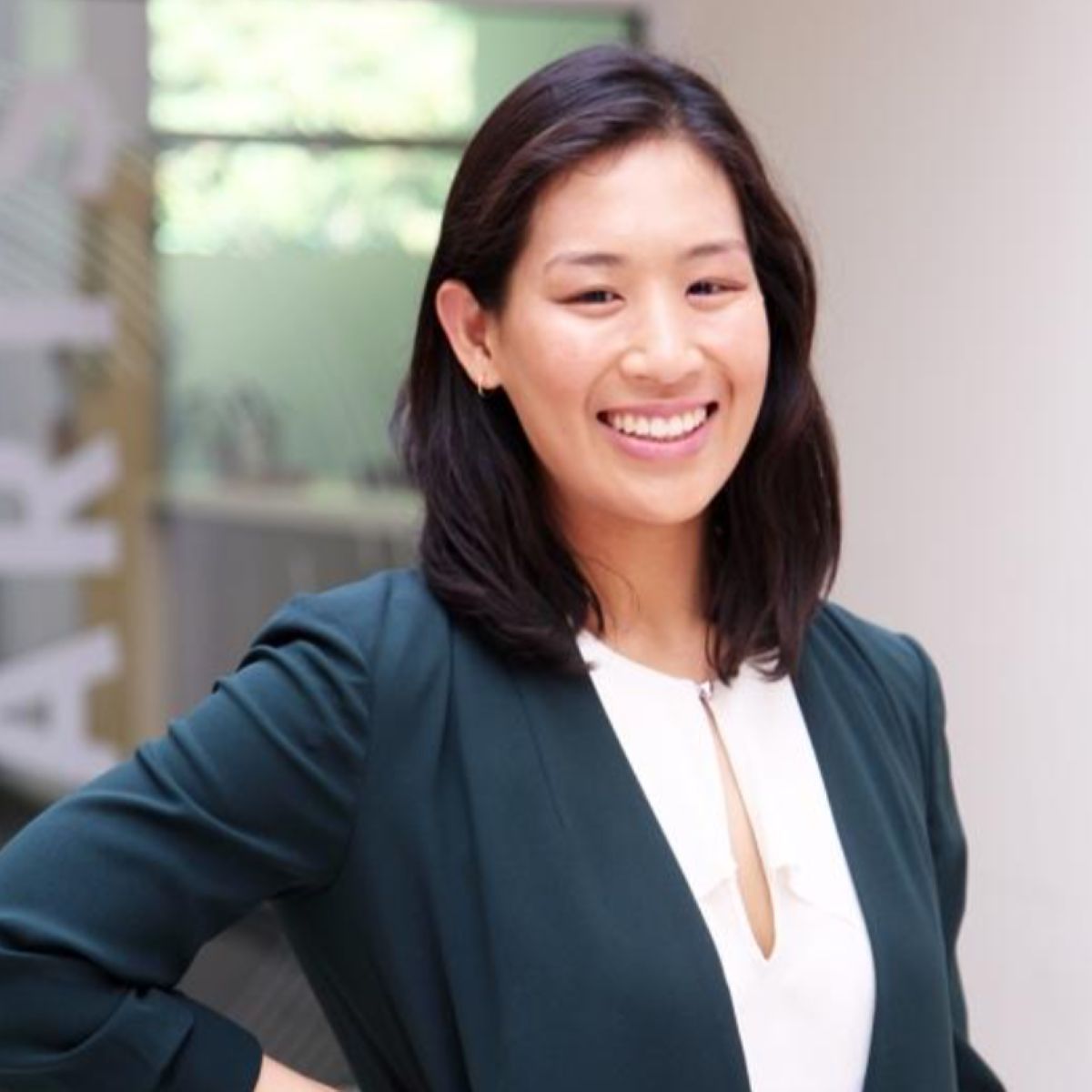
Amanda Cheong
Dr. Amanda Cheong is an Assistant Professor of Sociology at the University of British Columbia. She researches the impacts of legal status and documentation on people’s lives, collaborating primarily with stateless, undocumented, and refugee communities. Cheong’s forthcoming book Omitted Lives examines the politics affecting civil registration and access to citizenship in Malaysia, which can make children stateless. Her work demonstrates how popular fears about the demographic threats posed by migrants have transformed understandings about the recording of vital events from administrative procedures to declarations about the ethnoracial and moral boundaries of national identity and belonging. Her work has appeared in venues such as Social Problems, Sociological Theory, International Migration Review, Ethnic and Racial Studies, and Journal of Ethnic and Migration Studies. She earned her PhD in Sociology and Social Policy at Princeton University.