Different paths, same purpose: Alumni helping people make informed choices about food

Abbey Sharp, Nutrition and Food ’11, and Britney Rogerson, Nutrition Communication (MHSc) ’20, are making an impact in nutrition — one through evidence-based guidance delivered online, the other through culturally rooted prenatal care in the Indigenous community.
Food advice is everywhere, but how people access it can look very different. Some turn to social media for quick tips, while others rely on trusted professionals in their communities. Two Toronto Metropolitan University (TMU) alumni, Abbey Sharp and Britney Rogerson, are helping people navigate nutrition in different but equally impactful ways. But both share the same mission: to provide people with the knowledge needed to make informed, confident choices about food.
Tackling online misinformation
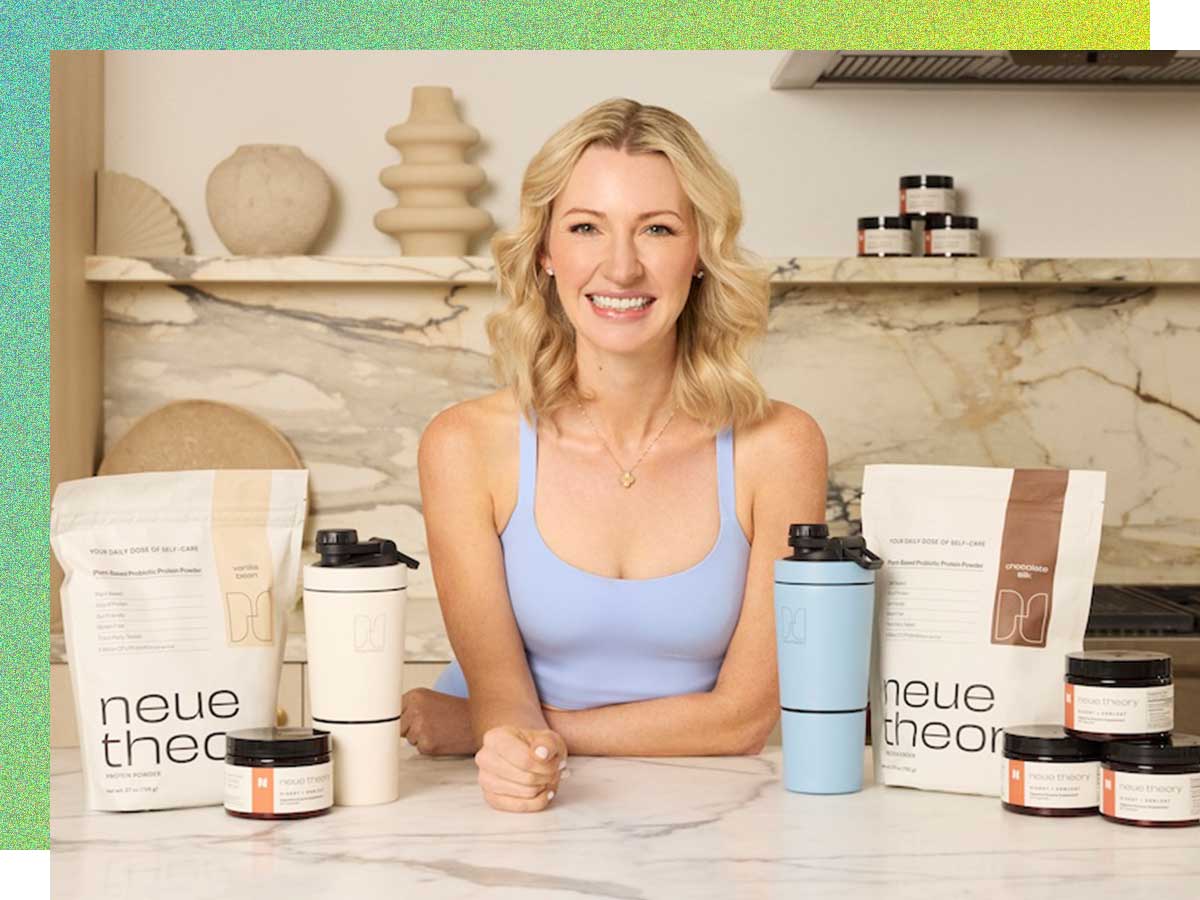
Abbey Sharp, Nutrition and Food ’11, is a registered dietitian (RD), entrepreneur, author and media personality.
Abbey Sharp, Nutrition and Food ’11, is a registered dietitian who has built a career at the intersection of science and communication by providing approachable guidance online. Known today as a trusted voice in food media, Sharp launched her first food blog during her first year at TMU, after becoming the go-to student among her peers for unique, healthy recipe ideas. After graduating from the Nutrition and Food program, she created a YouTube channel (external link, opens in new window) , where she received questions about conflicting food headlines, fad diets and prescriptive advice about food coming from social media influencers without formal credentials.
“I wanted to create a space where people could find trustworthy, evidence-based information that was also approachable, fun and free of judgment,” she said.
Her philosophy centres on balance, flexibility and enjoyment — not perfection. Sharp takes an “evidence first, empathy always” approach and advocates adding nutritious foods rather than focusing on restriction. This framework underpins her trademarked Hunger Crushing Combo™ plan and her upcoming book, The Hunger Crushing Combo Method (external link, opens in new window) .
“Ultimately, my messaging is about diet culture, promoting food freedom and teaching people how to listen to their bodies while still relying on credible research,” she said.
In this Youtube video, Abbey Sharp unpacks toxic TikTok trends, dismantling misinformation, and offering realistic, nourishing alternatives.
Sharp decides which nutrition trends to address in her content based on what is gaining traction in the media and what her audience asks about. She has tackled the viral “SkinnyTok” trend, breaking down the dangers of extreme restriction, and offers strategies for consuming social media content through a critical lens. Her work spans multiple platforms, from long-form YouTube videos to quick, myth-busting clips on TikTok and Instagram — all while maintaining accuracy and transparency.
For alumni and emerging professionals interested in content creation within the nutrition field, Sharp advises finding a unique voice and leading with integrity.
“Don’t bother trying to out-shock or out-sensationalize influencers, but do use their sensationalism as a hook to draw people in and educate,” she said. “Try to connect with your audience with empathy and compassion. Be consistent and firm in your positioning. Even when that perspective isn’t black and white, we can still be consistent in our acknowledgment of that stance.”
Serving community through culturally rooted care
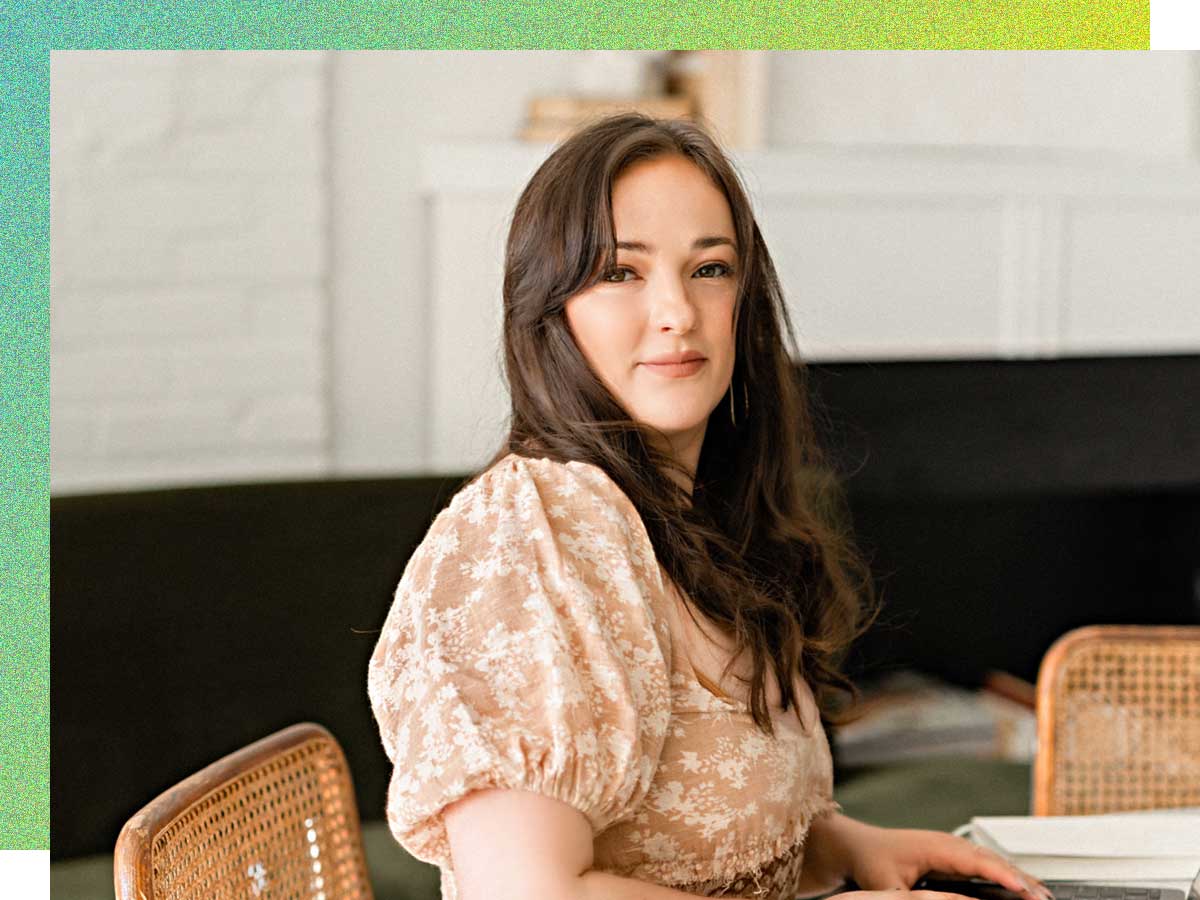
Britney Rogerson, Nutrition Communication (MHSc) ’20 supports clients with a focus on culturally safe, inclusive care that honors Indigenous values and traditions.
Britney Rogerson, Nutrition Communication (MHSc) ’20, is a Prenatal Registered Dietitian at Six Nations Health Services (external link, opens in new window) , where she supports maternal and family health with direct, community-based care that honours Indigenous traditions. Her work focuses on one-on-one sessions and group programming.
Rogerson’s path to dietetics began with personal family experience, when someone close to her was diagnosed with type 1 diabetes. She saw firsthand how deeply food intersects with health and well-being. Over time, she found herself especially drawn to women’s health.
“Prenatal nutrition felt like a natural fit because it doesn’t just impact one person — it supports two generations at once, and that ripple effect is incredibly powerful,” she said.
Her day-to-day work spans individual client sessions, cooking demonstrations, nutrition education events and larger community workshops. She also engages with food sovereignty initiatives, helping communities to strengthen access to nourishing, culturally relevant foods. At the core of her practice is integrating Indigenous traditions and values into care.
“I always make space for Haudenosaunee foods and teachings in the programs and menus I create by including those key stakeholders directly,” Rogerson said. “Food is more than nutrition — it’s culture, identity and connection.”
Rogerson adapts her programs to reflect shifts in maternal nutrition and food access, such as growing interest in plant-based approaches and pre-contact diets, which are the traditional foods and eating practices that Indigenous people followed before colonization. She balances supporting curiosity with the realities of food insecurity, ensuring her programming is accessible and culturally aligned.
Her approach is shaped in part by her time at TMU. Courses in the Nutrition Communication program encouraged her to reflect on her values and connect her personal passion with her professional practice.
“That foundation has shaped how I approach my work — not just as a clinician, but as someone who wants to listen, collaborate and build programs that truly reflect community needs,” she said.
For emerging professionals, Rogerson advises reflecting on your motivations and gaining hands-on experience.
“Take the time to understand yourself and your vision,” she said. “Really dig into your ‘why.’ When you’re clear on what motivates you, it shapes everything you do and keeps you grounded in challenging moments.”
Do you want to be featured in an upcoming issue of Toronto Met Connect?
Share your journey — email us!