Happy Rosh Hashanah from the alumni co-chairs of TMU’s Jewish Employee Community Network
Tamar Becker and Paul Sileika are alumni of Toronto Metropolitan University (TMU) and co-chairs of the Jewish Employee Community Network, which strives to foster community and connection for TMU faculty and staff who identify as Jewish. To help commemorate Rosh Hashanah, which begins this Wednesday at sundown, Tamar pens a personal reflection on reclaiming joy and finding strength during challenging times. And Paul shares with us his favourite Rosh Hashanah ritual — tashlich — the casting off of bread, sticks or pebbles into running water to symbolize saying goodbye to the previous year and welcoming the new.
Speaking of welcoming the new: Paul and his husband very recently welcomed the birth of their daughter, Alma. Congratulations!
In their own words
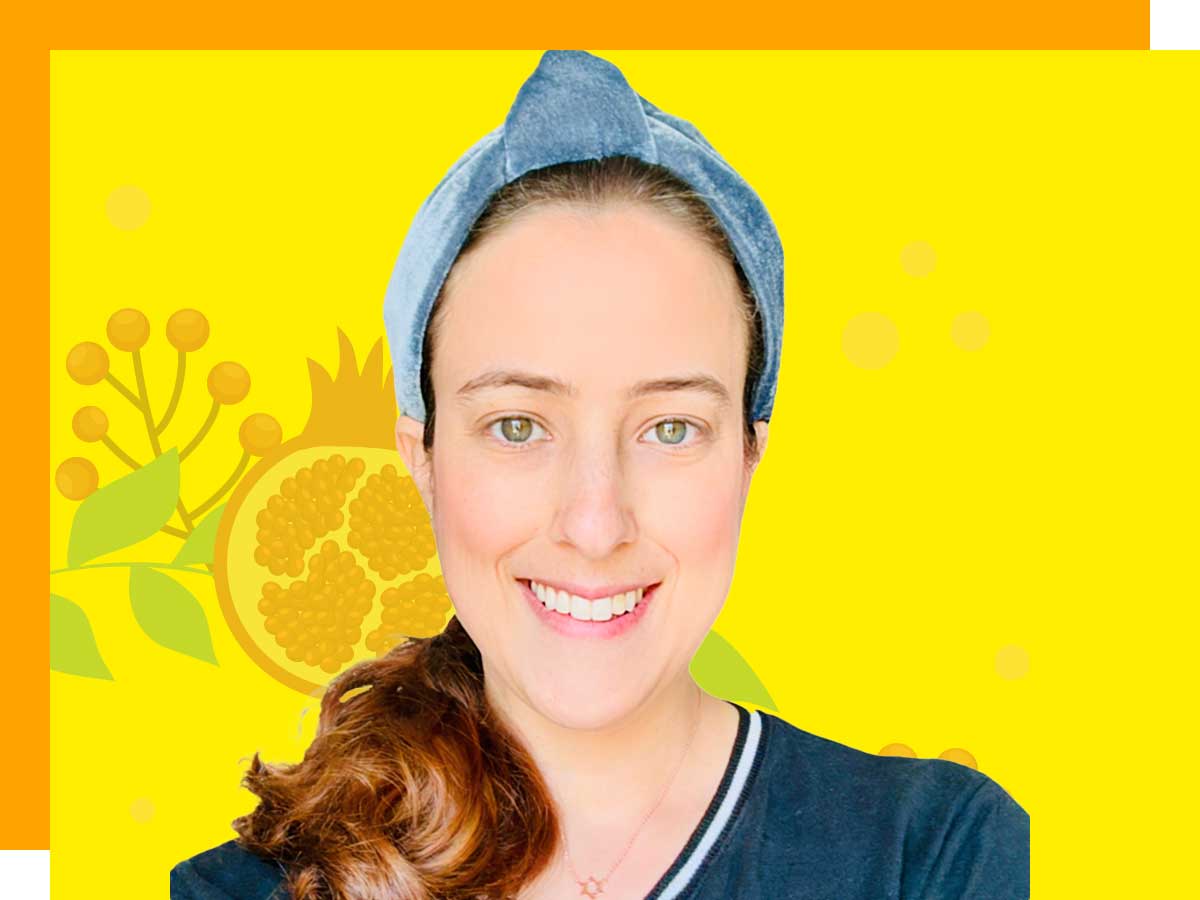
Tamar Becker
Public Policy and Administration (MA) ’12
Research and Special Projects Coordinator
Centre for Labour Management Relations
Personal reflection
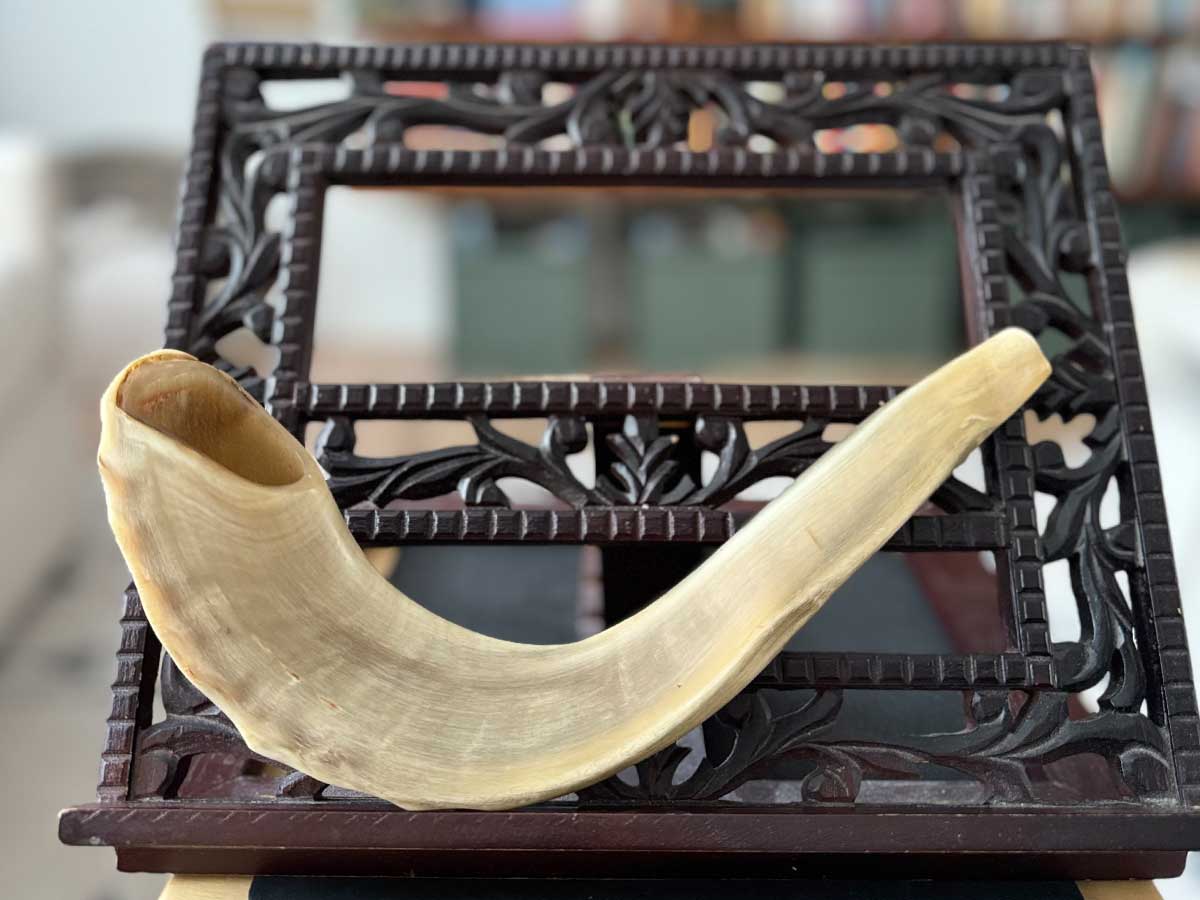
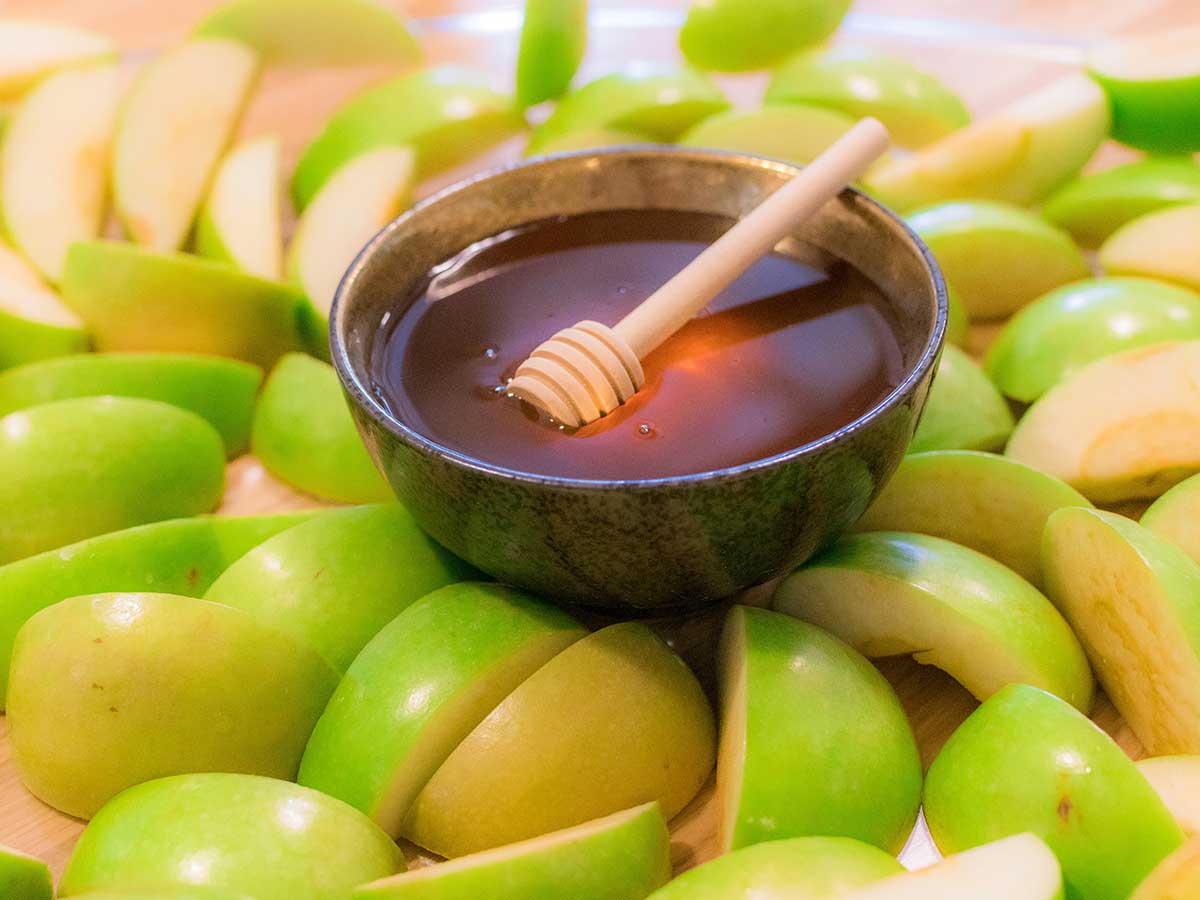
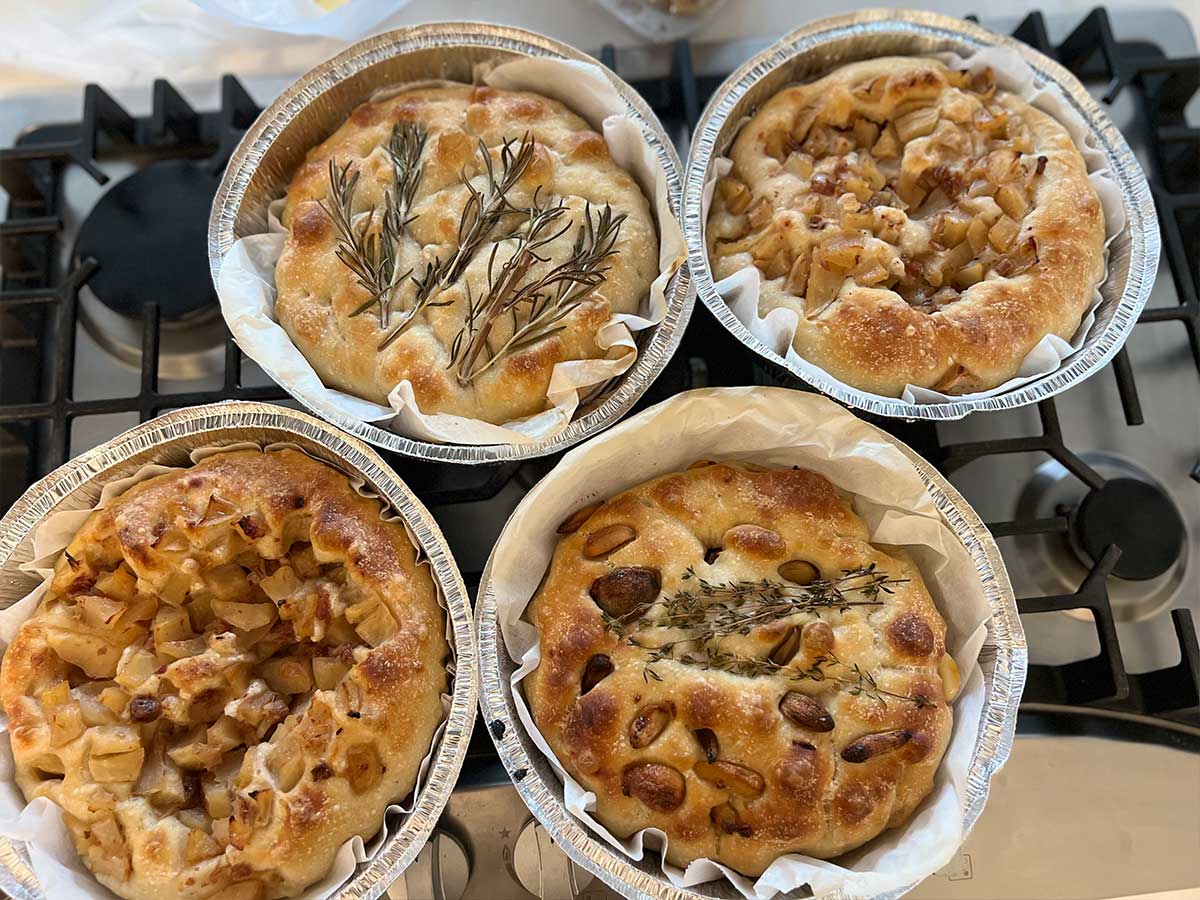
The shofar is a ram’s horn blown in the synagogue on Rosh Hashanah to mark the beginning of the Jewish New Year. Photo courtesy of Tamar Becker; During Rosh Hashanah, apples and honey are often paired at a meal to express hopes for a sweet year ahead. Photo by Igal Ness; While challah loaves are often braided, for Rosh Hashanah they are round, symbolizing continuity without beginning or end. Photo courtesy of Tamar Becker.
As the shofar’s call echoes through the synagogue on Rosh Hashanah, I’m reminded of the power of both tradition and renewal. The shofar, a ram’s horn blown to mark the beginning of the Jewish New Year, feels like a call to awaken our hearts and reflect on the year behind us. Growing up, I loved the sweetness of dipping apples in honey, a classic traditional practice of the day. As I reflect on this tradition in a more complex time, I am struggling to focus on the sentiment behind the apples and honey; the practice where, leading up to and on the day of observance, we greet each with our best wishes for a “sweet new year”.
This Rosh Hashanah feels different. The year behind us has been marked by trauma and grief in my community, and I enter this New Year with a heaviness. I am holding space for both the fragility and resilience of my people. The world feels uncertain, and it makes the introspection of this holiday more serious. The Days of Awe, the 10 days between Rosh Hashanah and Yom Kippur, a time dedicated to deep reflection and repentance, call on me to reflect, which feels hard to do during times of deep pain. This year, my prayers for peace, healing and hope feel deeper and more urgent than ever.
I am endeavouring to direct my focus on the beautiful, thousand years old traditions of Rosh Hashanah. In particular, I enjoy baking the round challahs, traditional Jewish bread, symbolizing the cycle of the year and our lives. Often stuffed with apples and raisins, challahs add a sweetness that mirrors the wishes for the year ahead. Last year, I decided to bake my challahs as sourdough focaccia, stuffing some with dates, apples and raisins, and some with herbs. It felt like a small act of renewal in itself, a personal twist on tradition that keeps the spirit alive while adapting to the present moment.
Rosh Hashanah gives me a sense of renewal, a chance to breathe, recalibrate and look forward. The New Year opens the door to the possibility of rebuilding, reclaiming joy, and finding strength within myself and in others.
Shanah Tovah. May this year be one of sweetness and healing for us all.
Tamar Becker is the Research and Special Projects Coordinator with the Centre for Labour Management Relations (CLMR) at TMU. Her work at the CLMR promotes strategies for labour and management to work better together, with the goal of achieving greater productivity and profitability for businesses, improved job and income security for workers, and increased equality and justice for communities. Tamar’s research specialties have most recently focused on the changing nature of work, the rise of precarious employment and women’s economic empowerment. She has a Masters in Public Policy and Administration from TMU, as well as a Bachelors in Political Science and Business Communications from Touro College (New York City).
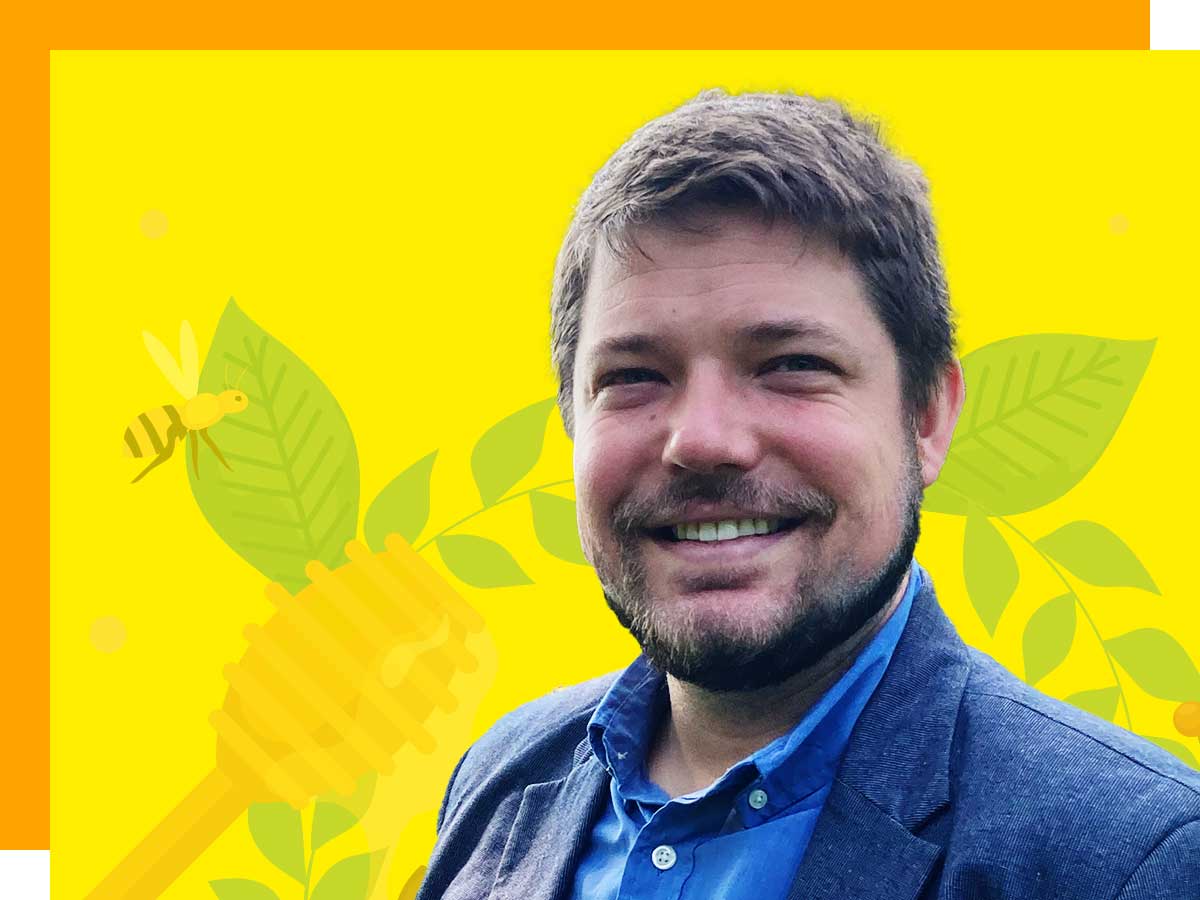
Paul Sileika
Arts and Contemporary Studies ’11
Manager, Teaching Support Services
The G. Raymond Chang School of Continuing Education
A conversation with Paul


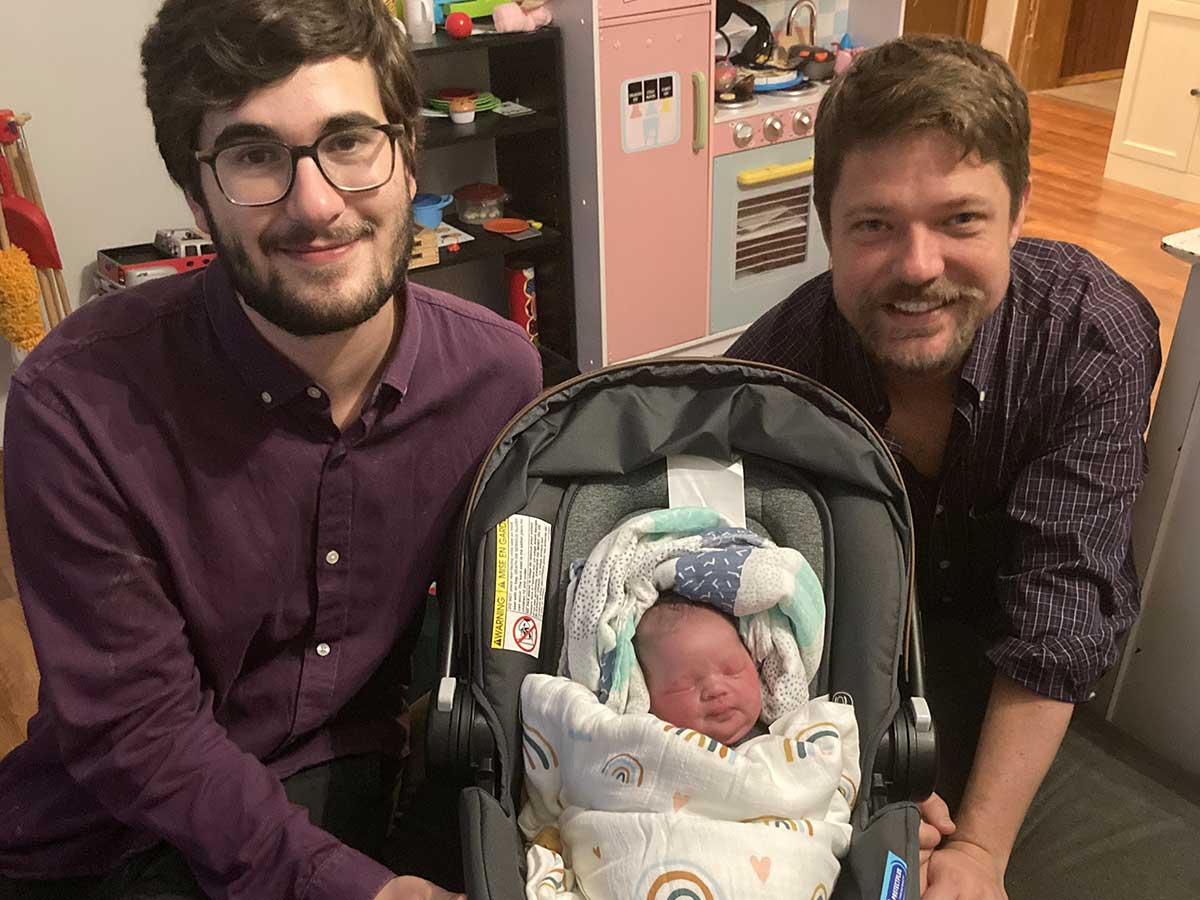
Taschlich comes from the Hebrew word “to cast” and is observed on the first or second day of Rosh Hashanah. Learn how to pronounce tashlich (external link) . Photo by Matt Hardy; Paul (left) with now-husband, James, at their first tashlich ceremony together. Photo courtesy of Paul Sileika; Paul (right) and James (left) recently welcomed baby Alma to their family. Photo courtesy of Paul Sileika.
What is your favourite ritual associated with Rosh Hashanah?
My favourite ritual during Rosh Hashanah is tashlich. Around the time of Rosh Hashanah, some Jewish people will take pieces of bread and cast them into running water. Some people say this represents the casting of our sins into the water. Since Rosh Hashanah is the Jewish New Year, I like to imagine it also as letting go of the baggage from the previous year. These days, some people toss sticks instead of bread into the stream so that animals don’t eat it.
Do you have a favourite memory of this ritual?
When I first started dating the man who would become my husband, James, I took him to a tashlich ceremony with some friends around St. Clair West. It was such a meaningful experience for us that we go back to the same stream every year ever since to observe tashlich! I also love that Rosh Hashanah often takes place around the new school year, so there is a feeling of new beginnings during this time.
What are some things that colleagues and friends of Jewish people can keep in mind during Rosh Hashanah?
Rosh Hashanah is followed by Yom Kippur, Sukkot and Shemini Atzeret. It’s truly a month of holidays. Every Jewish person has their own level of observance and some people may be requesting time off to observe all of these holidays. It’s important to be mindful of scheduling important meetings and events around this time, and to be flexible with employees who may need to take several days off around the start of the school year.
Paul Sileika started his journey at Toronto Metropolitan University (TMU) as a student in 2006 in the Faculty of Arts and began working here right afterwards. That’s 18 years of being part of the TMU community!
Paul has worked in the Office of the Registrar, at the Ted Rogers School of Management, and most recently the Chang School. He loves learning language, and going for walks with his husband, James, and their dog, Ivy. Paul and James just welcomed daughter Alma to their family in September.
Jewish faculty and staff at TMU can join the Jewish Employee Community Network (JECN) (opens in new window) to connect with their Jewish colleagues, and to receive information about events and opportunities related to the community.
Want to share your special holiday traditions?
Throughout the year, we honour the celebrations that our alumni and friends observe. (google form) Let us know! (external link)
Background illustration: Studiogstock on Vecteezy.com