The Best Medicine: TMU alumni who make us healthier through laughter

Study after study points to the health benefits of laughter. From increasing our immunity and helping regulate blood sugar levels, to improving sleep and protecting us from the damaging effects of stress, it’s a fact that laughter is good for us.
In honour of Mental Health Week (external link, opens in new window) from May 1-8 and World Laughter Day on May 7, we spoke to Toronto Metropolitan University (TMU) alumni in the comedy scene to find out how TMU prepared them for the limelight, what’s been making them laugh lately and where they suggest we go for a giggle.



Natasha Chandel
Radio and Television Arts ’06
Natasha Chandel (external link, opens in new window) is an Indian Canadian American TV writer/producer, comedian, actress, voice-over artist, podcaster and proud TMU alum. She wrote on Netflix’s sitcom Mr. Iglesias (external link, opens in new window) and the upcoming Peacock animated series Press Start.
Now a standup comic, Natasha has opened for Godfrey, performed at the New York Comedy Festival, Laugh Factory and Comedy Store, and showcased for Netflix’s New Faces of Comedy. You might have seen or heard her on Seal Team, The Mindy Project, Call of Duty: Vanguard or Netflix’s Dead End: Paranormal Park.
Natasha hosts a popular comedy dating podcast called Kinda Dating (external link, opens in new window) . In a previous life, she was a supervising producer (MTV, Fox, Disney, Critical Role), and is best known for creating, writing, directing and starring in her comedy web series, Mumbai Chopra (external link, opens in new window) , which secured her a first-look deal at Viacom. She is currently developing some original series with top talent, and trying to stay hydrated along the way!
When did you first realize you had a knack for comedy?
I actually didn’t realize I had a knack for comedy until the end of my studies at TMU! Everyone was so stingy with their compliments, so no one ever told me I was funny until after I landed my first film role in a short comedy called Pria (external link, opens in new window) . It won awards including TIFF’s Sprockets and NBCU’s Short Cuts. After the film was released, everyone was touting my comedic timing. I was like, “I’m funny?! Cool! You could’ve told me that years ago. I could have been famous by now!”
Better late than never, I guess!
What advice would you give to aspiring comedians or writers?
I have found the strongest comedians to be people who know themselves. That’s where that unique voice comes in. I always tell people that the only reason I could move up in standup comedy a tad faster than others is because I was older, knew myself and cared less about what people thought. You’re not going to make everyone laugh, you’re not going to be everyone’s cup of tea, and that’s totally fine. You should find your audience and keep doing what you do better than anyone else. The rest will come.
Do you have a funny memory from TMU you’d like to share?
I have lots of funny memories from my time at TMU and the Radio and Television Arts program. Here’s a memory where the joke was on me. I was never a morning person, am still not to this day, so 8 a.m. classes were really hard for me. No matter how great the class or teacher was! I fell asleep in the late and great Dana Lee’s 8:00 a.m. class. I woke up to my friends all leaving Post-It notes on me saying stuff I can’t share in this publication. Ha Ha!
What do you hope audiences take away from your comedic work?
Aside from laughter, I hope my comedy makes people see something differently. I tend to draw a lot from my personal experiences. I relate them to bigger-picture issues, but I try to find a unique angle. I’m Indian. I always want people to feel good, but I do want them to feel like they learned something new, too!
What do you find most gratifying about performing or writing comedy?
It’s the most cliché answer but there is no better feeling than making someone laugh and smile. Life always feels like a bit of a grind, and more so lately. Being able to help people forget about their problems and laugh for a while fills my cup. It makes me feel like I’m fulfilling my purpose.
Learn more about Natasha on her website: natashachandel.com (external link, opens in new window)
Daniel Henkel
Theatre Performance ’13
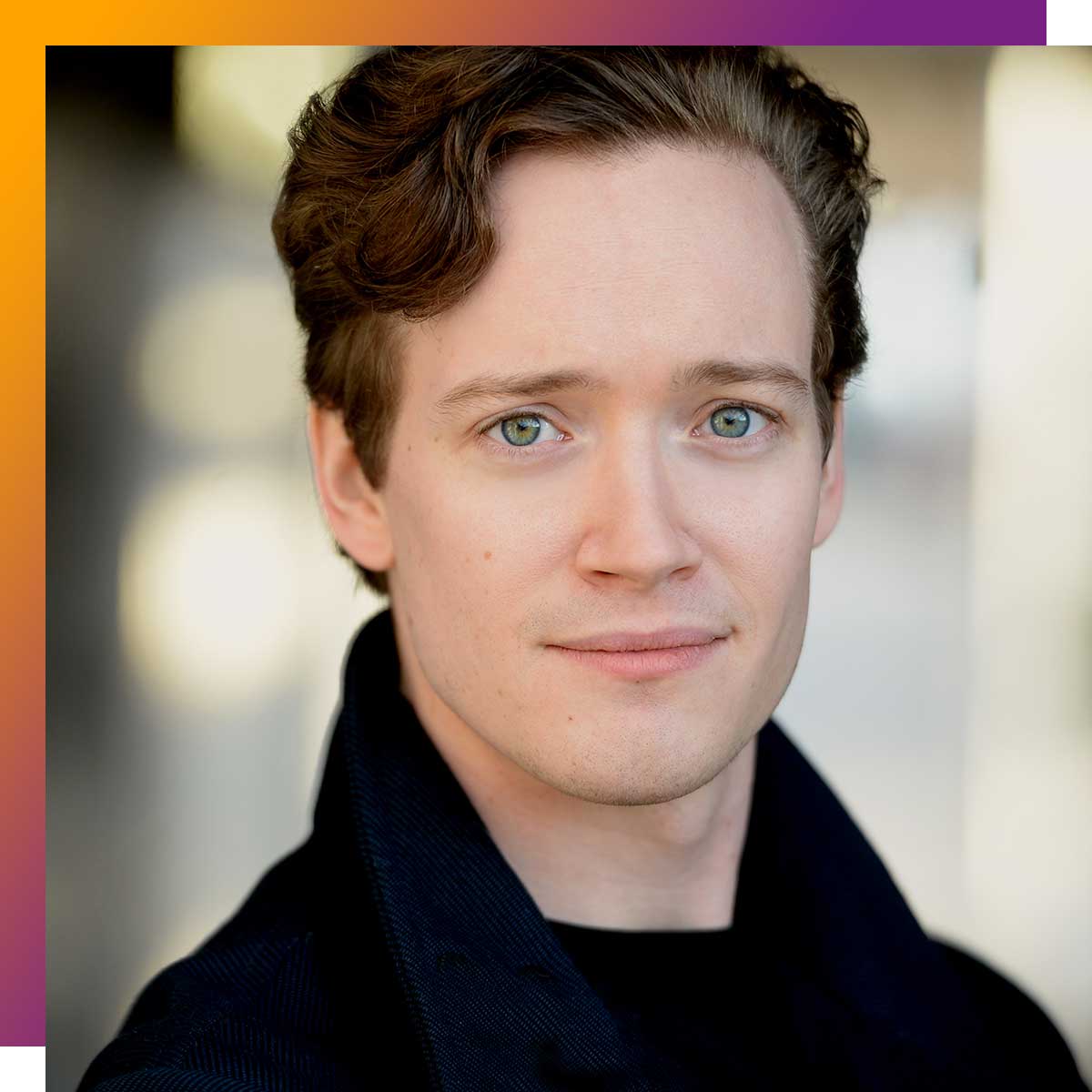
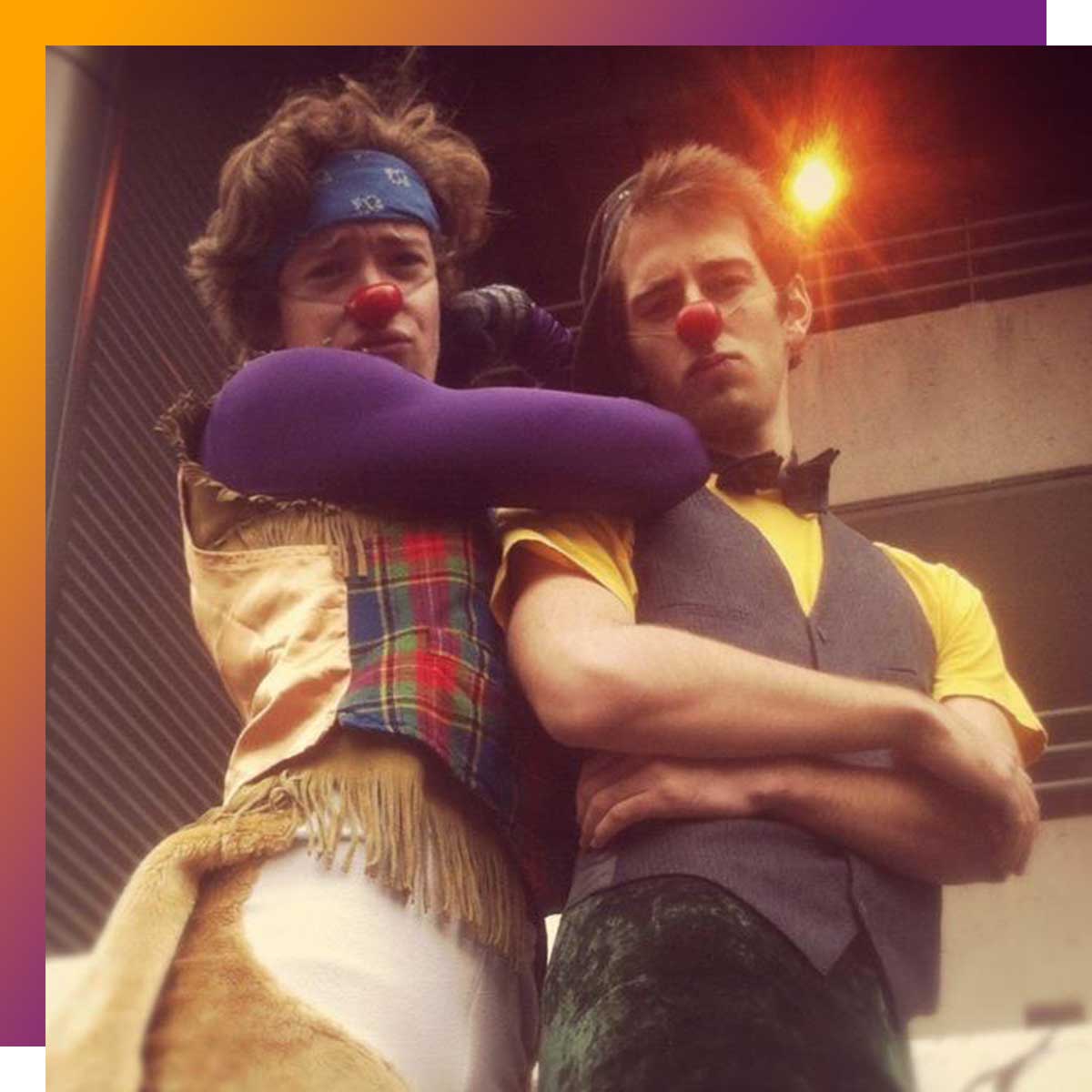
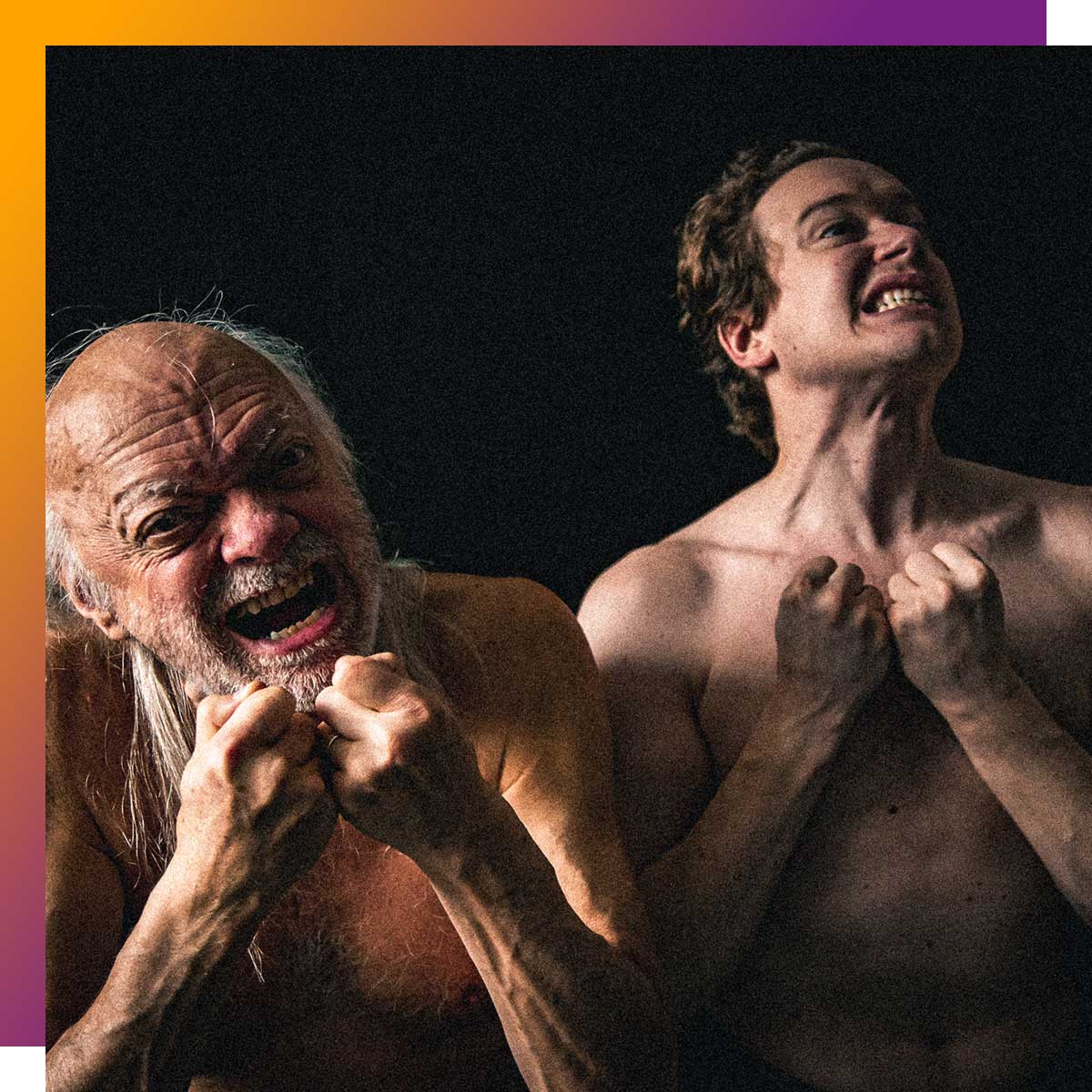
Daniel Henkel (external link, opens in new window) graduated in 2013 from TMU’s School of Performance (opens in new window) acting program. He gravitated towards comedy early on in his studies. He later found a love for classic French-style clown, turning routines created in the third-year clown semester into his thesis show, which he went on to perform at the Toronto Festival of Clowns (external link, opens in new window) . Daniel has worked with different Shakespeare companies portraying a variety of characters from comedies and dramas, and he has done many Theatre Smith-Gilmour (external link, opens in new window) workshops on clown, bouffon, commedia dell’arte and mime. This spring, Daniel worked on a collaborative adaptation of Ovid’s Metamorphoses with Theatre Smith-Gilmour (external link, opens in new window) at Crows Theatre (external link, opens in new window) . They worked together in an ensemble to create a movement and bare-bones iteration of the text. He now has plans to shift some focus onto voice-over work.
When did you first realize you had a knack for comedy?
I knew early. It was maybe my “alrighty then” Jim Carrey impressions [from Ace Ventura] whenever there was a video camera around me, or my Weekend at Bernie’s II impressions. I knew early on that I could make people laugh, but more so that I loved doing it. I was also raised by a clown. Growing up, my dad was the most outrageous person, he still is. He could just capture this absurdity I couldn’t get enough of. For someone who never had any professional training, he’d certainly give the greats a run for their money.
How did your studies at TMU prepare you for a career in comedy/entertainment?
I think to start off they had teachers who really spent the time to get to know each student. I don’t think comedy can really be taught per se, but it can certainly be cultivated with the right encouragement. In the first year, I was given a scene study from Pizza Man (external link, opens in new window) and was encouraged to find the ridiculousness of the scene. As a young actor in a room with other young actors, it was such a gift to be encouraged and invited to push a scene beyond where my nerves might limit me. It was also in a first-year writing class where I had the opportunity to get up and retell a story, which I was encouraged to retell at the Theatre School open mic, which then got me a role in a fourth-year show. This is when I started gravitating towards comedy.
The third-year clown semester unlocked something for me. I’ve always had a knack for clowning and connecting with an audience, but to have the professional guidance to help hone my navigation of what is funny was eye-opening. To have someone there to show me what to look for and how to clearly present ideas, that’s what helps you prepare for creating your own work. I actually loved this work so much I came back and was assistant to the professor for five or six years, later helping teach and direct. I did my best to try and coax that same clarity out in others.
What I studied at TMU was a variety of tools in a tool box. Different techniques and ways to explore being funny and an actor, in general. But techniques don’t really prepare you for this type of career. It was the guidance of the professors and the lived experiences that are endlessly more valuable.
What do you find most gratifying about performing or writing comedy?
The laughter and the engagement are key. What I try to capture is a sense of play. Making an audience laugh from something witty or absurd is always a goal, too. Bringing out a childlike joy in an audience that inspires them to be silly or playful in their own life is certainly something I try to evoke. Seeing that come out of an audience is probably the most gratifying to me.
What sitcoms, podcasts or comedy specials have you enjoyed lately?
I find absurd comedy has gone well beyond anything that was in the mainstream when I was younger. Things that are unpredictable but brilliant in their simplicity, and delivered with such conviction that the absurdity is almost justified. So things like Tim Robinson’s I Think You Should Leave (external link, opens in new window) , Aunty Donna’s Big Ol’ House of Fun (external link, opens in new window) and The Last Podcast on the Left (external link, opens in new window) .
Where would you go for a laugh in Toronto or another city you like?
There are tons of great standup shows all over the city! Comedy Bar (external link, opens in new window) always has variety shows and standup nights. Also on Bloor Street, Tallboy’s Craft Beer House (external link, opens in new window) often has great, local, up-and-coming standup. Every last Tuesday of the month, Full Pull Comedy Show at Cold Tea (external link, opens in new window) on Queen Street West has a great variety of comedians and often a more notable headliner. It’s also hosted by a close friend and colleague I’ve had the pleasure to work with on a few occasions. It’s always a great show!
Learn more about Daniel on his IMDB page: imdb.com/name/nm5824806/ (external link, opens in new window)


Jessica Holmes
Radio and Television Arts ’98
Jessica Holmes’s (external link, opens in new window) greatest joy is helping people take simple, sustainable steps towards fulfillment and well-being, one laugh at a time. She starred on the sketch series Royal Canadian Air Farce (external link, opens in new window) and The Holmes Show, and as a standup, opened for the likes of Jerry Seinfeld and Ellen DeGeneres. Her funny and inspiring book, Depression the Comedy: A Tale of Perseverance (external link, opens in new window) , takes readers deep into her mental health journey with validation and warmth. As a public speaker, she is grateful to help end the stigma around mental illness, and in 2018 was honoured to join the Bell Let’s Talk (external link, opens in new window) team as a celebrity ambassador.
What is the most challenging aspect of being a comedian today?
I always strive to ignore the “what ifs” and to be authentically myself on stage. To trust my inner muse and remain playful in the creative process, even when doubt creeps in. I wear the words “Fun & Kindness” on a beaded bracelet when I perform. Those words remind me of what inspired me to be a speaker in the first place. I’m here to make the most people feel good as I can, even when I can’t please everyone.
What advice would you give to aspiring comedians or writers?
Be the best YOU. Your greatest asset in comedy is your point of view. Play and experiment until you find it. Then write it and share it unabashedly, regardless of what critics think. Comedy is just between you and your audience.
Why do you think laughter and humour is good for our health and well-being?
Humour creates space between us and whatever bad thing has happened. It’s a relief to realize we aren’t alone in our pain, and being able to laugh about it feels like, “Phew, I can feel myself turning a corner on this anxiety’s hold over me.” In a very lighthearted example of that, I host re-gift parties with themes like “It’s as if they don’t know me at all!” and “I regret so many of my choices.” And everyone brings odd gifts or regrettable purchases and shares the stories around them. We laugh hardest when we realize we’re all in the same boat.
How can humour be used to break down social barriers and create understanding?
People are scared of differences, and using comedy is like a side door that’s less jarring. What I loved about Air Farce, and continue to love about watching other comedians, is the process of taking dreary news headlines and turning it into a chance to collectively breathe a sigh of relief. “Phew! I’m not the only one who thinks this thing is awful!” I thought Trevor Noah (external link, opens in new window) was incredible on The Daily Show at speaking truth to power in a really funny, relatable way.
What sitcoms, podcasts or comedy specials have you enjoyed lately?
We’ve just introduced our teenagers to Arrested Development (external link, opens in new window) and it’s the culmination of all my hopes and dreams as a parent! We also loved Wanda Sykes’ Netflix special (external link, opens in new window) . Of course, I’m leaving them home when I go see Steph Tolev (external link, opens in new window) with my girlfriends this fall, but soon my kids will at least be old enough to come see The Coincidence Men (external link, opens in new window) improvise at SoCap Theatre (external link, opens in new window) on the Danforth.
Learn more about Jessica on her website: jessicaholmes.com (external link, opens in new window)


Filip Jeremic
Theatre Performance ’10
Filip Jeremic (external link, opens in new window) is a New York City-based writer and comedian originally hailing from Toronto. Currently, Filip works as a writer in television animation and is loving it! In addition to being a TMU theatre grad, prior to moving to the United States, Filip honed his comedy skills at The Second City Toronto (external link, opens in new window) , as well as one-half of the sketch comedy duo, British Teeth. Filip is also currently working on an original adult animated pilot based on one of his characters.
How did your studies at TMU prepare you for a career in comedy/entertainment?
The theatre program at TMU (then called Ryerson Theatre School) instilled in me a maniacal work ethic that really gave me the stamina needed to hustle when starting out in comedy. Running around the city from club to club with a sack of wigs and costumes is nothing compared to doing jazz dance or stage combat or pilates at 8:30 a.m. (often hungover). They really put us through the wringer in terms of the sheer volume of things we needed to do from morning till evening, and I’m honestly really grateful for it.
What advice would you give to aspiring comedians or writers?
Just create your own stuff that is true to your voice and who you are. Then, don’t stop. There will be lulls. There will be moments when there is no work. Use every lull and every slow period to keep creating, keep writing, keep performing, keep filming your own projects. Because when the next door inevitably does open, having something extra to show that represents YOU will open yet another door. Trust me.
Why do you think laughter and humour is good for our health and well-being?
One of my favorite stories has happened to me at two separate doctor’s offices. When making small talk and asking what I do, then finding out I’m a comedian, the doctors would really open up and say how important comedy and entertainment is to them. They both said things like, “We have to give people tough diagnoses, we’re stressed, people come to us for answers, we literally deal with life and death … so when we go home and turn on something on TV that makes us laugh, well … we need that us much as other people need us.”
What do you find most gratifying about performing or writing comedy?
There’s something really special about not only witnessing an idea grow into something tangible, but then seeing other people actually relate to it, and get it, and laugh at it. When we’re in the midst of creating something as writers and comedians, we (very often) ask ourselves “Is this even funny?” “Will anyone other than me get this?” “Will anyone care?” “Who am I doing this for?” The creating part can be very, very solitary. And when the finished product is seen by the public and that public is fully on board, it’s like … whoa!
What sitcoms, podcasts or comedy specials have you enjoyed lately?
There is an adult animated series on Netflix called Chicago Party Aunt (external link, opens in new window) and NOBODY KNOWS ABOUT IT! It drives me crazy because all I want to do is quote it to people constantly. It is so funny and so gay and so raunchy and so full of heart and everyone needs to watch it. HBO’s The Other Two (external link, opens in new window) is incredible, and Bad Sisters on Apple TV (external link, opens in new window) is one of the best shows I’ve seen in a long time. Sharon Horgan can do no wrong. If you don’t know her, get to know her!
Learn more about Filip on his website: filipjeremic.com (external link, opens in new window)


Mahyn Qureshi
Journalism ‘17
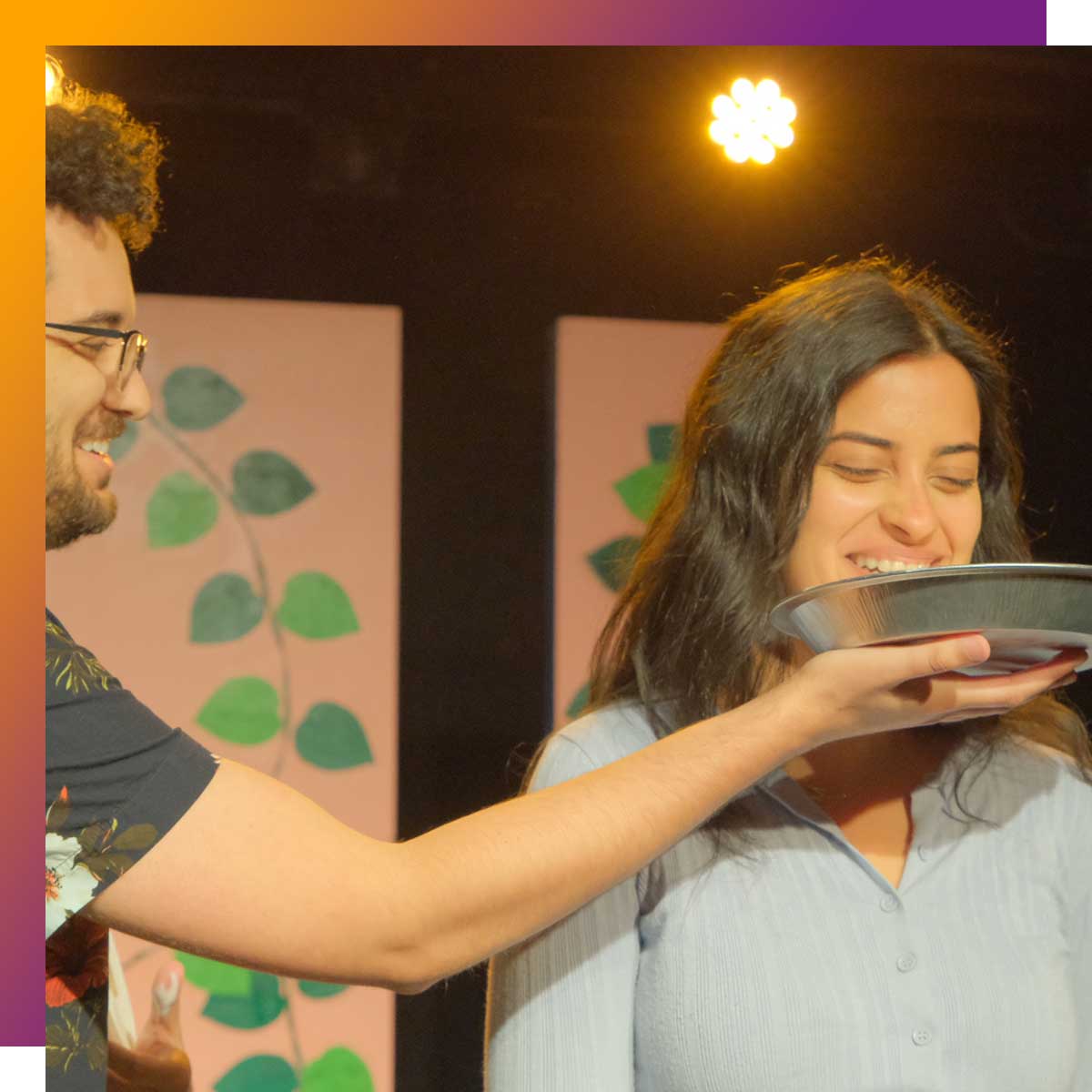
Mahyn Qureshi is a Pakistani Canadian comedian currently residing in Los Angeles. Mahyn has worked in production for shows such as Full Frontal with Samantha Bee, Dino Dana and Animal Control. She has performed on comedy stages in New York, Chicago, Toronto and Los Angeles. You can currently catch Mahyn at her comedic variety show, Class of 1969, doing stand up improv around Los Angeles, crying publicly at a park after receiving an audition rejection or seeing a really beautiful bird.
When did you first realize you had a knack for comedy?
I was always trying to make my parents laugh when I was a kid because my older sister would do it so effortlessly, and she was the coolest person in the world in my eyes. However, my parents were a tough crowd and rarely laughed at my bits! I had almost chalked myself up as not funny until I got to be the narrator in a play called “Stone Soup” in elementary school. There is a part in the play where the narrator kisses a stone and honestly, kissing a stone is really embarrassing when you’re eight (or at any age), but I did it and the crowd thought it was really funny. My mom was a teacher at my school and she was in the crowd and she thought I was funny too. Score!
How did your studies at TMU prepare you for a career in comedy/entertainment?
In so many ways! I’m so grateful for my time at TMU. I actually learned I could have a career in comedy during my time at TMU. In my fourth year of journalism, I did an internship in New York at the show Full Frontal with Samantha Bee (external link, opens in new window) and while I was there, a lot of the comedians that I looked up to suggested I take an improv class. I listened, and it completely changed my life.
What advice would you give to aspiring comedians or writers?
Believe in yourself first. You have to believe in yourself before you expect others to believe in you. If you’re too afraid and don’t do anything, you’ll stay where you are.
One of the best pieces of advice I’ve received is to live your life now — take that road trip, make that really bad short film, get your heart broken a few times — you know, go outside! Life experiences make for rich comedic work and also for a rich and well-lived life.
Also, network, network, network!! Go see comedy shows and talk to people after! Reach out to people you look up to and stay in touch with them throughout your career!
What do you find most gratifying about performing or writing comedy?
I just love it. It’s gratifying to fight for and do something you love with your life. It can get really challenging living “an artist’s life” but I love what I do so much, and when I get to do it, it makes everything worth it. I love getting to spend some of my life doing silly, dumb things with my friends and people I admire. I also love when I’m nervous before an opportunity, and then I get to remind myself that I am literally a clown, and my only goal is to make someone smile.
Where would you go for a laugh in Toronto?
In Toronto, I loved the show Mirchi Comedy at Bad Dog Theatre (external link) .
Find Mayhn on Instagram: instagram.com/mahynrocks/ (external link)