Three extraordinary women leaders making a difference
Left to right: Cindy Blackstock, Melissa Leong and Lavanya Hariharan
International Women's Day (IWD) is celebrated every year to recognize the achievements of women around the world. It is also a time to focus on women's rights and the push for gender parity. In honour of IWD, we spoke with three women who are leaders in their fields and making a difference through their work.
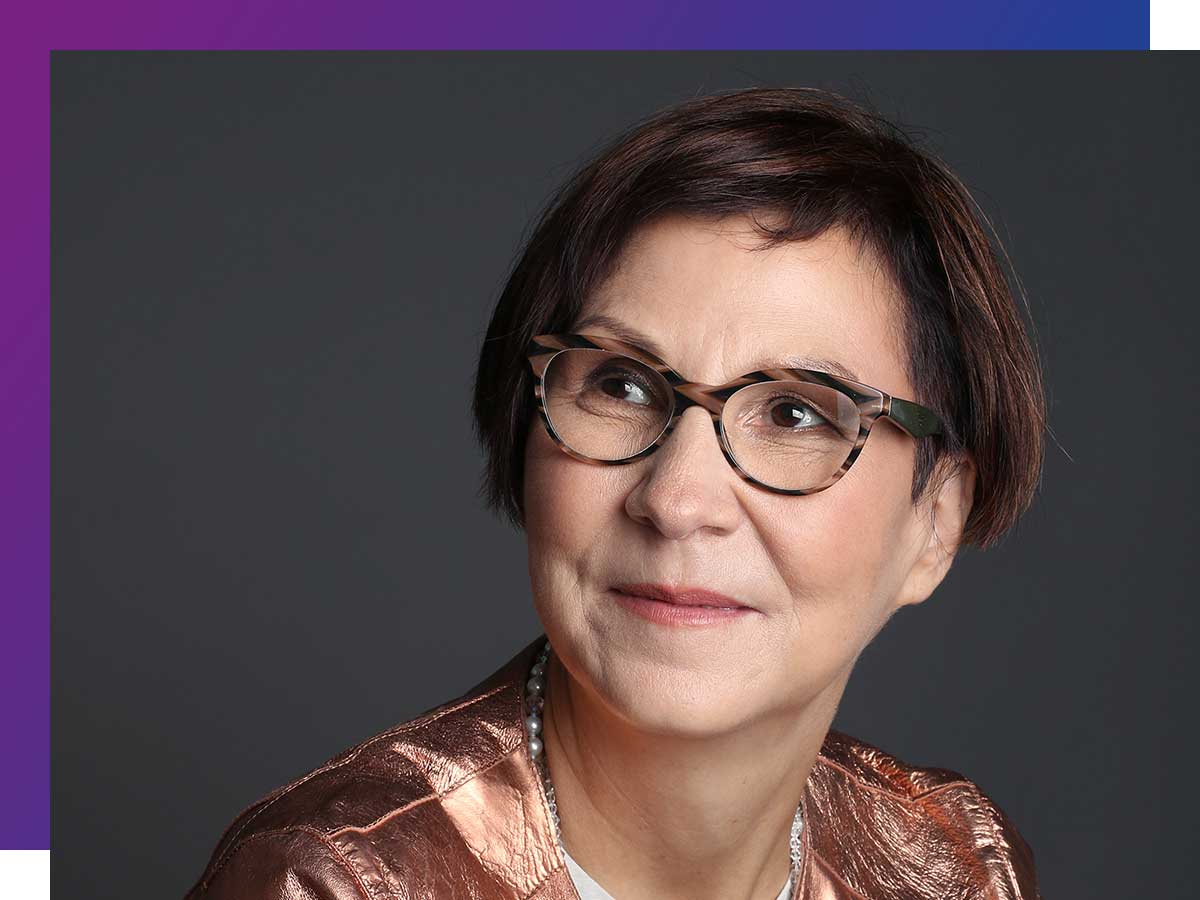
Cindy Blackstock,
Toronto Metropolitan University Honorary Doctorate ’17
Executive Director, First Nations Child and Family Caring Society
Cindy Blackstock is a member of the Gitxsan First Nation and the Executive Director of the First Nations Child and Family Caring Society (external link) . With over 30 years of experience working as an activist for child welfare, she has dedicated her career to championing the rights of Indigenous children. Recently, Cindy worked with First Nations colleagues on a successful human rights challenge to Canada's inequitable provision of child and family services and failure to implement Jordan's Principle. This hard-fought litigation has resulted in hundreds of thousands of services provided to First Nations children, youth and families. She also served on the Pan American Health Commission on Health Equity and Inequity, and fundamentally believes culturally-based equity is essential to meaningful reconciliation. Cindy is frequently sighted in the company of the Caring Society's reconciliation Am-bear-rister, Spirit Bear, engaging children in meaningful actions to implement the TRC Calls to Action.
She is a professor at McGill University in the Department of Social Work and has published more than 75 articles on reconciliation, Indigenous theory, First Nations child welfare and human rights. Most recently, Cindy was named among the Top 25 Women of Influence (external link) for her extraordinary accomplishments in Canada.
What has been the most rewarding part of your career?
There have been many rewards, but two key things come to mind. First, seeing the hearing rooms for the human rights case full of children and youth of all backgrounds. They had come to learn about Canada's treatment of First Nations children today and filled mailboxes with their letters supporting fairness for First Nations children, youth, and families. Children are good at reconciliation—they know it is about truth and justice!
The second is seeing First Nations children, youth, and families finally get something closer to equitable services. The human rights case has already resulted in First Nations children getting over $1.2 million of services through Jordan's Principle (external link) and new funding to keep First Nations children safely at home.
What is your hope for the next generation of children in this country?
My hope is that First Nations children will never have to grow up recovering from their childhoods and non-Indigenous children never have to say they are sorry.
That First Nations children can dream of growing up to be an astronaut, a doctor, a teacher, a dancer, a carpenter, a knowledge keeper, or a journalist instead of just dreaming of getting a clean glass of water or a school without black mould.
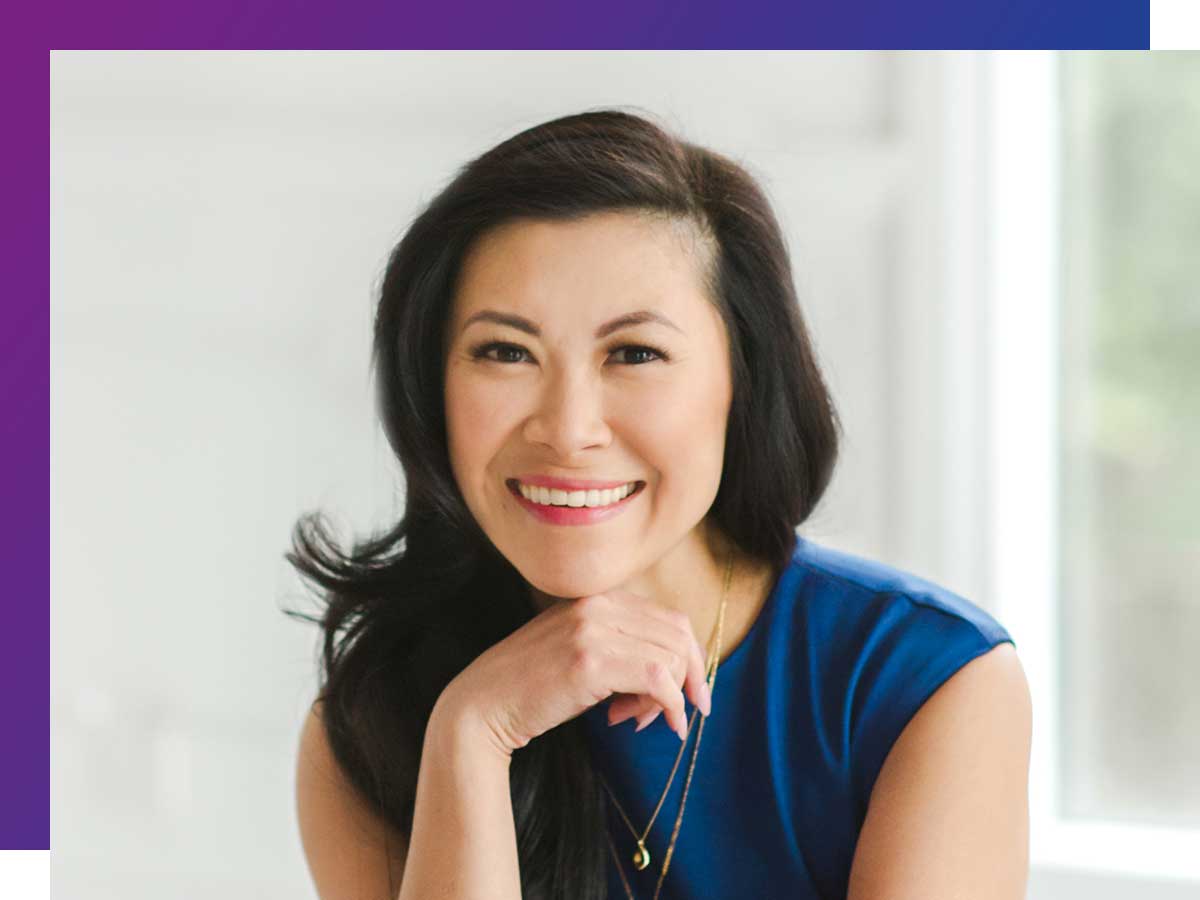
Melissa Leong,
Journalism ’02
Speaker, media personality, best-selling author and podcast host
Photo by Vicki Bartel
Melissa Leong is a sought-after speaker, national media personality, best-selling author and award-winning writer. She's the author of the feel-good finance guide, Happy Go Money, is a repeat guest on The Drew Barrymore Show on CBS, and serves as the resident money expert on Canada's leading daytime talk show, The Social. In addition, she's the host of the top business podcast, Money Moves: Conversations about Investing, and was formerly the personal finance writer for the Financial Post.
Melissa is a go-to money expert for radio and television programs, frequently appearing on BNN, CBC Radio, Breakfast Television, CP24, Global News and Your Morning. In her spare time, she mentors youth and volunteers for organizations that promote the advancement of women. She's fiercely passionate about helping all women rise through financial empowerment and impactful communication.
Why is it essential to empower people to be more knowledgeable about their finances?
Nothing makes a woman more powerful than financial independence. Even in the face of challenges and inequities, we need to become champions of our own money. When a woman builds wealth, this is a form of social justice. It is a way to build a foundation of support for ourselves, our community and future generations — and building wealth is the highest form of self-care. Women who live longer than men face a wage gap, a so-called caregiver penalty, yet we are less prepared for retirement and feel less confident about long-term investment planning.
What motivates you to dedicate time to mentor youth and support causes that work towards the advancement of women?
I am keenly aware that as the daughter of immigrants, I stand here because of the sacrifices that my family members made. While their husbands came to Canada to work, my great-grandmothers and grandmothers raised children alone in China, ran businesses and survived invasion and war. Strong women help other women become strong.
Why do you think it's important to celebrate International Women's Day and Women's History Month?
The pandemic has amplified the inequities we face — especially for women who are Indigenous, racialized, newcomers, 2SLGBTQI+ or living with disabilities. In Canada and globally, women were more likely than men to have quit or lost their job during the pandemic. Women also bore the burden of unpaid care work. Now, more than ever, we need to celebrate, champion, and advocate for women, ourselves, and others to continue building the world we want to see.
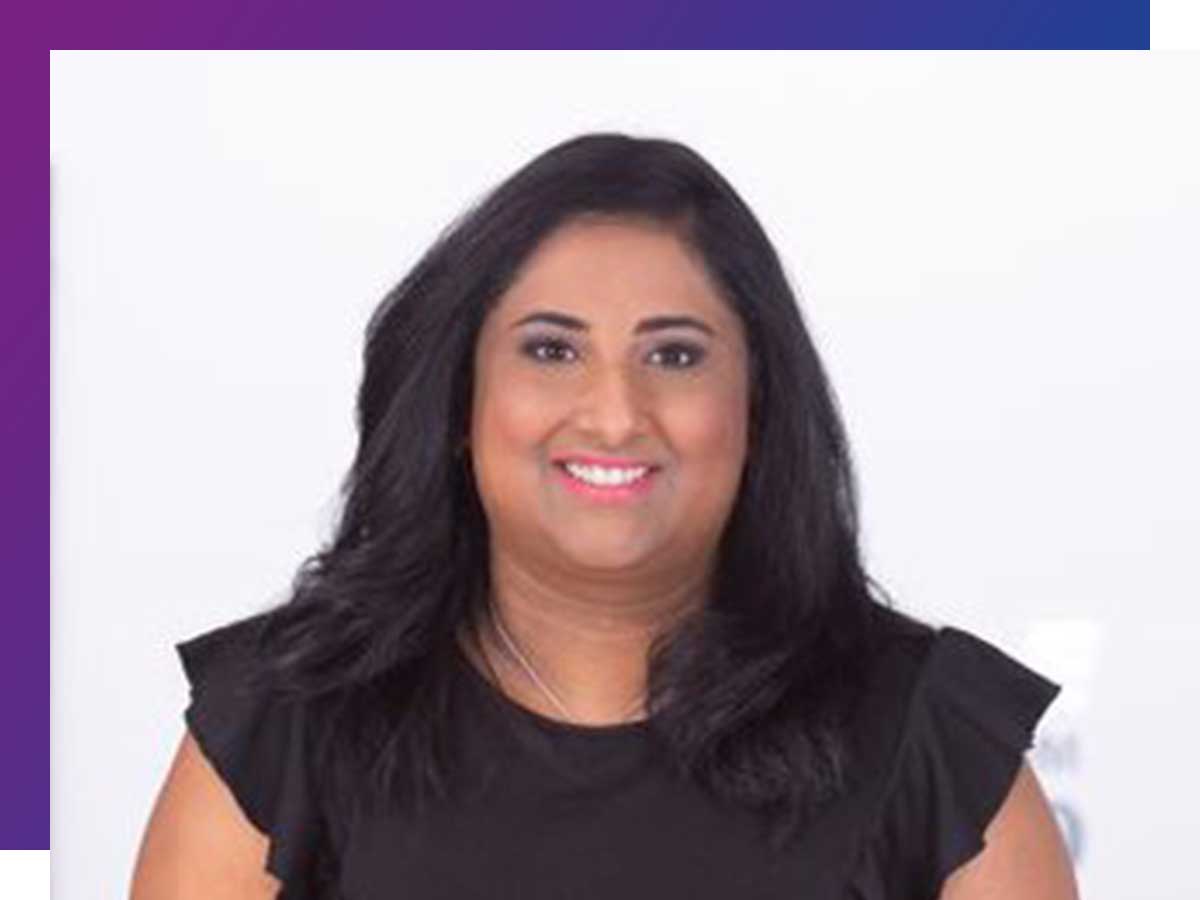
Lavanya Hariharan,
Electrical & Computer Engineering ’16 (Masters)
Supervisor Technician Services, Enbridge
Lavanya Hariharan is an Electrical and Computer Science engineer with over 15 years of experience in projects and people management in the natural gas, utility and process industries.
After immigrating to Canada from India in 2008, Lavanya worked in the rail signalling and security industry before joining Enbridge six and a half years ago. She is currently working as Supervisor for technicians for two major compressor stations and previously worked in operational, engineering and safety leadership roles. Lavanya graduated from Toronto Metropolitan University with a Master's degree in Electrical and Computer Engineering and is a certified scrum master.
She has received multiple awards throughout her career, including recognition for her work at Tyco Safety Products, a Volkswagen design award, and various Stellar awards within the Enbridge organization. Last year, Lavanya was named among WXN's Top 100 Most Powerful Women (external link) . Additionally, she is vice-chair on the Canadian Gas Association's Cyber Task Force, is a member of the Diversity and Inclusion committee at Enbridge and volunteers as a remote community teacher in Science and Mathematics.
Why is it important that there is representation of women in your industry?
Women are strong and wear many hats in life. Leaders in male-dominated industries need to make an effort not to reinforce gender stereotypes at work. There is also the issue of intersectionality that impacts many women when we think about diversity and inclusion. We need to encourage and bring more allies to help improve the situation. It is a journey, and we are already on it.
What advice can you offer women interested in pursuing roles in STEM?
Never doubt yourself. If you cannot do it, no one can. So believe in yourself and pursue your aspirations and goals even if there is a fall.
In addition to your work, you are part of a diversity and inclusion committee at Enbridge and volunteer as a remote teacher. What motivates you to give back in these roles?
Volunteering is an excellent opportunity for self-awareness. It is also a great way to learn important values that I can instill in my children. As a teacher, I am a role model and work with the future generation to help their dreams become a reality. As part of Enbridge's diversity and inclusion initiatives, I help promote STEM and leadership roles for many women and allies.