Future-Proof Your Career: AI & Cybersecurity
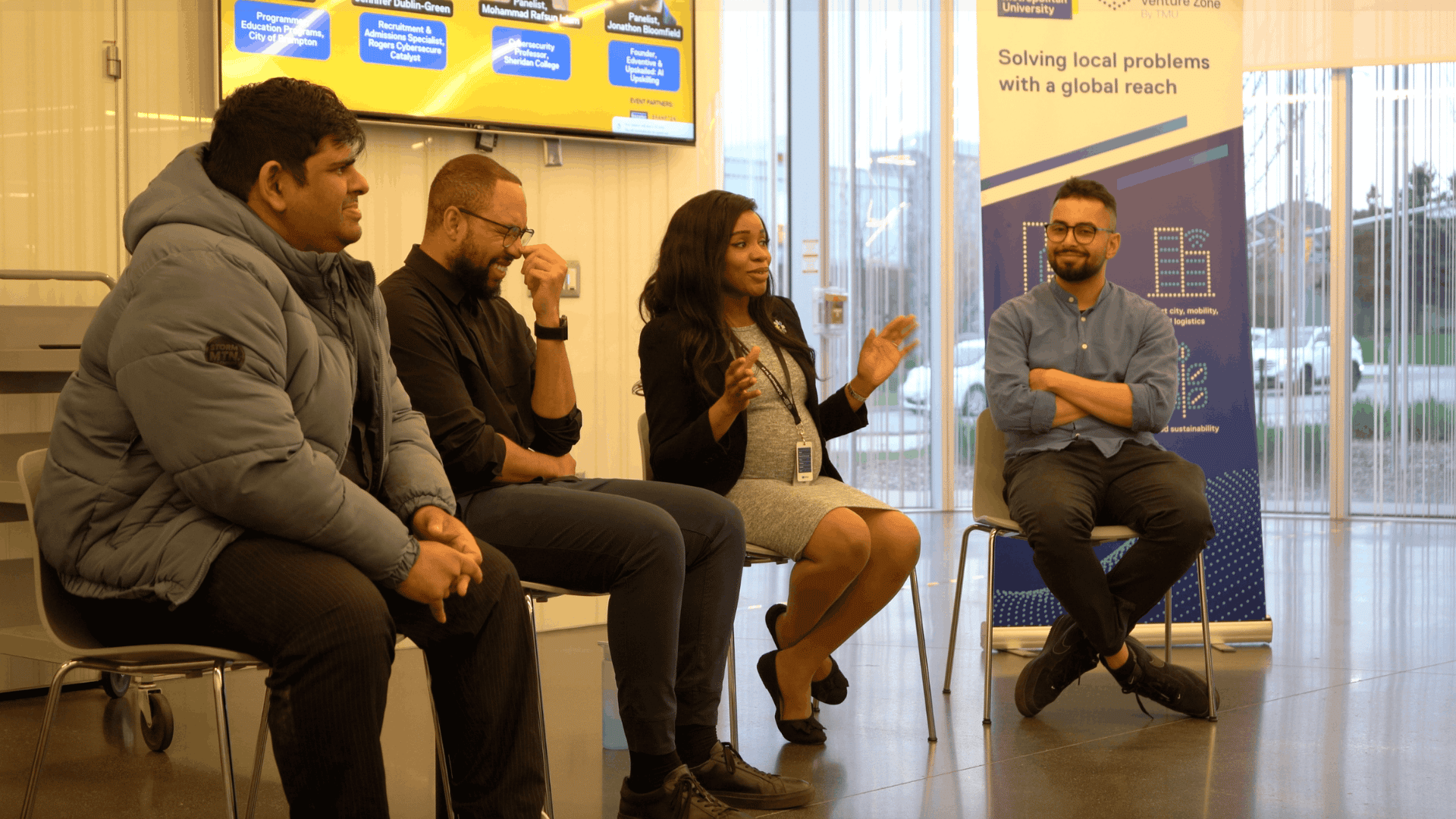
From left to right: Professor Mohammad Rafsun Islam, Jonathon Bloomfield, Jennifer Dublin-Green, & Manav Sidhu
May’s Brampton Tech Talk for Youth Week, organized by BVZ, focused on the timely topic: Future-Proof Your Career: AI & Cybersecurity. The event brought together a packed room of students, young professionals, and career changers eager to learn about the future of tech. From youth as young as Grade 6 to adults exploring new opportunities in the industry, the energy and engagement throughout the evening were incredible.
The discussion was brought to life by three standout voices from across the tech landscape, all expertly guided by moderator Manav Sidhu (external link) from the City of Brampton's Economic Development Office. This wasn't a passive panel — it was a conversation, and everyone in that room showed up ready to be part of it.
Meet The Panelists
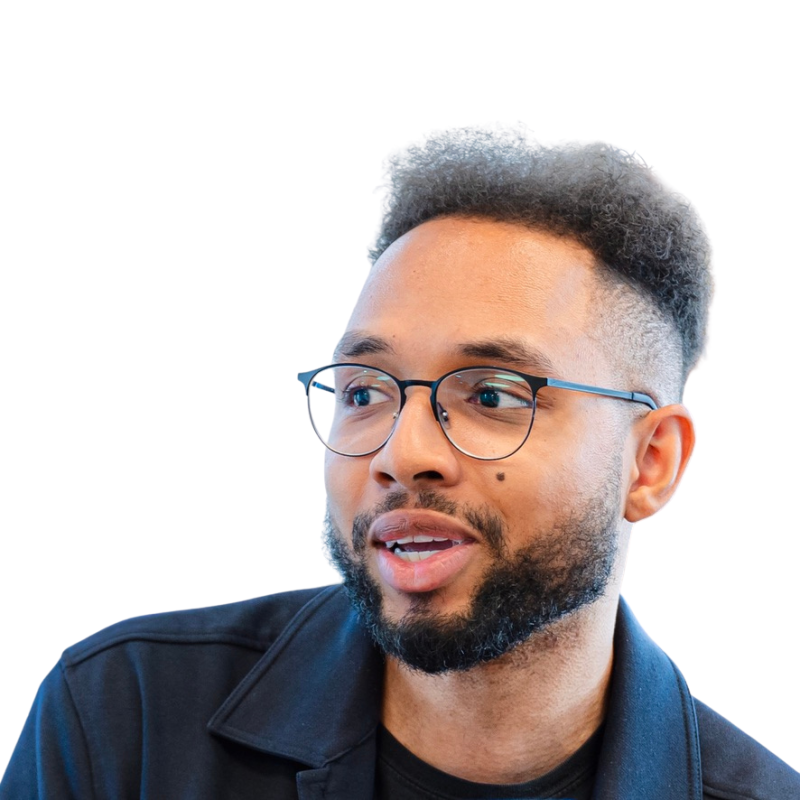
Jonathon Bloomfield is an educator-turned-entrepreneur who runs two ventures: Edventive, his startup building teacher-centric productivity tools, and Upskailed, his AI consultancy for business and nonprofit leaders.
Outside his companies, Jonathon serves as an Entrepreneur in Residence at the University of Toronto's Black Founders Network and mentors underrepresented youth in STEM and entrepreneurship.

Jennifer Dublin-Green is a Recruitment & Admissions Specialist at Rogers Cybersecure Catalyst, Toronto Metropolitan University, , where she supports programs that help learners explore pathways into cybersecurity careers.
Jennifer is passionate about expanding access to cybersecurity education and regularly engages with students, educators, and community partners through workshops, events, and outreach initiatives that promote cyber safety, digital citizenship, and social media literacy.
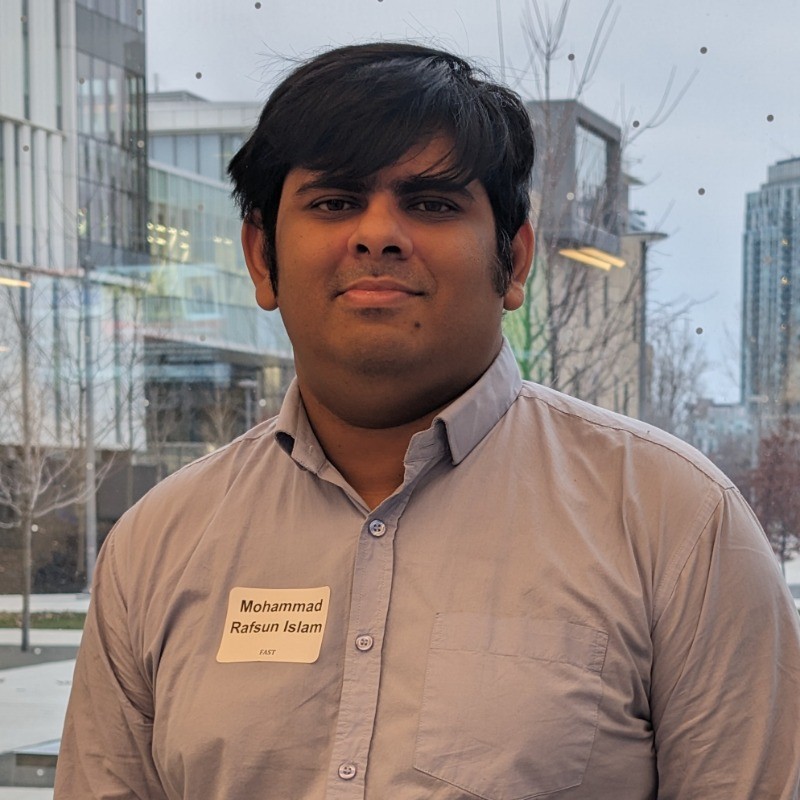
Mohammad Rafsun Islam is a Program Coordinator and Professor in the Cybersecurity program at Sheridan College, with expertise in ethical hacking, web application security, and intrusion detection.
With over 7 years of experience across academia and industry, he has served as a professor, lecturer, cybersecurity engineer, research and teaching assistant, and web security tester. He has taught courses in cybersecurity, artificial intelligence, programming, and networking, and has published research in cybersecurity and AI.
Key Takeaways from the Night
The conversations were genuinely honest, practical, and full of the kind of insight you don't always get in a formal setting. Here's what stood out:
1. Use AI intentionally — how you prompt makes all the difference
Jonathon was direct: the way you prompt AI is a skill, and vague inputs get vague outputs. Give context, be specific, and don't blindly accept what comes back. Recruiters can tell when someone has truly leveraged AI versus just copy-pasted output — and they want people who can use it to go further, not just go faster. The best move? Take risks, build something real with AI, and learn from the doing. You'll pick up more from launching a personal project than from any tutorial.
The takeaway was clear, learn to work with AI thoughtfully, and it becomes a genuine advantage. Treat it as a shortcut, and it becomes a ceiling.
2. Cybersecurity is accessible — and there's a path for everyone
Jennifer and Professor Mohammad both made clear: you don't need a degree to get started. Platforms like TryHackMe (external link) offer hands-on, self-directed learning for anyone curious about the field. For youth, Jennifer highlighted CyberStart Canada (external link) — a free, gamified program from Rogers Cybersecure Catalyst, supported by RBC and built in collaboration with TryHackMe, designed to make cybersecurity genuinely fun to explore.
That said, Professor Mohammad was equally clear that structured schooling brings its own real advantages — a built-in framework, guidance from instructors, the chance to compete in hackathons, and the kind of peer and industry connections that are hard to replicate on your own. Whether you start free and self-directed or go the formal route, the important thing is that you start.
3. Stay eager —tech moves faster than any curriculum can keep up
Whether you go the formal education route for structured learning and peer connections, or the self-directed path for flexibility and career switching, every panelist's message was the same: your eagerness to keep growing matters more than the path you took. Both AI and cybersecurity evolve constantly, the people who thrive are the ones who stay curious and never stop learning.
Brampton Isn't Waiting for the Future
The next generation isn't waiting and last night proved it. Seeing a grade 6 student raise their hand next to someone switching careers was a reminder of exactly why events like this matter in Brampton.
Subscribe to our newsletter (external link) to stay connected about future events!