Ethical Encounters
Material Innovation
A big part of sustainable fashion and business is the materials used to create goods. In the recent years, we have seen lots of textile and raw material developments. From plastic bottle fabric to pineapple leather, the list goes on and on!
When talking about material innovation, there is no better company to highlight other than Fashion Zone member Daveed (external link) .
"The materials we use fuse exceptional quality with sustainability: and if those materials don’t exist, we engineer them ourselves."
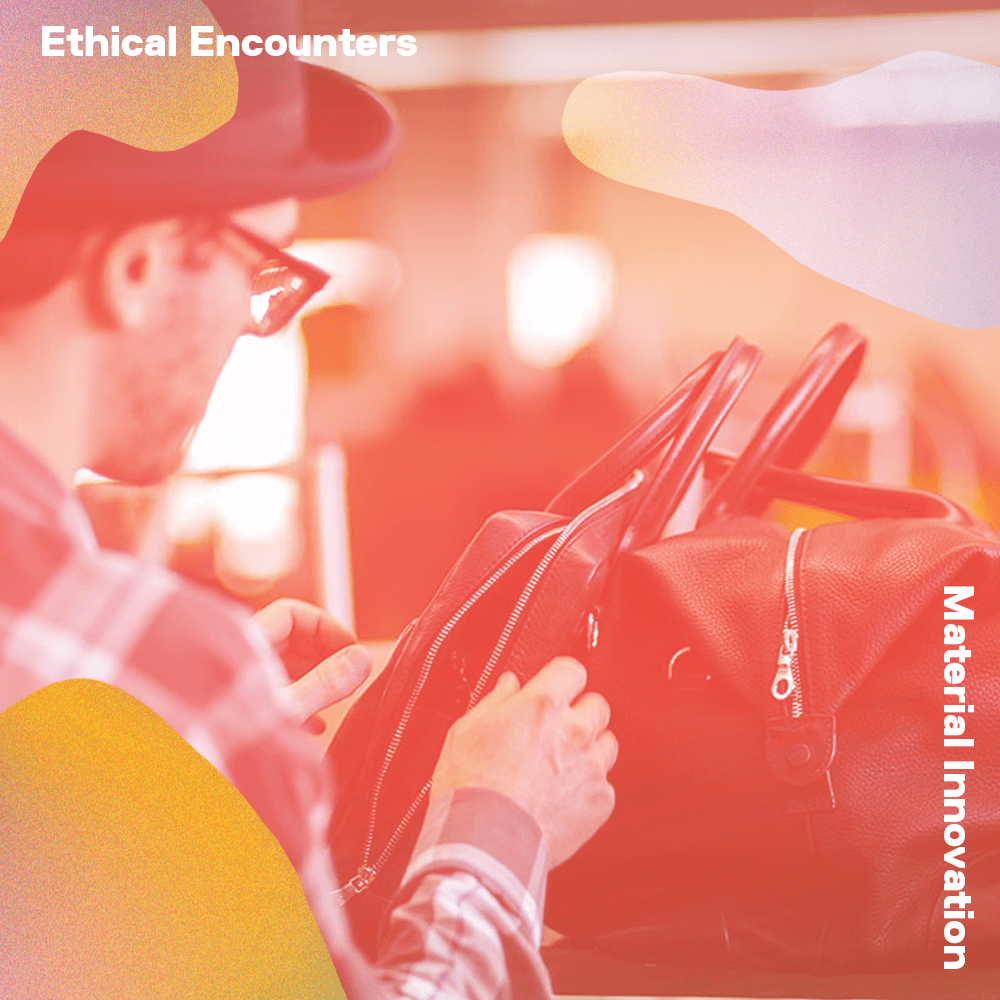
Daveed packed their bags and worked with a small tannery in the rural town in the North Rhine-Westphalia region of Germany to develop Nixburg Bullskin®. Some features of the material include:
- 80% less water use than other leathers
- 75% less energy use than other leathers
- 99% usage of hide including byproducts
If you want to know more, Daveed has a detailed account of the brand story and their manufacturing process.
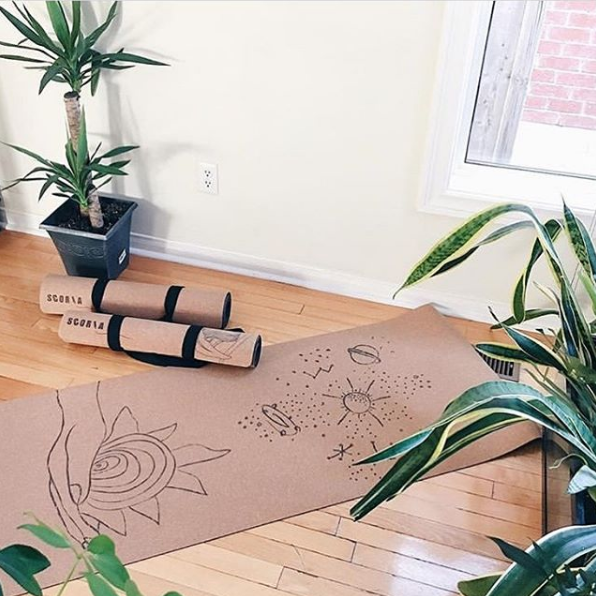
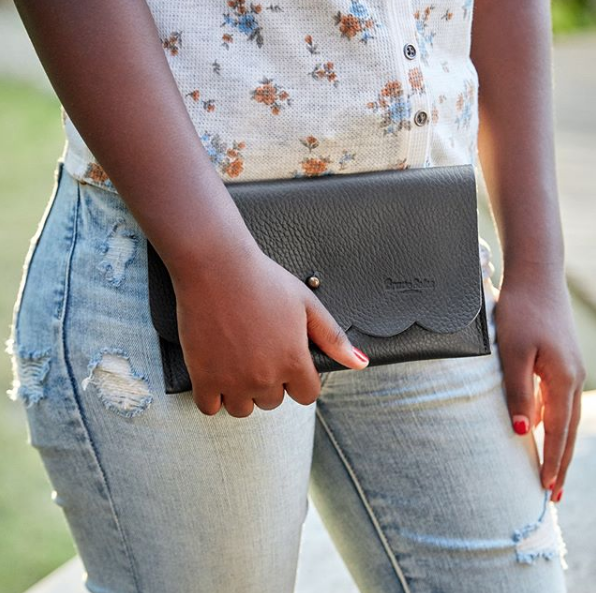
More Fashion Zone companies who have innovative materials

Sustainable Design
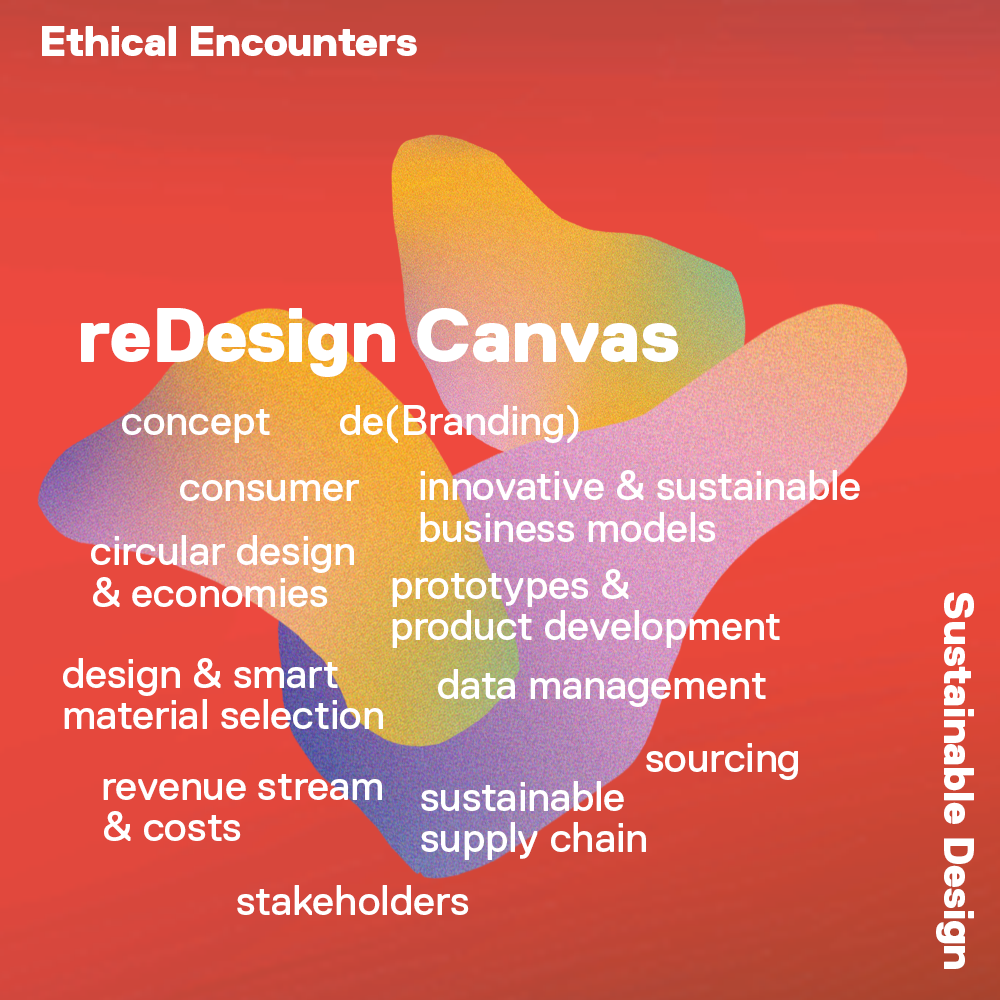
The reDesign canvas is a design tool made by Ryerson professors Anika Kozlowski, Cory Searcy, and Michal Bardecki for design entrepreneurs. It can be used by entrepreneurs to develop a sustainable fashion enterprise.
The canvas consists of 12 building blocks:
- concept
- consumer
- (de)branding
- circular design and economies
- business models
- value proposition and innovation
- revenue streams and costs
- sourcing
- design
- smart material selection
- prototypes and product development
- supply chain
- data management
- stakeholders
Read the full article on the reDesign Canvas (PDF file) here (external link) .
Circular Business Model
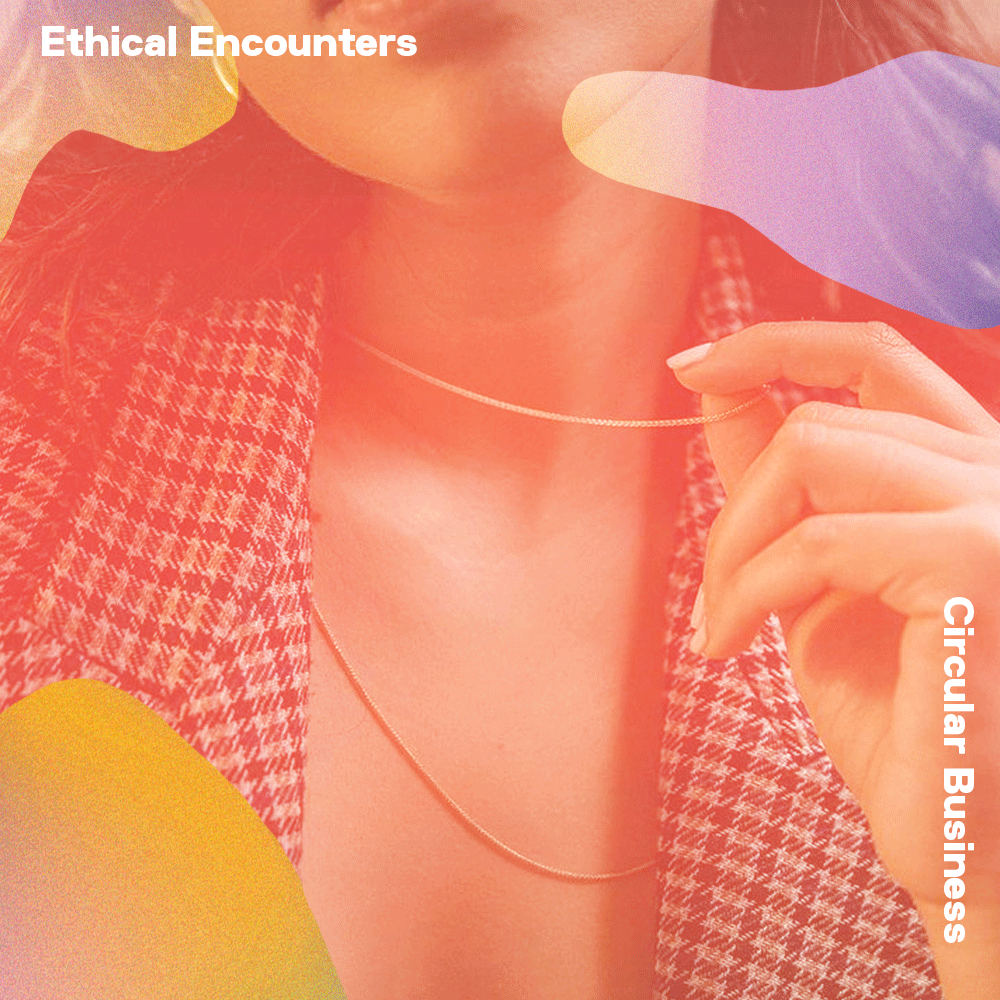
Our last Ethical Encounter is with circular business, Finley. A circular business uses innovative resources and manufacturing processes to significantly reduce their environmental impact.
Finley creates products that are built for long-lasting wear. They hand-polish their jewelry to minimize waste, recycle their leftover gold, and invested in infrastructure that minimizes their wastewater footprint. Finley's workshop is proudly SA8000 and ISO14001 certified.
Finley tells us that being a circular business has connected them with like-minded people and businesses. Being a circular business comes with its own challenges.
Finley expresses that because they have a made-to-order model to lessen excessive production, they need to find the balance of meeting consumers' expectations and what is right for the environment. They're also prioritizing their values as they continue to scale.
More circular Fashion Zone companies

Article References
Kozlowski, A., Searcy, C., & Bardecki, M. (2018). The reDesign canvas: Fashion design as a tool for sustainability. Journal of cleaner production, 183, 194-207.