TMU doctors reflect on humanitarian work in Jamaica
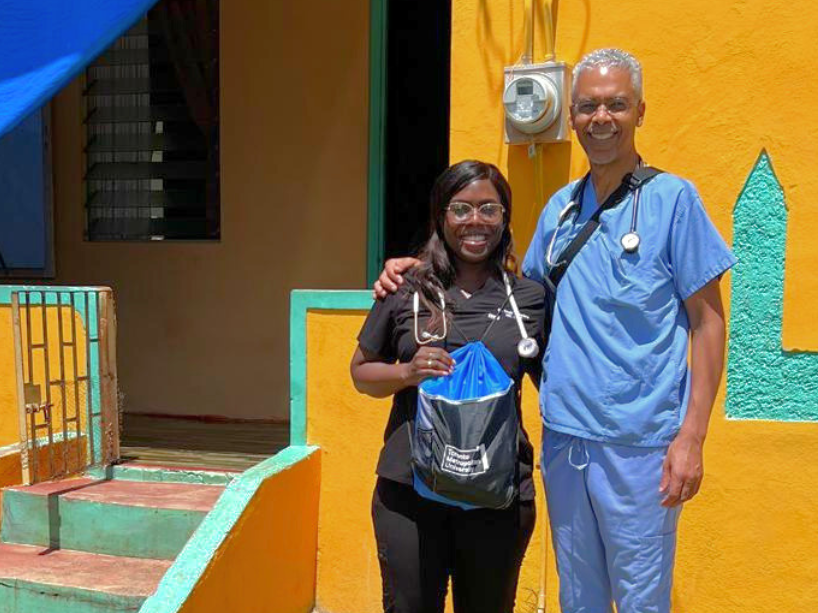
Six months after Hurricane Melissa tore through Jamaica, the headlines had long faded. But in Maggotty, a rural community in the island's southwest, recovery was still unfolding in small but significant ways—in rebuilt homes, conversations about loss and patients arriving at a local clinic seeking care.
Earlier this spring, Drs. Trudy McFarlane and Dominick Shelton of TMU School of Medicine travelled to Maggotty to volunteer at the Holy Spirit Primary Care Clinic, where they witnessed firsthand how the effects of a disaster continue to shape health long after the storm has passed.
“Visiting Jamaica following Hurricane Melissa made this medical mission especially meaningful,” said Dr. McFarlane, Interim Associate Dean of Black Flourishing at the TMU School of Medicine. “In the months after the hurricane, it was difficult speaking with family in Jamaica and feeling so far away. Being able to return to a place we call home and support the community’s recovery firsthand made this experience deeply significant.”
Both of Jamaican heritage, Drs. McFarlane and Shelton understand that health is shaped by far more than medical care alone.
Alongside seeing patients at the clinic, they made home visits throughout the surrounding community—an experience Dr. McFarlane found particularly impactful.
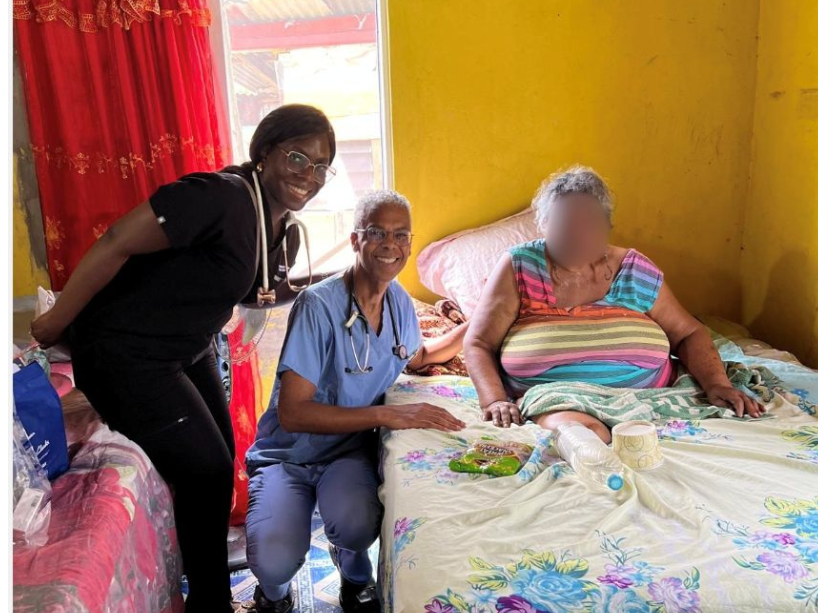
We aim to teach our learners that health and well-being are not limited to a diagnosis or chronic condition,” she said. “To truly understand a person’s health, you have to see them in the context of their lives.”
In the eye of the storm
When Hurricane Melissa made landfall on Jamaica's southwestern coast, the parish of St. Elizabeth bore the brunt of the storm. Roads were washed away, homes damaged, electricity interrupted and crop fields devastated, disrupting the livelihoods of many families in the region.
Maggotty remains on the long road to recovery. The community is home to the Holy Spirit Primary Care Clinic, which has provided accessible and affordable care for local residents for decades.
For Dr. Shelton, the trip marked 20 years of annual volunteering with the clinic. For Dr. McFarlane, it was her first visit.
“I've always wanted to be involved in humanitarian work and medical missions,” said Dr. McFarlane. “I've trained abroad, but I hadn't had the opportunity to return to this kind of work until now.”
From Jamaica to Brampton
For Dr. Shelton, Assistant Dean of Recruitment and Admissions, the experience reinforced lessons that extend well beyond the clinic.
“There are a lot of people who don't achieve their full potential because of their life circumstances,” he said. “In admissions, we have to remember that while many candidates excel academically and achieve many things, there are others with tremendous potential who may not have had the same opportunities to demonstrate it.”
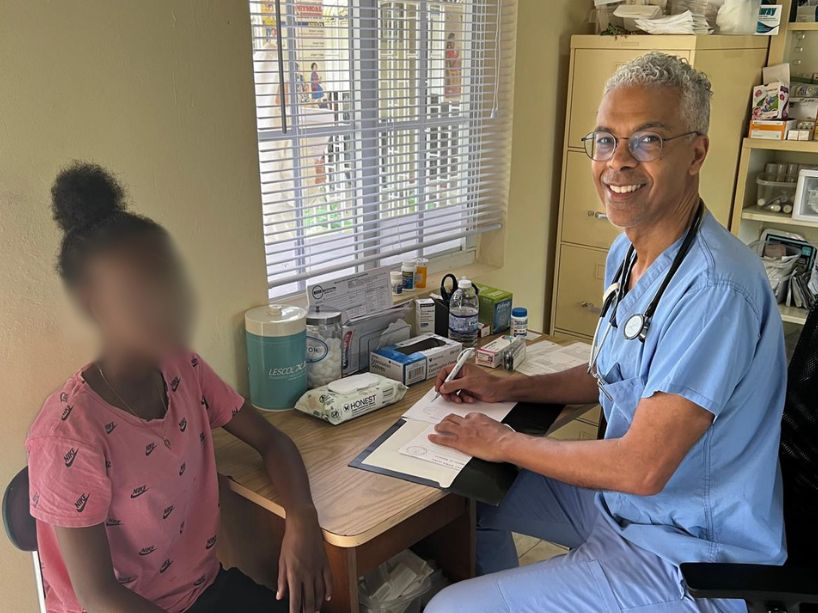
“Seeing and treating people in the clinic is a reminder that we are products of our environments. Given the opportunity to succeed, I think many of the patients would flourish in a profession that serves others because they understand the challenges many people face who live in low resource regions.”
Fostering humanitarianism in future doctors
Drs. McFarlane and Shelton's experience reflects many of the values at the heart of the TMU School of Medicine: community engagement, cultural humility, advocacy and relationship-centred care.
“While we need to be mindful of the social and structural determinants of health, this experience reminded me that individuals and communities are so much more than their challenges,” said Dr. McFarlane.
“I came away deeply inspired by the sense of community I witnessed there. It was a reminder to recognize and appreciate the strengths, resilience and resourcefulness of people and communities, because those qualities contribute to health, healing and well-being too.”