Teaching doctors to think like doctors: facilitators at TMU
Training the next generation of physicians is a collective effort, and facilitators play a vital role. At TMU School of Medicine, facilitators build meaningful connections with students, helping bridge the gap between theory and practice so they’re prepared to care for their communities.
In small-group settings, facilitators guide learning by fostering curiosity in a judgment-free environment. Through case-based and tutorial-style sessions, they don’t lecture – they prompt critical thinking, ask thoughtful questions, and support students as they apply their knowledge and begin to think like physicians.
Shape the next generation of doctors. Visit the School of Medicine Careers page to see open Facilitator positions.
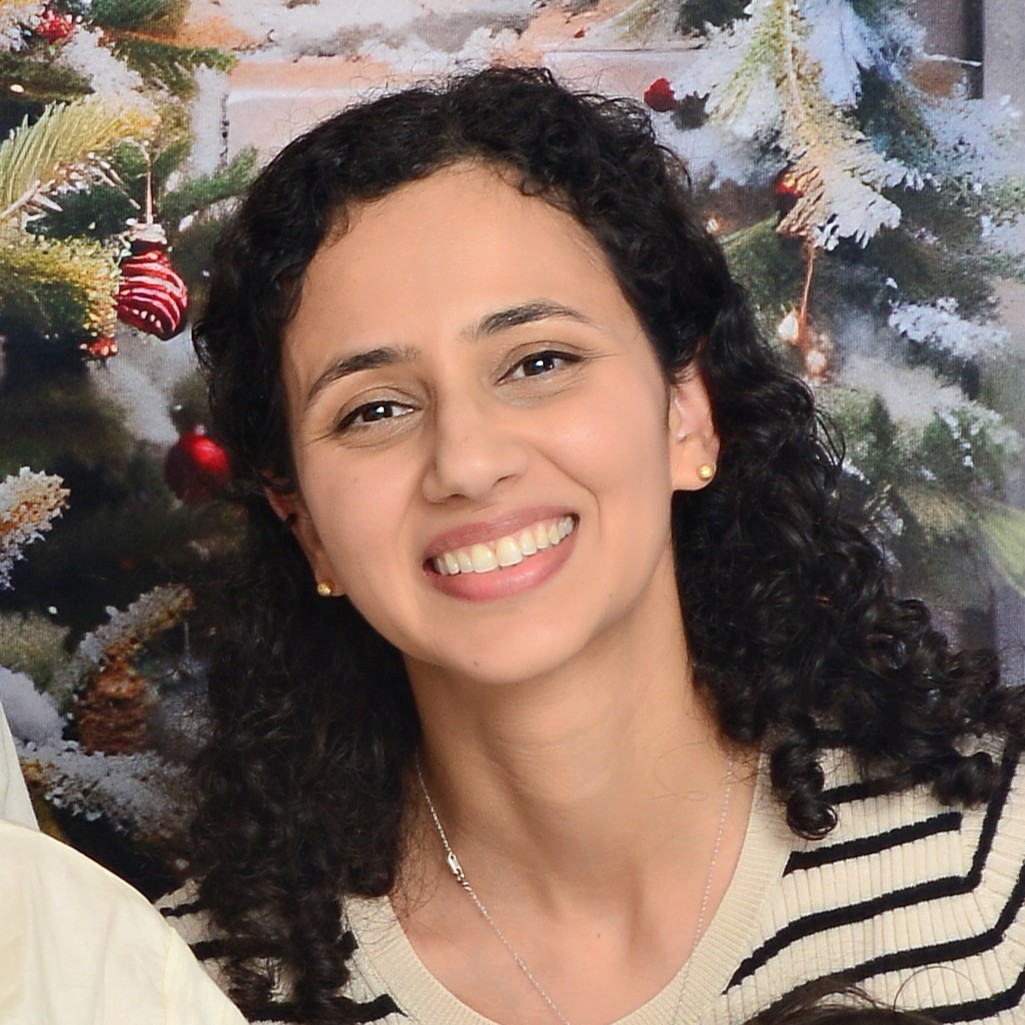
“I initially became a facilitator to ‘pay it forward’ and honour the mentors who guided me through my own medical school journey. I’ve since found it is a privilege to participate in the education of future physicians, helping them navigate what lies ahead with clarity and confidence.
Facilitation is a meaningful way to grow as a physician while actively contributing to the education of the next generation. The students will end up teaching you just as much as you teach them. For me, that is one of the most rewarding parts of the whole experience.”
- Dr. Savitoj Khehra, TMU SoM facilitator in Community & Global Health and Personal & Professional Development
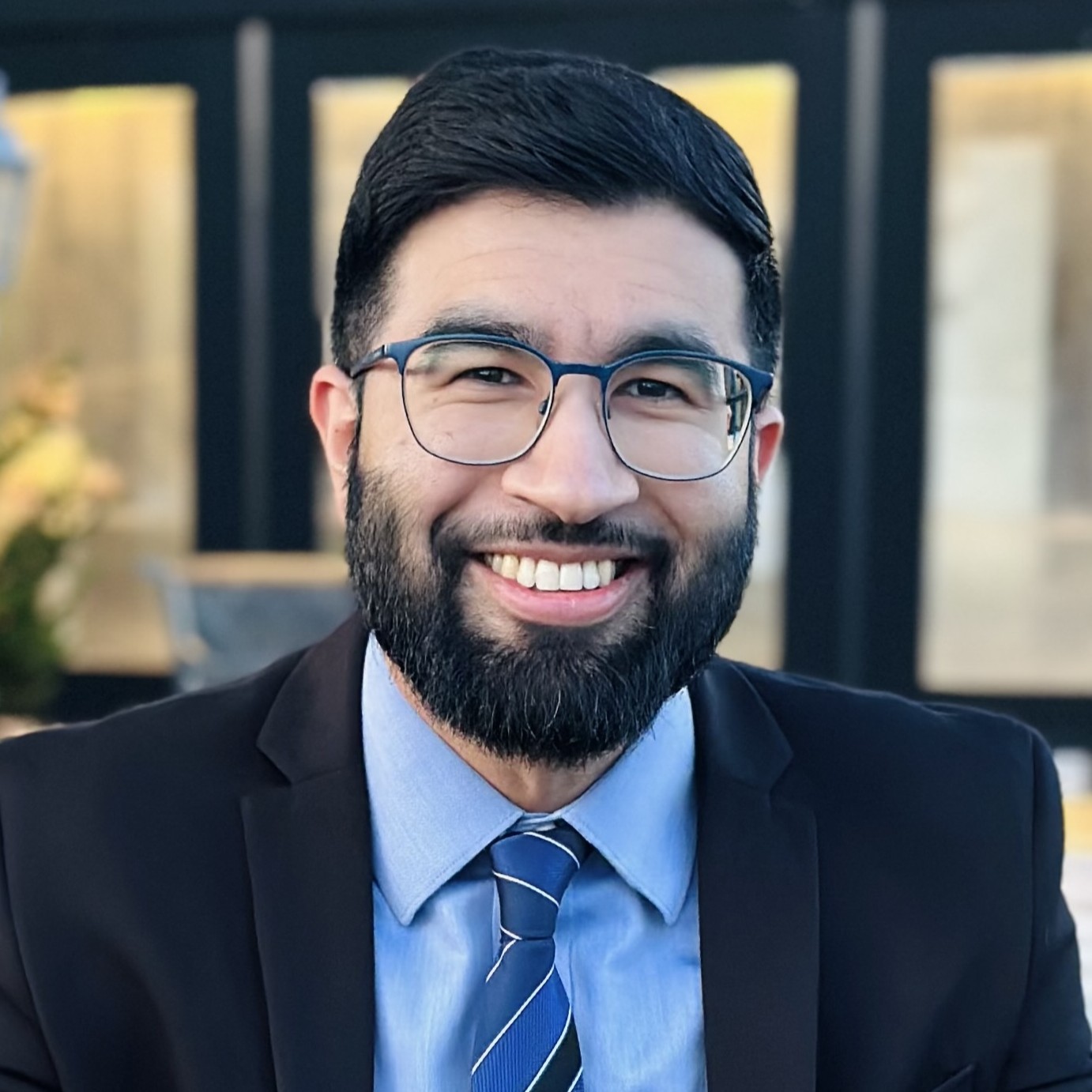
“Facilitating has broadened my appreciation for the connection between theoretical learning and clinical practice. Observing students work alongside patients, they come into the encounters with a curious mind and a rich appreciation for the challenges our patients face.
I think being exposed to these encounters early on teaches students to be well-rounded clinicians, and for me, has been an inspiration for the never-ending journey that comes with being a doctor. Ultimately, facilitating humbles me as a physician and teaches me to be a more well-rounded, compassionate, knowledgeable clinician.”
- Dr. Taaha Muhammed, TMU SoM facilitator in Person-Centred Care and Principles of Medicine
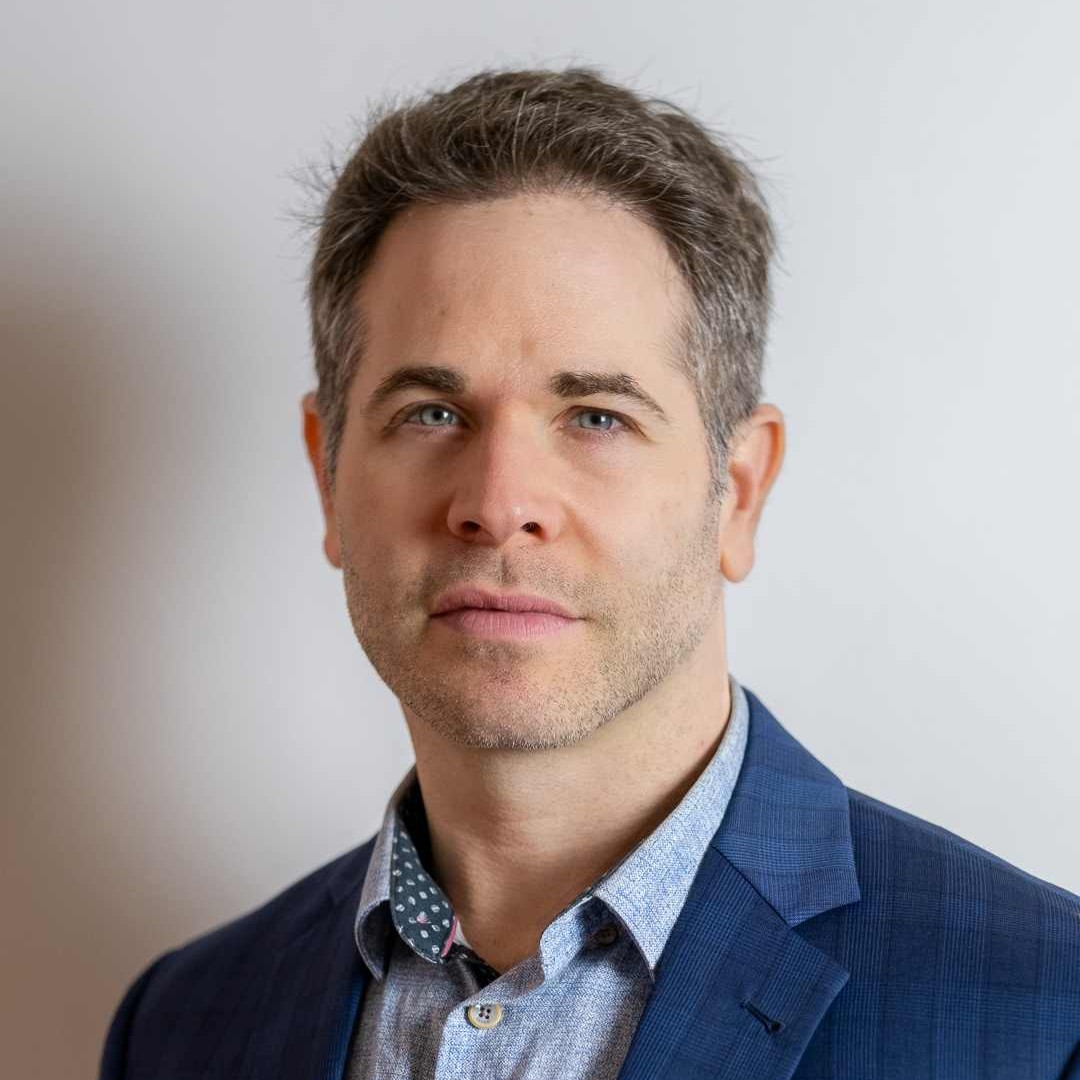
“Facilitation has really reinforced the importance of some of the ‘softer’ skills in medicine. I find myself being more intentional about using non-judgmental language and approaching situations with curiosity rather than frustration, especially when things don’t go to plan. Those communication skills translate directly into better patient care.
In my facilitation, I often use concept maps because they help reveal how students are organizing their thinking, and they can be very diagnostic when something doesn’t quite fit. I remember watching one group I was facilitating create an exceptionally strong concept map—it was clear, comprehensive, and honestly better than I could have done myself. It was a great reminder of what learners can achieve with the right guidance.”
- Dr. Phillip Dwek, TMU SoM Facilitator in Principles of Medicine and an Academic Coach
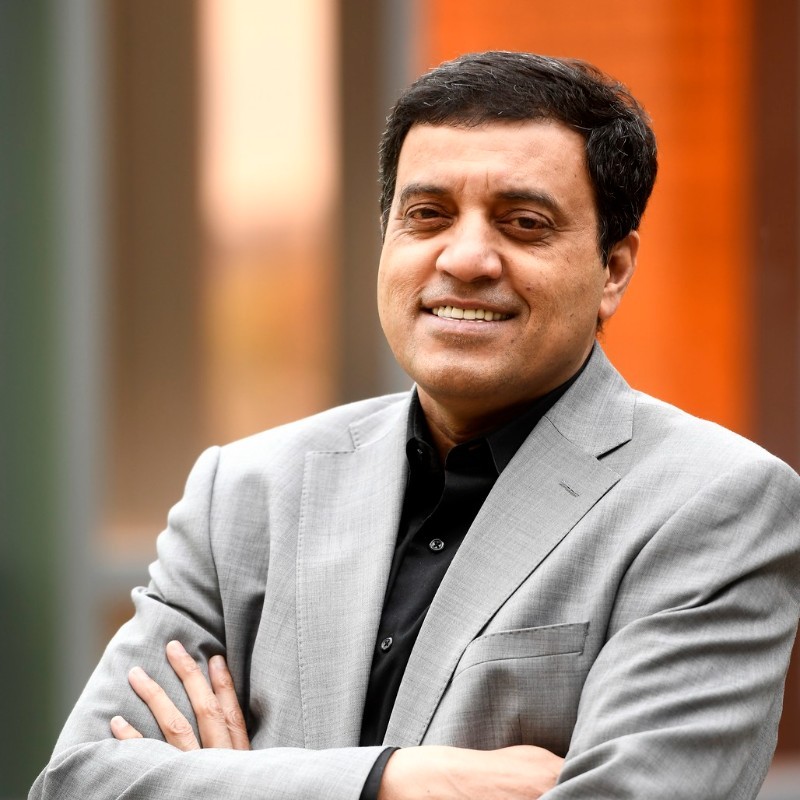
“I became a facilitator to be a part of the excitement that the new medical school has brought, and to do my part in shaping the amazing new physicians we’ll create as a School and a community. I realized very quickly that I was learning as much as I was teaching. As I help mould new physicians, our interactions and small group sessions have shaped my own clinical practice into a more modern, evidence-based practice.
To anyone wanting to become a facilitator – yes, you will help students learn medicine, but sharing the lessons from your life experiences will be just as valuable in helping them become the best physicians they can be. That is what we want for our future doctors.”
- Dr. Naveed Mohammed, TMU SoM Facilitator in Principles of Medicine