How TMU medical residents are learning care through art
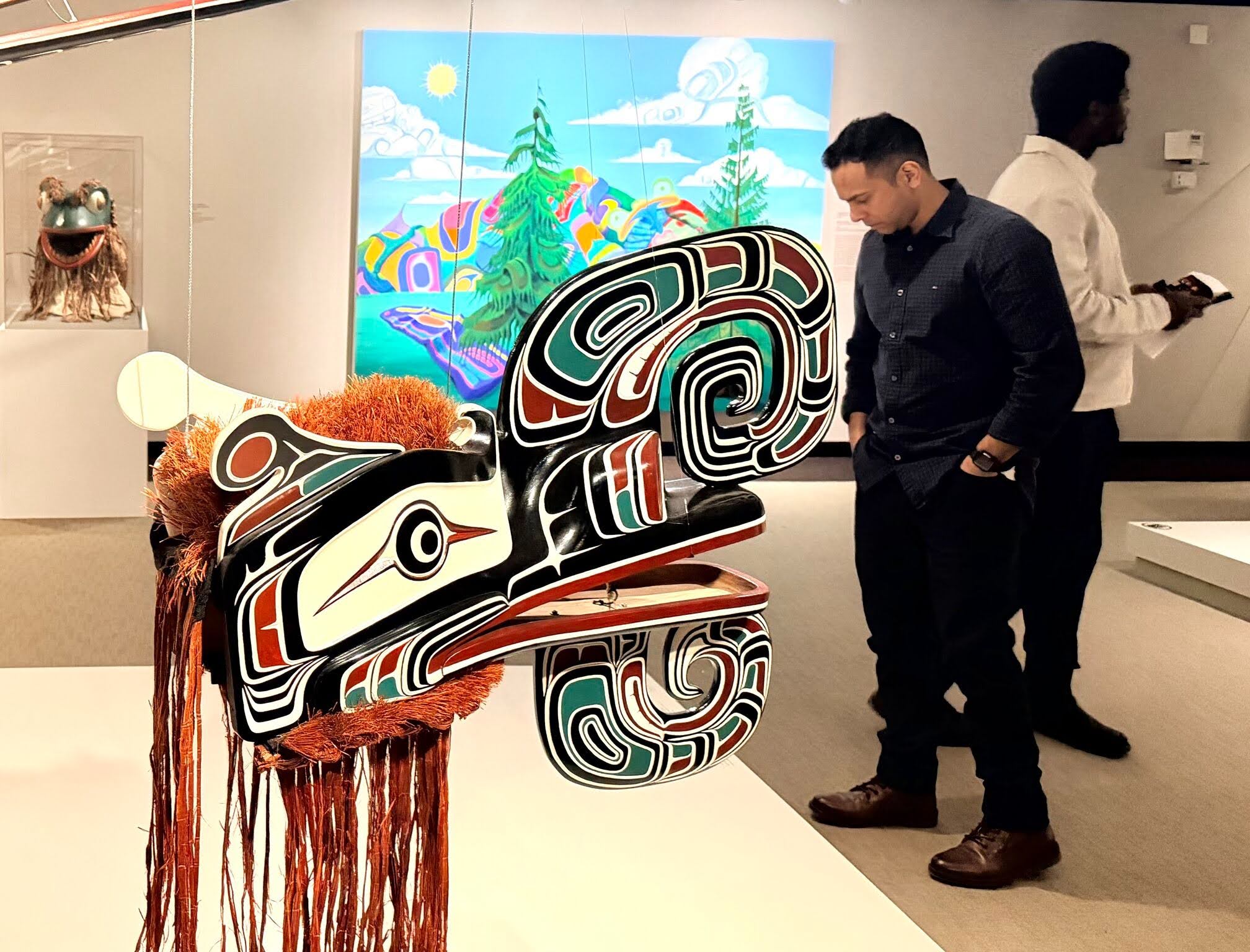
Where the art of medicine is taught, so too is a love of humanity.
Hippocrates is often credited with the saying—a reminder that medicine has always been as much about people as it is about practice. At TMU’s School of Medicine, that philosophy is showing up in its curriculum, where residents are learning not just the science of care, but the human side of it, too.
Recently, that mission took TMU’s family medicine residents out of the exam room and into the McMichael Canadian Art Collection (external link) for a session on the intersection of art and medicine. The visit was part of the Building Opportunities for Lifelong Development in Family Medicine program—or BOLD-FM—a course designed to help learners not only succeed through residency, but thrive throughout their careers.
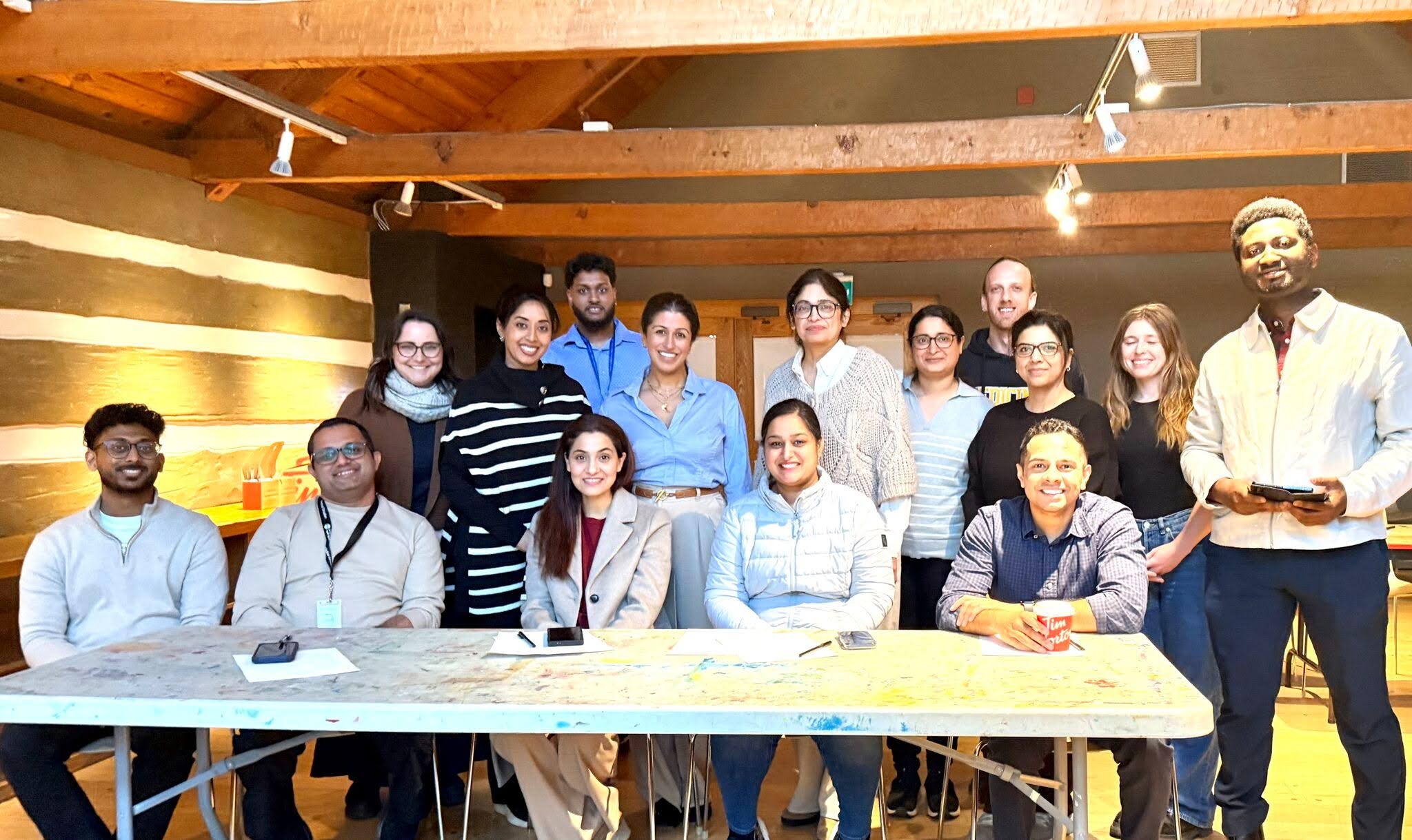
Alessandra Palombo, Director of Sites and Wellness, Family Medicine and Enhanced Skills at TMU’s School of Medicine, explained that these sessions not only strengthen visual observation and pattern recognition for learners, but they also help them in developing empathy, narrative awareness and deeper human understanding.
“Some of the same analysis we use in medicine can be applied to art,” said Palombo. “What vibe does this patient give you? Is this person sick? Are they suffering? That thinking can be applied across disciplines.”
Taking learning beyond the classroom
Led by Dr. Nandani Gupta, founder of Art in Medicine (external link) , the session traded slides and textbooks for a gallery floor surrounded by 6,500 works of contemporary and Indigenous art.
For family medicine resident Humaira Mehboob, the museum environment offered something rare in medical training: a pause.
“The session was truly thought-provoking,” she said. “Learning about observation and reflection through art while standing in the gallery made the experience especially engaging.”
Learning through an Indigenous lens
The McMichael Canadian Art Collection houses one of the country’s largest collections of Inuit and Indigenous art, making it a meaningful space to explore reflection, healing and reconciliation.
For many residents, including international medical graduates, the experience offers valuable context around Indigenous histories, perspectives and culturally safe care in Canada. Each session aligns closely with TMU’s commitment to equity, inclusion and reconciliation, helping shape physicians who are curious and prepared to care for diverse communities.
“As physicians, we can get so caught up in the day-to-day work, and the minutiae of managing our practices and patients,” said Palombo. “Experiences like this remind residents to slow down, reflect and connect with the stories, cultures and lived experiences of the people and communities they serve.
As TMU continues to reimagine medical training, sessions like these prove that stepping beyond the classroom helps residents gain the skills to serve both their patients—and themselves—throughout their careers.