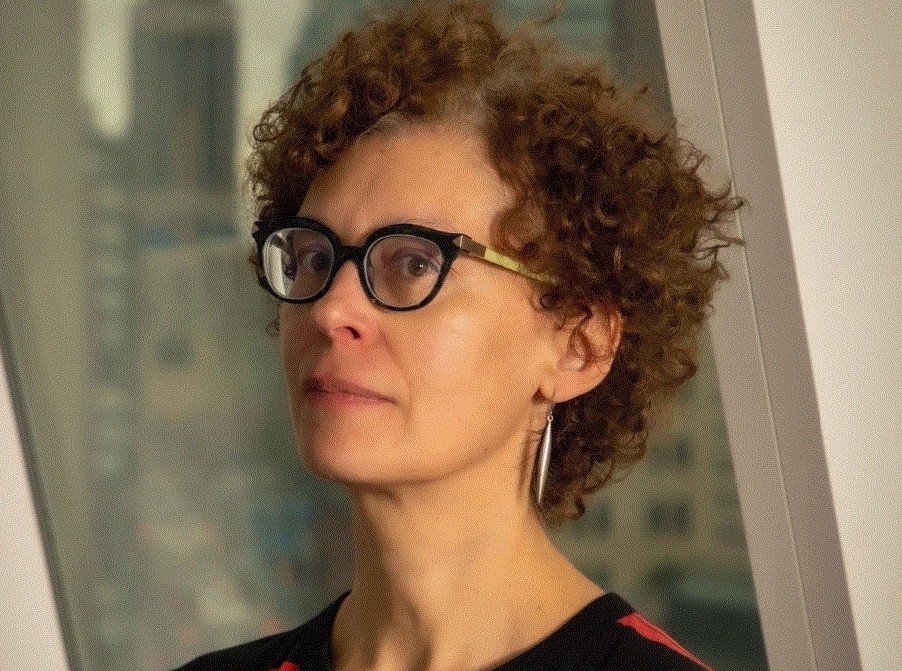
Lara Popic PhD
Dr. Lara Popic is the French Language Coordinator and a French instructor at TMU.
Highlighting the relationship between ideology and literature, my research focuses on the questions of value and argumentation in the narrative works of 19th, 20th and 21st century. My work and doctoral thesis on Künstlerroman (artist novel) and values in the 19th centre French literature, where I analyse the discourse on art and aesthetic theories as they appear in the fictional works of major French writers (George Sand, Balzac, Musset, Frères Goncourt), led me to concentrate more on the importance of literature for the public discourse and on the questions of agency of art/literature beyond aesthetics, not only in novels, but also in folk literature (folk tales, songs), film, and children literature. I study the narrativization and rhetoric of sensibility in literary works, but also how these works shape the readers’ affective responses and the circulation of emotion in the public sphere (I published the articles on tears, vulnerability, and on music and affectivity in George Sand’s works; I recently published an article on the construction of collective ethos through legends, short stories and popular songs in the Quebec imaginary). I am especially interested in the evolution and the application of (traditional) rhetoric in today’s world of digital spaces, visual art and social media. Interdisciplinary and drawing on different theories (theory of argumentation, discourse and enunciation theories, theory of intertextuality, feminist theories, theories of literary genres, theory of capabilities), my research and teaching spotlight the works of French and Francophone writers (George Sand, Alfred de Musset, Paul Valéry, Agnès Varda, Amin Maalouf, France Theoret, Wajdi Mouawad), Quebecois tales, legends and popular songs. Rejecting the contemporary cultural pessimism, in my classroom, I demonstrate how literary analysis and study of the cultural products beyond content, knowledge of rhetorical devices and persuasion techniques remain relevant for all those striving to become better communicators today.