@60 Conference
- Date
- June 23, 2022
- Time
- 9:00 AM EDT - 4:30 PM EDT
- Location
- Online via Zoom
- Open To
- Legal scholars and practitioners, Human rights scholars/academics and thought leaders , Individuals working in human rights and equity offices in the post-secondary context , Human rights community members that have been active in seeking to evolve human rights policy and law (historically or presently)

On June 23, 2022 the Ontario Human Rights Commission, Toronto Metropolitan University's Human Rights Services, and the Lincoln Alexander School of Law came together for a conference to mark the 60th anniversary of Ontario's Human Rights Code and to explore new directions for human rights law and policy.
| Timing | Description | Speakers |
|---|---|---|
| 9:00 - 9:30 a.m. | Welcome and Opening Remarks | Host: Tanya (Toni) De Mello, Assistant Dean, Student Programming, Development and Equity, Lincoln Alexander School of Law, Toronto Metropolitan University Speakers: Giidaakunadaad (Nancy Rowe), Knowledge Keeper, Mississaugas of the Credit First Nation Patricia DeGuire, Chief Commissioner, Ontario Human Rights Commission Mohamed Lachemi, President and Vice-Chancellor, Toronto Metropolitan University |
| 9:30 - 10:30 a.m. | Morning Keynote: Human Rights @ 60: Reflecting and reimagining. Dr. Blackstock will reflect on her experiences using the human rights system as a tool to address systemic discrimination experienced by First Nations children in Canada. She will shed light on ongoing systemic challenges and areas of human rights law that must be demystified and developed to better support and address the human rights issues and concerns of Indigenous Peoples. Approved EDI Professionalism: 1 hour |
Keynote Speaker: Cindy Blackstock, Executive Director, First Nations Child and Family Caring Society and Professor, School of Social Work, McGill University Moderator: Raj Dhir, Executive Director and Chief Legal Counsel, Ontario Human Rights Commission |
| 10:30 - 10:45 a.m. | BREAK | |
| 10:45 a.m. - 12 p.m. | Panel: Addressing systemic discrimination in Ontario: An assessment Different marginalized and intersectional communities face barriers when trying to deal with human rights and discrimination. This panel will discuss the strengths and weaknesses of Ontario’s Human Rights Code and system in addressing systemic discrimination. Approved EDI Professionalism: 1 hour and 15 minutes |
Moderator: Sharmaine Hall, Executive Director, Human Rights Legal Support Centre Panelists: Brian Eyolfson, Commissioner, Ontario Human Rights Commission Laverne Jacobs, Professor, Faculty of Law, University of Windsor Moya Teklu, Executive Director and General Counsel, Black Legal Action Centre Gary Yee, Vice-President, Chinese Canadian National Council for Social Justice |
| 12 - 12:30 p.m. | LUNCH | |
| 12:30 - 1:30 p.m. | Afternoon Keynote: Human Rights @ 60: Reflecting and reimagining Dean Young will discuss the importance of embedding critical approaches into human rights policies and practices and reflect on the lessons she has learned since authoring a report for the Anti-Racism Committee of the Ontario Human Rights Commission three decades ago. Approved EDI Professionalism: 1 hour |
Keynote Speaker: Donna E. Young, Founding Dean, Lincoln Alexander School of Law, Toronto Metropolitan University Moderator: Patricia DeGuire, Chief Commissioner, Ontario Human Rights Commission |
| 1:30 - 1:35 p.m. | BREAK | |
| 1:35 - 2:50 p.m. | Panel: Rights inflation or rights realization? Perspectives on expanding rights claims This panel will look at contemporary expansion of rights claims and debates over whether some of these claims, (particularly those of a systemic nature), properly belong in the realm of fundamental human “rights” or in the political sphere, as matters for contestation and deliberation over competing visions and ideals of social justice. Approved EDI Professionalism: 1 hour and 15 minutes |
Moderator: Remi Warner, Director, Human Rights Services, Toronto Metropolitan University Panelists: Dominique Clément, Professor, Department of Sociology, University of Alberta and member of the Royal Society of Canada Nathalie Des Rosiers, Professor and Principal of Massey College Azeezah Kanji, Director of Programming, Noor Cultural Centre Anthony Morgan, Racial Justice Strategist |
| 2:50 - 2:55 p.m. | BREAK | |
| 2:55 - 4:10 p.m. | Panel: Decolonizing the future of human rights This panel will examine what is required to decolonize the human rights system to better advance systemic substantive equality for Moderator: Karen Drake, Associate Dean (Students) and Associate Professor, Osgoode Hall Law School, York University Indigenous Peoples. Approved EDI Professionalism: 1 hour and 15 minutes |
Moderator: Karen Drake, Associate Dean (Students) and Associate Professor, Osgoode Hall Law School, York University Panelists: Brenda Gunn, Professor, Faculty of Law, University of Manitoba and Academic and Research Director, National Centre for Truth and Reconciliation Aaron Mills, Assistant Professor and Canada Research Chair in Indigenous Constitutionalism and Philosophy, McGill Keith Smith, Director General, United Nations Declaration on the Rights of Indigenous Peoples Act Implementation Secretariat, Department of Justice, Canada |
| 4:10 - 4:30 p.m. | Closing Remarks | Speakers: Remi Warner, Director, Human Rights Services, Toronto Metropolitan University Tanya (Toni) De Mello, Assistant Dean, Student Programming, Development and Equity, Lincoln Alexander School of Law, Toronto Metropolitan University Raj Dhir, Executive Director and Chief Legal Counsel, Ontario Human Rights Commission Giidaakunadaad (Nancy Rowe), Knowledge Keeper |

Dr. Cindy Blackstock
Cindy Blackstock, a member of the Gitxsan First Nation, is honoured to serve as the Executive Director of the First Nations Child and Family Caring Society and as a professor at McGill University’s School of Social Work. She has over 30 years of experience working in child welfare and Indigenous children’s rights and has published more than 75 articles on topics relating to reconciliation, Indigenous theory, First Nations child welfare and human rights. Cindy was honoured to work with First Nations colleagues on a successful human rights challenge to Canada’s inequitable provision of child and family services and failure to implement Jordan’s Principle. This hard-fought litigation has resulted in hundreds of thousands of services being provided to First Nations children, youth, and families.
She recently served on the Pan American Health Commission on Health Equity and Inequity and believes that culturally-based equity is fundamental to meaningful reconciliation. Cindy is frequently sighted in the company of the Caring Society’s reconciliation Am-bear-rister, Spirit Bear, engaging children in meaningful actions to implement the TRC Calls to Action.

Dr. Dominique Clément
Dominique Clément is a Professor in the Department of Sociology at the University of Alberta and a member of the Royal Society of Canada (CNSAS). He is the author of Canada’s Rights Revolution, Equality Deferred, Human Rights in Canada, and Debating Rights Inflation. He is also the co-editor of Alberta's Human Rights Story and Debating Dissent.
Clément has been a Visiting Scholar in Australia, Belgium, China, Ireland and the United Kingdom. He is the author of numerous articles on human rights, social movements, and social justice. Clément hasconsulted for numerous public institutions including the Canadian.
Human Rights Commission, Canadian Museum for Human Rights and the Canadian Heritage Information Network. He has been a member of the Board of Directors for the Canadian Civil Liberties Association, Centre for Constitutional Studies, and the John Humphrey Centre for Human Rights among others. His websites, HistoryOfRights.ca (external link) and statefunding.ca (external link) , serve as research and teaching portals on the study of human rights and social movements in Canada.
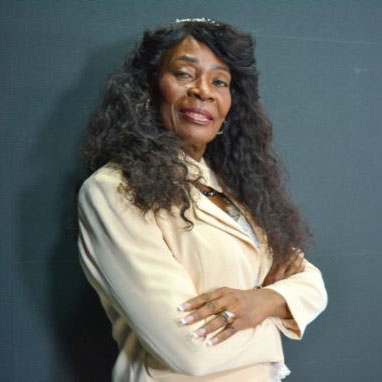
Patricia DeGuire
Patricia DeGuire is a Black woman who pushes boundaries to ensure access to justice, equality and equity. She has a passion for the rule of law, and a commitment to public service, mentoring, coaching and legal education.
A member of the Ontario bar since February 1993, she is a professional adjudicator/arbitrator/mediator/coach, and was a Deputy Judge with the Ontario Superior Court of Justice – SCC Division. For over 25 years, she has served on provincial and federal tribunals, including Vice-Chair at the Human Rights Tribunal of Ontario, the Immigration Appeal Division/IRB, and the OLRB/Pay Equity Hearings Tribunal. She has also held senior leadership roles with JusticeNet, Legal Aid Ontario, the Ontario and Canadian Bar Associations, and the WLAO. Patricia was a member of the CABL, OBA, LSUC and WLAO mentorship programs and is an avid mentor and coach for many youths and adults in the legal and other professions. She is a constitutional law scholar; holds a Fellow of Chartered Insurance Professionals of Canada – Claims Major; and is co-author and co-editor of the first Canadian Insurance Dictionary.
Patricia served in leading roles with Black North Initiative and is a founder of the Canadian Association of Black Lawyers and the Black Law Student Association Canada. She also was a frequent lecturer at the Organization of Commonwealth Caribbean Bars Association International Law Forum, and with the Faculty of Society of Ontario Adjudicators and Regulators. She is the founder of the Forum for Education for At-Risk Youth and speaks often to students at all levels of schools. Patricia’s many career honours include the BLSA-C 2021 Impact Award, Canadian Bar Association 2020 Touchstone Award, CBA Rare-Find in April 2012, and the OBA’s Distinguished Service Award in 2020. She also received Legal Aid Ontario’s 2007 GEM Award for outstanding public service for providing access to justice access for low-income individuals and communities, the 2006 Law Society of Upper Canada Lincoln Alexander Award, and the BLSAC named the cup for the Julius Alexander Diversity Moot in her honour – the Patricia DeGuire Diversity Moot Cup.
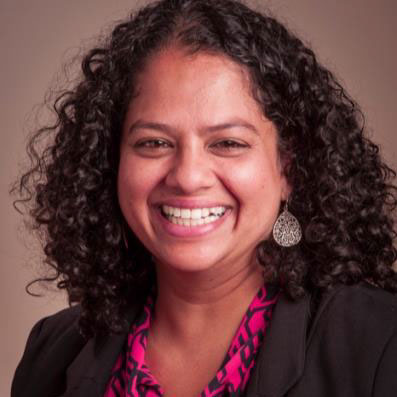
Dr. Tanya (Toni) De Mello
Dr. Tanya (Toni) De Mello is a human rights lawyer with a unique background in economics, finance and operational management. She has experience working in both the private and non-profit sectors and co-founded two NGOs and worked for the United Nations in humanitarian aid. Dr. De Mello currently serves as the Assistant Dean, Student Programming, Development and Equity at the Lincoln Alexander School of Law. Prior to joining the law school in 2020, she was a lecturer and the Director of Human Rights at Toronto Metropolitan University. Dr. De Mello holds a dual Bachelor of Economics and Political Science from the University of Waterloo; a double Master in Public Policy and Urban and Regional Planning from Princeton University; and a dual law degree from McGill University. She recently completed her PhD on bias in hiring at the University of Toronto and is considered a leading expert in equity, diversity, and inclusion in Canada.
With over 20 years of experience as an experienced coach and mediator, Dr. De Mello explores the nuances of everyday experiences and challenges in the workplace and in our communities. By moving past definitions and handouts to help folks wrestle with the material in their daily lives, her training workshops move beyond transactional to transformational. When participants leave, they have strategies that will work for them and take into account their current situations and limitations.

Dr. Nathalie Des Rosiers
Nathalie Des Rosiers is the Principal of Massey College. From 2016– 2019, she was MPP representing the riding of Ottawa-Vanier. From January to June 2018, she was the Minister of Natural Resources and Forestry. Prior to politics, she had been the Dean of Law, Common Law, University of Ottawa (2013–2016), General Counsel of the Canadian Civil Liberties Association (2009–2013), Vice-President, Governance, University of Ottawa (2008–2009), Dean of Law, Civil Law (2004–2008) and President of the LAW Commission of Canada (2000– 2004).
With Peter Oliver and Patrick Macklem, she co-edited the Oxford Handbook of Canadian Constitutional Law (2017). She also wrote with Louise Langevin and Marie-Pier Nadeau, L’indemnisation des victimes de violence sexuelle et conjugale (Prix Walter Owen, 2014). She has received the Order of Canada, the Order of Ontario, honorary doctorates from Université UCL (Belgium) and the Law Society of Ontario, le Prix Christine Tourigny (Barreau du Québec) and is a Fellow of the Royal Society of Canada.

Raj Dhir Raj
Dhir has been the Executive Director and Chief Legal Counsel at the Ontario Human Rights Commission (OHRC) for the last four years. He was previously a Portfolio Director with the Ministry of the Attorney General Civil Law Division, where he spent over a decade in a variety of management roles including as Legal Director at the former Ministry of Indigenous Relations and Reconciliation and as Deputy Legal Director in roles at the Crown Law Office Civil and the Constitutional Law Branches within the Ministry of the Attorney General, and in the Ministry of Labour (Litigation and Solicitor Practices).
Raj also spent over 11 years as counsel at the OHRC, where he litigated and advised on a variety of human rights matters and appeared before administrative tribunals and at all levels of court, including the Supreme Court of Canada.

Karen Drake
Karen Drake is a member of the Wabigoon Lake Ojibway Nation, as well as the Associate Dean (Students) and an Associate Professor at Osgoode Hall Law School. She researches and teaches in the areas of Canadian law as it affects Indigenous peoples, Anishinaabe constitutionalism, property law, and dispute resolution including civil procedure and Indigenous dispute resolution. She served as a judicial law clerk with the Ontario Court of Appeal and with the Federal Court. She is a member of the legal advisory panel for RAVEN, and she previously served as a Commissioner of the Ontario Human Rights Commission, on the Board of Directors of the Indigenous Bar Association, and on the Board of Directors of the Human Rights Legal Support Centre.

Brian Eyolfson
Brian Eyolfson is a lawyer who practices alternative dispute resolution, providing independent investigation, and mediation and adjudication services, primarily in the area of human rights law. He has a B.Sc. in psychology and an LL.B. from Queen’s University, and an LL.M., specializing in administrative law, from Osgoode Hall Law School. He was admitted to the Ontario Bar in 1994.
Brian was a Commissioner with the National Inquiry into Missing and Murdered Indigenous Women and Girls, from September 1, 2016, to June 30, 2019. Prior to his appointment as a Commissioner, Brian served as Acting Deputy Director in the Legal Services Branch of the Ontario Ministry of Indigenous Relations and Reconciliation. He was a full-time Vice-Chair with the Human Rights Tribunal of Ontario, where he adjudicated and mediated numerous human rights applications, between 2007 and 2016. Brian was also a Senior Staff Lawyer with Aboriginal Legal Services of Toronto where he practiced human rights, Aboriginal and administrative law before a variety of tribunals and the courts. He also represented Aboriginal Legal Services of Toronto at the Ipperwash Inquiry.
Brian also previously served as Counsel to the Ontario Human Rights Commission. Brian was a member and Co-Chair of Rotiio> taties, an Indigenous advisory group to the Law Society of Upper Canada. He was also an Editor of the Journal of Law and Social Policy, and taught human rights law and practice to community legal clinics in Ontario. Brian is a member of Couchiching First Nation in Treaty #3 territory.

Dr. Brenda Gunn
Dr. Brenda Gunn is a proud Métis woman and University of Manitoba law professor who combines academic research with activism pushing for greater recognition of Indigenous peoples’ inherent rights as determined by their own legal traditions. After earning a JD at the University of Toronto and an LLM in Indigenous Peoples Law & Policy at the University of Arizona, Brenda worked at a community legal clinic in Guatemala on a case of genocide submitted to the Inter-American Commission on Human Rights. She has also worked with Manitoba First Nations on Aboriginal and treaty rights issues. Brenda continues to be actively involved in the international Indigenous peoples’ movement. She developed a handbook that is one of the main resources in Canada on understanding the UN Declaration on the Rights of Indigenous Peoples (http://www.indigenousbar.ca/pdf/undrip_handbook.pdf) and has delivered workshops on the Declaration across Canada and internationally.
She has also provided technical assistance to the UN Expert Mechanism on the Rights of Indigenous Peoples. In 2013, Brenda participated in UN training to enhance the conflict prevention and peacemaking capacities of Indigenous Peoples’ representatives, which continues to impact her research. She aims to do research that will contribute to building a more just world for her daughter, her nieces and all their relations.

Sharmaine Hall
Sharmaine Hall has over 25 years of experience in the legal field, including over a decade of combined experience in executive and managerial roles, and is currently the Executive Director of the Human Rights Legal Support Centre (HRLSC).
She previously served in a similar role with Dundurn Community Legal Services (now Hamilton Community Legal Clinic), where she appeared before several administrative tribunals on behalf of low-income clients to protect their rights to income and housing. Since 2016, Sharmaine has steered the HRLSC in fulfilling its mandate to provide free legal services to people who believe their rights under Ontario’s Human Rights Code have been violated. With the support of a dedicated Board and skilled management and staff, Sharmaine has also overseen several initiatives proactively targeting systemic discrimination in Ontario, including the establishment of the Sexual Harassment and Assault Resource Exchange team in 2020 and the expansion of the Indigenous Services Outreach Committee.
Sharmaine worked at the HRLSC as a Manager of Legal Services from 2009 to 2016, where she led an advice and litigation team. During her tenure with the HRLSC, the Centre successfully litigated cases such as Briggs v Durham Regional Police Services, which addressed overlapping instances of racial profiling by police, and settlements including the enforcement of anti-racism and human rights training in York District School Board and city-wide policy changes in the City of Hamilton in support of inclusive spaces for members of the trans community. This transformative work is a credit to the amazing legal counselors and paralegal staff that Sharmaine has had the pleasure of working alongside. In addition to regular appearances before the Human Rights Tribunal of Ontario (HRTO), Sharmaine also participates in public legal education seminars and continuing education courses regarding human rights matters. Sharmaine is a graduate of Osgoode Hall Law School and was admitted to the Ontario Bar in 1997. Directly after graduating law school, Sharmaine’s internship at a legal clinic in rural South Africa set her on her path to pursue a practice in human rights.

Dr. Laverne Jacobs
Laverne Jacobs is a Full Professor at the University of Windsor’s Faculty of Law and a former Associate Dean (Research & Graduate Studies). Her research interests lie at the intersection of critical disability studies, human rights law, equality law and administrative law. Through her research and scholarship, she has used legal and qualitative methods to examine topics such as accessibility legislation, transportation inequality and the law surrounding access to postsecondary education for persons with disabilities. Laverne Jacobs is the lead author of Canada’s first textbook on law and disability, Law and Disability in Canada (LexisNexis, 2021), and the author of several publications. She also is the Founding Director of The Law, Disability and Social Change Project, a research and public advocacy centre at Windsor Law. She is also Co-Director of the Disability Rights Working Group of the Berkeley Center on Comparative Equality & AntiDiscrimination Law. In 2021, Dr. Jacobs was named Canada’s first-ever candidate for election to the UN Committee on the Rights of Persons with Disabilities.

Azeezah Kanji
Azeezah Kanji is a legal academic, writer, and journalist. She received her Juris Doctor from University of Toronto’s Faculty of Law, and Master of Law specializing in Islamic Law from the School of Oriental and African Studies, University of London.
Azeezah’s work focuses on issues relating to racism, law, and social justice. Her writing has appeared in the Al Jazeera English, Haaretz, Toronto Star, TruthOut, National Post, Ottawa Citizen, OpenDemocracy, Roar Magazine, iPolitics, Policy Options, Rabble, and various academic anthologies and journals. Azeezah also serves as Director of Programming at Noor Cultural Centre.
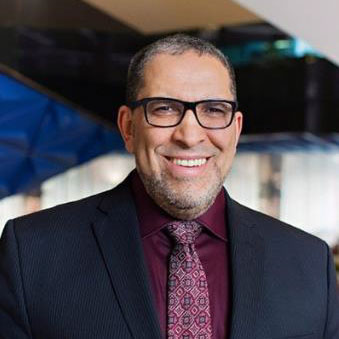
Dr. Mohamed Lachemi
Dr. Mohamed Lachemi is president and vice-chancellor of Toronto Metropolitan University (TMU). As an internationally recognized researcher and accomplished academic administrator, he has been a key contributor to the growth of TMU over a transformational time in the university’s history. As a Toronto Metropolitan professor of civil engineering since 1998, he has served in progressively senior roles, including dean of the faculty of engineering and architectural science, and provost and vice-president academic. As president, he has contributed to the success of the DMZ – named the #1 university-based incubator in the world – and promoted the establishment of TMU as a global university with the opening of learning zones in Vietnam and India. He has overseen the development of Rogers Cybersecure Catalyst – a national centre for cybersecurity, and navigated approvals for a new and innovative law school launching in 2020. Under his direction, Toronto Metropolitan was awarded leadership of the Future Skills Centre consortium, with a mandate to ensure Canadians develop the skills they need in the new economy.
Dr. Lachemi is well known for his pioneering research in sustainable materials and innovative technologies that mitigate the effects of built structures on the environment and was awarded a Canada Research Chair in Sustainable Construction. He is a member of the National Research Council of Canada, Fellow of the Canadian Society for Civil Engineering, a Fellow of the Canadian Academy of Engineering, and a board member of Trillium Health Partners.
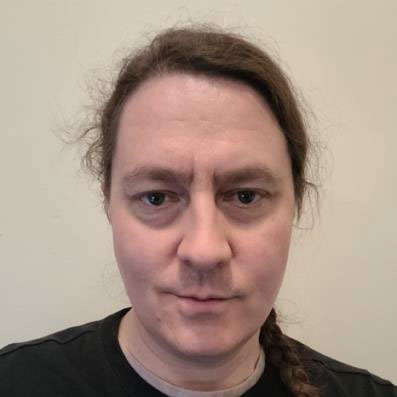
Aaron Mills
Aaron Mills (JD Toronto, LLM Yale, PhD UVic) is an Anishinaabe from Couchiching First Nation in the Treaty #3 relationship. He has spent much of the last 15 years learning about Anishinaabe law in community, on the land, and through stories. Guided by his circle of elders, Aaron works to conceptualize (and practically, to revitalize) Indigenous law on its own terms. He’s committed to building understanding about Indigenous law in contexts of deep diversity.
Aaron joined McGill Law as an Assistant Professor in 2018 and is the Canada Research Chair in Indigenous Constitutionalism and Philosophy. As a community-engaged scholar, Aaron is frequently consulted by Indigenous individuals, communities, and organizations. He has sat on the board of directors of Aboriginal Legal Services and of the Indigenous Bar Association and currently sits on the Advisory Circle for the First Peoples Justice Center of Montreal. As a graduate student, Aaron received numerous recognitions, including the 2016 SSHRC Talent Award and the Pierre Elliot Trudeau Foundation, Vanier Canada, and Fulbright Canada scholarships.

Anthony Morgan
Anthony is a racial justice analyst and strategist, educator and lawyer. He is the Manager of the City of Toronto’s Confronting Anti-Black Racism (CABR) Unit. The CABR Unit is responsible for the implementation of the Toronto Action Plan to Confront Anti-Black Racism. Prior to joining the City, Anthony was an Associate at Falconers LLP, specializing in the areas of civil, constitutional and criminal state accountability litigation. He has a special interest in antiracist human rights advocacy, particularly in the area of anti-Black racism. He has appeared at various levels of court, including the Supreme Court of Canada, and has also represented the interests of African Canadians before United Nations human rights treaty bodies.
He is a co-founder of the Sentencing and Parole Project, which aims to reduce the over-incarceration of Black Canadians. Also a freelance columnist, Anthony’s column, Colour-Coded Justice, appears regularly in The Monitor. The Monitor is the Canadian Centre for Policy Alternatives' bimonthly policy and current affairs magazine. Anthony’s column explores racial justice issues in Canadian life, law and policy.
While based in Toronto, Anthony is completing a Master of Studies in International Human Rights Law at the University of Oxford. In addition to holding an LL.B. and B.C.L. from McGill University, Faculty of Law, he holds a Hons. B.A. from the University of Toronto in Ethics, Society & Law.

Nancy Rowe
Giidaakunadaad (The Spirit Who Lives in High Places) n’dizhinikaaz (is my name): Nancy Rowe is a Mississauga, Ojibwe of the Aanishinaabek Nation located at the Credit First Nation, Ontario. Nancy holds an honors BA in Indigenous Studies and Political Science. She is an educator, consultant and a Traditional Practitioner of Aanishinaabek lifeways, views and customary practices. She is currently completing a Master’s degree of Environmental Resource Studies at the University of Waterloo. She is an avid volunteer who co-ordinates Akinomaagaye Gaamik, a grassroots initiative to provide educational opportunities for all peoples interested in Indigenous perspectives of life, health, education, history and the environment. “Education is the doorway through which we all can create a common ground and understanding of not only Indigenous Peoples but also, and more importantly, our environment.”

Keith Smith
Keith Smith joined the Department of Justice in August 2021 as the Director General of the United Nations Declaration Act Implementation Secretariat. He served most recently at the Canadian Human Rights Commission (CHRC), as the Director General of the Policy and Communications Branch, which also included the Program Integrity and Employment Equity Division and the newly formed Office of the Federal Housing Advocate. From 2016 to 2018, Keith worked for the Minister of Justice and Attorney General of Canada as the Director of Policy and Acting Chief of Staff. During this time, he dealt with a wide range of justice files, including a framework for the recognition and implementation of Indigenous rights, criminal justice system reform, amendments to the Canadian Human Rights Act and international human rights.
Prior to his time in the Minister’s Office, Keith was the Director of Policy, Research and International at the CHRC from 2013 to 2016. Before that, he held various positions within Indigenous and Northern Affairs Canada, including as Director of Intergovernmental and International Relations. Keith is originally from Sault Ste. Marie, Ontario and is a member of the Thessalon First Nation, a nearby Ojibway community.

Moya Teklu
Moya Teklu is the Executive Director and General Counsel of the Black Legal Action Centre (BLAC), a legal clinic aimed at combatting antiBlack racism in Ontario through litigation, advocacy, and education. Moya has a long history of working to combat anti-Black racism in the justice system. At Legal Aid Ontario (LAO), she developed a plan that resulted in the delivery of clinic law services to hundreds of Black Ontarians; helped bring together and provided staff support to the inaugural board of BLAC; and authored LAO’s Racialized Communities Strategy.
Moya has delivered anti-racism training to hundreds of judges, justices of the peace, lawyers, regulators, adjudicators, and educators across the country, including through the National Judicial Institute and the Society of Ontario Adjudicators and Regulators.
Moya has participated in proceedings before the Supreme Court of Canada, the Federal Court, and the United Nations. She graduated from the University of Toronto – Faculty of Law in 2009 and was called to the Bar in 2010.

Dr. Remi Warner
Dr. Remi Warner is the Director of Human Rights Services at Toronto Metropolitan University (TMU) in Toronto, Canada, where he oversees the administration of the University’s human rights policies and institution-wide efforts to protect, promote and advance a culture of human rights at the university. Prior to joining TMU in 2021, Remi headed the Toronto District School Board’s Human Rights Office. During his preceding time as Advisor and Manager in Cabinet Office at Ontario’s Anti-Racism Directorate, Remi played a lead role in the development of the province’s anti-racism strategy (A Better Way Forward: Ontario’s 3-Year Anti-Racism Strategic Plan), legislation (AntiRacism Act, 2017), and Data Standards for the Identification and Monitoring of Systemic Racism. s
Remi also spent much of the last decade, since 2010, as a senior policy analyst at the Ontario Human Rights Commission, where he led the drafting of the OHRC’s Policy on preventing discrimination based on creed, To dream together: Indigenous peoples and human rights, and various human rights organizational change partnerships and data collection efforts with public sector organizations. He is currently a Senior Fellow at Massey College, University of Toronto, and has a PhD in Social Anthropology from York University, and a Master of Arts degree in Culture, Race, and Difference from Sussex University, U.K., where he studied as a Commonwealth Scholar.

Gary Yee
Gary Yee is a lawyer with an unparalleled career in the adjudicative tribunal sector. He has been appointed as chair of four tribunals, including full-time Chair of the Licence Appeal Tribunal (2012) and the Social Benefits Tribunal (2009).
Gary is a Vice-President on the Board of Chinese Canadian National Council for Social Justice (CCNC-SJ), and a member of the Steering Committee of Tribunal Watch Ontario (which advocates for independent and accessible tribunals). His past jobs include founding Executive Director of Chinese and Southeast Asian Legal Clinic, Manager of Legal Services at Ombudsman Ontario, and Special Advisor at the Immigration and Refugee Board. In the late 1980s, as National President of the original Chinese Canadian National Council, he spearheaded the redress campaign for elderly Chinese Head Tax payers and widows. He has received the SOAR Medal, the Federation of Asian Canadian Lawyers’ Lifetime Achievement Award, and the Law Society Medal.

Donna E. Young
Donna E. Young is the Founding Dean of the Lincoln Alexander School of Law at Toronto Metropolitan University. Before assuming her deanship, she was the President William McKinley Distinguished Professor of Law and Public Policy at Albany Law School and a joint faculty member at the University at Albany’s Department of Women’s, Gender, and Sexuality Studies.
Since joining the Lincoln Alexander School of Law, Dean Young's contributions to the legal profession in Canada have been recognized in several ways: she was the recipient of the 2021 Canadian Law Awards "Female Trailblazer of the Year” award; the recipient of the 2021 "Top 25 Women of Influence” award; the recipient of the 2021 “University College Alumni of Influence” award at the University of Toronto; and acknowledged in the 2020 edition of Toronto Life’s “50 Most Influential” list.
In 1992, in conjunction with the 30th anniversary of the Ontario Human Rights Code, Dean Young was invited by the Commission's AntiRacism Committee to investigate the manner in which race discrimination complaints were handled at the Ontario Human Rights Commission. That work had a profound impact on her appreciation of the promises and pitfalls inherent in the implementation of antidiscrimination laws in Canada and the United States.
Miss the event? Watch it now!
This event was organized by:
