Post American
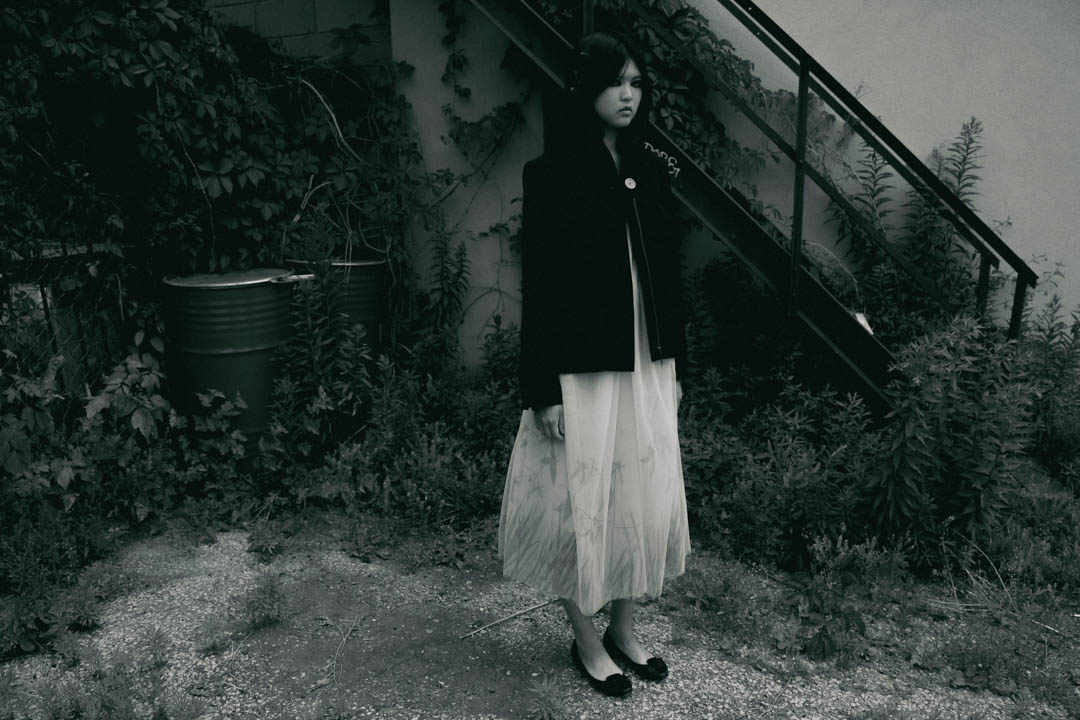

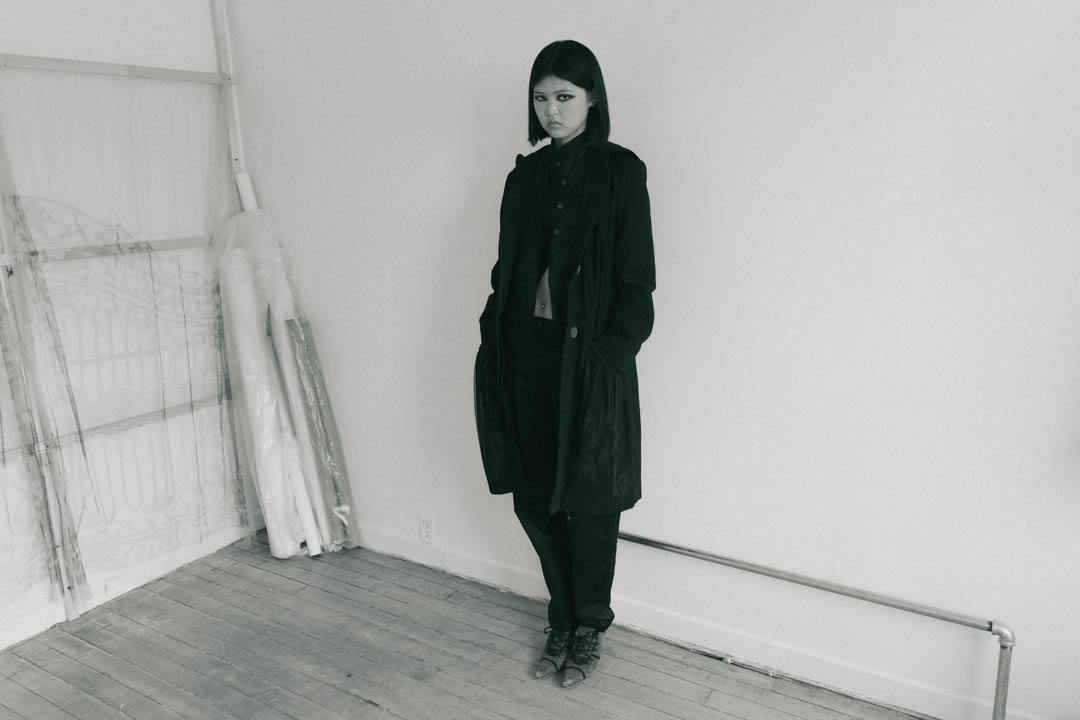
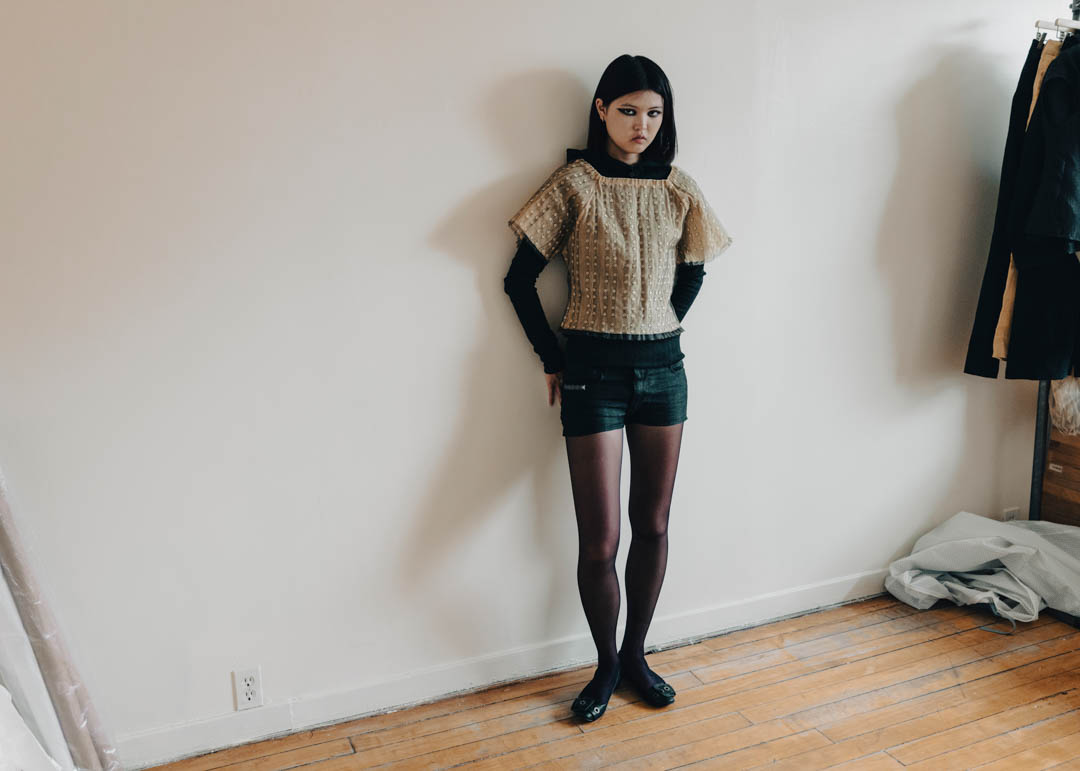
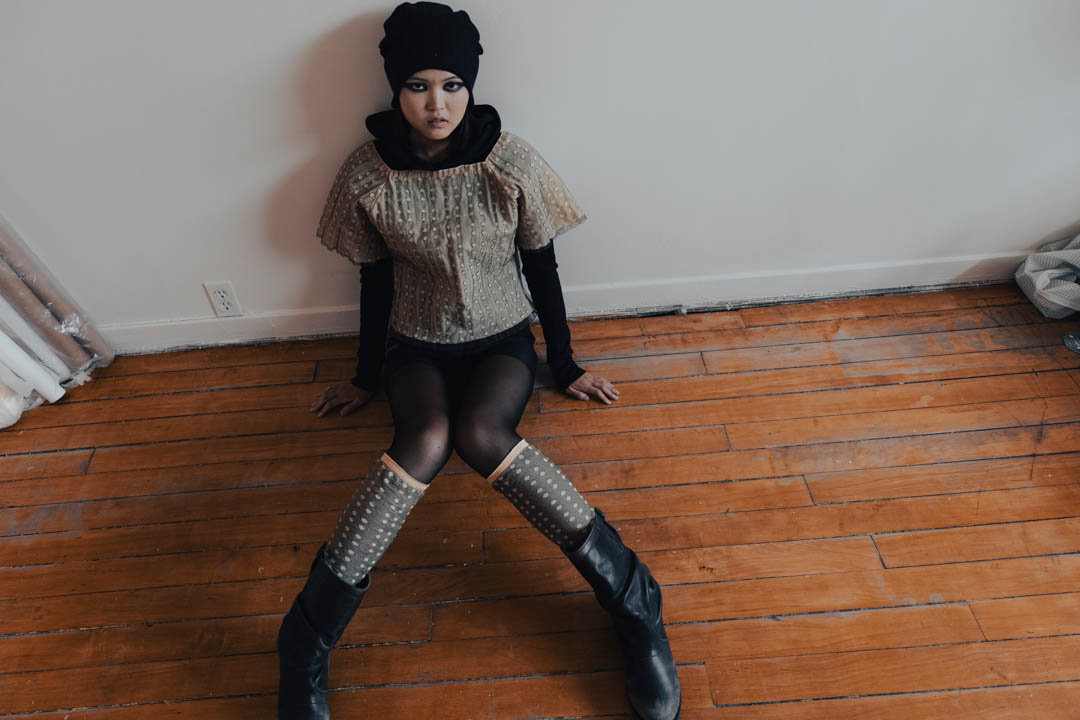
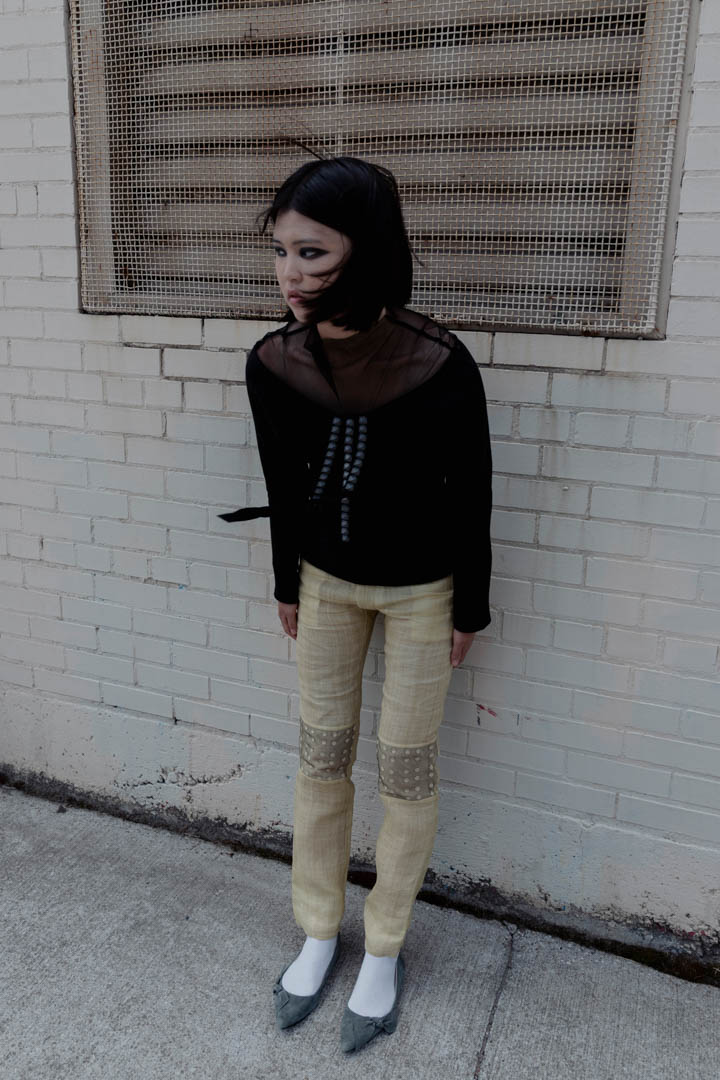
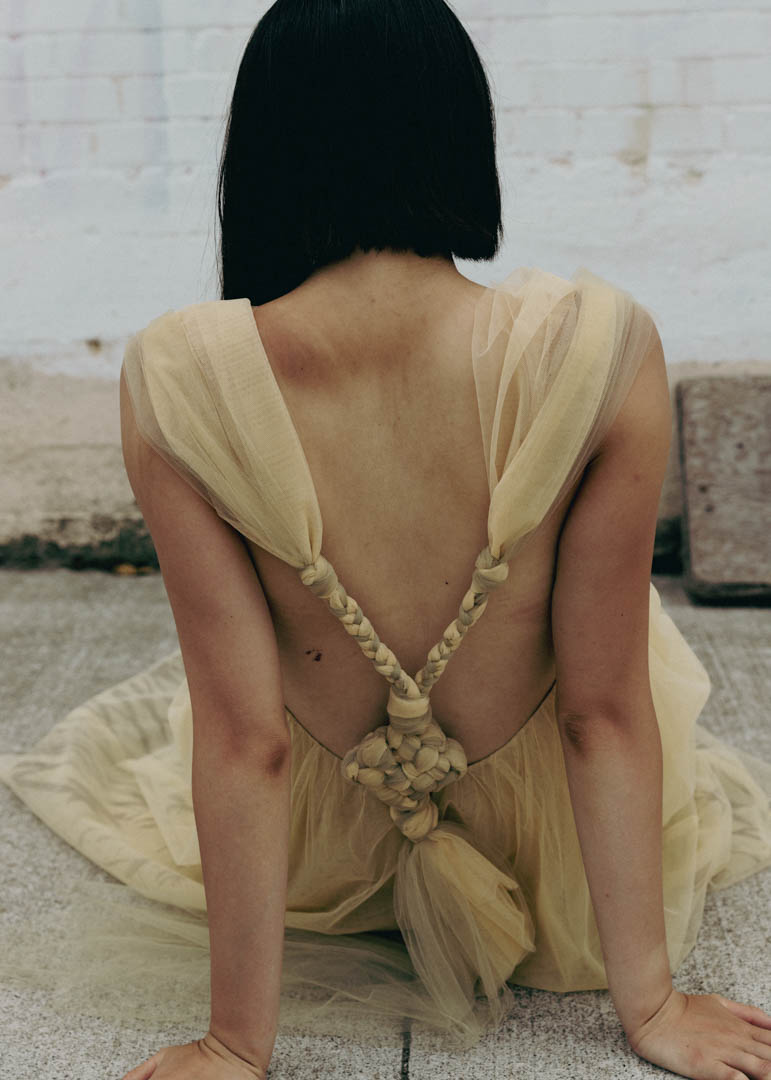
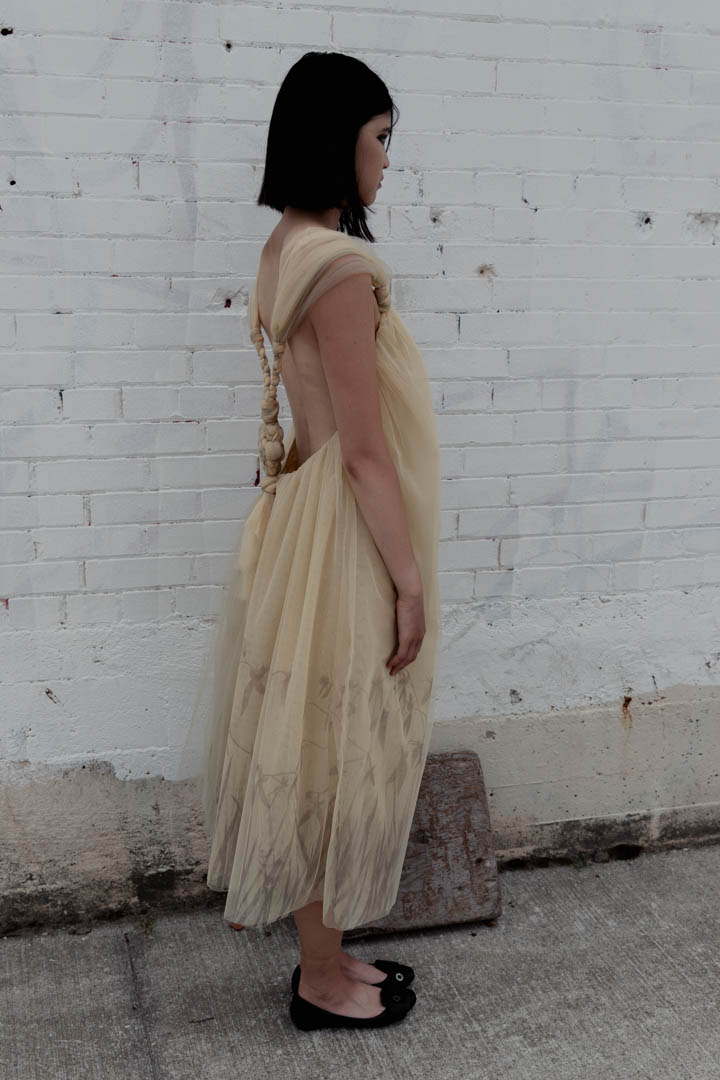
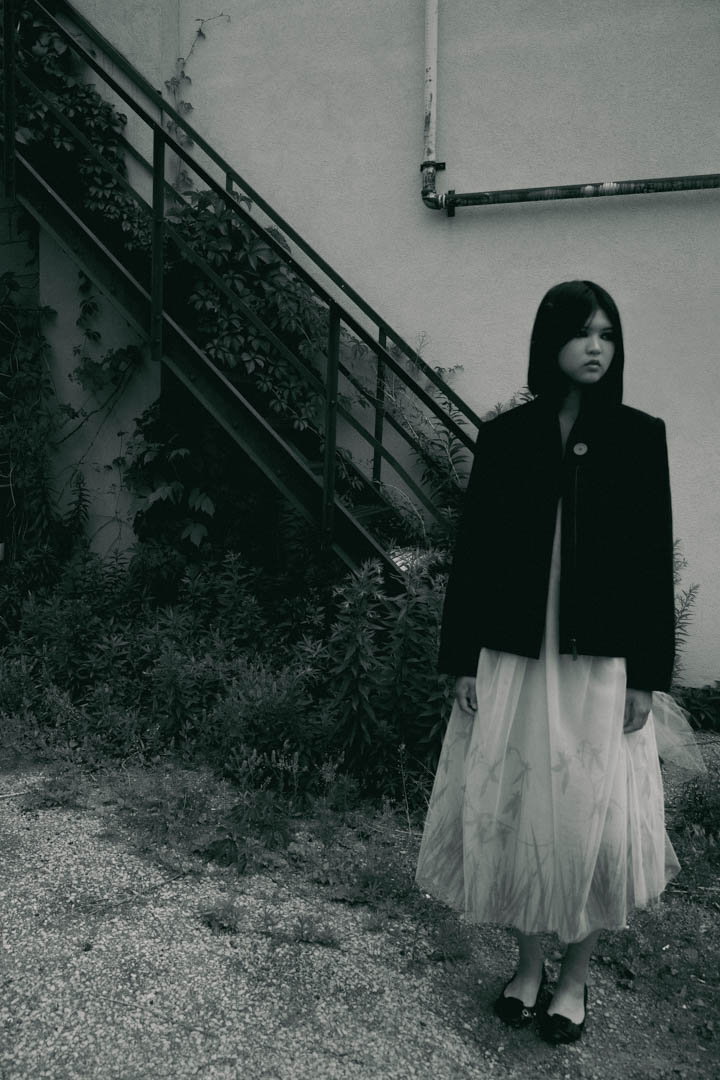
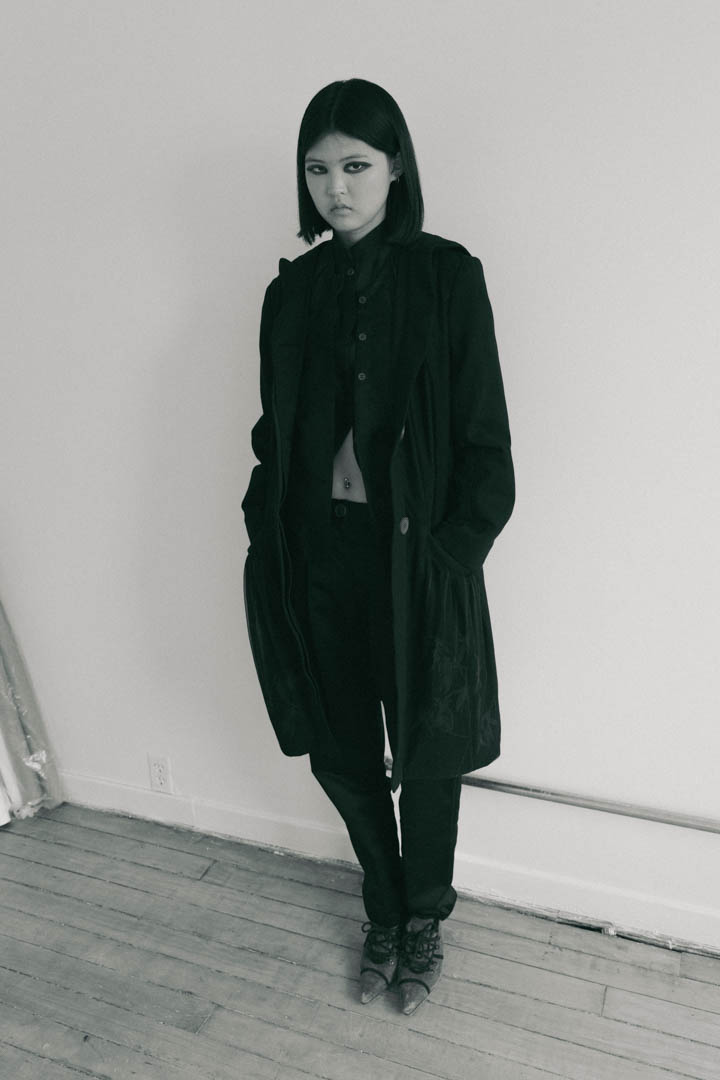
Post-American, is a five-look collection about the militaristic and economic influence of the US on South Korea. The Korean War was a proxy war between the US and the Soviet Union. After the war, South Korea was heavily influenced and continues to have close ties with the US. The US brought two of its largest exports: the military, and neoliberalism, which has led to a “prosperous” economy, though ridden with large income inequality. In addition, land has been stolen from Korean residents for US military bases, which contaminate the areas and their water systems. Through this collection, I seek to highlight the negative effects of the hegemonic relationship between the two countries, from the Korean War continuing to the present.
I want to translate themes of military and financial occupation through interpreting traditional Korean clothing and textiles into modern silhouettes and styles. I would like to use traditional Korean textiles including ramie (mosi) and silk (oksa), and emphasize how traditional Korean clothing served not only functional but aesthetic purposes. Looking at traditional military wear and hanbok, it is evident that the aesthetic design is treated with as much importance as the utility of the garment, resulting in garments that are balanced, simple, and effective. I will be using this design philosophy in the development of my collection by focusing on fit, finishings, and textiles. I seek to create clothing that is not only well-designed but also wearable and that other people can identify with and wear in their daily lives. This aims to further traditional Korean handcrafts and textiles using modern design elements and technology.
This project pushes the boundaries of fashion through its decolonial themes and the innovative use of traditional materials and techniques. As fashion relies on hegemonic and colonial relationships between countries of the global North and South, I believe it is important to integrate anticolonial ways of thinking and designing into practice. Political responsibility and explicit anti-US imperialism is a theme that is not widely explored, though one I feel compelled to work from. Fashion often does not deal with the concrete lives of the working class, thus my project seeks to center the unglamorous, politically engaged, and anti-colonial mindset that fashion needs to adopt. By exploring the history of Korea’s relationship with the US, I want to bring forward traditional Korean crafts into a modern landscape. I want to emphasize that tradition does not exist in isolation as ancient relics but as a result of people’s daily lives. Through this project, I seek to imagine a truly anti-colonial future for Korea.