Master of Spatial Analysis

A professionally oriented one-year program, or research intensive two-year program. The MSA provides a comprehensive skillset in spatial analyses and data management through case studies, GIS application in lectures and labs, work placement and a major research paper or thesis.
Degree earned: Master of Spatial Analysis*
Program options: 1 year or 2 years part time
Areas of focus: Business/commercial applications, physical/environmental geography and landscape analysis, social and community information analysis.
What you’ll be learning
Academically rigorous and professionally focused, the Master of Spatial Analysis immerses you in applied geospatial concepts and technologies. Graduates shape the economic and social well-being of cities, champion conservation policies and advance public health in Canada and beyond.

Course name: (PDF file) SA 8902, Database Management and Spatial Technologies
Mode of delivery: Lecture/Lab (2-3 hours/week)
Develop the skills to plan, create, and manage your own enterprise-class databases, with geospatial data at their core. Through hands-on experience you’ll learn to work with database management systems using Spatial SQL, and integrate GIS and Business Intelligence tools.

Course name: (PDF file) SA 8904, GIS Project Management Applications
Mode of delivery: Lecture/Lab (2-3 hours/week)
Work with external “clients” across a variety of sectors. Projects examine the current and potential applications of GIS and related geospatial technologies in business, environmental, and government contexts. You’ll also strengthen your communication skills by preparing professional presentations and reports.
Course name: (PDF file) SA8991, Internship
Mode of delivery: Work Placement: 2 days per week in Winter term
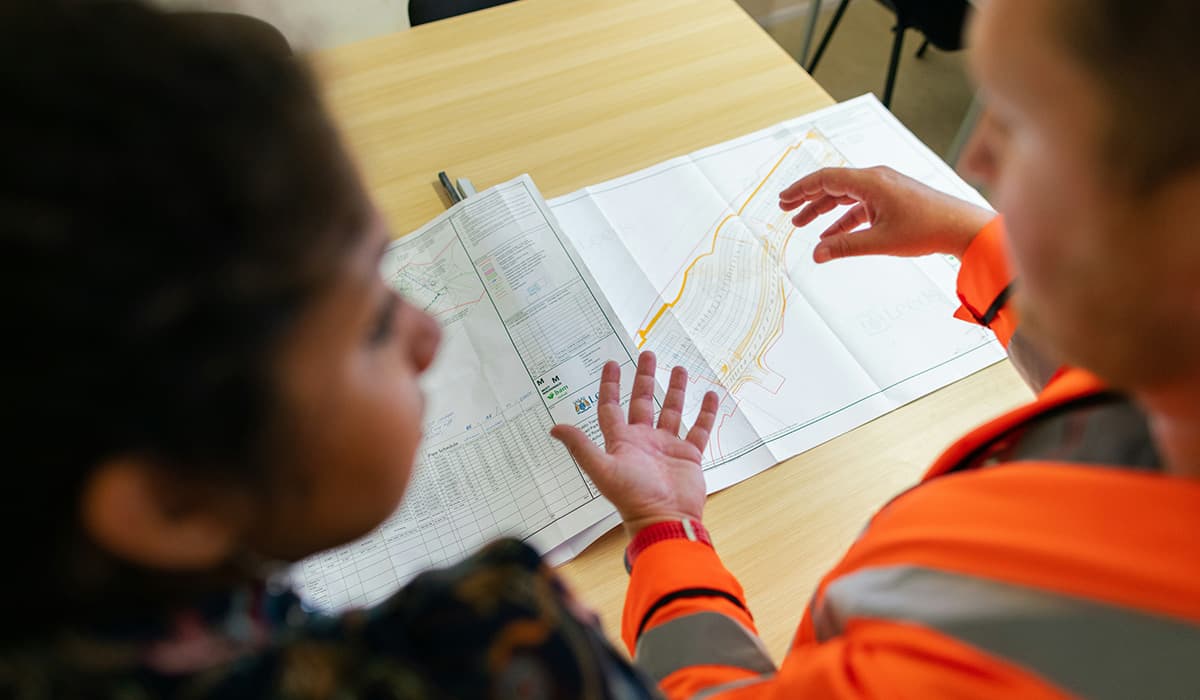
Gain hands-on experience using GIS and spatial analysis in a professional setting. As a key part of our MSA program, the internship lets you turn classroom learning into meaningful professional practice, preparing you for a wide range of exciting careers.

Program structure and your academic journey
The MSA is offered full-time or part-time. The full-time program can be completed in one calendar year (or 16–20 months for thesis students) while the part-time program takes two calendar years.
Core goals/highlights of the curriculum:
- Designed to help working professionals advance their education
- Thesis option for students pursuing PhD-level studies or research careers
- Internship waived for part-time students working in program-related fields
The MSA program culminates in a major research paper. Through your work, you’ll be required to demonstrate a critical understanding of the methodological and practical issues facing users of GIS and spatial analysis methods.
MRP topics might come from:
- Coursework
- Faculty research programs
- Your internship
- Other areas of interests
Learn how students and faculty in the Spatial Analysis program are responding to and tackling real-world challenges. Visit our showcase of innovative peer-reviewed work in everything from geospatial analysis to urban systems, environmental change and social equity.
Types of publications:
- Peer-reviewed Journal Articles
- Peer-reviewed Book Chapters
- Peer-Reviewed Conference Papers
- Conference Abstracts and Posters
- Books
Students applying for or currently completing their MA in Spatial Analysis can access a wide range of program-specific awards and scholarships.
You may be eligible for:
- $2,000 Master of Spatial Analysis Entrance Scholarship
- $100 Master of Spatial Analysis Best Poster Prize
- $250 Master of Spatial Analysis Award of Distinction
In addition to our program-specific awards listed here, students are encouraged to seek university-wide award and scholarship opportunities.
Applied learning and student engagement

Get involved
Join our vibrant and active community! Follow departmental student groups for networking opportunities and special events, find student resources and more.

Get help
At TMU, you’re never alone. Whether you need help with a course or assignment, mental health support, or have questions about your student insurance plan, we’re with you from orientation week to graduation day.