Geographic Analysis
Learn how advanced geographic knowledge and spatial tools can tackle challenges from retail management to climate change. Engage in lab-based learning, join local and international field trips and prepare for a wide range of in-demand careers.
Degree earned:
Bachelor of Arts Honors*
Program options:
5 year co-op*
Areas of focus:
Geotechnology and GIS, location intelligence, cities, settlement and migration, environment
From theory to the field: key courses
Through an intensive mix of classroom and lab-based learning, plus over 2,560 hours of available work experience, you’ll research and consult on projects for real clients while learning to collect, analyze and present spatial information.
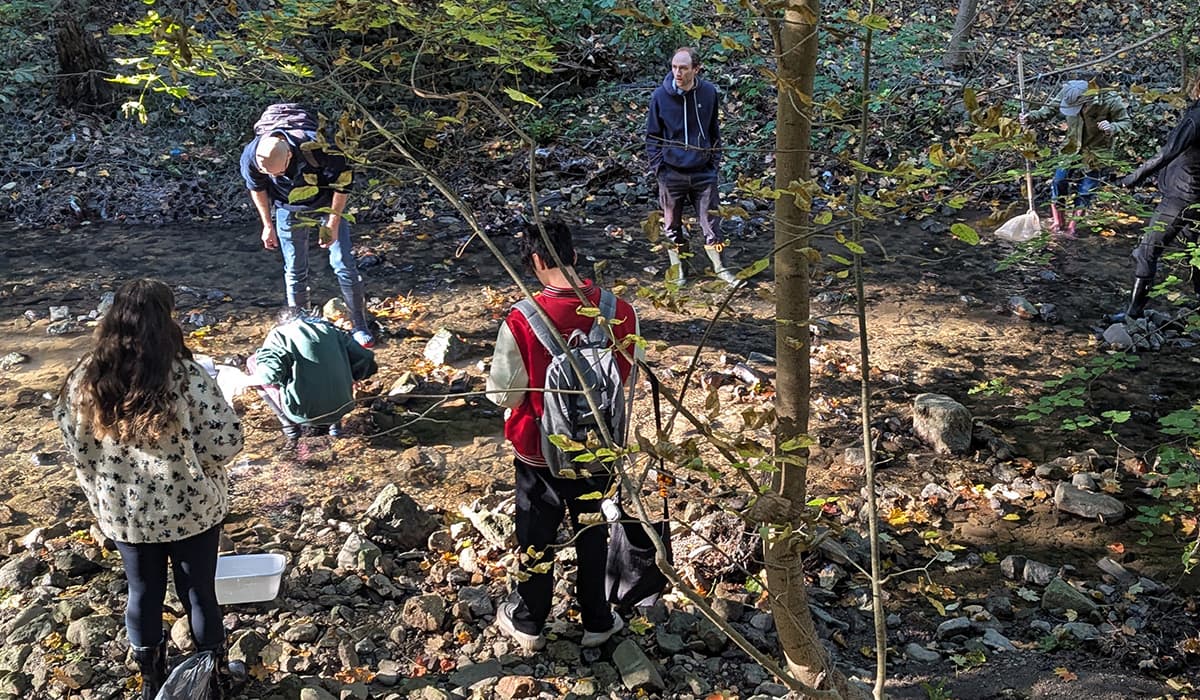
Course name: GEO 441, Geographic Information Science
Mode of delivery: Lab (2 hours/week), Lecture (1 hr/week)
Term: Second year
Move beyond basic GIS operation to master the underlying science. This intermediate, hands-on course covers spatial data models, projections, and algorithms using modern tools. By bridging theory and application, you’ll gain critical insights needed to solve complex, real-world problems.
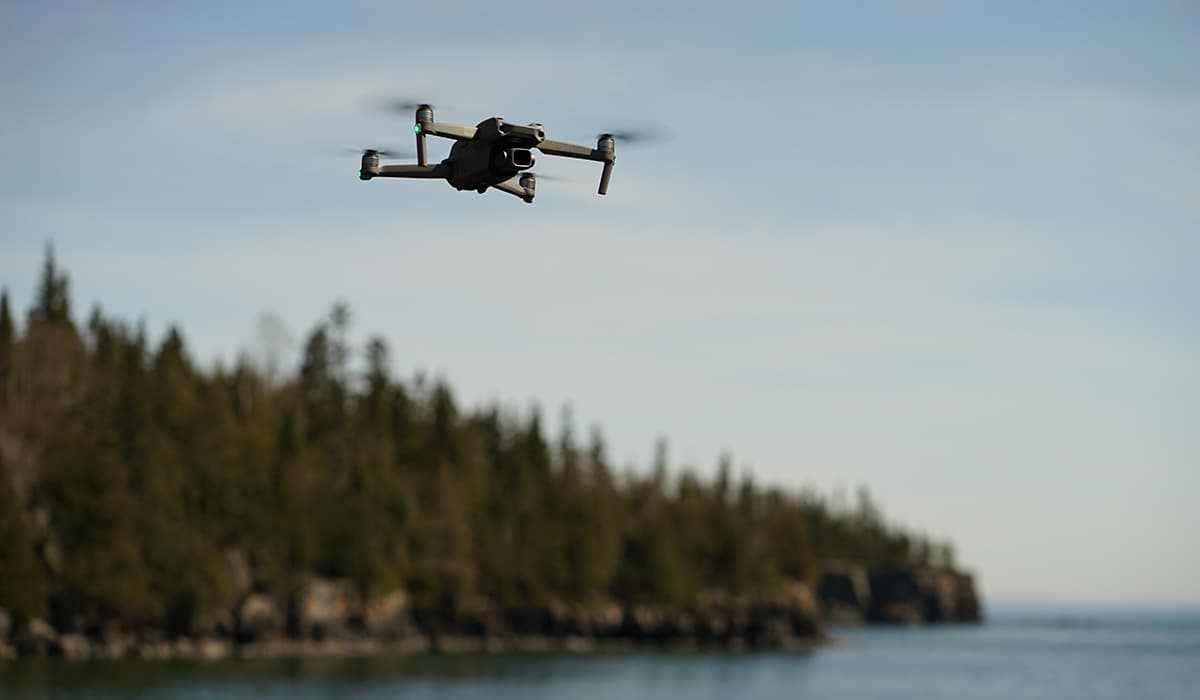
Course name: GEO 643, Field Methods for Geospatial Data
Mode of delivery: Lab (2 hours/week), Lecture (1 hr/week)
Term: Third year
Learn how to apply geospatial technologies to physical, environmental, and human geography in real-world settings. Topics of study include field research design, planning, sampling, and data collection for GIS and remote sensing applications.
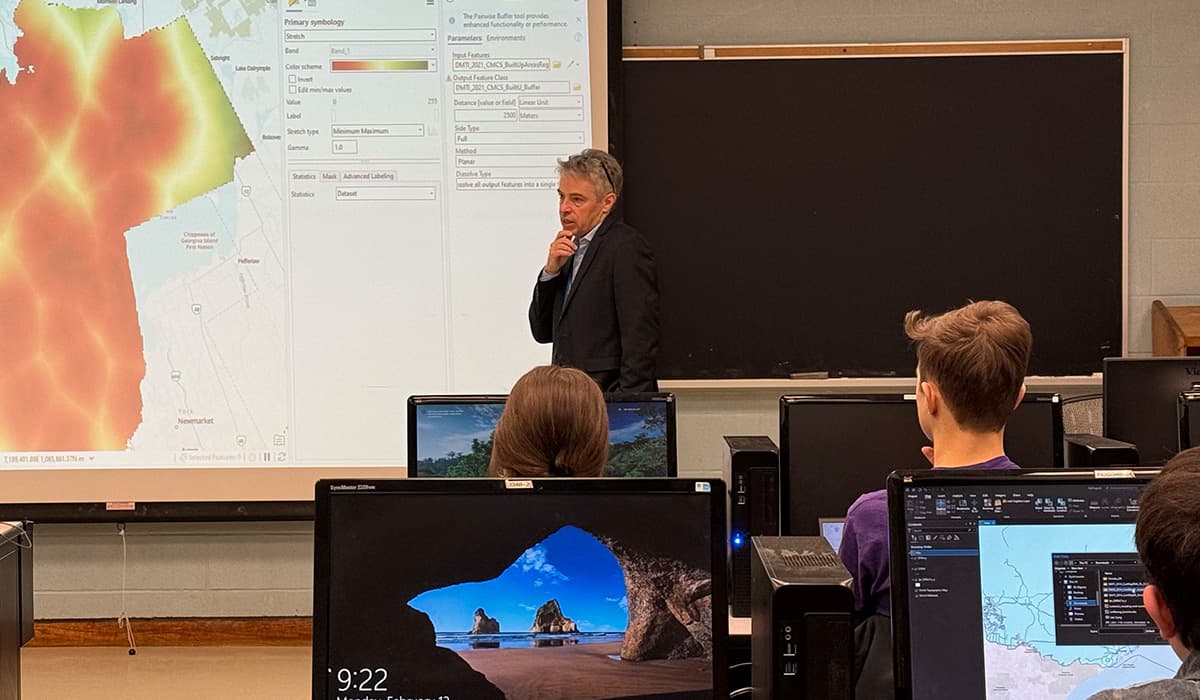
Course name: GEO 873, Geographic Entrepreneurship and Consulting
Mode of delivery: Lab (3 hours/week)
Term: Fourth year
In this course, you’ll work as part of a consulting team for external clients in the public or private sector. Participants gain entrepreneurial experience, start building a professional network, and develop a clear sense of what to expect after graduation.

Academic journey and program structure
Combine classroom and lab-based learning with real-world experience in this exciting, career-focused program, exploring core streams of geography integrated with geographic information systems (GIS) and other geotechnology tools and techniques.
Core goals/highlights of the curriculum:
- Use location intelligence and spatial processes to tackle issues faced by government and industry
- Learn to collect, analyze and present spatial information
- Study on-campus or participate in an international exchange
New and returning students in Geographic Analysis can access a wide range of program-specific awards and scholarships in addition to Faculty and TMU awards.
You may be eligible for:
- $1,000 Environics Analytics Entrance Scholarship (two awards)
- $1,000 Environics Analytics Scholarship for Exemplary Service and Community Engagement
- $1,000 Environics Analytics Retail Geography Award
- Many more awards!

Learn on the job and gain valuable experience in geographic information systems (GIS), mapping and remote sensing technology.
Co-op benefits
- Learn to implement tools and methods in the workplace
- Earn money while you study
- Gain valuable professional experience for future employment


Prepare for a career in applied geography by learning advanced geotechnologies, including GIS and data collection tools, through lab work, field studies, and co-op opportunities.
Program highlights
- Develop professional level GIS and remote sensing skills
- Extensive computer lab-based learning from year 1 to 5
- Join an extensive network of business partners, government collaborators and alumni

Applied learning and student engagement
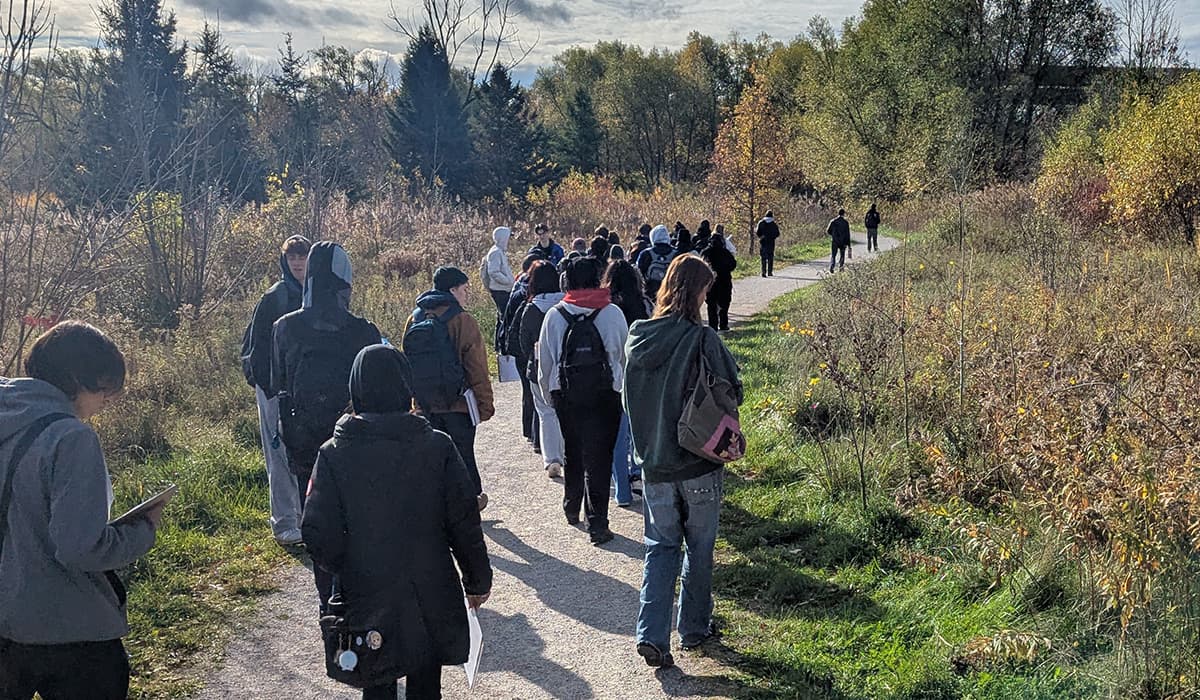
Experiential and applied learning opportunities
Get career-ready for life after graduation. Through project-based capstone courses and community-based learning, TMU offers hands-on experiences that help you apply what you’ve learned to real-world challenges.

Get involved
Join our vibrant and active community! Follow departmental student groups for networking opportunities and special events, find student resources and more.

Get help
At TMU, you’re never alone. Whether you need help with a course or assignment, mental health support, or have questions about your student insurance plan, we’re with you from orientation week to graduation day.
Alumni stories

"My degree in Applied Geography is the foundation of my professional success. Graduates leave the program with a well-rounded skill set, including an overarching knowledge of business intelligence, analytics/research, presentation skills and program management.”
— Dina Melo, Director of Operations Transformation at Rogers Communications


Future pathways
Graduates of our Geographic Analysis program can go on to explore a wide range of exciting and innovative academic pathways. Explore a range of graduate programs to help deepen and develop skills and knowledge needed by employers in a range of fields.
Master of Spatial Analysis (MSA)
A professionally oriented one-year program or research intensive two-year program. The MSA provides a comprehensive skillset in spatial analyses and data management through case studies, GIS application in lectures and labs, work placement and a major research paper or thesis.
Environmental Applied Science and Management (MASc/PhD)
Find solutions to environmental challenges through hands-on research supported by faculty, in social and natural sciences, engineering, public health, and more.
Immigration and Settlement Studies (MA)
Explore transnational human mobility as it relates to the Canadian experience through trends in immigration, government policy, and settlement programs.
Urban Health (PhD)
Combine the power of geography, spatial analysis and population-based research to examine and develop solutions that advance public and environmental health and the well-being of diverse populations.
Policy Studies (PhD)
Designed for aspiring researchers, this program prepares graduates for positions in academia and at all levels of public and non-profit sectors in Canada and around the world.
Communication and Culture (MA/PhD)
Study media and cultural technologies, communication politics, and develop an understanding of the processes and practices of media-immersed cultures. (Partnership with York University.)
Data Science and Analytics (MSc)
Develop interdisciplinary skills and gain a deep understanding of technical and applied knowledge in data science and analytics through lectures and active lab-based learning.
Certificate in Applied Digital Geography and GIS
From theory to practical GIS training, learn everything you need to accelerate your career or take advantage of new opportunities in this growing field.
Crime Analytics Certificate
Study advanced crime analysis techniques to improve tactical and strategic decision-making in this hands-on and pioneering certificate program.