Program Overview
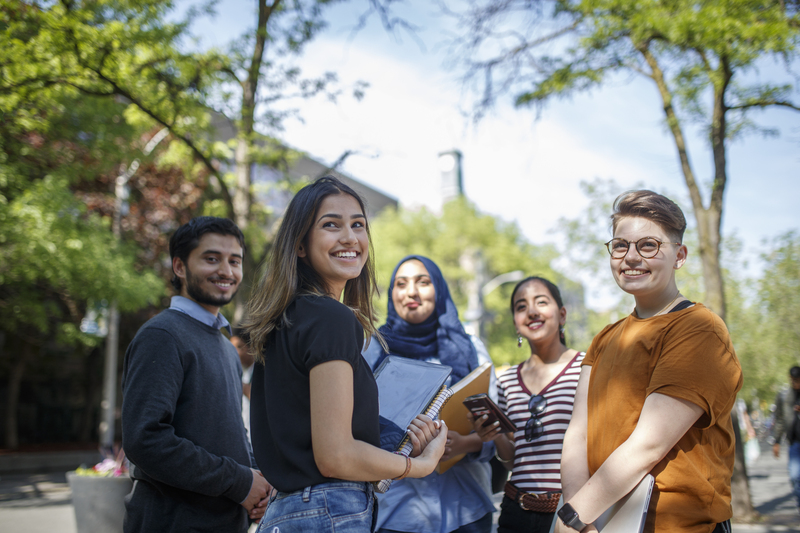
Arts and Contemporary Studies (ACS) is an interdisciplinary program for students who want to understand the forces shaping contemporary society and develop the skills to make an impact within it. Drawing on the strengths of the Faculty of Arts, ACS combines critical inquiry with applied learning across three concentrations: Anthropology, Media and Culture Studies, and Global Studies.
Students move from introductory interdisciplinary courses in first year to more focused seminars in the second and third years, culminating in fourth-year capstone experiences that include community-engaged and research-based projects, public events, and professional portfolios. Along the way, they examine how culture, media, identity, power, and social change shape everyday life, public debate, and global realities.
ACS encourages students to think across disciplines and perspectives while engaging contemporary issues through research, discussion, analysis, and creative problem-solving. Courses examine topics such as media and representation, social justice, community and identity, digital culture, global change, and public life.
Skills Development
In years two through four of the program, students deepen their studies through one of three concentrations: Anthropology, Media and Culture Studies, or Global Studies. These concentrations allow students to develop focused expertise while continuing to engage interdisciplinary perspectives and approaches.
Specialization
In years two through four of the program, students deepen their studies through one of three concentrations: Anthropology, Media and Culture Studies, or Global Studies. These concentrations allow students to develop focused expertise while continuing to engage interdisciplinary perspectives and approaches.
Co-op: Paid Work Terms
An optional co-op stream allows students to gain hands-on professional experience while applying their learning in related workplace settings. Students complete paid work terms with employers in areas such as government, culture and heritage, media, non-profit organizations, and the private sector, while building professional networks and career-ready skills. The co-op option typically extends the program to five years and includes three work terms.