World Ocean Day Feature: How to Transform 8 Plastic Water Bottles Into a T-Shirt
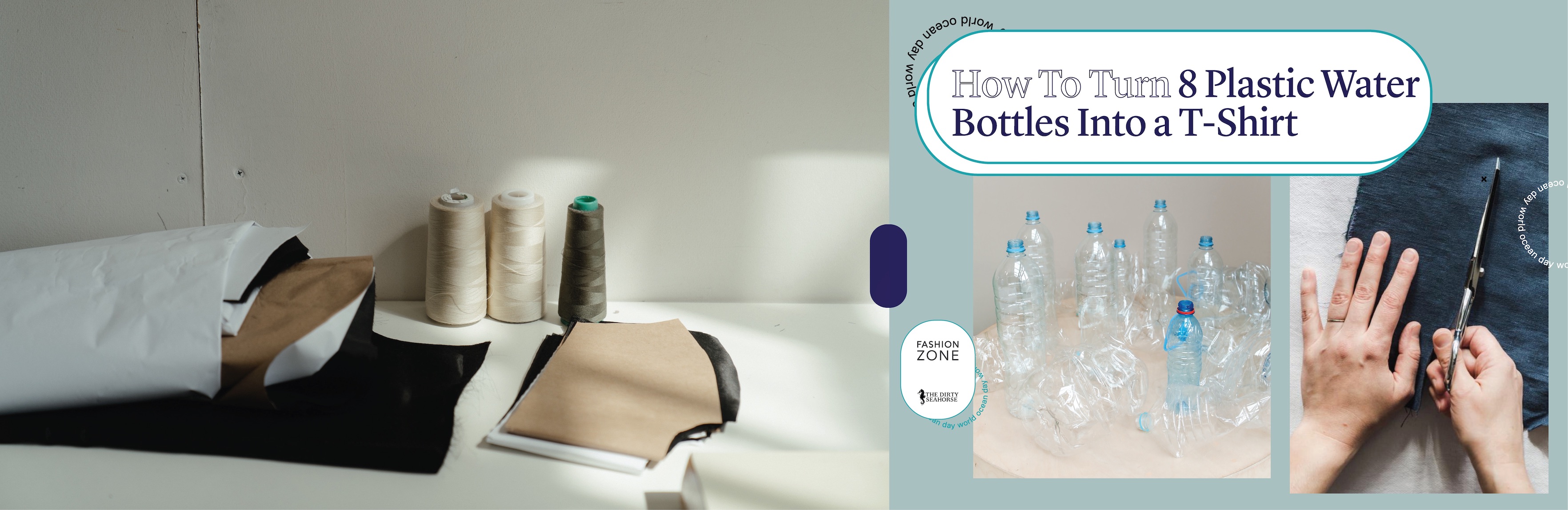
Transforming plastic bottles to t-shirts sounds crazy right? But it’s not impossible.
As a member of the Fashion Zone, The Dirty Seahorse (external link, opens in new window) is a Canadian eco-friendly apparel and lifestyle brand that hopes to protect the marine ecosystem and planet from harmful materials and waste. With plastic pollution being one of the largest contributors to ocean waste, The Dirty Seahorse aims to contribute to a more environmentally responsible future and encourage the movement towards sustainable fashion, where a portion of all sales support ocean clean-up and conservation initiatives. Here, we will share how the company creates their rPET T-Shirts (external link, opens in new window) with 8 water bottles!
Process
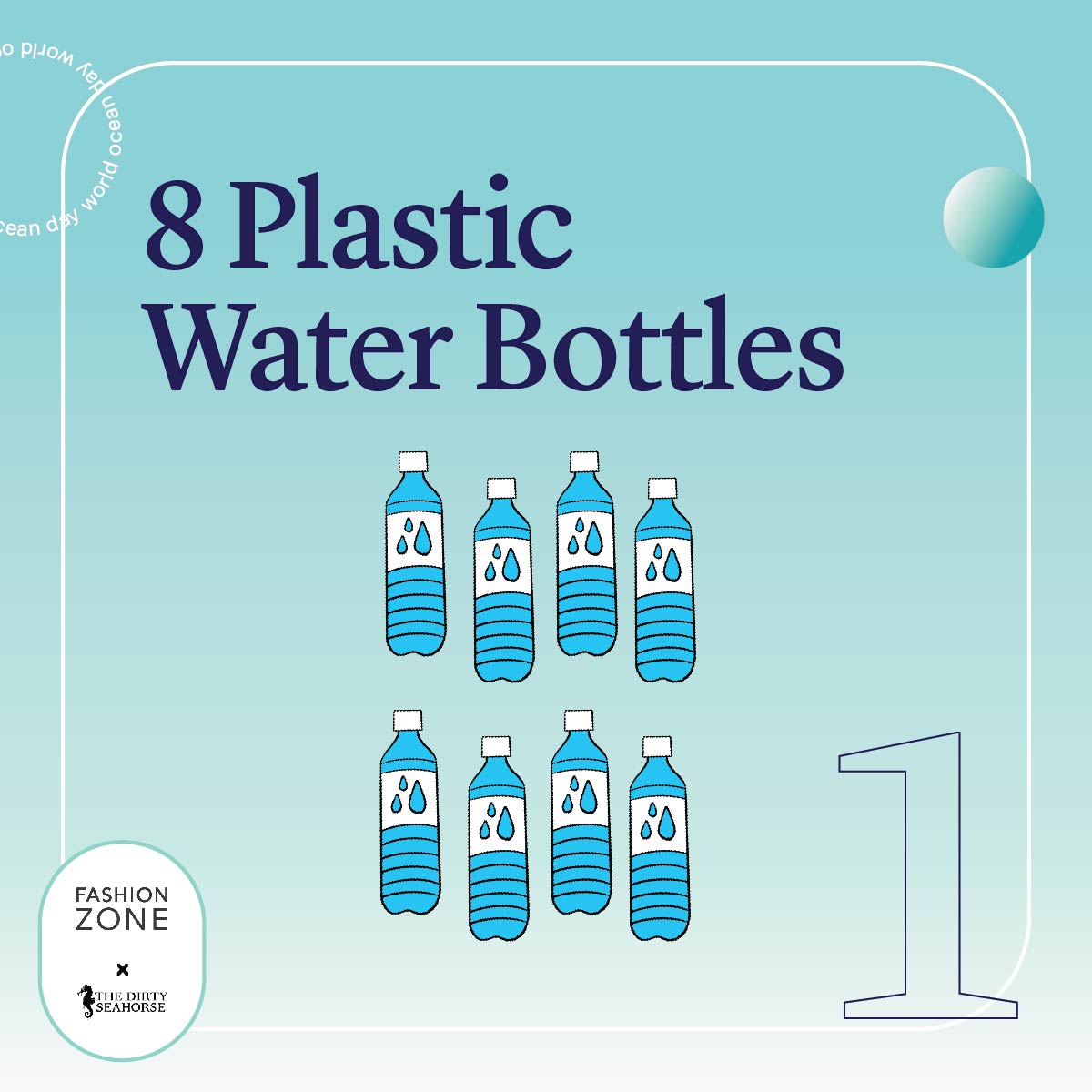
Step 1: Collect 8 Water Bottles
To begin the process, approximately 8 water bottles must be collected and taken to a bottle processing center. They are typically collected as plastic waste or recycled plastic.

Step 2: Plastic is Shredded into Plastic Flakes and Melted into Pellets
During this step, the waste material is shredded and broken down into very small pieces. This way, they can be easily melted into pellets!
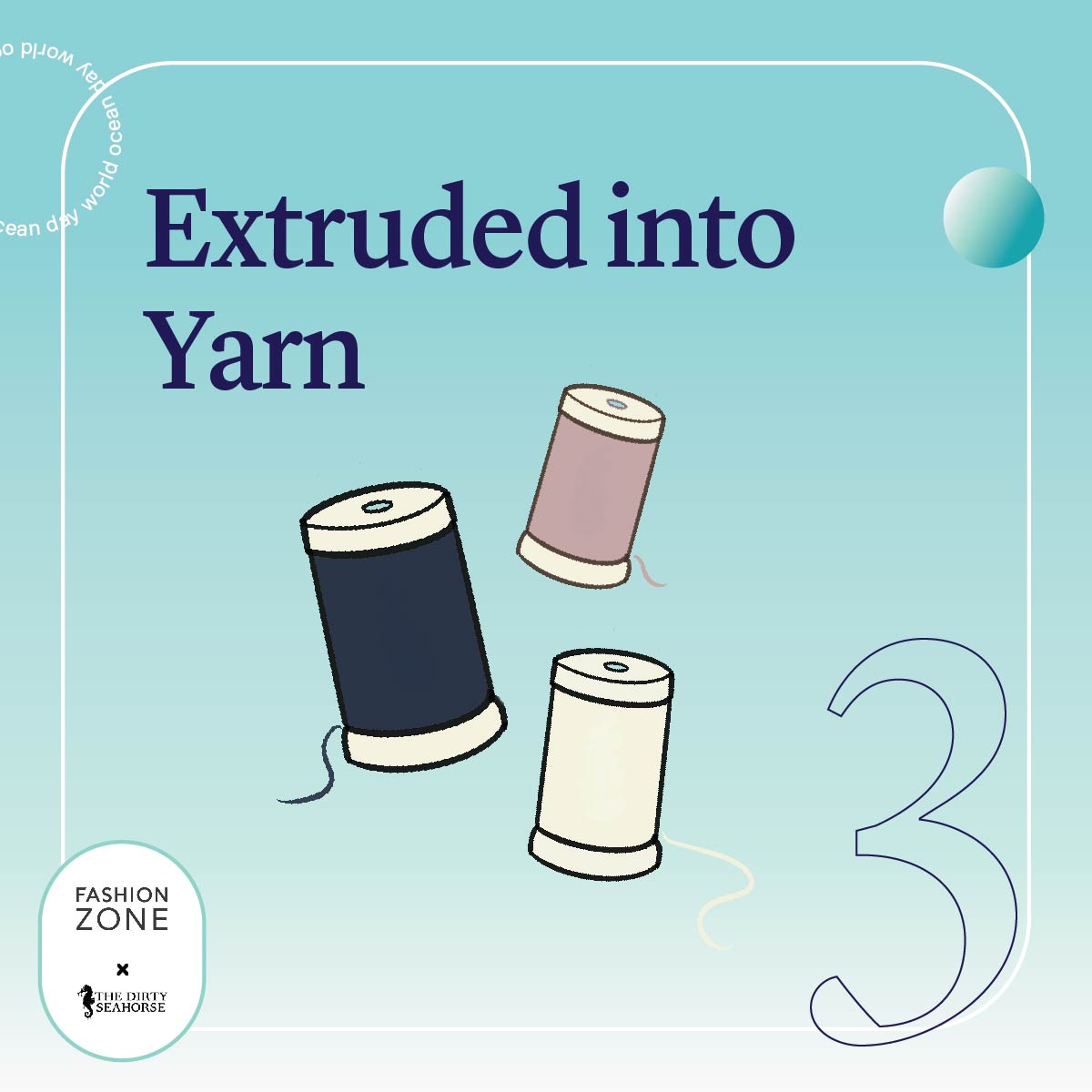
Step 3: Plastic Remains are Extruded into Yarn
Once the plastic is broken down to its smallest form, the remains can then be extruded into yarn. This is done through a process called spinning and air-jet texturing.
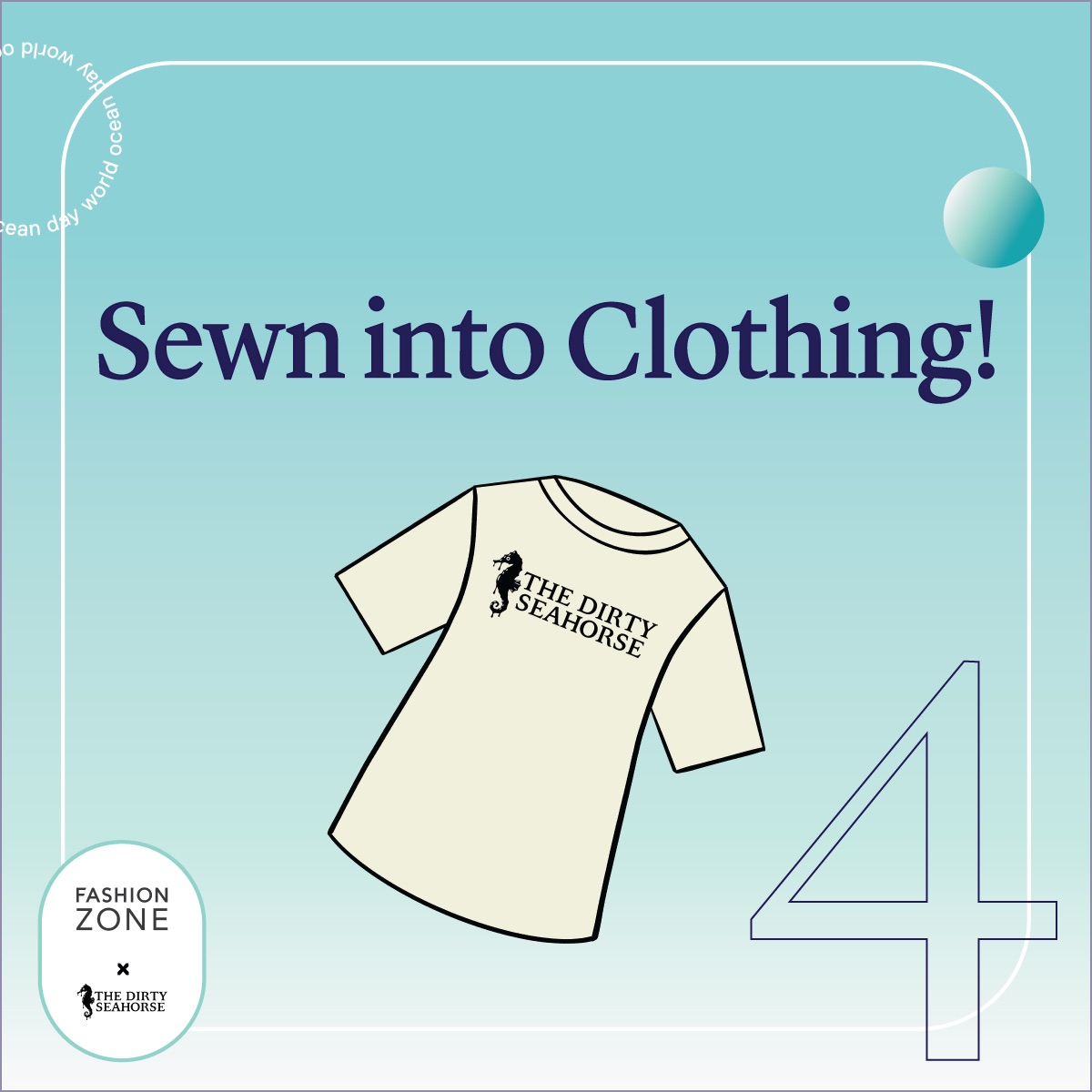
Step 4: Sewn into Clothing
The yarn then weaves into fabrics, and can be used to sew clothing including t-shirts (external link, opens in new window) , tank tops (external link, opens in new window) , hoodies (external link, opens in new window) , and more! These fabrics are known as rPET, and can also be combined with other materials such as upcycled cotton, recycled cotton, and recycled polyester.
There's More!
Check out our previous World Ocean Day feature about 3 Ways to Prevent Ocean Waste (external link, opens in new window) !