Student Showcase
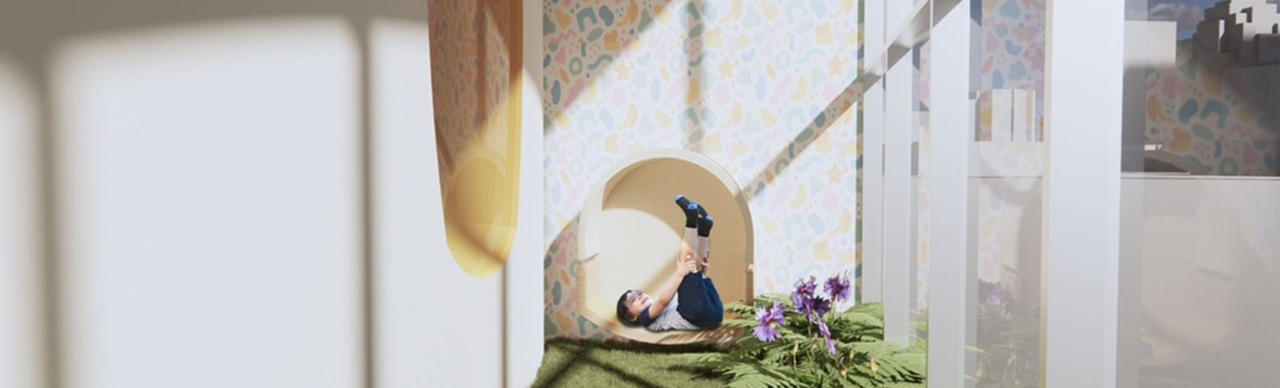
Dina Badawi, MID Major Research Project: Artful Sanctuaries: Promoting Wellbeing and Self Discovery in Early Childhood though Interior Design

Project Abstracts
Graduate of PP-MID Program
How to Better Integrate the Past Into the Present and Future
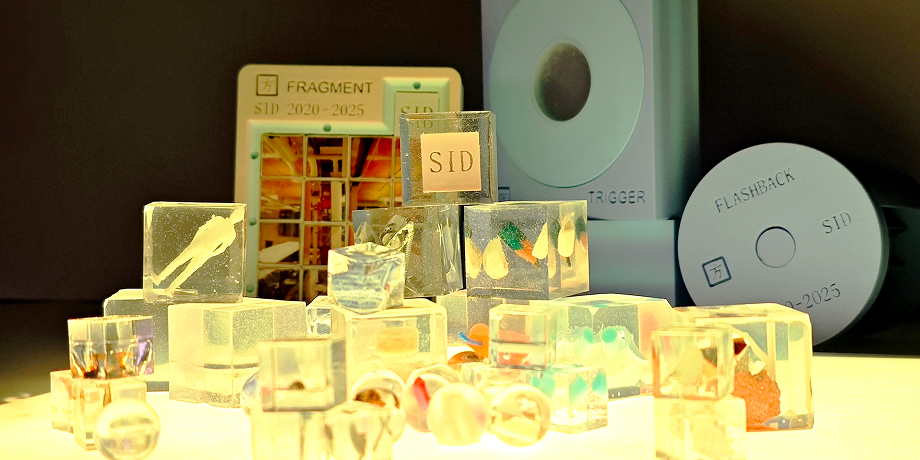
This article presents the author's theoretical research process and practical results in exploring strategies for valuing, continuing, and iterating on old things. From the protection of old buildings to the concern for the humanistic emotions attached to old things, the author hopes to explore how to rationally bring the past into the present and the future, and further serve people's lives. The project does not aim to blindly preserve all old things. Different individuals, groups, and communities have different attitudes towards old things. Based on different experiences and needs, logical protection and iteration can better support people's present and future. The final practice of the project will use the author's daily experience as a case to develop, verify and implement the project theory. The project also advocates and hopes that in the future, more people and groups will pay more attention to and iterate on old things related to them.
Graduate of PP-MID Program
Deconstructing Domesticity: Investigating the Moral Geography of the Canadian Mortgage and Housing Corporation (CMHC) Catalogue Homes
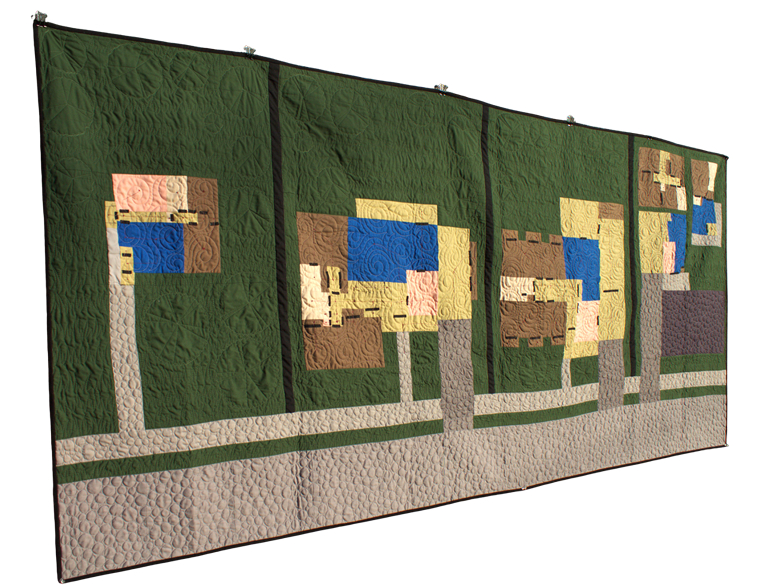
As a social artifact, domestic architecture encodes and reproduces prevailing social values through its spatial organization. This research asks: how has Canadian housing encoded and reinforced moral and gendered geography? It examines moral geography of the Canadian Mortgage and Housing Corporation (CMHC) catalogue plans (1947–1976) and contemporary Ontario Accessory Dwelling Units (ADUs), showing how layouts structured boundaries between public and private space, embedding ideologies of gender, privacy, and hygiene. Drawing on Louis Althusser’s concept of the ideological state apparatus, it argues that CMHC homes functioned not only as responses to housing shortages but as vehicles of ideological production. As a creative intervention, patchwork quilting is employed to map these geographies. Translating plans into quilt blocks—a craft historically tied to women’s domestic labour—materializes and critiques hidden spatial ideologies. Ultimately, CMHC catalogue homes emerge as Government-perpetuated material expressions of moral geography that continue to shape Canadian housing design.
Graduate of PP-MID Program
Saving Buildings From Demolition
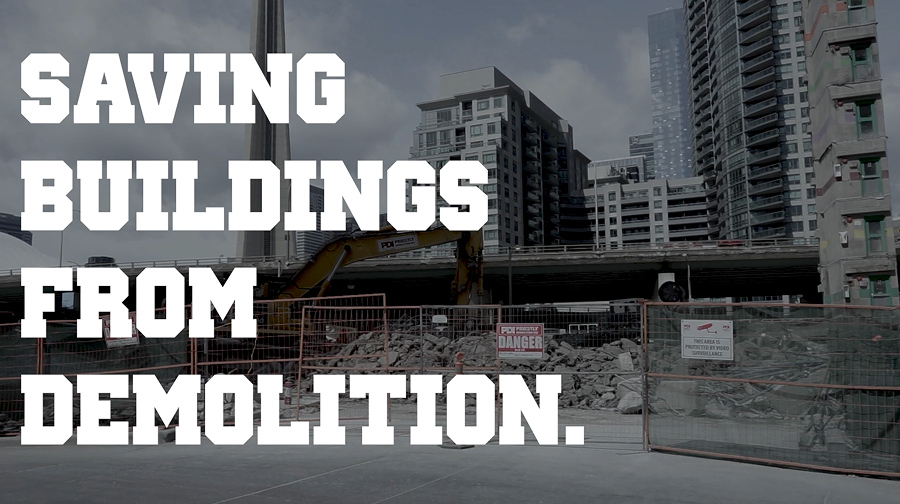
This research explores the escalating problem of mass demolitions in Toronto, where structurally sound 50-70-year-old buildings are being replaced by new high-rise developments. Through research, case studies, expert interviews and narrative filmmaking, the study examines cultural, social, and environmental implications of demolitions. The findings demonstrate that building reuse offers a feasible and more socially and environmentally just alternative to new constructions and allows for the conservation of embodied carbon and resources, reduction of landfill waste, and preservation of collective memories and cultural identity. Extending the research into the medium of documentary film, Saving Buildings from Demolition, seeks to raise awareness of the problem. By employing the melodramatic framing, the documentary aims to engage audiences emotionally and stress the importance of reimagining how we develop the growing city of Toronto.
Graduate of PP-MID Program
AI: The Silent Revolution
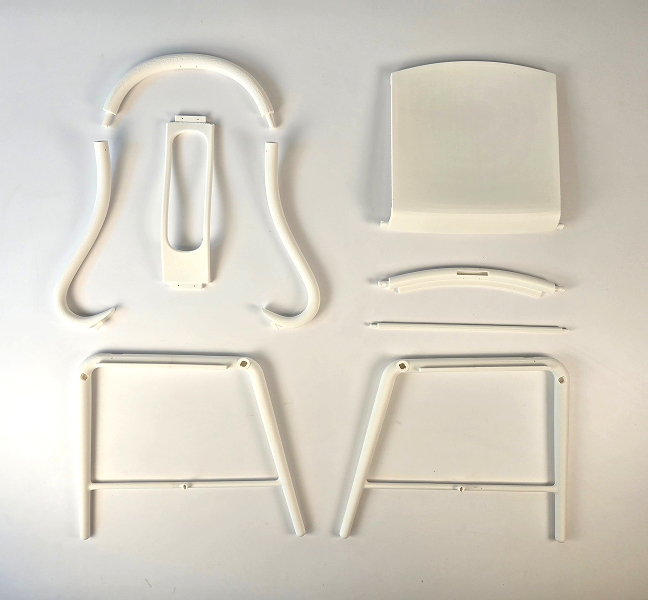
This Major Research Project investigates the impact of artificial intelligence (AI) as a collaborative partner in the design and fabrication process. Using the iconic Ming dynasty horseshoe-back chair as the springboard, it critically engages with its traditional construction, craftsmanship, and cultural symbolism. With the integration of generative AI and 3D printing, the project explores a language-driven, automated approach to design and fabrication.
Combining insights from both historical and contemporary chair design precedents, the project reimagines the Ming dynasty chair to produce a scaled prototype of the PROMPT chair, bridging heritage with innovation, with focus on digitally generated and 3D printed joinery.
By leveraging AI tools and additive manufacturing, this MRP proposes a democratised design framework, positioning AI as a catalyst for accessible and collaborative design contexts, including furniture and interior design practices.
Graduate of PP-MID Program
Exploring Multisensory of Materials in Interior Design
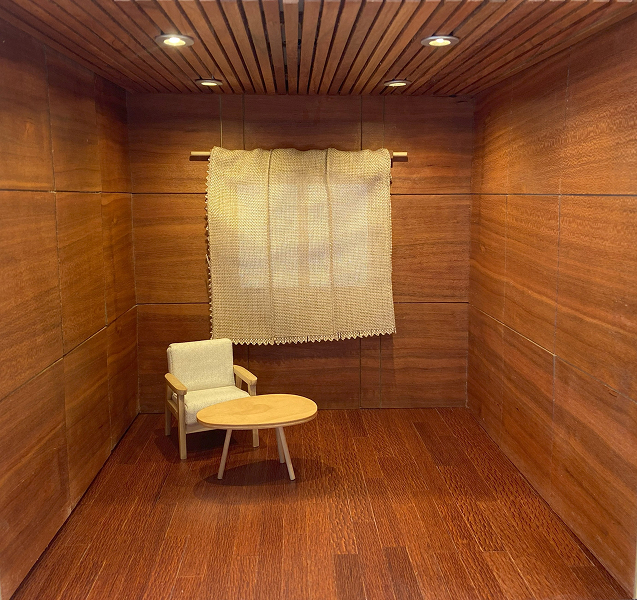
This research explores how material selections in interior design shape the way people sense and experience spaces. Although vision is the dominant sense, the perception of interior spaces is a multisensory process. Designers can intentionally engage multiple senses to create meaningful experiences. Specifically, the research focuses on how materials can create perceptions of warmth and cold through sight, touch, and sound. The study begins with a review of theories on multisensory design, then studies nine architectural precedents known for their significant sensory qualities. Based on these insights, two 1:10 scale room models were made; one using mostly wood to evoke warmth, and one using plaster that simulates concrete, and ceramics to evoke coldness. Each model integrates application of lighting, textures, and acoustic elements to simulate real environments. Observations from these models show how combinations of materials, colours, finishes, light, and sounds can work together to and shape sensory perceptions. The findings highlight the value of the multisensory design to create sensory rich and engaging interior spaces.
Graduate of PP-MID Program
Time in Interior Design: Connecting Architecture, Place, and Tradition
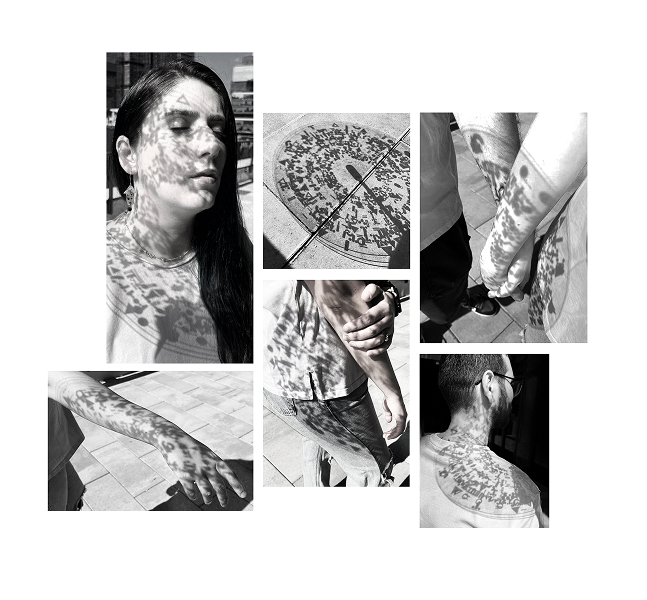
This Major Research Project explores time as a design medium in interiors, with a focus on culturasl heritage and intangible traditions. Taking the Festival Stage of Gjirokastër Catle (home of the Albanian National Folklore Festival), as its site, the research translates the temporal structure of iso-polyphony into a spatial installation. The methodology combines site analysis, diagrammatic thinking, sound-to-design translation and precedent study, supported by material and light-shadow experimentation. The four voices of iso-polyphony were abstracted into graphic forms and materialized as four suspended discs. These discs interact with sunlight to project shifting, overlapping shadows, functioning as temporal diagrams that mirror the cyclical rythms of the music. The installation, Singing Shadows of Time, situates a contemporary intervention within the layered historic fabric of Gjirokastër Castle. By transforming intangible sound into light, shadow and interaction, it bridges tradition and innovation while inviting visitors to participate in a temporal experience that changes throughout the day.
Graduate of PP-MID Program
White Square
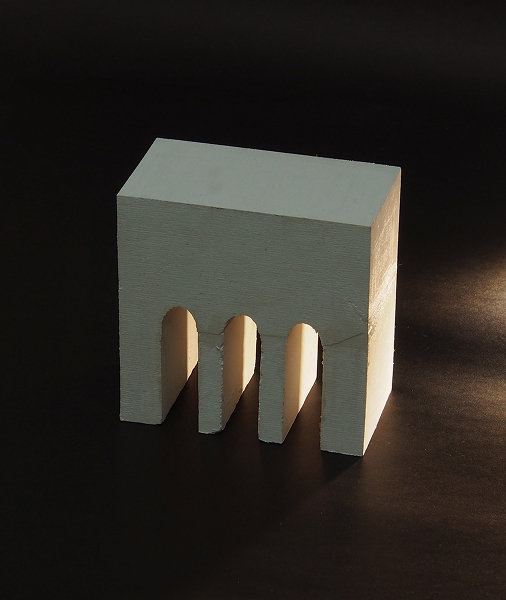
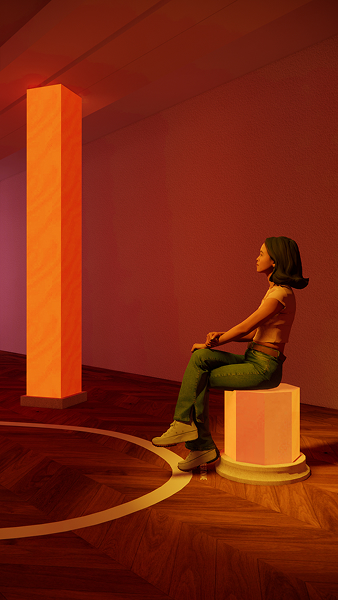
We live in the void. Mass defines the emptiness. In today’s urban environment, people have become trapped in the mass. Spaces have become more abstract and isolated, losing their connection to the outside.In contrast, Traditional Persian houses maintain a relationship between mass and void through a purposeful empty space. The central courtyard created connection. Therefore, I use the traditional Persian house to inform a new archetype. By injecting the “nothing” space, I aim to create a void in the chaos.
My work draws upon Suprematism to represent the world of feeling, while intentionally disregarding practical utility. The architecture is conceived as a sculptural type, free from a fixed program. As a conceptual archetype, a collection of metaphorical spaces explore freedom from the tension of utility. They represent a transition from the external to the internal, facilitated by a central courtyard.
Graduate of PP-MID Program
Between Spaces: An Art Installation for Museum Visitors with ADHD
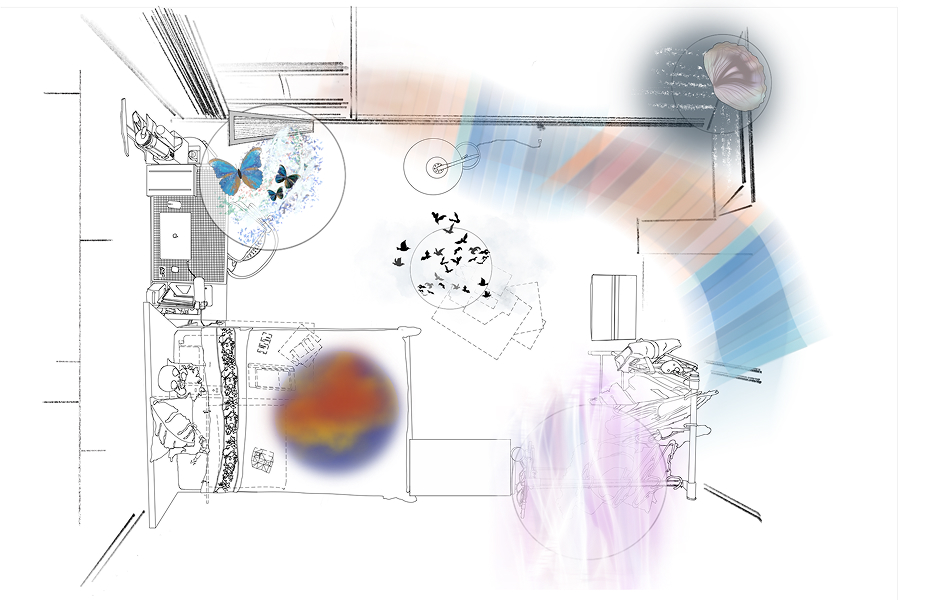
Museums have long served as spaces for reflection, inspiration, and cultural exchange. Yet their spatial design often assumes a neurotypical visitor—one who engages linearly, navigates with ease, and tolerates sensory input. This Major Research Project examines how such assumptions can exclude neurodivergent individuals, particularly those with Attention Deficit Hyperactivity Disorder (ADHD), for whom overstimulation, disorientation, and fatigue are common. While many museums now provide accommodations for autistic visitors—offering sensory kits or quiet hours—this project investigates a spatial alternative with ADHD in mind. Situated in Gallery 136 at the Art Gallery of Ontario, the proposal reimagines the gallery as a transitional space for an immersive installation: a sensory pause supporting grounding, reflection, and autonomy. Drawing from neuroaesthetics, spatial behaviour studies, and inclusive design strategies, this project reframes accessibility not as an afterthought but as an embedded ethic—advocating for responsive environments that embrace cognitive and sensory diversity.
Graduate of PP-MID Program
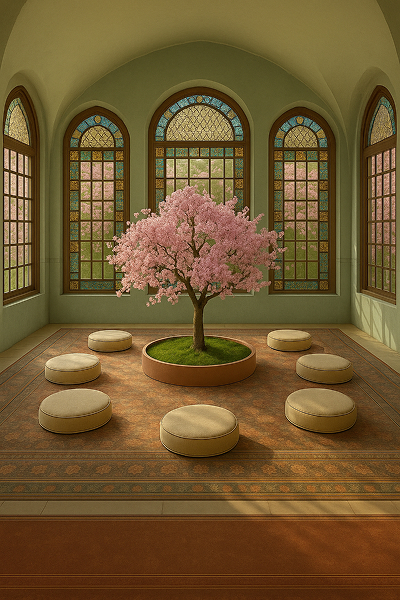
Chromatic Emotions: Exploring the Psychological Impact of Colour and Texture Through Seasonal Spatial Narratives at Bagh Ferdos
This thesis investigates how colour and texture influence human behaviour and emotional response within interior environments. Centred on Bagh Ferdos, the historic Museum of Cinema in Tehran, the project transforms four rooms in the main building into immersive exhibition spaces, each inspired by one of Iran's seasonal festivals: Nowruz (Spring), Tirgan (Summer), Yalda (Autumn), and Muharram (Winter). Through digital rendering and material exploration, each space becomes a sensory narrative that merges cultural memory with psychological design strategies. The project draws on environmental psychology, colour theory, and phenomenology to examine how spatial aesthetics, specifically chromatic and tactile qualities, can evoke specific moods and associations tied to time, tradition, and memory. Methodologically, the thesis combines 3D digital modelling with precedent studies and behavioural research, situating the design within both academic and cultural frameworks. The result is an interpretive exhibition that not only revives seasonal rituals through material language but also contributes to a broader understanding of how design can shape perception and emotional well being. Ultimately, this work proposes a culturally rooted yet universally applicable model for designing emotionally resonant interiors through colour and texture.
Graduate of PP-MID Program
Blurring the Lines: In-Between Interiors & Exteriors
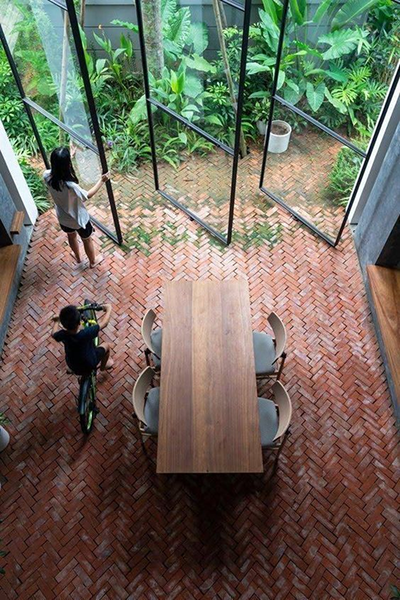
In modern day architecture, we can see that the threshold spaces are slowly disappearing—these in-between - transitions zones, that connect the interior and exterior are getting substituted by defined boundaries. The MRP explores blurring the boundaries between indoor and outdoor spaces. It focuses on connecting interiors and exteriors using threshold spaces and, elements from the kit of parts. The lack of such transitional spaces restricts our connection to nature, social interaction, and smooth transitions from the outdoors to indoors. All such limitations were realized during the COVID-19 pandemic.
Through study of traditional and contemporary projects—the MRP develops a flexible "kit of parts" system for designing simple and flowing threshold spaces. The flexible toolkit includes adaptable elements that can be customized, redesigned or rearranged across multiple contexts and scales. The developed kit of parts shows adaptability in various arrangements, focusing on smooth flow between spaces, encouraging interaction and pause while being functional. This research delivers theoretical insights and practical tools for connecting interiors and exteriors through threshold design as a meaningful design strategy in modern spatial practice.
Graduate of PP-MID Program
Edge in Everyday Interior Space: Design Strategies Informed by Natural Phenomena
Contemporary lifestyles have led to a decline in direct interaction with nature, with interior environments being predominantly characterized by functionality and visual forms. This neglect weakens the influence of space on perception and emotion, further distancing people from nature. In this research, nature is defined as intangible environmental forces such as light, temperature, humidity, and air, rather than green plants or landscape imagery. The study focuses on the reactivation of natural phenomena in everyday interior environments, exploring how these intangible forces can be transformed into perceptible events through design. Taking edges as the entry point, they are viewed as interfaces where nature interacts with the human body, matter connects with perception, and the invisible transforms into the visible. Through experimental models and material tests, the research explores the translation of natural phenomena within interior spaces and integrates these findings into a set of practical design strategies.
Graduate of PP-MID Program
Artful Sanctuaries
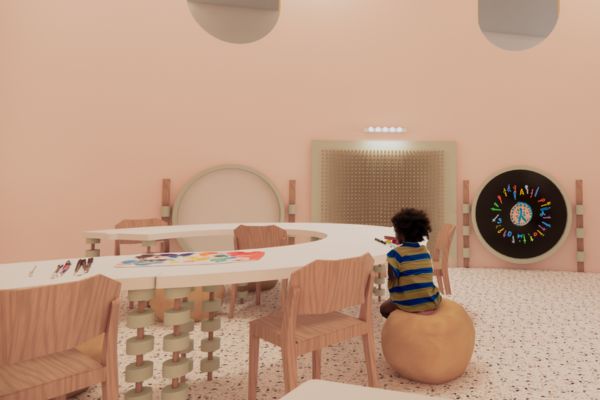
In a world where the adults are the ones paying, and the ones that are running all the businesses, we often forget about the little people, the ones that eventually grow up to be those very same busy adults. What we do not realize is that these children shape what the future will look like, and to be proactive by creating healthy environments for holistic development saves us time, money, and emotional dysregulation. This is what Artful Sanctuaries is here to do. This project creates spaces for children, ages four to nine, to escape stressful environments such as schools and hospitals. It is a space that is designed to provide a safe and playful place to create art. The sanctuary is equipped with art, hideout, and indoor/outdoor spaces. It gives children a level of control, guidance, and playfulness that helps in the development of their wellbeing and self discovery. Thus leading to a generation of increased well rounded individuals.
Graduate of PP-MID Program
AI: The Future of Design
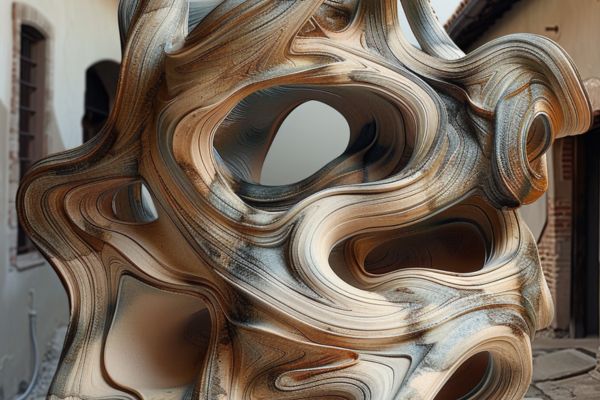
This thesis embarks on an exploration of the future of interior design, examining the intersection of artificial intelligence and traditional craftsmanship, particularly in ceramics. The research delves into how AI can inspire and enhance the design process, offering new possibilities for creative expression while maintaining a deep connection to the organic and historic qualities of clay. It investigates the potential of AI-driven tools to revolutionize design by enabling designers to push beyond conventional boundaries.
Through interviews with industry pioneers, Amir Noori and Sandra Ohlendorf, the thesis captures a spectrum of perspectives on AI's evolving role in design. Their insights provide a critical lens through which AI integration is analyzed, highlighting both opportunities and challenges. This comprehensive exploration presents a nuanced understanding of how AI and ceramics can converge, proposing a future where technology and tradition coexist to create sustainable, unique, and revolutionary designs.
Graduate of PP-MID Program
Healthy Interior Design as a Prerequisite of a Positive Spatial Experience
It is a well-known fact that people spend 90% of time indoors. With such a strong connection of people and the built environment, it is important to investigate how buildings affect our health. Yet, the study of the connection between the two is a relatively new subject of research.
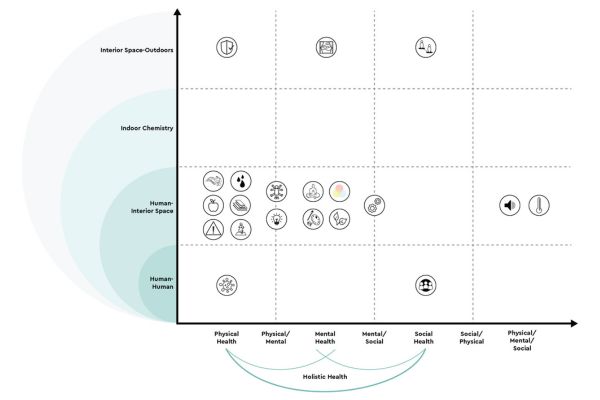
This paper investigates the multifaceted influences of the built environment on human health in residential settings. Part I examines the theoretical framework of spatial perception. Part II goes into an exploration of various aspects of health, affected by the built environment, grouped into Physical, Mental and Social Health. Part III includes examples of projects where these ideas were partially integrated.
The paper culminates in three outcomes: 1) design of the space with the application of conducted research, 2) questionnaire for clients/users of the spaces, and 3) “Healthy Interior Design” manual with a set of practical guidelines for interior designers.
Graduate of PP-MID Program
Affordable Housing and Sustainable Design
As housing prices rise, the number of homeless and low income individuals rise
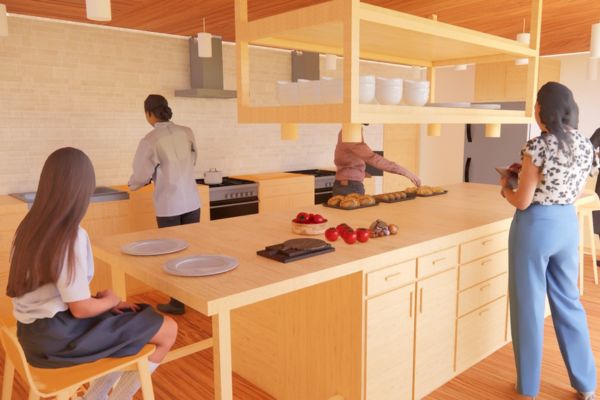
along with it. Canada is currently struggling to keep up with the demand for housing as the population grows. At the moment, the affordable housing community is being mistreated and neglected; this is proven to be true when observing the decline in new affordable units and the poorly designed spaces that are currently occupied. In order to effectively evaluate the spaces that already exist, I have conducted quantitative research methods which include interviews with residents, diary studies, user journey maps, and material organizational sheets. The design process that follows these research methods will lead to a more sustainable solution with the use of efficient materials. The intention of this MRP is to introduce sustainable material usage all while designing a space that provides efficient storage, furniture and organization.