From Fruit Pigments to Smart Medical Packaging — and What Comes Next
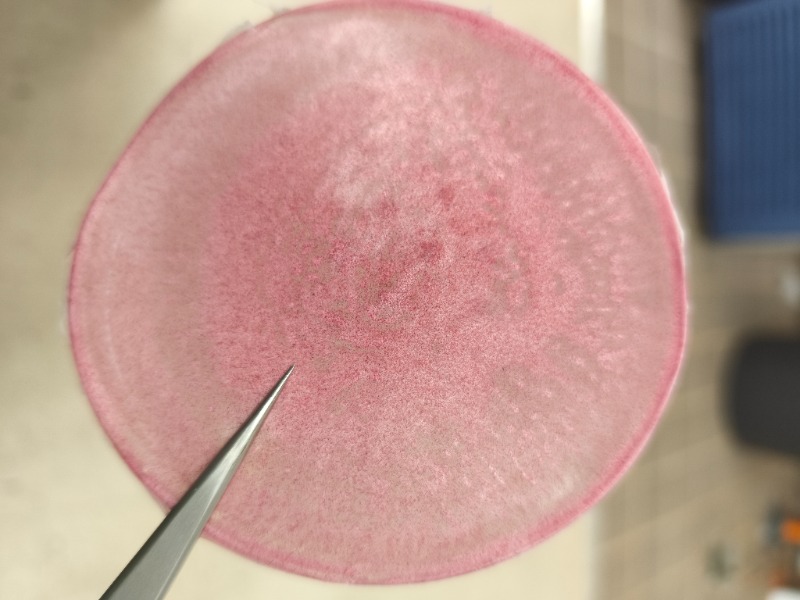
Circular biodegradable film samples made from PLA and beetroot-derived betalain pigment, showing varying shades of red and pink that illustrate color sensitivity to pH changes during development of smart medical packaging.
First of all, I want to say how grateful I am to have shared the early stage of my research on using natural pigments for smart packaging last year on the EnSci&Management Blog (thanks again for the opportunity!). My goal back then was simple but ambitious — to make packaging that can “think” and “tell”. In other words, packaging that can help users understand when a product may no longer be safe to use.
Since then, the project has grown significantly. Throughout this work, I have been collaborating closely with my supervisor, Dr. Ehsan Behzadfar, in the Sustainable Polymers Research Lab (SPRL) at Toronto Metropolitan University. Many of the key decisions—from selecting materials to refining processing methods—were shaped through ongoing discussions with him. I am also fortunate to receive Mitacs funding, which has made it possible to carry out the experimental development behind this project and to explore how natural pigments can be incorporated into biodegradable polymers for potential smart-packaging applications.

Why smart packaging matters
As I mentioned previously, pharmaceutical and medical products are often stored in homes for long periods of time—sometimes long after their recommended use. Many chemical or biological changes inside these products are invisible, and traditional expiration dates cannot reflect real-time conditions once a product leaves the pharmacy.
A smart indicator built into the packaging could one day help people identify when a product begins to change,which can offer an additional and alternative layer of safety. Moreover, it can also reduce unnecessary waste from prematurely discarded medication.
Building the Project
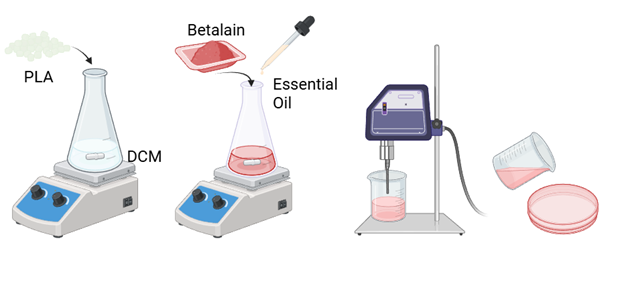
The concept behind my work is inspired by some pigments and dyes from the fruit we eat everyday, the bright red compounds found in beetroot that are known for their environmental sensitivity. My research involves combining these pigments with specific polymer film, a biodegradable polymer derived largely from renewable resources.
In early trials, I explored various processing approaches to improve pigment distribution and material uniformity. Conversations with Dr. Behzadfar helped guide adjustments to the formulation and preparation methods. These efforts gradually moved the project from an initial idea toward prototypes with more consistent structure and responsiveness.
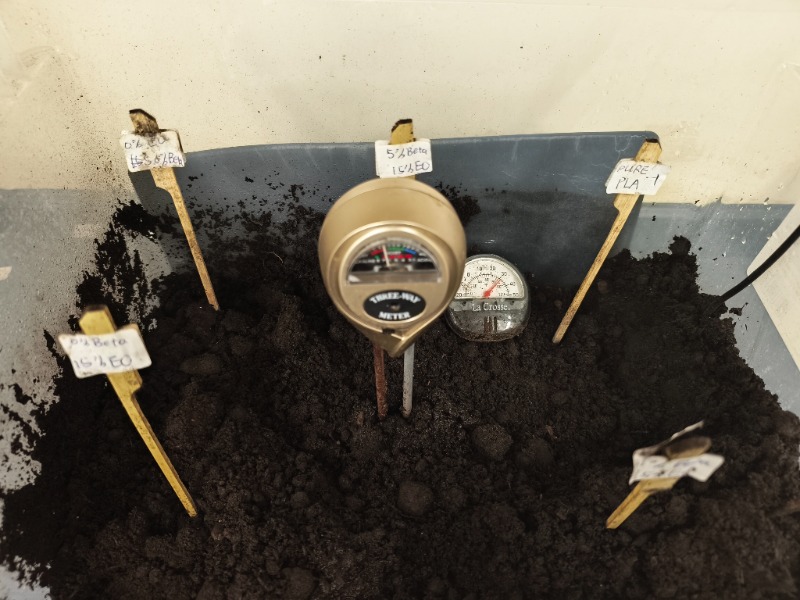
At the same time, I began evaluating the material’s broader environmental behaviour using controlled laboratory conditions. From my personal experience and perspective, I can say that these studies have helped me better understand how pigment choice, polymer composition, and environmental factors interact—knowledge that continues to shape the next phase of the work.
What the journey has shown so far
The past year has shown me that developing bio-based smart materials requires precision and patience at every step—small changes in formulation or processing can shift the behaviour of the final product. I also learned a great deal outside the lab. By attending conferences and speaking with researchers, I gained new perspectives that helped refine the direction of this project. Even without sharing unpublished data, these experiences point to promising paths for how natural pigments may one day function in biodegradable packaging systems.
Regulation, Sustainability, and then Bigger Picture
Another part of this project is understanding how smart biodegradable packaging could fit into Canada’s regulatory framework. Natural pigments must meet safety, migration, and stability standards before being incorporated into any medical or pharmaceutical packaging. Exploring these requirements is now an important direction of my research and directly connects to my graduate studies in environmental management and sustainability innovation.
Beyond regulation, this work also aligns with Toronto’s sustainability goals and the broader movement toward reducing single-use plastic waste. Medical packaging contributes significantly to municipal waste streams, and developing materials that are both functional and biodegradable could help lessen that burden. This intersection of materials science, public health, and environmental policy is one of the reasons I am passionate about this research.\
More Looking ahead
Working at the intersection of chemistry, materials science, and environmental policy has shown me how sustainable design can offer practical solutions to real-world health and safety issues. Every thin film I cast—some uneven, some nearly perfect, some completely unexpected—reminds me that innovation is rarely linear.
As the project continues, I hope that biodegradable, color-responsive materials will not only advance the field of smart packaging but also inspire broader adoption of renewable, environmentally conscious materials within the medical and pharmaceutical industries.

Zhenhan (Fred) Ma is a Master of Applied Science student in the Environmental Applied Science and Management (EnSciMan) program at Toronto Metropolitan University. Before beginning this project, he earned his Bachelor’s degree in Chemical Engineering from McMaster University and gained R&D experience at the Canadian startup Longan Vision Corp. Fred now works in the Sustainable Polymers Research Lab (SPRL) under the supervision of Dr. Ehsan Behzadfar, where ongoing discussions with his supervisor help shape the scientific direction of his research. His work is supported by Mitacs funding and by the research infrastructure at TMU, allowing him to explore how natural pigments and biodegradable polymers can be developed into smart medical packaging materials. His broader interests include sustainable materials design and the policy context that guides innovation in Canada.
Questions about the article? Contact Zhenhan (Fred) Ma at fred.ma@torontomu.ca