Co-op and internships
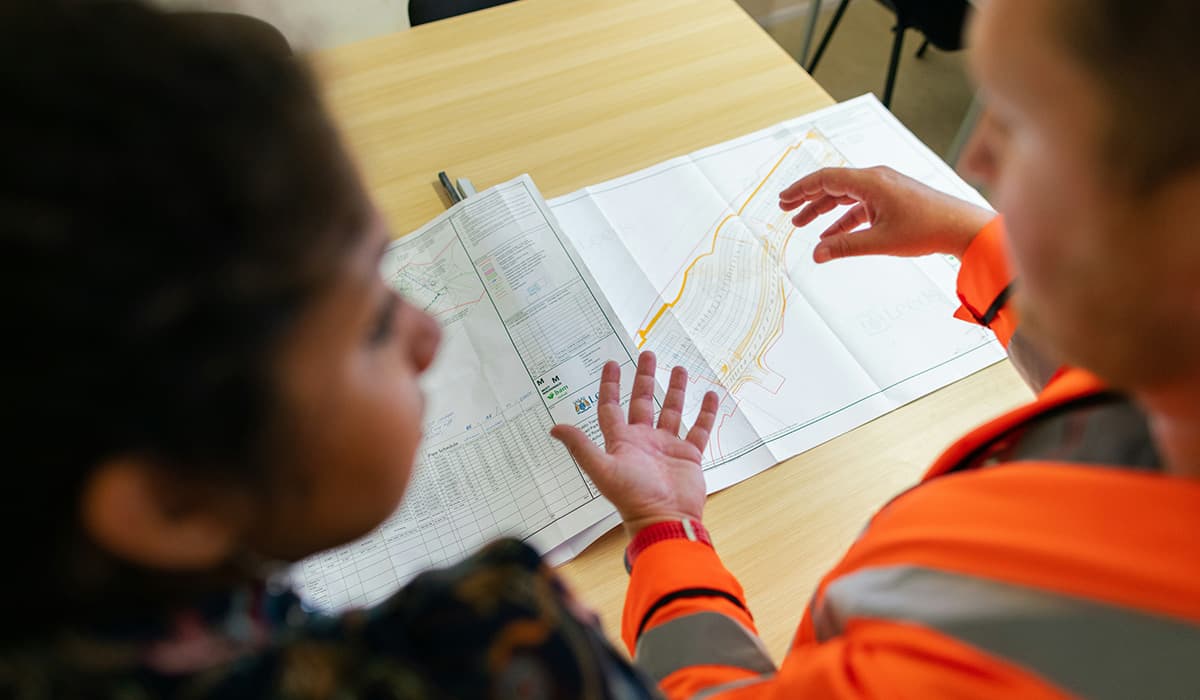
Bridge the gap between the classroom and the professional world. Explore how real-world experience is integrated into every program in the Department of Geography and Environmental Studies.
On this page:
Note: Portal is only for current students reviewing their application profile.
Why choose co-op?
- Professional experience: Gain relevant work experience directly in your field of study before you graduate.
- Personal growth: Discover your strengths, interests, and goals in a supportive learning environment.
- Financial support: Earn competitive wages to help offset the costs of your university education.
- Strategic networking: Build a network of industry contacts and professional references for your future career.
- Hiring advantage: Significantly increase your employability; many co-op students are hired by their placement partners.
Attend a workshop or event
Workshops organized by the Career, Co-op and Student Success Centre or the Department of Geography and Environmental Studies are the best place to start your co-op or internship journey. Check the event calendar below or communication from your program for further details to learn more about:
- Eligibility and entry requirements (for Environmental and Urban Sustainability only)
- Application process and timeline (for Environmental and Urban Sustainability only)
- Timelines of work terms and degree completion
- Important contacts and resources
Note: Most Co-op and Career Centre sessions run between January and March

Environmental and Urban Sustainability
The co-op stream in Environmental and Urban Sustainability is an optional experiential learning opportunity available to students starting in Fall 2026. The co-op stream will have limited intakes in its first 3 years (2027-2029) and admission may therefore be competitive.

- Step 1: Check Eligibility - Must have a clear academic standing and a minimum CGPA of 2.67 (note: Space is limited for 2027, 2028 and 2029 intakes)
- Step 2: Apply - Submit an application to the Environmental and Urban Sustainability co-op program in May. View application instructions.
- Step 3: Prepare for work term 1 - Following completion of GEO 171 in Year 2, begin preparation and seek placement for work term 1 (WKT 150) in Spring/Summer of Year 2.


- Proven Career Readiness: All students are required to complete at least one work term placement to graduate from the Geographic Analysis program. This has been a foundation of the program since its establishment in 1974, connecting students with partners in the public and private sectors to apply and advance skills and employability.
- Practical Experience: A cornerstone of the GA program is its focus on practical skillsets in demand by government and industry. Students benefit from applying their classroom, field and laboratory learning in real-world settings, while employers benefit from advanced levels of skillsets as students progress through the program.
Master of Spatial Analysis — Practicum / Internship
The Master of Spatial Analysis internship is a required field placement at two days per week during the winter semester for fulltime MRP stream students, and available depending on demand for thesis stream students. It provides students with an understanding of the types of problems, policies, and procedures that are (or should be) addressed utilizing GIS and/or spatial analysis in specific public or private sector environments.
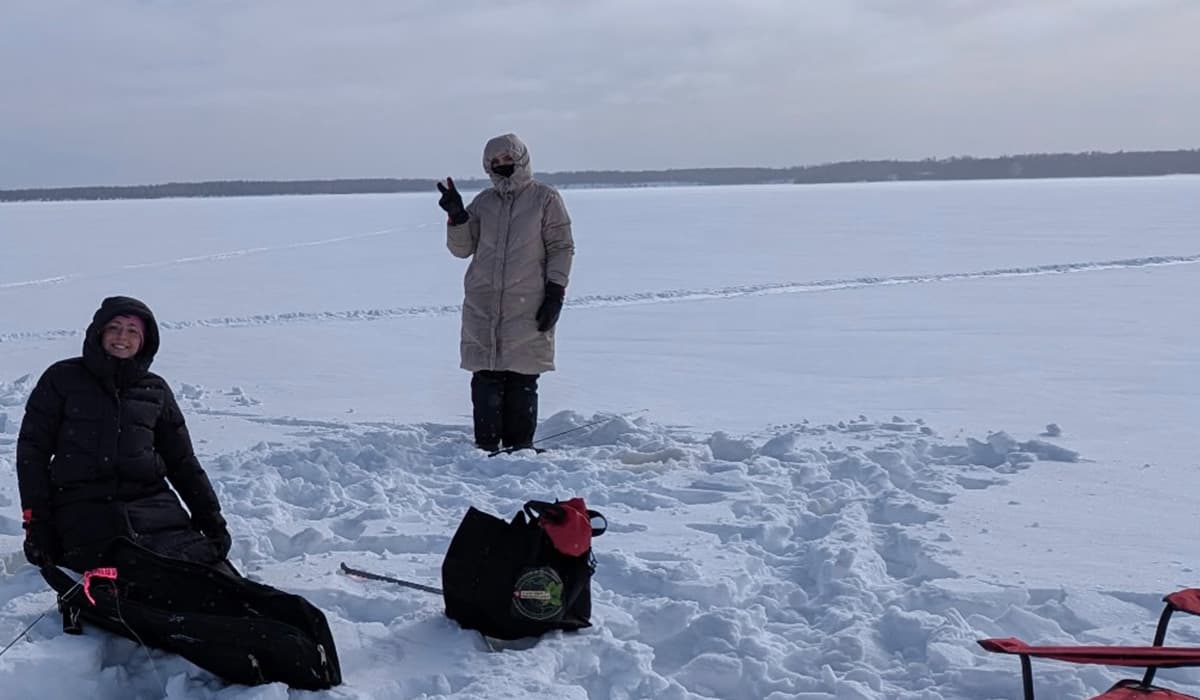
- Step 1: The Master of Spatial Analysis Program Director will arrange information sessions and timelines during the Fall term
- Step 2: The program will match students with available placements towards the end of the Fall term (students may seek approval for their own placement arrangements)
- Step 3: The program milestone and course credit will be awarded based on host evaluations and a student report following completion of the placement
Master of Spatial Analysis internship placements and post-graduation career prospects are numerous and varied. Typical internship hosts include the network planning and customer analytics departments of major banks; real estate development and property management firms; GIS data and software developers and vendors; conservation agencies; environmental consultancies; provincial and municipal government across many units; social and community service agencies; hospital-based research groups; community health centres; and police services.
Students regularly secure employment with their host organization following graduation. The following organizations are among the hosts for recent Master of Spatial Analysis placements:
- Access Alliance Multicultural Health and Community Services
- BBM Canada
- Bell Mobility
- C.B. Richard Ellis
- Canada Post Corporation
- Centract / Brookfield Real Property Solutions
- Centre for Addiction and Mental Health
- Cineplex Entertainment
- City of Toronto
- Colliers International
- Conservation Ontario
- Credit Valley Conservation
- DMTI Spatial
- Durham Regional Police
- EcoSpark
- Environics Analytics
- Esri Canada
- Extreme Fitness
- GreenHere
- InterStratics Consultants
- Lowe's Canada
- Ministry of Children and Youth Services
- Ministry of the Environment
- Mount Sinai Hospital
- Pelmorex / The Weather Network
- Pitney Bowes / MapInfo
- Royal Bank of Canada
- Scotiabank
- Senes Consultants
- St. Michael's Hospital
- TD Canada Trust
- The Neptis Foundation
- Toronto and Region Conservation Authority
- Toronto District School Board

Attend a Co-op Information Session to learn more about the program and how to apply. During these sessions, you will hear from the Co-op Program Specialist, Co-op Faculty Advisor, and senior co-op students on the significant benefits of the Co-op Program, including earning while you learn, exciting professional opportunities, and a head start on jobs after graduation. We’ll also confirm important dates, deadlines, and requirements for the co-op application process.
The 2026 co-op admissions application period will start on Friday, May 1st, 2026 at 8:30 am and ends on Wednesday, May 20th, 2026 at 11:59 pm. Note: There is only one admission window in 2026. Due to the sequencing of required work terms, students are not able to reapply outside of this designated period of time for their program.
Students in all programs apply at the end of 1st year (except Chemical Engineering & Architectural Science). Architectural Science students qualify at the end of 2nd year.
If you miss the deadline to apply to the co-op program, you will be unable to apply to co-op. Unfortunately, we do not accept late applications.
You are required to submit the following with your application:
- Resume
- Letter of intent - answers to three questions
- Unofficial transcript
There are tips in our Student Co-op Admissions Manual on how to write your application but we also strongly encourage you to attend a “How to Write a Strong Co-op Application” webinar for your program/faculty. Dates and registration links are provided in the Attend a Co-op Information Session above and you will be notified via your TMU email.
You can also seek help from your Career Education team by booking a 1:1 appointment or attend other webinars to get further assistance with your application.
Yes, you can still apply to the co-op program but please indicate your plan to complete these required courses. Your application will be assessed taking into account all factors, including your missing courses and plans for completing them.
Transfer students from TMU or alternate institutions can apply to the co-op program. At the time of admission, you will be asked to indicate if you have transferred from another program at TMU, or another institution, and elaborate on your situation with transfer credits, etc. Due to co-op work term schedules, please be advised that students who are too far ahead in their academic program at the time of application to the co-op program will be unable to participate in the co-op program. Transfer students will be assessed in the same way as other students and must meet all other eligibility criteria for their program including CGPA, completed first year courses, and resume, cover letter, letter of intent.
Yes, you can still apply to the co-op program if you have not yet completed all of your first year. Please provide as much information as possible (including your reason for not completing all of your first year, your plan to complete outstanding courses, etc) and we will assess your application, taking into account all factors.
If you began your first year in the Winter term as an international student, you are encouraged to apply to the co-op program during the Spring application period.
Yes, you can still apply to the co-op program if you have completed more than your required first year courses. Your application will be assessed taking into account all factors, including if you are too far ahead in your academics to qualify for the program.
Co-op programs have a defined year of entry, and students beyond that point are typically not eligible to apply. If you have questions about your individual situation, you can reach out to the Co-op Team for further information.
Outside of the co-op program, you can still access resources through the CC&SS, such as our Job Search resources and our Career Education Team to learn about other ways to gain career-related work experience during your academics.
Students are only able to apply to the co-op program once and are not eligible to reapply. If you are not admitted, our team is happy to support you in exploring other ways to gain valuable work-integrated learning experiences.
Admissions criteria are different for each program but, in general, CGPA plays an important role in determining a student’s eligibility for the Co-op program.
Due to the degree requirements and time to completion necessary for these programs, students in the Faculty of Arts must choose to either double major OR do Co-op; they cannot do both. This is an executive decision made by the Office of the Dean of Arts and no exceptions can be made.