Knowledge Hub
Today, Eunice shares about an ongoing collaboration between the Gerstein Crisis Centre and Toronto Metropolitan University, which looks at alternative forms of crisis response that center on health and wellbeing. Led by Professor Jessica Evans with the department of Criminology, this work takes a look at thriving from a totally different angle, focusing on what allows people to get closer to thriving when crisis situations are in play.
In episode 4 of Disability Dialogues Season 2, we open with a few technical difficulties… thankfully not for long, but digital spaces are sometimes pretty inaccessible! That’s the subject of today’s interview with Chris Sivarajan, who talks about what thriving looks like in digital health spaces as a woman living with multiple sclerosis, or MS. As a peer volunteer with MS Canada, Chris has both lived experience of MS and as someone who has done the work of helping her fellow MS community. This episode introduces the topic of a current collaboration between the CERC HECW and MS Canada, lead by Karen Soldatic and Vayshali Patel.
In Season 2 episode 3, Eunice is her own guest! We’re talking about how diverse youth navigate post-secondary pathways, and more specifically, Eunice discusses her own pathway through learning about her own mental health and disability status, and her successes and adversities after high school. Finally, we discuss the co-designed Tracking Pathways project, and the value of youth-led, intersectional research. Trigger warning for discussions of mental health and eating disorders from 8:00 – 10:30.
In Season 2 episode 2 of Disability Dialogues, we talk to Mary– a woman with a series of mobility and pain-related disabilities– about what it means to be thriving versus surviving with disability in Canada. Particularly, we got into the weeds of what it means to be disabled, and navigate the big barriers placed on disabled people to be able to find fulfillment, get around in a wheelchair, and be an active member of the community, all while accessing necessary accommodations and support. This episode is based on the CERC HECW’s ongoing project, “Thriving Versus Surviving: Bridging Gaps in Canadian Disability Supports ”, lead by Karen Soldatic and Nadia Carvalho.
Welcome back to Season 2 of Disability Dialogues with the Canada Excellence Research Chair in Health Equity and Community Wellbeing! In our first episode, we’ll be featuring a conversation with Shelley Petit, the chair of the New Brunswick Coalition of Persons with Disabilities (NBCPD), about her personal experience of invisible disability and navigating Canada’s healthcare system. This episode will also highlight some of the key findings from our 2026 survey on the primary healthcare experiences of women and gender-diverse persons with disabilities throughout Canada, conducted in partnership with DAWN Canada, and Atlas Institute of Veterans and Families.
Welcome back to Season 2 of Disability Dialogues! A podcast about co-creating inclusive healthcare and wellbeing with communities brought to you by the Canada Excellence Research Chair in Health Equity and Community Wellbeing at Toronto Metropolitan University.
Ontario’s crisis response system often relies on police as the first point of contact for people experiencing mental health or substance-related distress. This approach can criminalize individuals instead of addressing the deeper issues—such as poverty, housing insecurity, and discrimination—that shape many crises. Community-led crisis models offer a different path. By centering lived experience, equity, and trauma-informed care, these services provide health and social responses rather than defaulting to law enforcement. With mobile teams, crisis lines, short-term housing supports, and partnerships across sectors, these models create low-barrier, accessible ways for people to seek help.
AI moderation often fails marginalized groups, especially disabled women and girls, because existing datasets ignore their lived experiences, leading to missed abuse, over-censorship, and reinforced bias. Researchers advocate for co-created, intersectional datasets and contextual AI that understands nuance, intent, and transparent explainable systems to build trust. Addressing data scarcity, bias, and accessibility requires community-driven design, continuous feedback, and survivor-centered policies that prioritize safety, accountability, and wellbeing.
The voices of Youth lend an important addition to community research, in every stage from design to dissemination. Centering co-design, training, accessibility, and lived experience ensures marginalized voices are included and systemic barriers are addressed. This approach builds confidence and trust while creating tangible impacts on policy, practice, and community wellbeing.
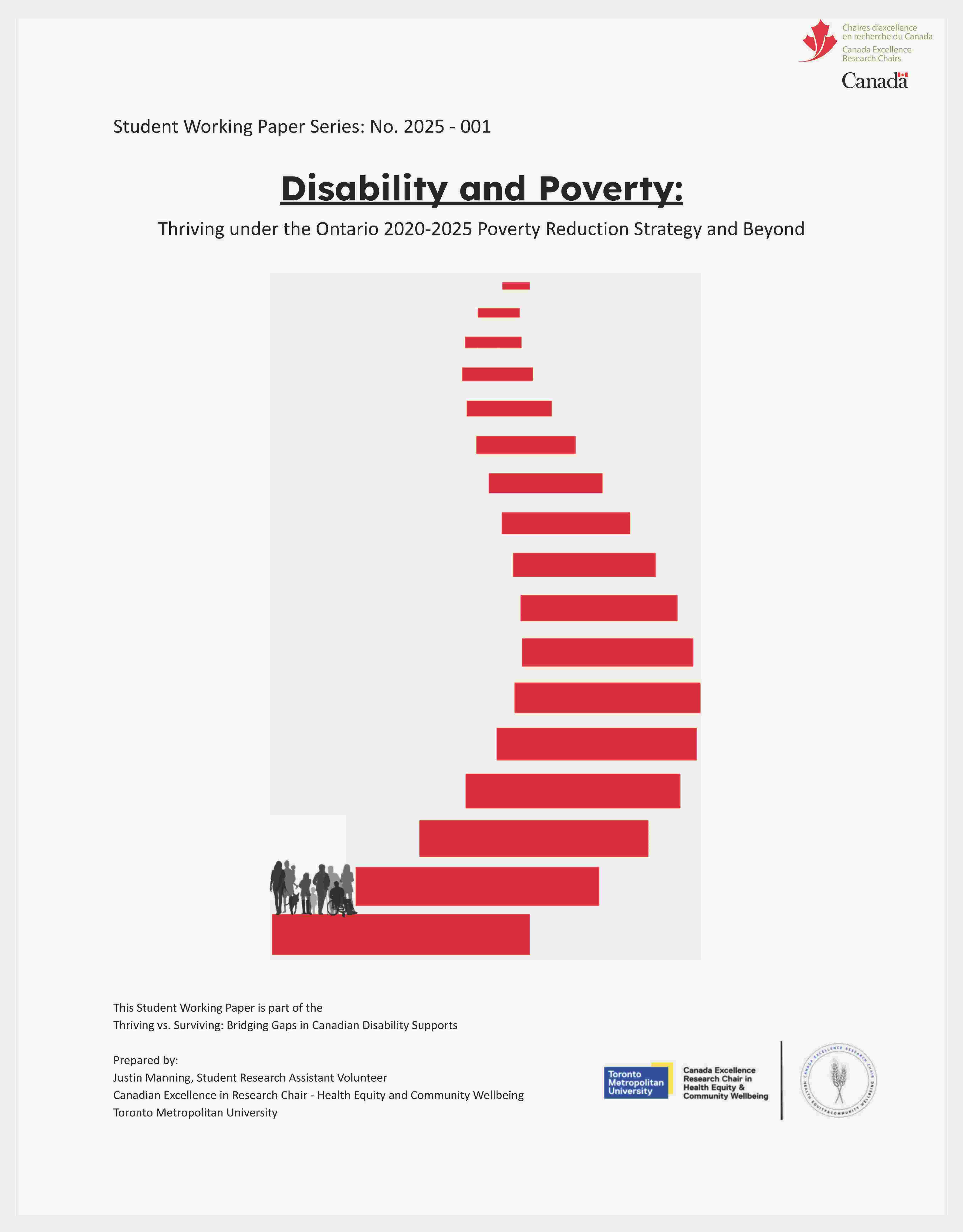
Current disability supports in Canada keep people surviving, not thriving. Thriving means more than financial security — it includes wellbeing, belonging, autonomy, and growth. Policies must shift from deficit-based to person-centered, expanding real financial supports, ensuring accessibility, and valuing all forms of participation, guided by the voices of people with disabilities.
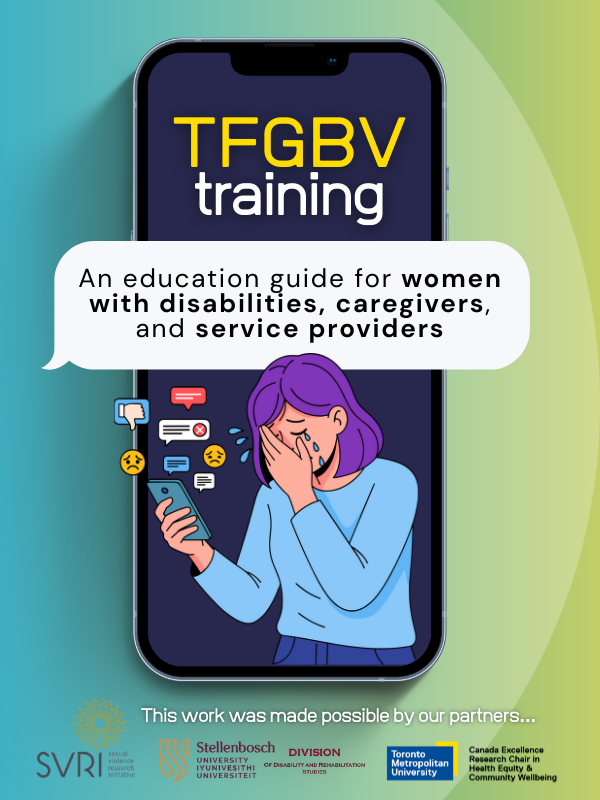
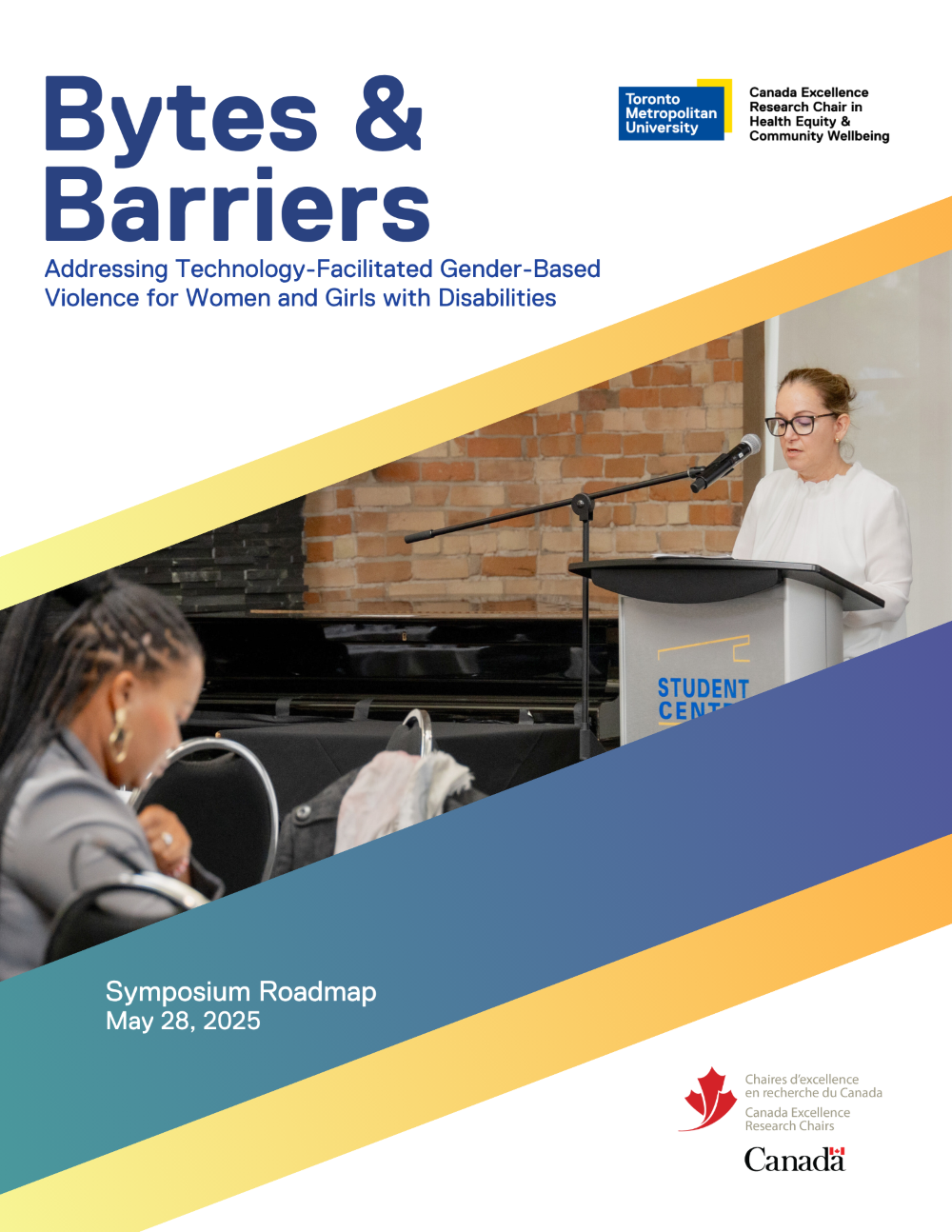
While digital technologies promise empowerment and inclusion, they also introduce new risks—especially for those at the intersection of gender and disability. Technology-Facilitated Gender-Based Violence (TFGBV) is abuse carried out through digital tools, disproportionately affecting women and girls with disabilities due to reliance on assistive tech, socioeconomic barriers, and caregiver or peer control. While risks include harassment, surveillance, and limited access to safe devices, digital spaces can also empower through advocacy, self-expression, and economic opportunities.
What does it really take to make healthcare equitable for marginalized communities? For millions living with disabilities, racialized demographics and women, accessing healthcare can feel more like an obstacle rather than something helpful. It’s neither built for them nor with them in mind. Despite good intentions, many services remain inaccessible, unresponsive, and disconnected from the realities of the people they serve. We often talk about health in terms of medicine and policy. However, seldom do we explore structural bias, digital exclusion, and lack of community participation.
Welcome to Disability Dialogues, a podcast about co-creating inclusive healthcare and wellbeing with communities brought to you by the Canada Excellence Research Chair in Health Equity and Community Wellbeing at Toronto Metropolitan University.
This special release explores the complexities and emotional terrain of Medical Assistance in Dying (MAiD) through a personal and reflective lens, inviting listeners to consider what it means to navigate life, loss, and autonomy within academic and institutional spaces.
Content note: This episode contains discussions of suicide and medical assistance in dying (MAiD) for
mental illness.
Stay tuned for our summer podcast series, where we’ll continue to unpack timely and important topics impacting the health and wellbeing of our communities.