Digital Twins for Planning and Construction
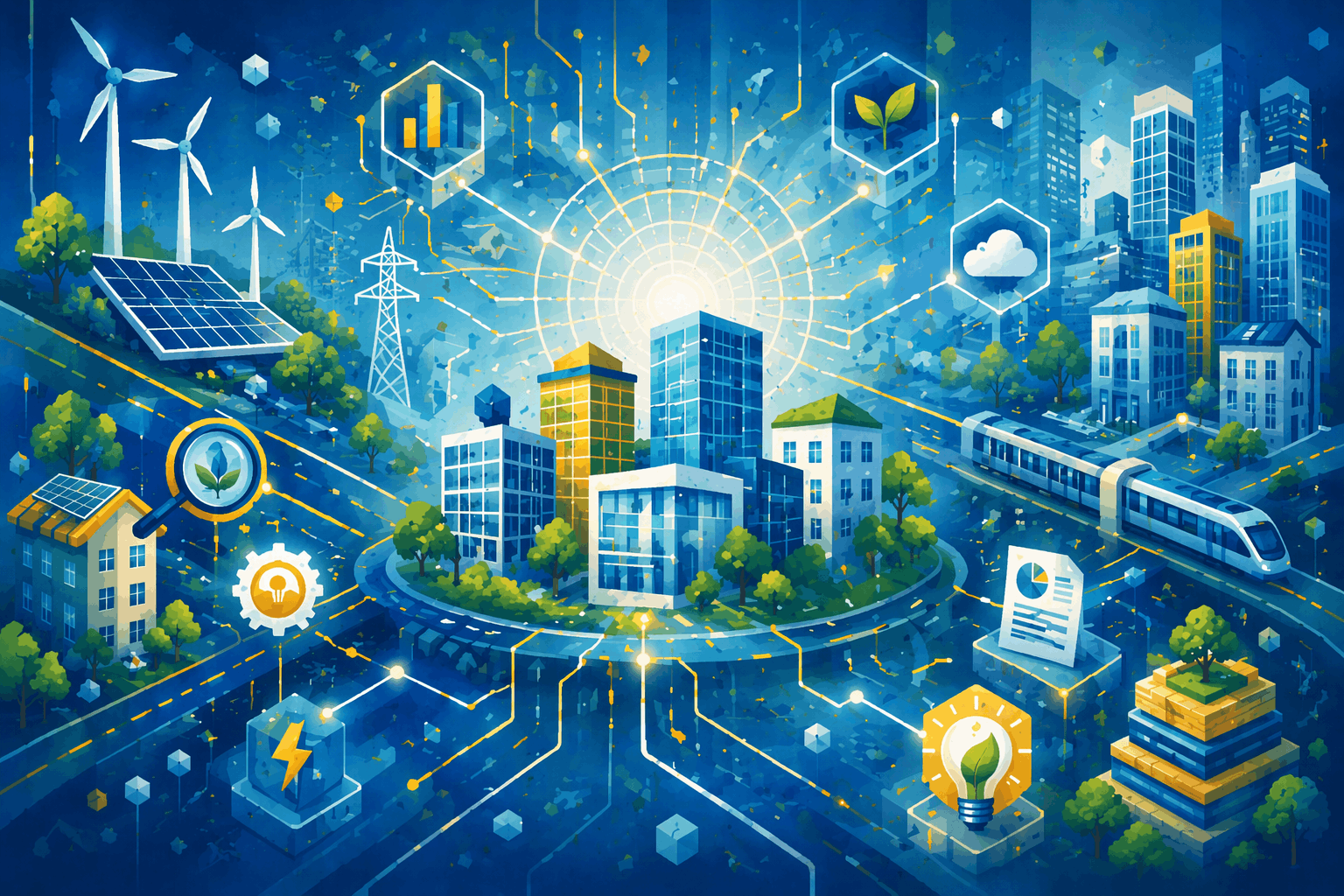

Digital twins are shifting facility management from reactive operations to proactive, data-informed decision-making. By integrating live building data with calibrated virtual models, facility teams gain continuous insight into performance; enabling early fault detection, optimized energy use, and more strategic capital planning.
Rather than relying on periodic audits or static documentation, digital twins support ongoing commissioning, scenario testing, and evidence-based decision-making across the entire building lifecycle.
Active research areas include
- Cognitive digital twins for fault detection and diagnostics
- Digital twin-enabled frameworks for Smart and Ongoing Commissioning (SOCx)
- Large-scale portfolio modelling to support decarbonization planning
- Integration of heterogeneous data sources, including BIM, IoT, and utility data
- Surrogate models for rapid simulation
- Decision-support tools for facility managers operating under uncertainty
When deployed effectively, digital twins serve as the analytical backbone for more resilient, efficient, and low-carbon buildings, representing a fundamental shift from managing assets to managing performance.
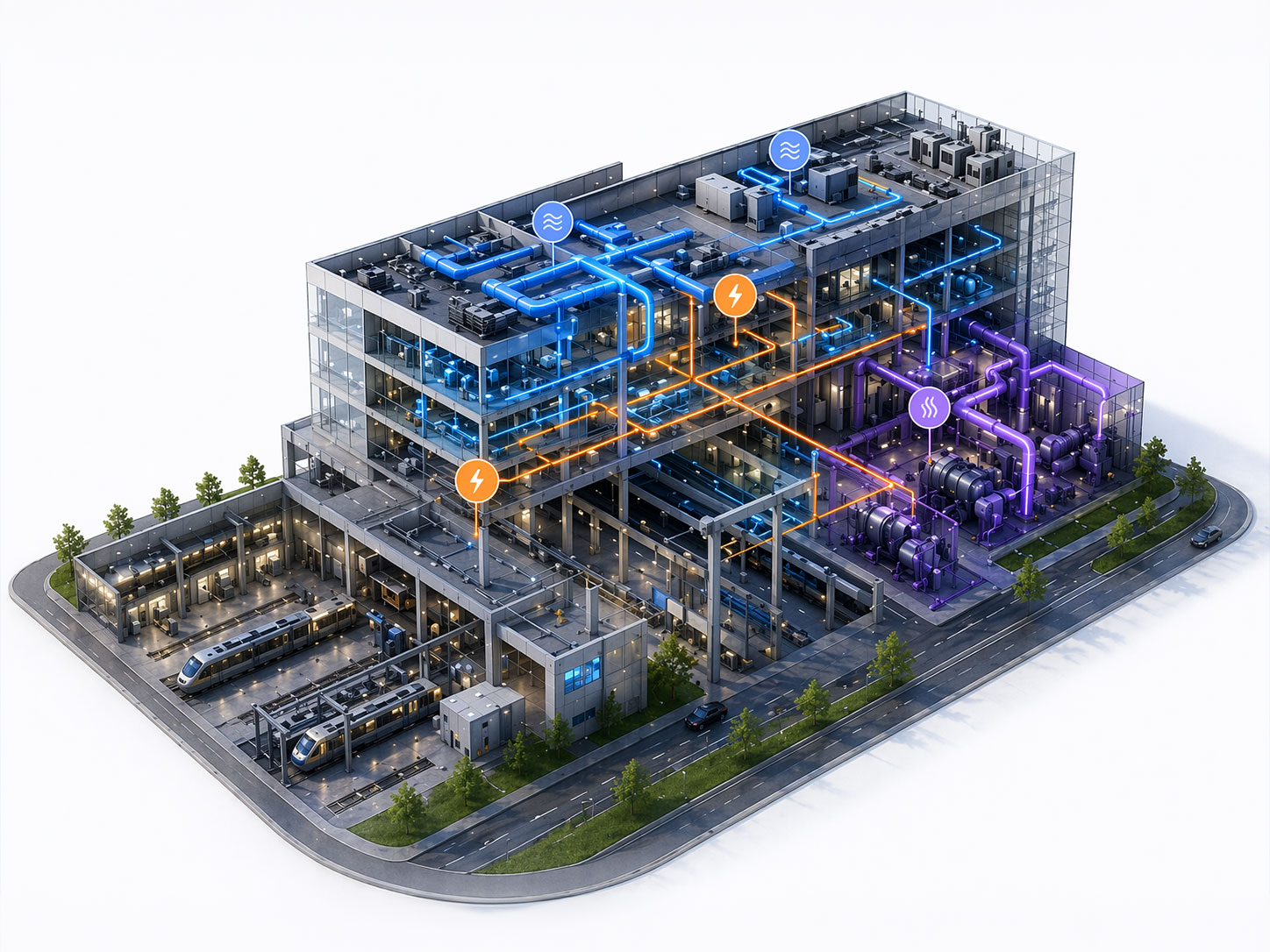
One of the inaugural projects for the (PDF file) Transit Innovation Yard (external link) , this pilot project will develop a digital twin to visualize energy distribution, including HVAC, electrical, and steam systems, within a complex facility. By integrating as-built data and documented constraints, the model will identify operational inefficiencies and allow for the testing of a range of energy-saving scenarios against a baseline. This will provide sequencing analysis for operators and include a high-level decision-support tool to prioritize infrastructure upgrades and optimize capacity planning.
Anticipated Outcomes
- A digital interface mapping HVAC, electrical, and steam systems to identify key drivers of energy waste
- Tools to simulate control strategies and quantify potential energy and cost savings
- A decision-support framework for capacity analysis and strategic infrastructure sequencing.
Partner
Toronto Transit Commission
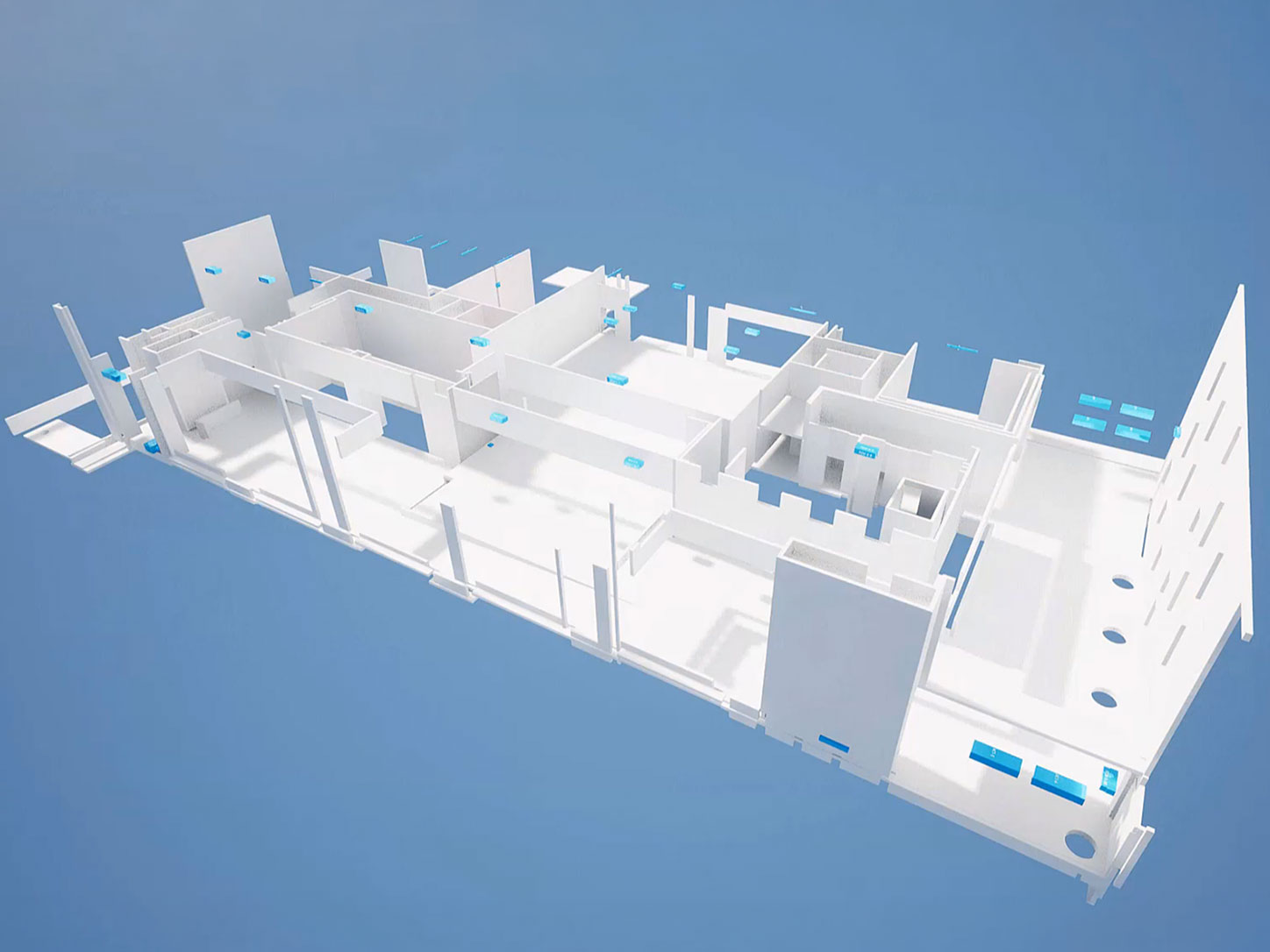
This $1.875M project ran from 2019-2024, with the goal of developing a proof of concept for a smart campus platform combining buildings, infrastructure, transportation, and remote sensing. Exceeding the original scope, this project developed one of the first full-scale Cognitive Digital Twins for a TMU building as part of a broader campus digital twin. Sponsored by NSERC and FuseForward, the Buildings stream of this project integrated real-time data secure streaming from the building automation system (BAS), mapping the time-series data to the appropriate equipment/spaces using a data model, and the development of a variety of equipment emulators to support online energy optimization and fault detection. Now complete, the resultant IP is being brought to market as the backbone of their Facilities Hub by the industry partner. See www.fuseforward.ai (external link) for more information.
Team
Jenn McArthur - Project Leader & Buildings Stream
Bilal Farooq - Transportation Stream
Songnian Li - Infrastructure Stream
Ahmed Shaker - Remote Sensing Stream
Outcomes
- BAS-to-BIM and BAS-to-CDT data mapping strategies
- Grey-box emulators for air-handling equipment and non-condensing boilers
- Fault detection & diagnosis algorithms for various HVAC equipment (supervised, unsupervised, and semi-supervised)
- Multi-platform implementation (Autodesk Forge, AWS Twinmaker, Unreal, React)
- 18 invention disclosures related to Smart & Ongoing Commissioning and Digital Twin technologies
Partner
FuseForward.AI (external link) (matched with NSERC Alliance Grant)