About
Transforming Building Performance Through Cognitive Digital Twins and Applied Research

BEACON (The Building Energy Analytics Cognition & Operations Network) advances the design and operation of high performance buildings through Cognitive Digital Twins and applied research. The group connects architectural science with data driven engineering to develop scalable solutions that improve building performance and support decarbonization.
BEACON works closely with industry, government, and academic partners to test technologies in real-world environments and translate results into actionable guidance.
Core focus areas include:
- Cognitive Digital Twins and data driven operations
- Decarbonization at scale across building portfolios
- Smart and ongoing commissioning
- Building retrofits and performance optimization
- Human-centric building performance and indoor environment quality
BEACON’s research focuses on enabling intelligent, adaptive building systems that can be deployed across portfolios and scaled to support system-level transformation.
This work supports sustainable urban development and climate action, aligned with Sustainable Development Goals 11 and 13 (external link) .
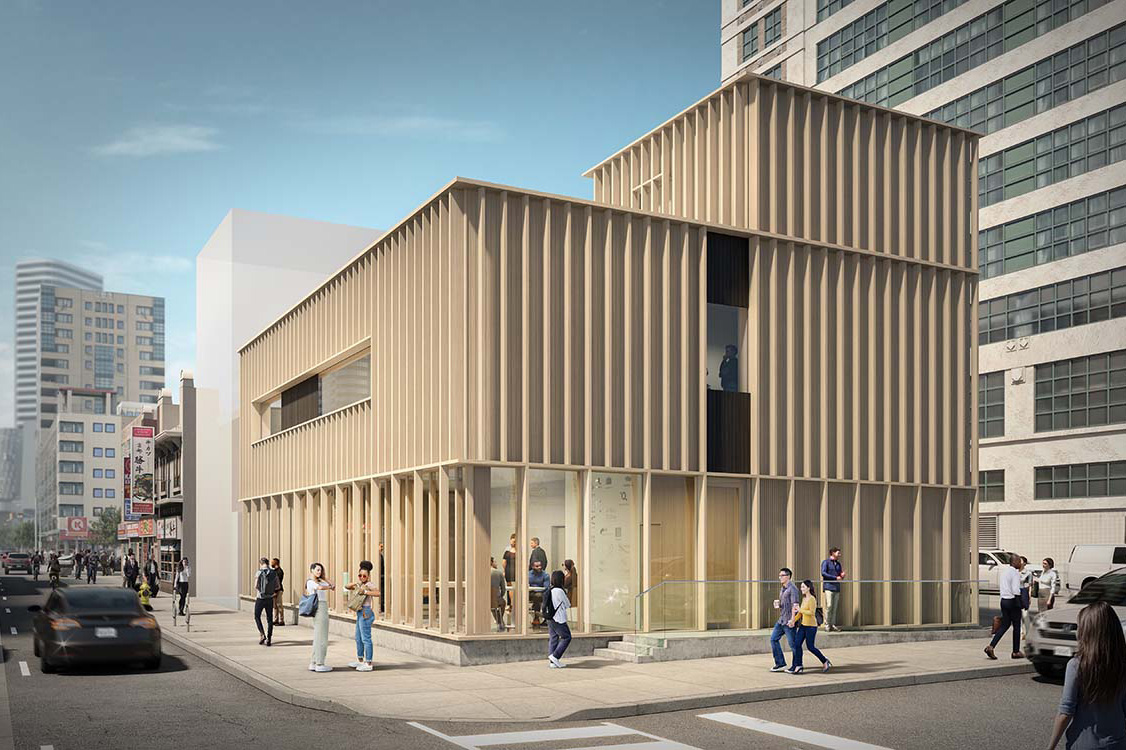
Meet The Team
BEACON brings together researchers, students, and collaborators with expertise in building science, digital twins, energy systems, and infrastructure.
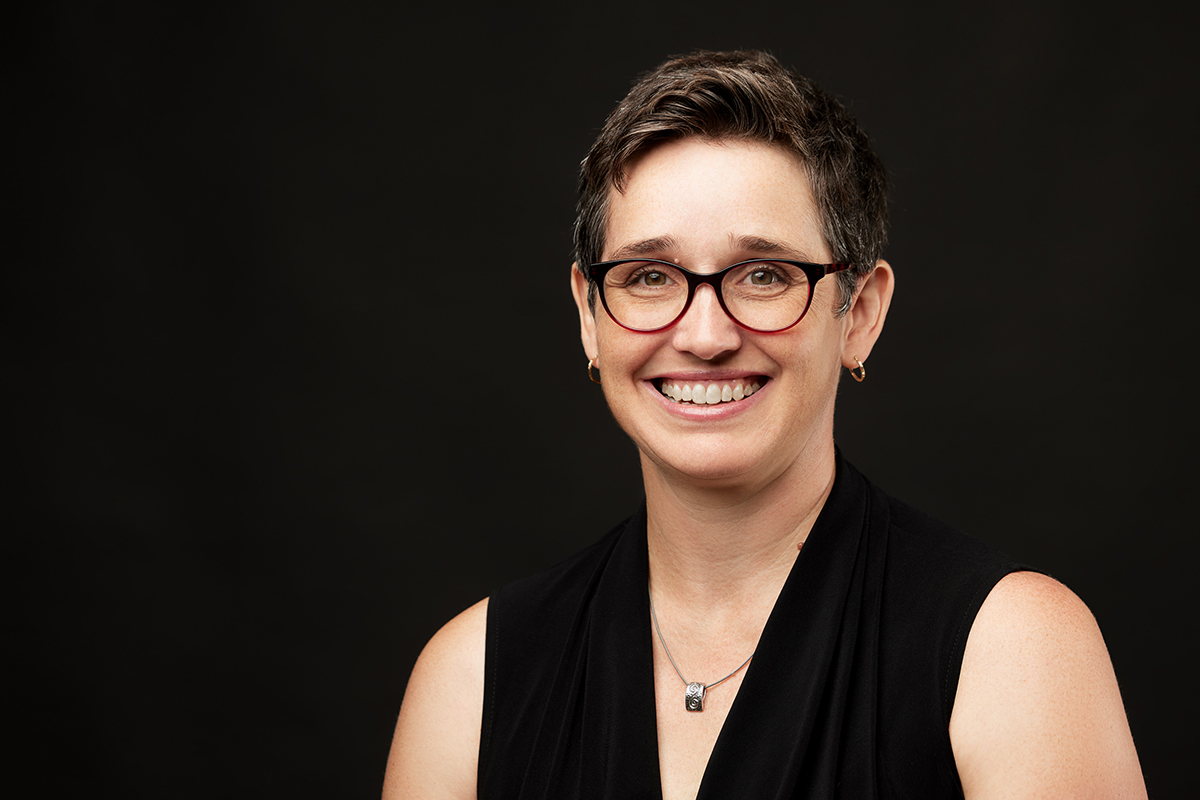
Dr. Jenn McArthur
Lab Director
Professor, Architectural Science
Jenn McArthur, PhD is a Professor in Architectural Science at Toronto Metropolitan University, the Associate Chair for Project Management in the Built Environment, and the Director of the Smart Campus Integration & Testing Hub (SCITHub), a living laboratory for digital twins, smart building analytics, and low-carbon operations. Her research integrates Cognitive (AI-integrated) Digital Twins, Smart & Ongoing Commissioning, real estate management /IEQ perspectives, and AI-enabled performance monitoring to improve the energy, carbon, and operational outcomes of complex buildings. Through partnerships with municipalities, utilities, and infrastructure owners, this work has translated real-time building data into decision-grade intelligence that supports operational energy savings, electrification, and net-zero retrofit strategies at portfolio and city scales.
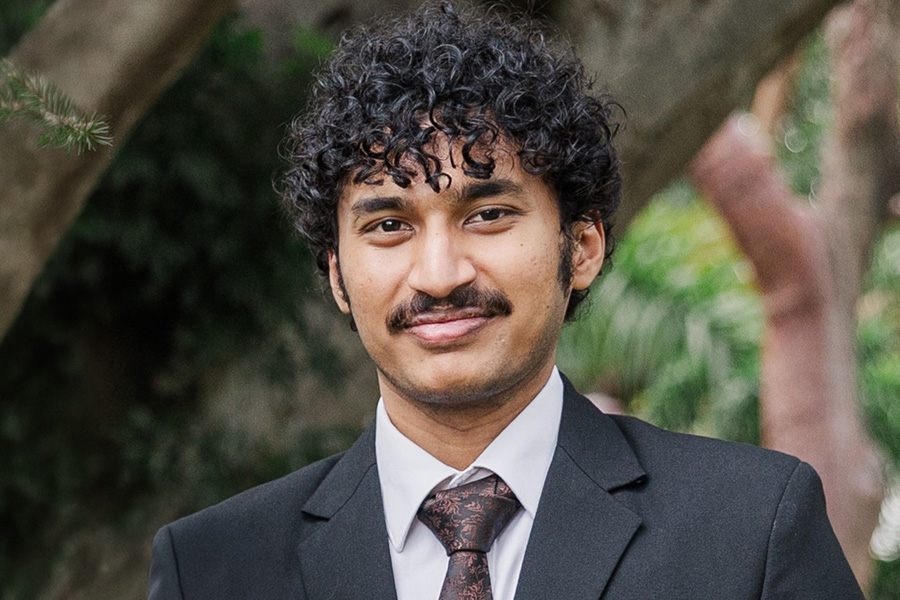
Mrinaal Kaimal
Project Manager
Mrinaal Kaimal is a project manager supporting interdisciplinary research initiatives at Toronto Metropolitan University. Trained as an architect, he brings a systems oriented approach to coordinating complex research programs, including the ORF-RE Program and DECODER Program. His work focuses on managing project timelines, coordinating research teams and external partners, and implementing administrative and operational processes that support effective research delivery. He also supports the development of key outputs such as workshops, white papers, and program reports while facilitating governance meetings and stakeholder engagement.

Post Docs
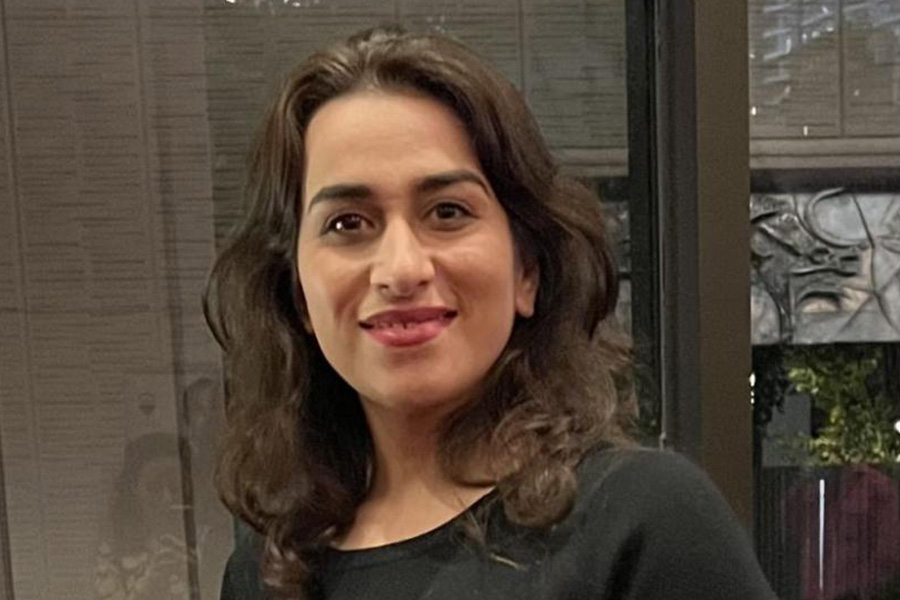
Post Doc Fellow
Research Interests: Digital Twins, Infrastructure Asset Management, Lifecycle Cost Modeling, Data Governance
Dr. Maryam Moradi is an asset manager specializing in intelligent infrastructure systems. She holds a Ph.D. in Civil Engineering from ÉTS Montréal, with research focused on Digital Twins, IoT-enabled asset management, and data-driven lifecycle planning. Her work bridges academia and industry, advancing scalable Digital Twin frameworks and enterprise asset management strategies for transportation infrastructure.
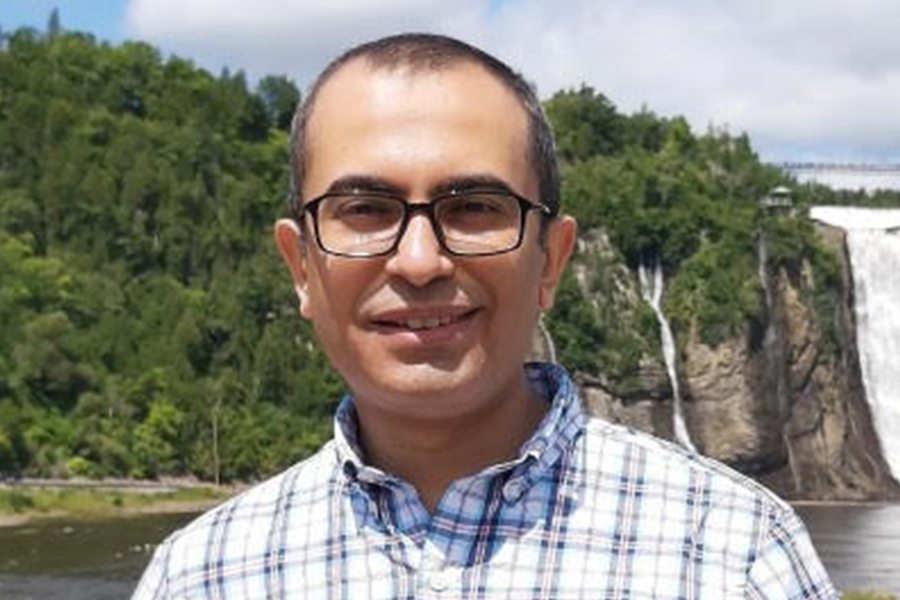
Senior Research Fellow
Mohamed Kandil is a Senior Research Fellow in BEACON at Toronto Metropolitan University. He holds a PhD in Electrical Engineering with a specialization in control systems, with a background spanning power systems, control engineering, data science, and applied machine learning in building systems. His research is centered on the application of data-driven techniques - including machine learning and deep learning - for the modeling, digital twin development, control, optimization, fault detection and diagnostics (AFDD), and retro-commissioning (RCx) of chilled water and HVAC systems. He is also actively exploring the integration of large language models and AI agents into building science workflows. His longer-term interest is in agentic building systems - AI that moves beyond analysis toward autonomous decision-making in real HVAC plants, with humans remaining in the loop for high-stakes control actions.
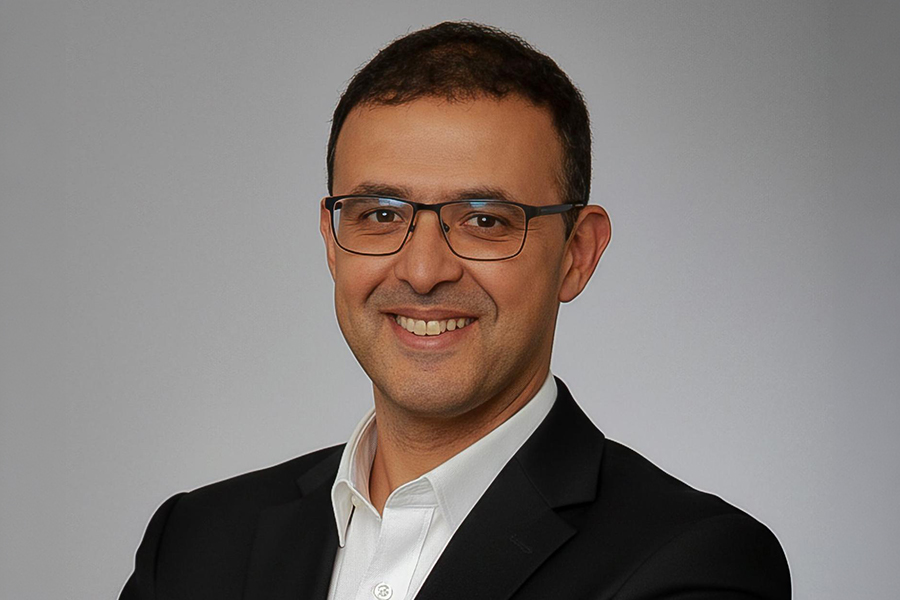
Senior Research Fellow
Karim El Mokhtari is a Senior Research Fellow in BEACON at Toronto Metropolitan University with a Ph.D. in Computer Science, Control and Signal Processing and extensive experience in data science and intelligent systems. His work focuses on smart cities, smart buildings, and the development of cognitive digital twins for large-scale environments. His research interests include machine learning for predictive maintenance, time-series analytics, and cloud-based architectures, with demonstrated impact through the deployment of smart campus platforms and operational cost reductions.
PhD Students
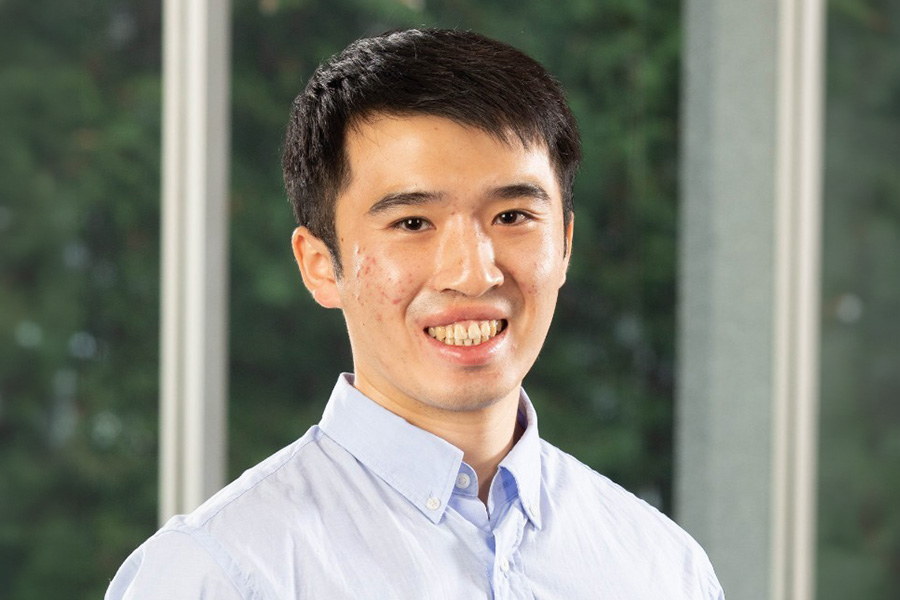
PhD Student
Research Interests: Digital twins, AI/ML, LLM, Semantic Modeling, Energy
Gary is a PhD student in Building Science with a background in B.Eng in Architectural Conservation and Sustainability Engineering and a M.ASc in Building Science. He's worked in industry for the last four years focusing on applying digital technologies to stream, analyze, and visualize data within the built environment. His current research focus is looking at leveraging large language models (LLM) to automate the process of creating digital twins for buildings, aiming to address the scalability bottleneck currently plaguing digital twin applications.
Gary Chang on LinkedIn (external link)
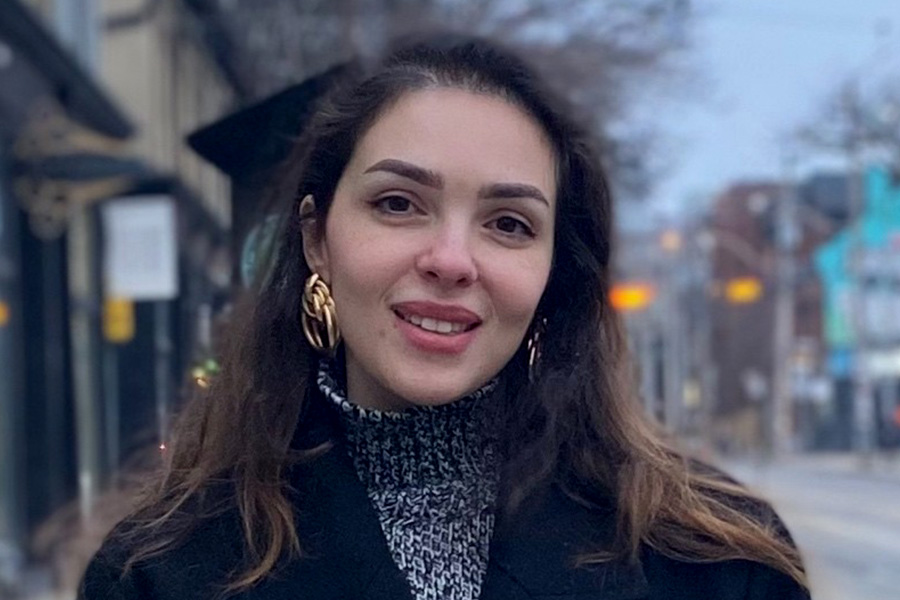
PhD Student
Research Interests: Building envelope, building classification, envelope characterization, retrofit
Dana is a PhD candidate in Building Science at TMU with a background in architecture. Her research focuses on rule-based characterization and classification of building envelopes using architectural features, addressing data limitations in older building stocks to improve their representation in urban building energy modelling and retrofit analysis.
Dana Al Jadaa on LinkedIn (external link)
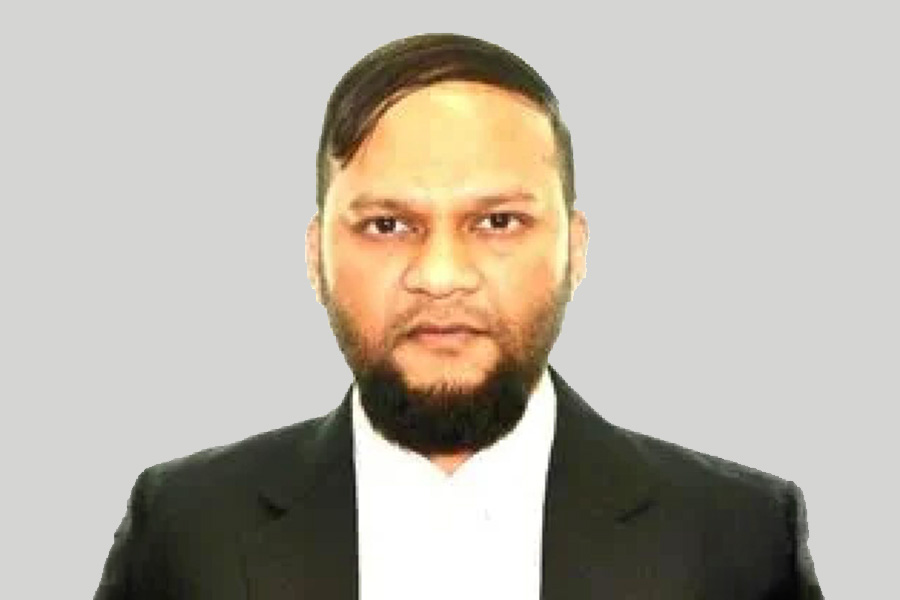
PhD Student
Research Interests: Adaptive energy emulators
Syed’s research focus is to build adaptive energy emulators for buildings, especially HVAC systems, using ML surrogate models that can learn from real operational data and re-tuning over time. His background is building performance simulation and data-driven modeling.
Syed Rakiul Huq on LinkedIn (external link)
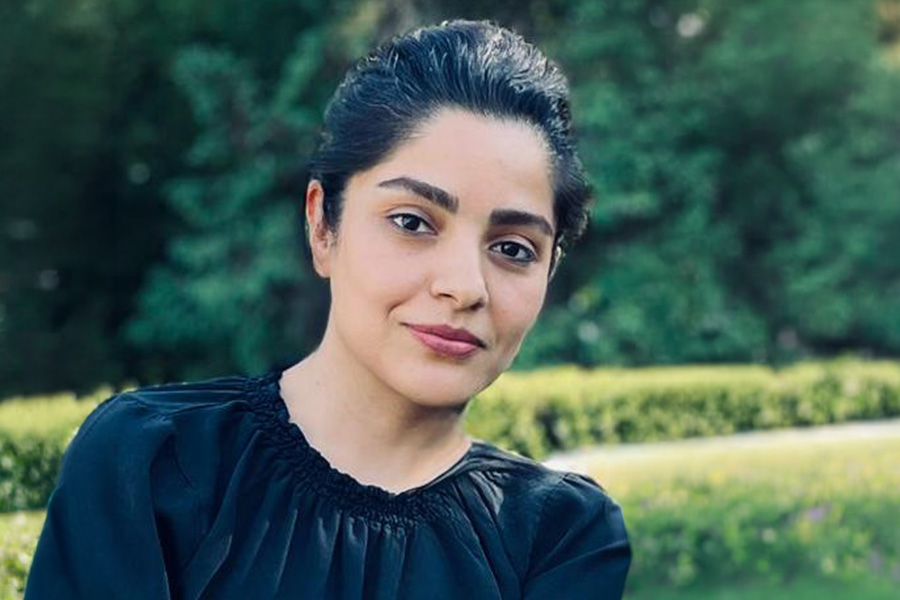
PhD Student
Research Interests: Building Energy Modelling, District Heating and Cooling , Renewable Energy Integration, Smart Energy Systems, Thermal Energy Network
Rana Mousavi is a PhD student in Building Science at Toronto Metropolitan University. Her research focuses on thermal energy networks, renewable energy integration, and smart energy systems for buildings and communities. She is particularly interested in solar thermal systems, district energy networks, and data-driven approaches for improving building energy performance and decarbonization.
Rana Mousavi on LinkedIn (external link)
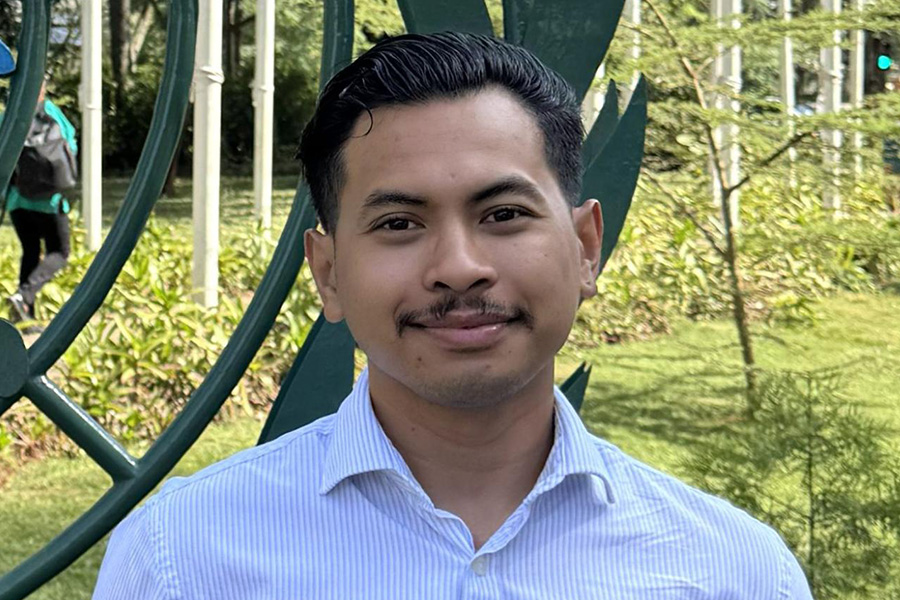
PhD Student
Research Interests: Building retrofits, Decarbonization, Energy efficiency, Urban resilience
Wafi is a PhD student in Building Science at Toronto Metropolitan University. His current research studies data-driven methods to assess building retrofit suitability across large portfolios, with a focus on energy use disaggregation, envelope thermal performance, and scalable retrofit planning. Previous work includes research on housing resilience, urban systems, and spatial inclusion, with experience at UN-Habitat and other research initiatives.
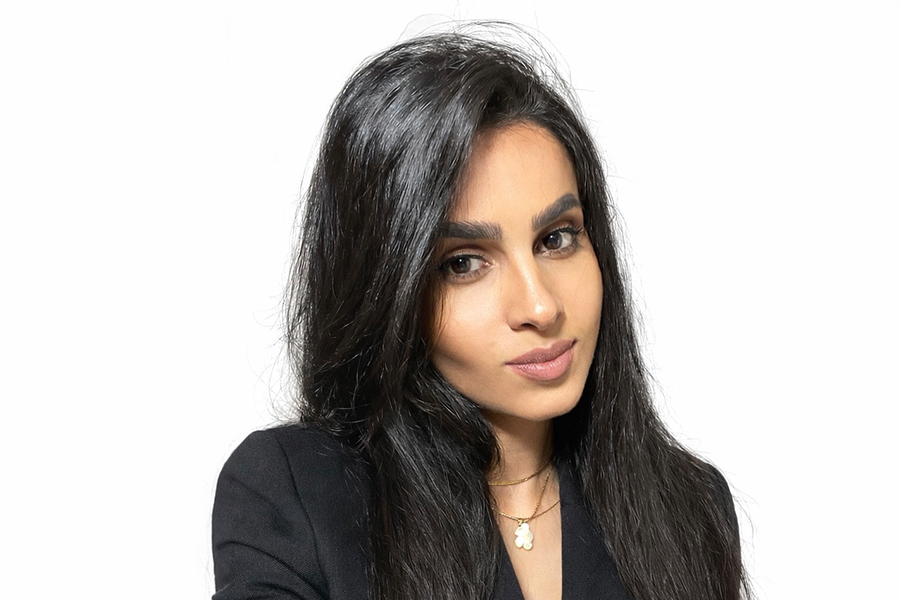
PhD Student
Marjan is an AI/ML engineer and PhD Candidate in Building Science at Toronto Metropolitan University , with a strong focus on developing machine learning solutions for complex real-world systems. My work centers on building data-driven models for forecasting, optimization, and decision support, particularly in energy and HVAC applications. I work across the full pipeline, including data preprocessing, feature engineering, model development, evaluation, and deployment-oriented research, with experience in machine learning, deep learning, time-series modelling, and AI-driven system optimization. My goal is to design robust and practical intelligent systems that translate advanced AI methods into measurable operational and sustainability impact.
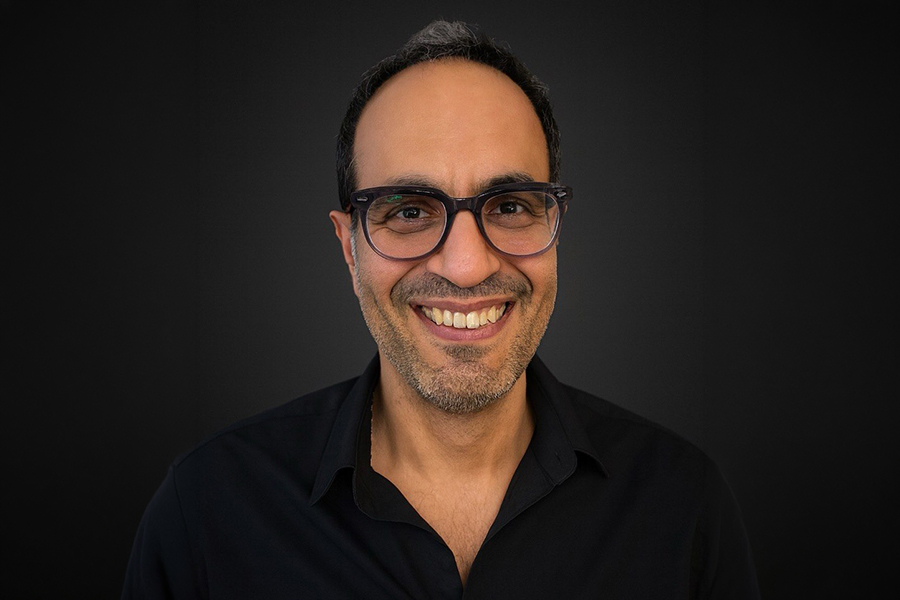
PhD Student
hossein.bagherzadehk@torontomu.ca
Hossein Bagherzadeh is a PhD candidate in Building Science at Toronto Metropolitan University with a background in urban planning and design and over 10 years of experience in academia and industry. His research focuses on building energy simulation, urban decarbonization, and the planning of block-scale Thermal Energy Networks (TENs). He is particularly interested in feasibility- driven building grouping, heat recovery potential, and the impacts of climate change on TEN performance. His work has led to publications on retrofit performance under future climate scenarios and micro-TEN grouping methods, reflecting his long-term ambition to help translate low-carbon, energy-informed urban development into real-world practice.
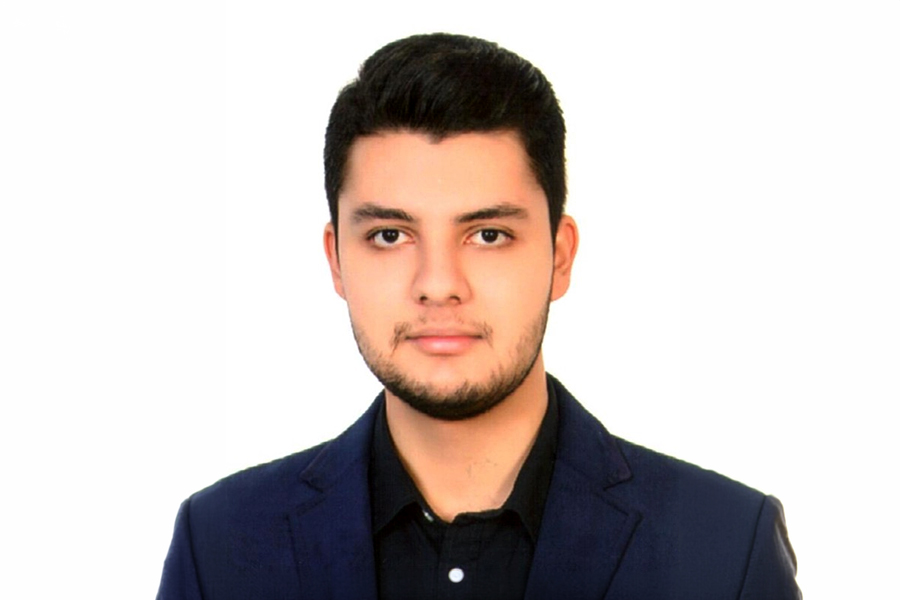
PhD Student
Farivar is a PhD student in Civil Engineering at Toronto Metropolitan University focused on the application of active and semi-supervised learning to fault detection and diagnosis..
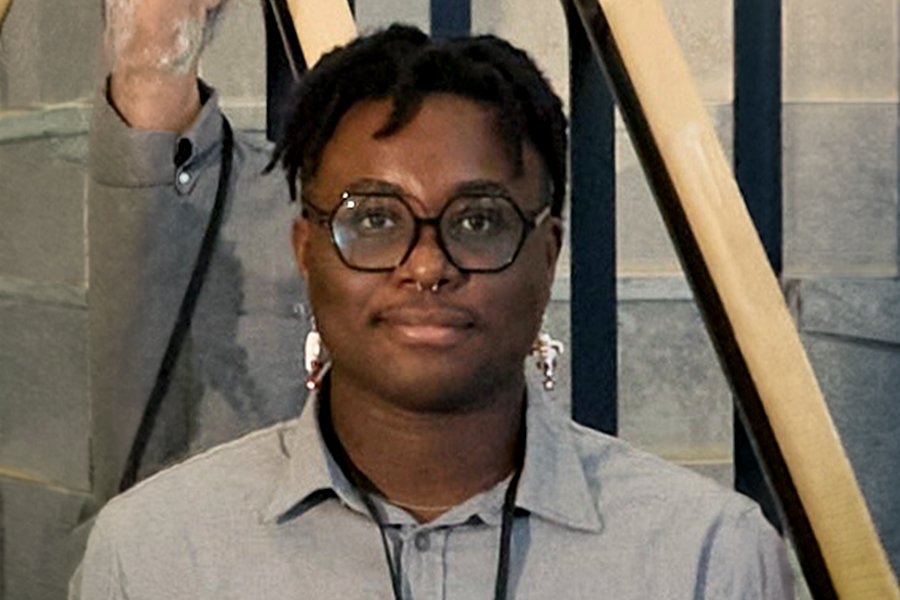
PhD Student
Jack is a PhD Student in Building Science at Toronto Metropolitan University with a Master's in Mechanical and Industrial Engineering from Toronto Metropolitan University and a Bachelor's in Mechanical Engineering from Georgia Institute of Technology. Jack's research focuses on characterizing HVAC systems across Canada to develop high accuracy archetypes and building models towards urban net-zero retrofitting initiatives across the country. Jack hopes to become a professor in the future, teaching students and researching Machine Learning within Building Science.
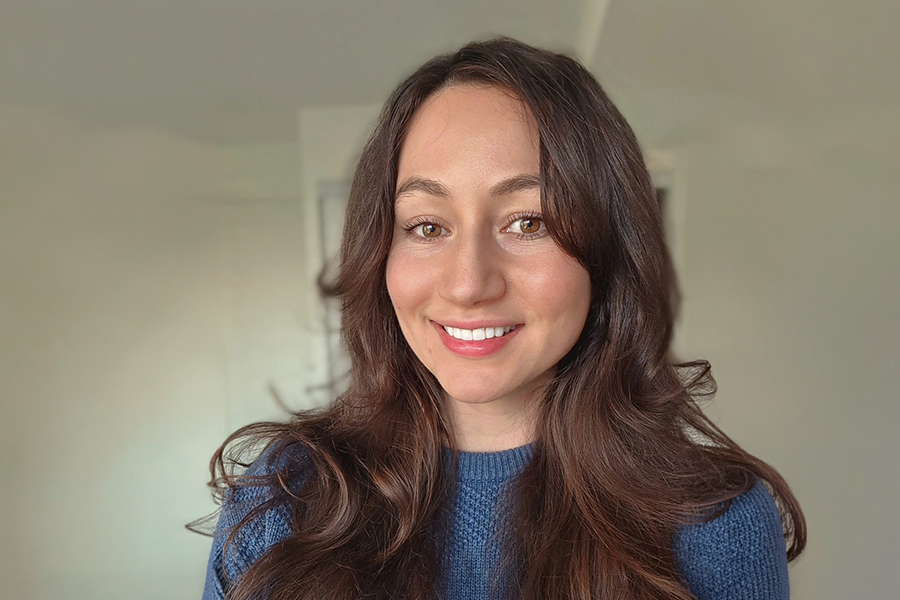
Masters Student
Juliana Vanooteghem is a Master's student in Project Management in the Built Environment at Toronto Metropolitan University with a Bachelor of Arts in Geography (York University). She brings over six years of industry experience to her academic work, having managed demolition projects across Toronto and the GTA. Her research leverages this frontline experience to explore attitudes held by construction workers towards digitization and how those perspectives influence future technological integration. By bridging the gap between practical site management and digital innovation, Juliana aims to develop strategies that improve efficiency and streamline technology adoption across the construction sector.

Masters Student
Michelle Conte is a Master's Student in Building Science at Toronto Metropolitan University with a Laboratory Medicine and Pathobiology Masters from University of Toronto. Michelle currently is employed with the University Health Network (UHN) in Redevelopment and will be adapting Marjan Fatehijananloo's digital twin for boiler energy prediction in healthcare facilities to UHN.