3 TMU resources you might not think of for wellbeing (but should!)
Hey, everyone, it’s Ido, fourth-year Image Arts: Film student and your student ambassador! Getting into the winter vibe at Toronto Metropolitan University (TMU) isn’t hard; skating on the campus pond, Lake Devo, grabbing a seasonal drink from Balzac’s or wearing a stylish scarf can quickly spruce up a snowy day. But it’s also no secret that with winter comes early sunsets, a surplus of sniffles and for a lot of people, the struggle to stay motivated and on top of their work.
One of the most important things you can do for your academic success is prioritise your wellbeing. No one can run on empty and you shouldn’t feel like you have to. Forming good habits when it comes to studying and self-care make a big difference in keeping up your spirits. TMU is Mclean’s #1 comprehensive university for student services in Canada. I spoke with a few fellow TMU students to share some winter wellbeing words of wisdom and to learn more about the services they use!
Athletics and Recreation
Shan is a Graphic Communications Management student. He’s also a frequent user of TMU’s Recreation & Active Wellbeing offerings. He finds that staying active makes a big difference in his wellbeing.

Ido: How do you use some of the Recreation & Active Wellbeing resources?
Shan: I exercise in the Recreation and Athletic Centre’s Functional Training Room, as well as participate in TMU's badminton programs such as badminton drop-in recreation, the recreational badminton club and badminton intramurals. Outside of TMU, I also participate in bouldering, which is rock climbing without the use of ropes and harnesses.
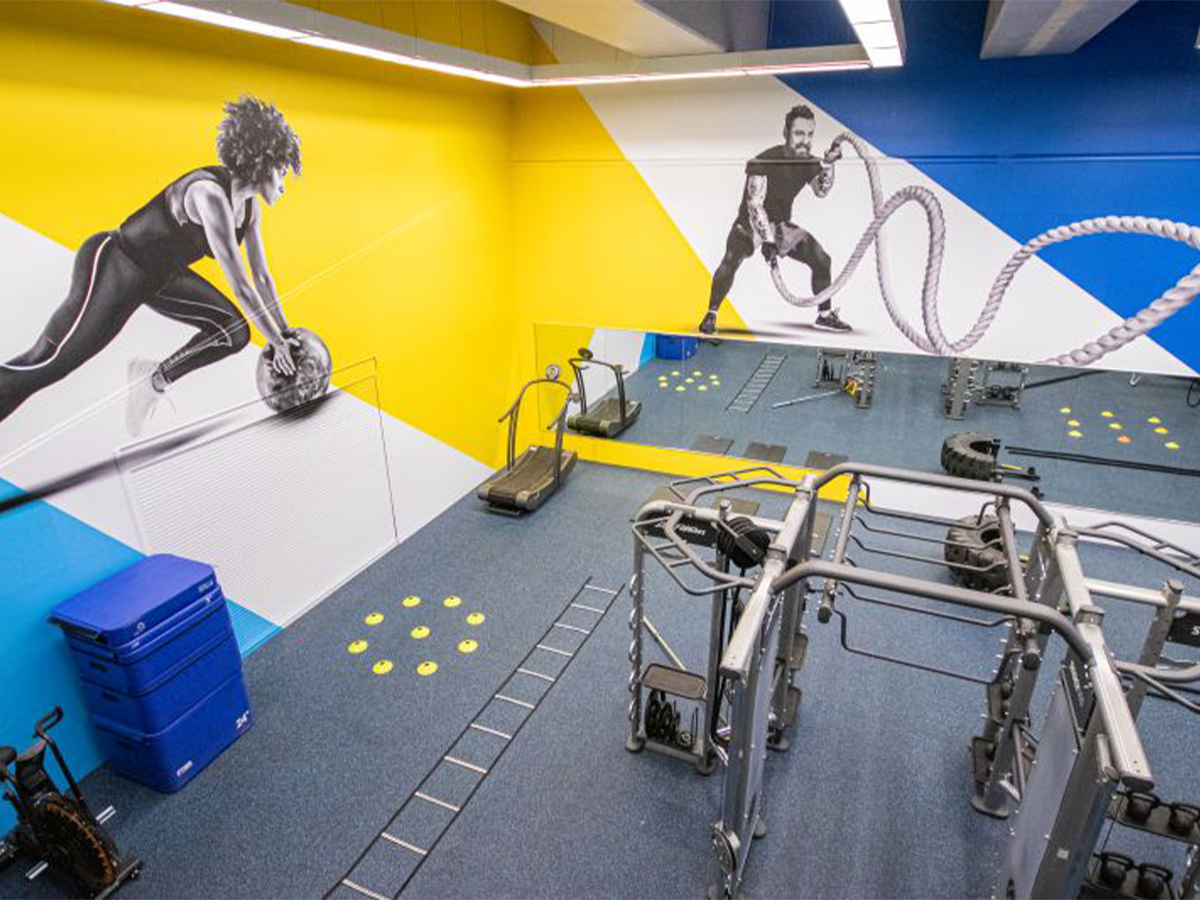
The Functional Training Room at the Recreation and Athletic Centre.
Ido: Do you find that incorporating Recreation & Active Wellbeing’s services into your routine benefits your wellbeing?
Shan: Especially during times of stress, having something to do other than school feels like a mental reset. Whether you participate to socialize, to hone your skills or just to escape from coursework temporarily, participating in physical activities shifts your focus and clears your head. It allows me to better concentrate on the work I have ahead of me. Physically speaking, staying active has allowed me to be less tired throughout the day, to strengthen my body and to recover from injuries faster.
Ido: Taking the first step to incorporate exercise into your routine can seem daunting for many. Any advice?
Shan: In my first year at TMU, I was quite overwhelmed with how many Recreation & Active Wellbeing programs TMU offered. When I started out, I tried things out based on my interests. I participated in volleyball, badminton and calisthenics. Especially for drop-in sports, people are welcoming of all skill levels. When I found out I wanted to continue badminton, I made a schedule for myself by planning out which days and times in the week I could play before or after a class or work. If you end up liking an activity, find a way to incorporate it into your weekly routine. This is not an overnight process — it will take a different amount of time for each person.
Ido: Any winter pick-me-up habits you enjoy?
Shan: As a freelance and hobby photographer, I love to take street photography around downtown. Specifically, Chinatown is a great photography location, especially when it snows.
Low-Sensory Study Lounge
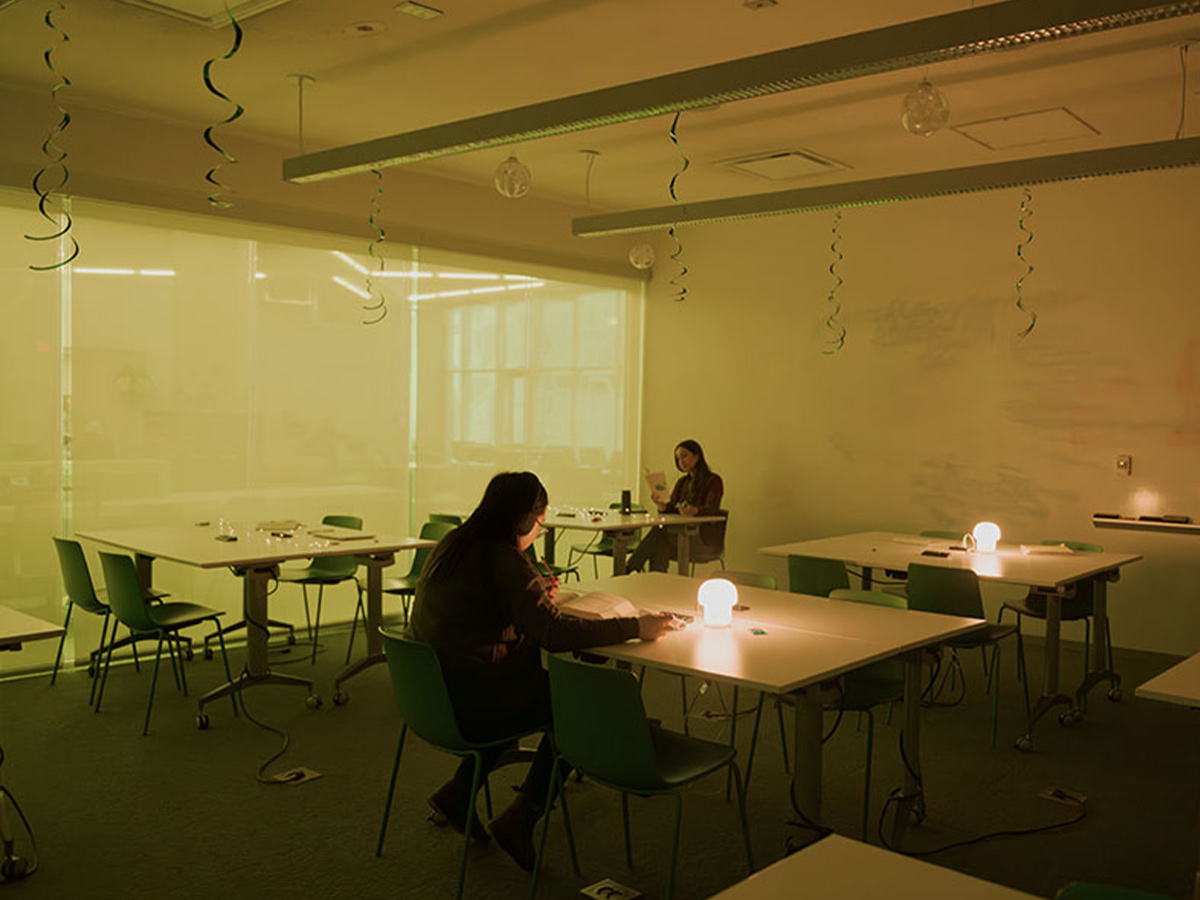
Everyone searches for different qualities in their preferred study spaces. If you find sights, sounds and smells to be overwhelming or distracting, then visiting room 451 of the Student Learning Centre (SLC) during low-sensory hours might be right for you. I asked Niya, a Biology student, and Isabella, a History student, what they liked about studying here.
Ido: What is the Low-Sensory Study Lounge?
Niya: The low-sensory hours run a few days each week during a designated time block in SLC 451. While the room is already a study space, the low-sensory time is intentionally designed to support students who may struggle to find a quiet, minimally distracting environment on campus. During these hours, the space offers low lighting, reduced noise and a calm atmosphere to make it easier to focus. Peer academic coaches are present for academic support, and students have access to snacks and sensory tools such as fidget toys. The goal is to create a study environment that feels both supportive and comfortable while minimizing distractions.


Isabella finds that the tranquility of the Low-Sensory Study Lounge helps increase productivity.
Ido: How can the Low-Sensory Student Lounge help students who are feeling overwhelmed?
Isabella: I have definitely found myself overwhelmed during university, whether this was due to a buildup of assignments or being unsure about how to go about a certain task.
The Low-Sensory Study Lounge is a space where everyone shares the same goal: to get caught up on their work. It’s a motivating environment for procrastinators like myself, with encouragement from fellow students and peer academic coaches. There are even study snacks.
I find myself more productive when I work in the lounge compared to when I work alone or with friends on campus, as distractions are limited and the sense of community and shared purpose is high.
Ido: How does wellbeing and coping with stress affect productivity and other elements of your academics and life?
Niya: It’s incredibly important for students to take care of themselves and their wellbeing. For me, it’s difficult to separate academic performance from personal wellbeing. I can’t imagine producing strong, meaningful work when I’m feeling low physically, mentally or emotionally. To do well in one area, I’ve learned that I need to stay mindful of the other.
Isabella: When I find myself very stressed, I find it difficult to study productively. When this happens, I tend to have less time to spend with friends and family as these stresses are always at the back of my mind. This is a time when I try to re-evaluate my use of time, creating realistic goals, to-do lists and schedules to eliminate or handle the source of the stress. I also ensure I have personal time for my hobbies and interests, like playing guitar, going for walks, spending time with friends, watching TV and more.
Ido: Any winter pick-me-up habits you enjoy?
Niya: This winter, I’ve really enjoyed discovering hidden gems around my neighbourhood, especially the local flea markets and farmers’ markets that run on the weekends. Exploring small businesses, meeting people and seeing all the different vendors has been a fun and refreshing way to get out of the house.
Isabella: I usually treat myself to a coffee or drink from Oakham Cafe, Tim Hortons or Starbucks (my go-to is a pumpkin spice latte when it’s in season!). Every evening after 9 p.m., I usually stop doing school work and dedicate the rest of the evening to self-care, which almost always includes rewatching The Office or Grey’s Anatomy, cuddling with my cat and journaling.
Career, Co-op and Student Success
Some of the most pressing things on the minds of most TMU students are finding work and making money. It can be stressful to consider the prospect of graduating without confidence in your next steps. Additionally, it can be time consuming to be on the hunt for a job in the winter when the market is slower and you’re busy with school.
Luckily, TMU offers a service that helps you gain that confidence in your career plan, sharpen your job application skills and even apply for jobs on campus. Julia, a Journalism student, became familiar with Career, Co-op and Student Success (CC&SS) through a reporting assignment. Here’s how she thinks it can support student wellbeing.

Julia is currently employed by TMU as a newsletter writer for the School of Journalism through the Career Boost program.
Ido: What are your thoughts on the services offered by CC&SS?
Julia: Through my own reporting and research, I became familiar with the full range of services offered by CC&SS, including the resumé and cover letter dropbox, one-on-one advising sessions with education specialists and workshops and events such as career fairs. I have personally attended a cover letter writing workshop to better understand students’ experiences using these services for my reporting.
Another service I have used is the Career Boost program [to find an on-campus job], which has allowed me to earn income while applying the skills I have developed through my degree in a professional setting. As a result, the experience has helped me become a more competitive candidate when applying for similar positions.
Ido: Has CC&SS helped alleviate career-related stress for you?
Julia: CC&SS has helped alleviate stress by offering reliable career support that I know is available whenever I need it. I think these services are especially valuable for students who have never received formal training in resumés, cover letters or career planning. The opportunity to speak with career advisors about personal goals and learn about available resources can be incredibly beneficial, and I would definitely recommend CC&SS to other students.

Ido: Any winter pick-me-up habits you enjoy?
Julia: During the winter, I make a conscious effort to spend quality time with my dog, friends and sisters, which helps keep my spirits up. I also prioritize getting enough sleep and carving out time for myself outside of work and school. Maintaining a healthy balance between academics, work and personal life is something I find especially important during this time of year. Many thanks to Shan, Niya, Isabella and Julia for those answers! These services are just a few ideas on how to prioritize your wellbeing at TMU. Finding what works best for you may take time, and that’s normal. Above all, it’s important to be kind to yourself. It’s not helpful to work harder to get through burnout. Your productivity will improve when you’re taking good care of yourself. Forming good habits with services from TMU could be the start of your wellbeing journey!
Until next time,
Ido, your student ambassador