Get to know Architectural Science alumnus, Henry Mai!
We're connecting with Toronto Metropolitan University (TMU) alumni to see what they're up to today. This series of blogs will help you understand what life after graduating university can look like and might even give you inspiration for your future! Read their stories to see what could be waiting for you. Studying Architectural Science at TMU taught Henry Mai resiliency. He said, “It's a tough program, but it's rewarding.” Henry appreciated being in downtown Toronto for the duration of his studies, and after graduating TMU in 2018, he found a job in the heart of the city at Scotiabank (external link, opens in new window) as a product designer.
“It was easy to walk around Toronto and see the city — to see how the physical environment can affect you and your work.”
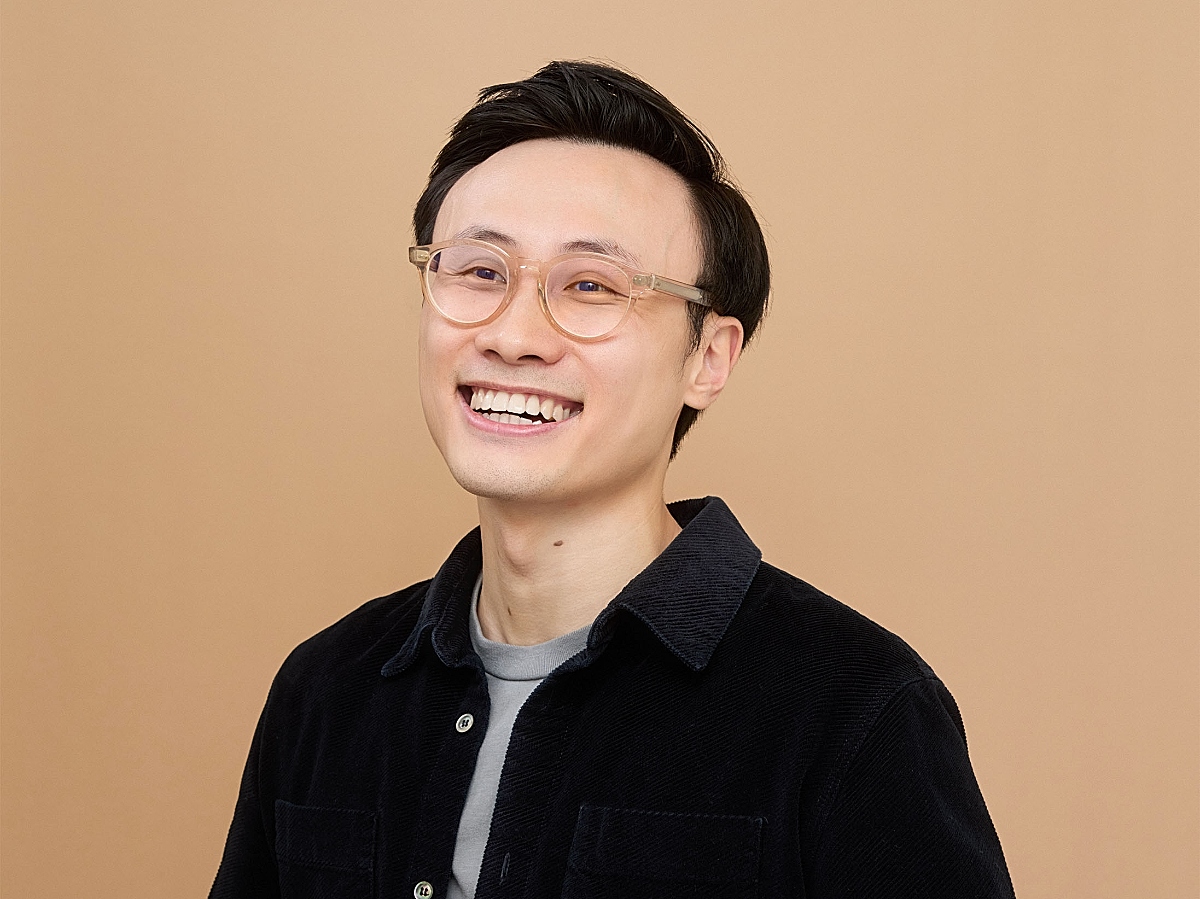
Henry Mai, Architectural Science, Class of 2018
Hadiqah K: Why did you choose to study at TMU?
Henry M: I applied to a few different schools in Ontario, and decided to pick TMU because of the location and the program itself. Being in downtown really helped because that’s where all of the buildings are. Having that environment around me was important to my studies as a lot of the projects we had in school, and the sites where we proposed designs for, were all in Toronto. From a networking point of view, a lot of the big firms in the architecture industry are here.
You can reach out to other alumni [in architecture] who serve as great mentors. I also heard strong things about TMU's architecture program and co-op; it was really hands-on.
HK: Can you tell me more about the opportunity your program at TMU offered to create a NEST at Woodbine Beach?
HM: I did a lot of extracurricular activities outside of my academics, like NEST. My work with NEST was a design competition that a couple friends and I entered. We made a proposal and submitted it, then it got picked. We put what we learned from the classroom and came up with a whole bunch of design iterations, to then create a smaller mock-up, and finally planning materials to have it built. The whole project was funded through different initiatives from TMU.
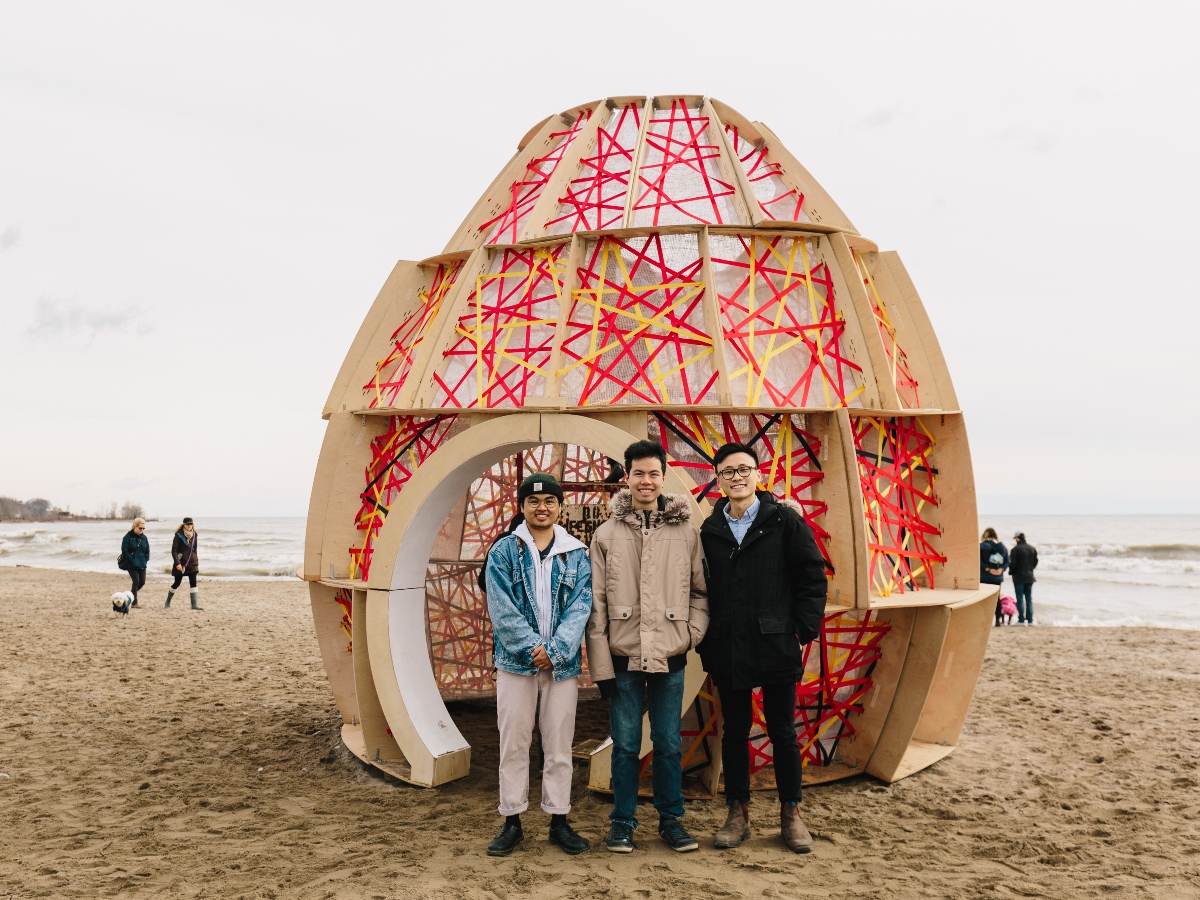
Henry said, “It was cool seeing people interact with our NEST and seeing kids climbing it [at the beach].”
HK: What skills or experiences gained at TMU have helped you most in your career thus far?
HM: The skills developed from architecture helped me become more curious and taught me to ask a lot of questions. It's about trying to gain a better understanding of the problem you want to solve and the context around it. Another skill is learning how to collaborate with your peers, because they will be your team members in the future.
The program really helped teach me how to communicate my ideas, not just through drawings or words, but in a way that others can understand and connect with. You can have an amazing idea, but if you can’t convince others or "sell" it, you won’t be able to bring [your vision] to life.
HK: Tell me about your job as a product designer at Scotiabank. What does your day-to-day look like?
HM: It kind of depends on where you are in the product development cycle. A small part of it is the design phase. Part of my day is spent in Figma (external link, opens in new window) , which is the software we use to design things. Another part of my day involves talking to users and customers to better understand their problems and distill insights from your products that can be improved once tested. Once you have those insights, you can integrate them back into the project and continue to develop it.
The bigger part of my job is communicating customer insights and sharing your designs with other stakeholders — working closely with product managers and engineers. It's about learning how to communicate your work to them, understanding their needs and using better metrics so the product can perform well and generate more revenue for the business. I also work closely with accessibility teams to ensure the product is inclusive for a wide range of users.
HK: How do you use your digital skills as a product designer?
HM: The work I'm doing in product design such as user experience design and working for Scotiabank made me realize the type of impact your work can have, especially if it's a digital product. Unlike a building that can have hundreds of thousands of visitors, a digital product can have millions of users. I am able to design experiences that can ease a customer's experience with the movement of their money, and help them with saving or growing it. Even opening a bank account is a big opportunity to make the experiences of money better for people.
HK: If you could go back in time to your first-year self what would you want them to know?
HM: An important trait is resilience. I knew architecture school was going to be tough from what I’d read online and from the advice from upper-year students. When you're 17 or 18 and heading into post-secondary education, you’re going to face new challenges and be confronted with things you've never experienced before — whatever program you're in; it’s part of growing up. It can be tough to get through all of it, but if you focus on whatever you're studying at the time, and put your energy into that, it becomes more manageable. Being mentally tough when things get hard helps you bounce back and keep going. It might sound generic or hard to explain, but you just have to push through.
I appreciated my chat with Henry and seeing the awesome projects he’s been a part of. Henry said how important it is to make an effort to put yourself out there and meet new people. The people you grow close to, whether it’s classmates, peers or mentors, are essential for thriving. For more information about applying and getting your post-secondary journey started, check out the how to apply page!
Bye for now,
Hadiqah