Critical Insights on Bill C-12 and What To Do Next

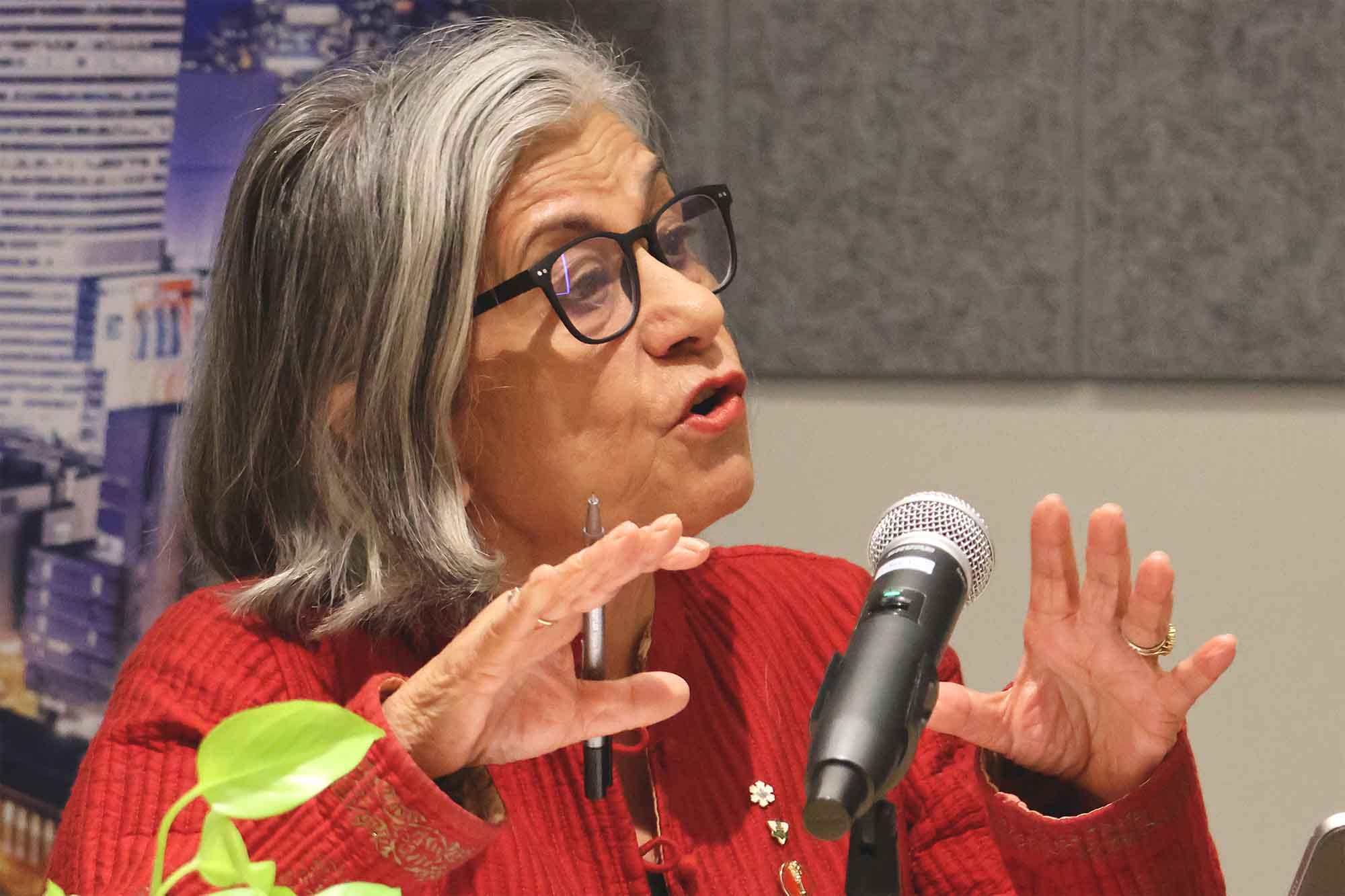
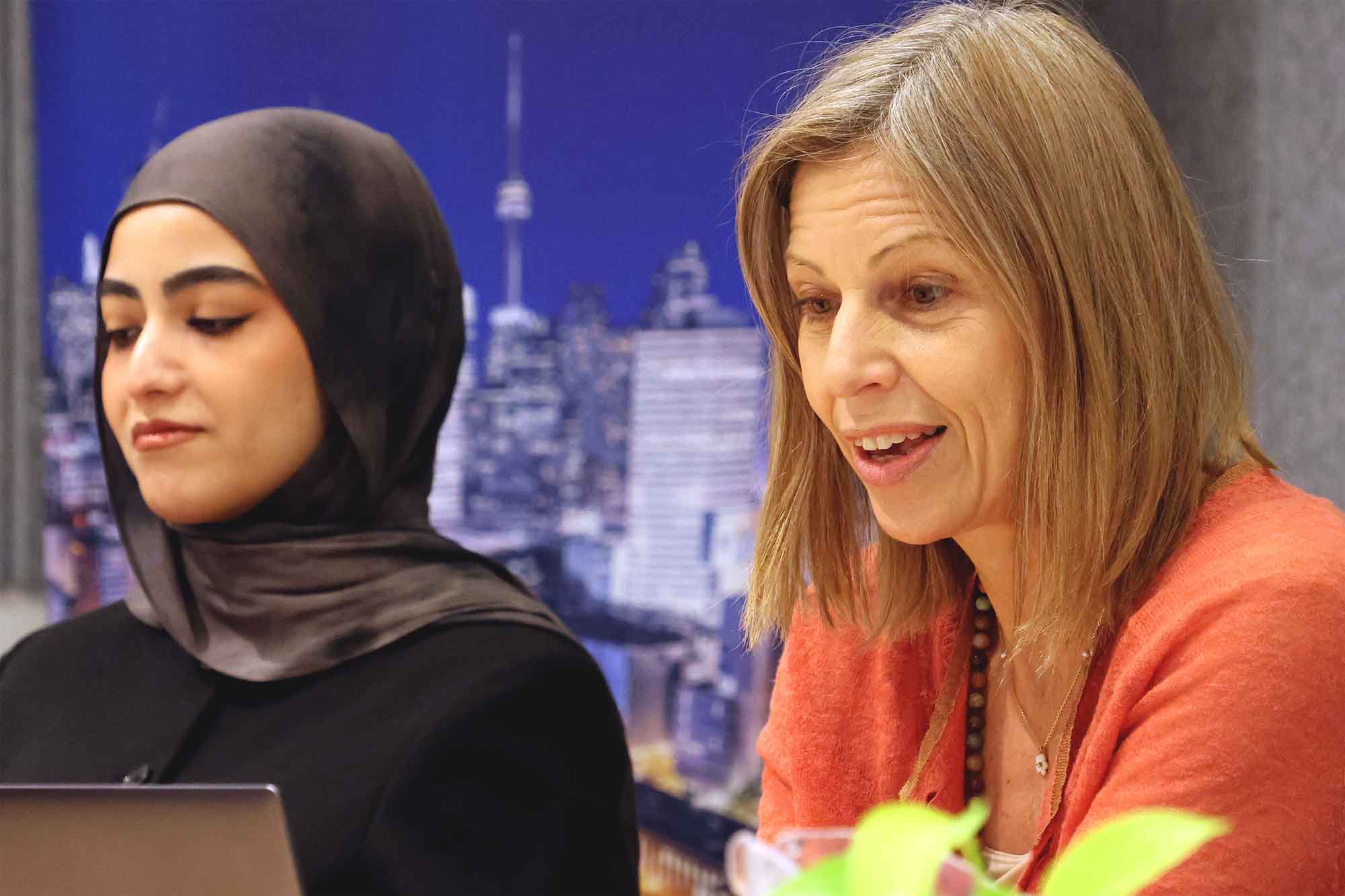
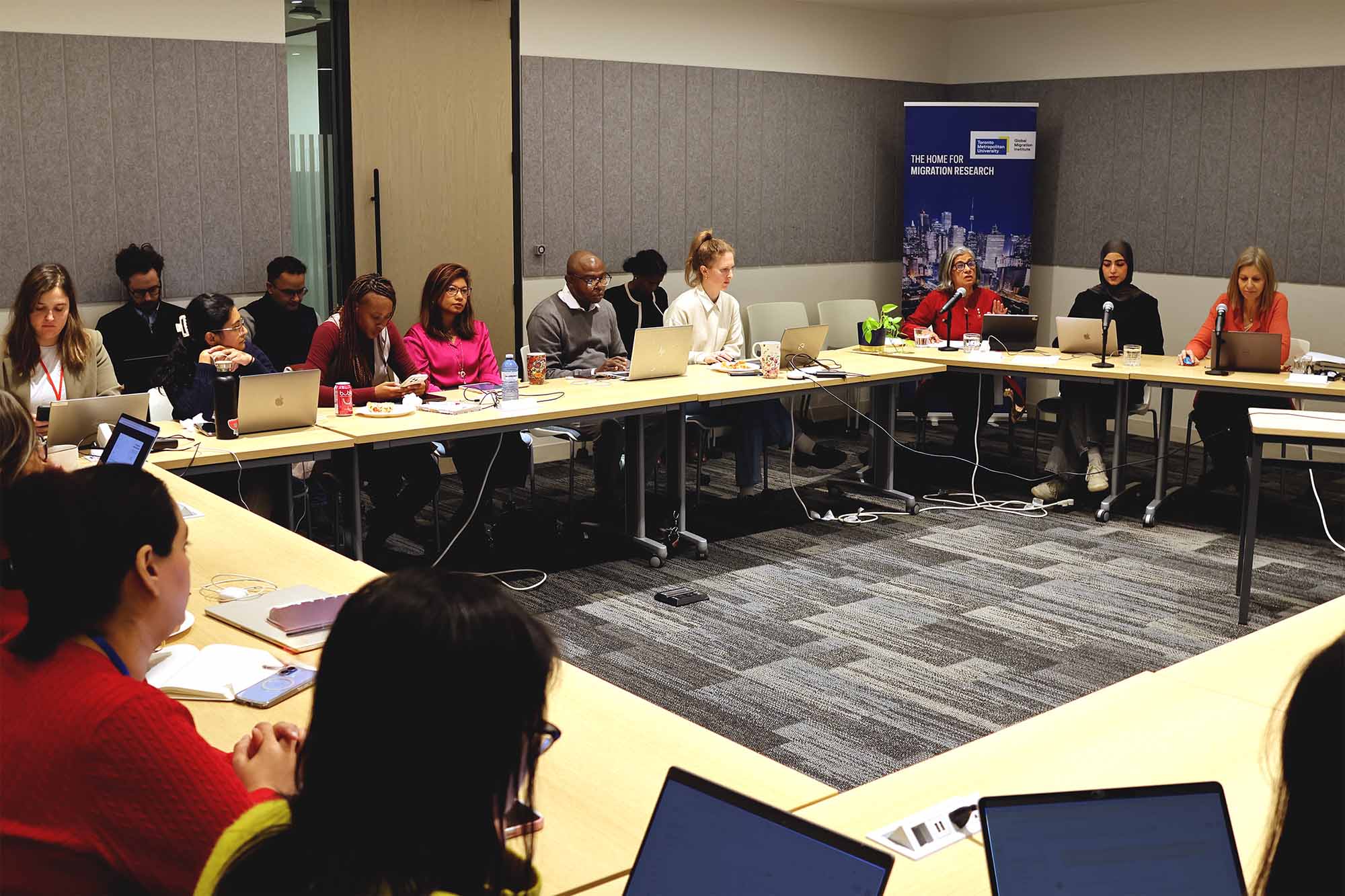
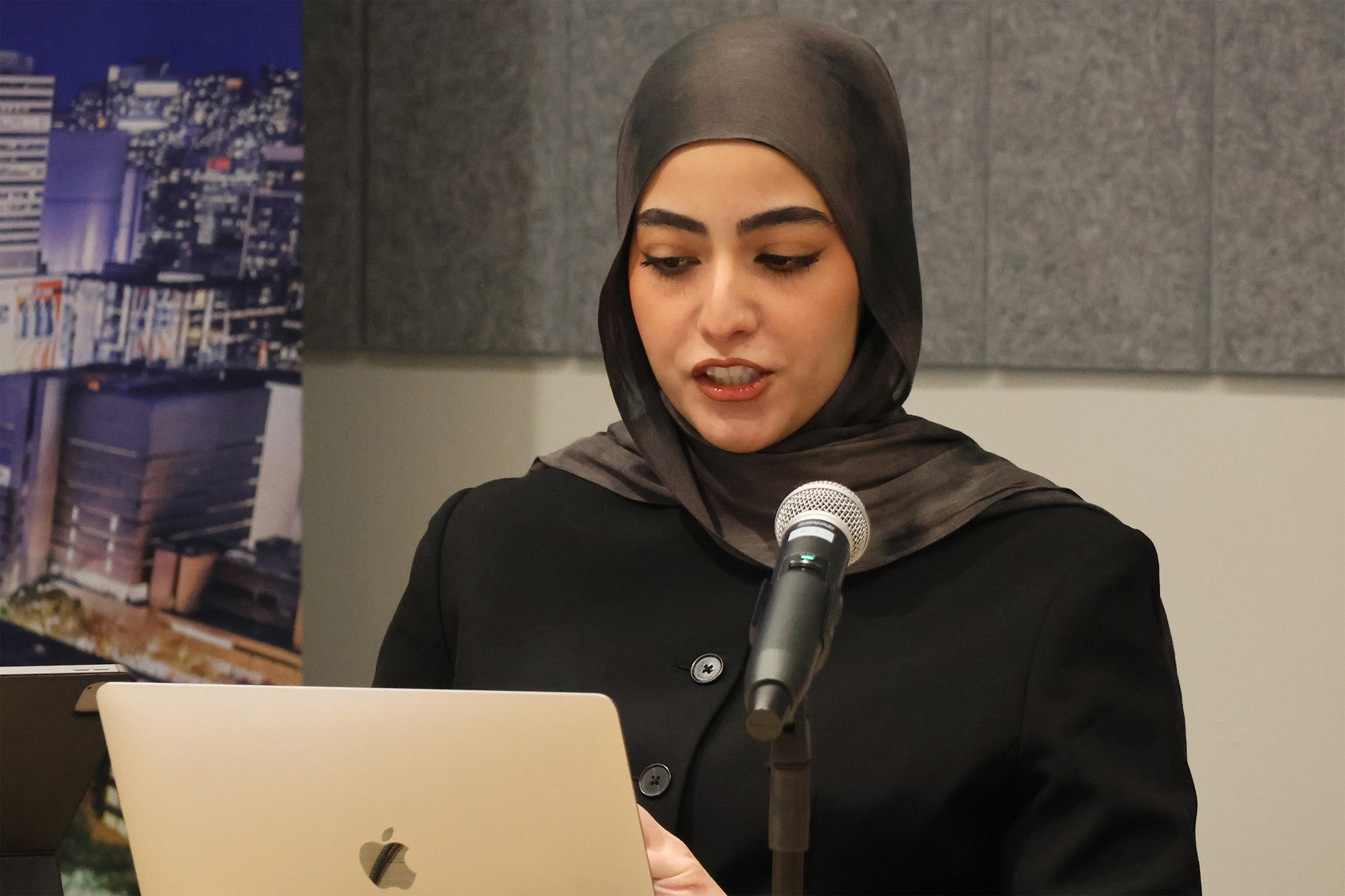
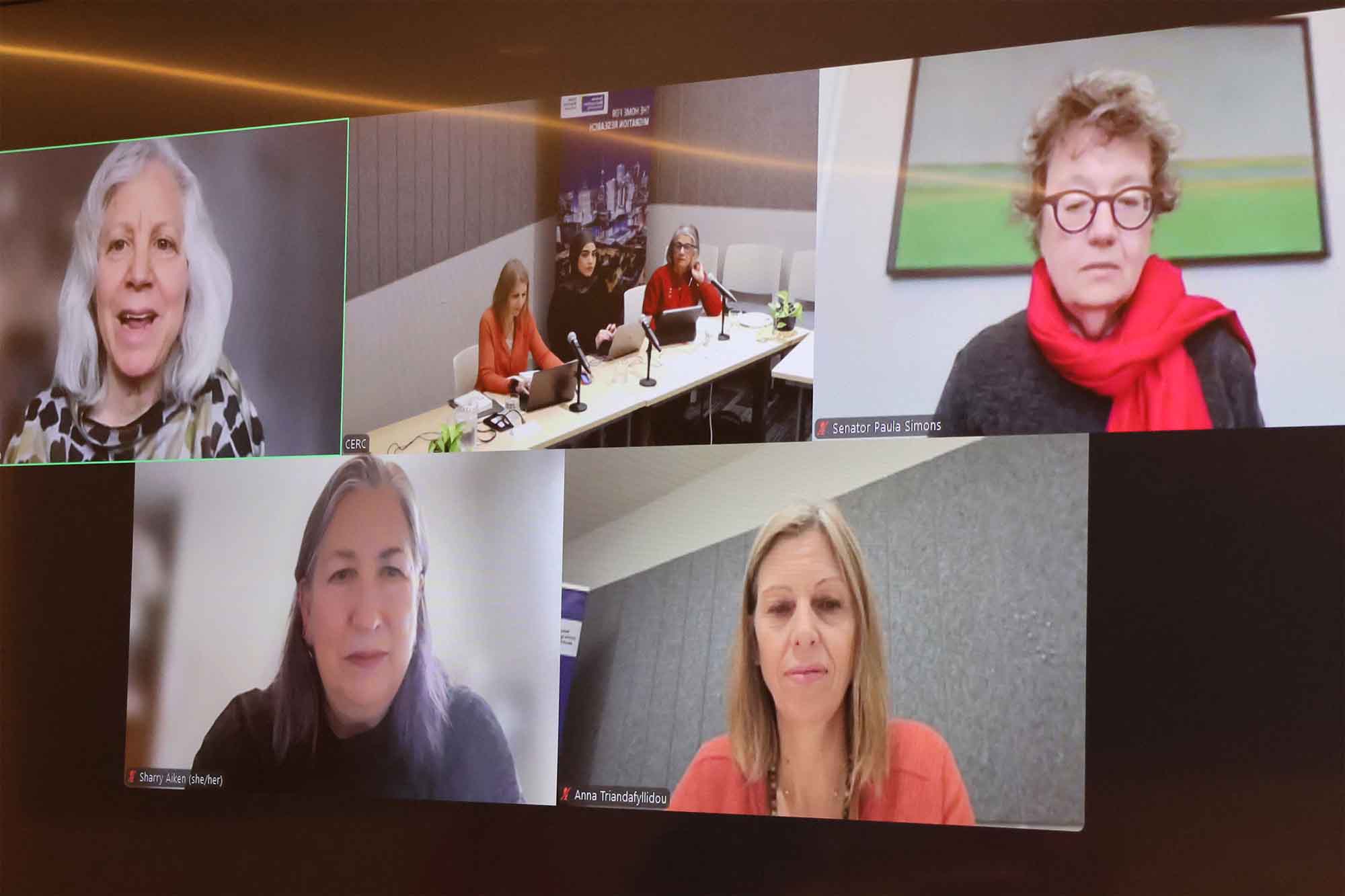
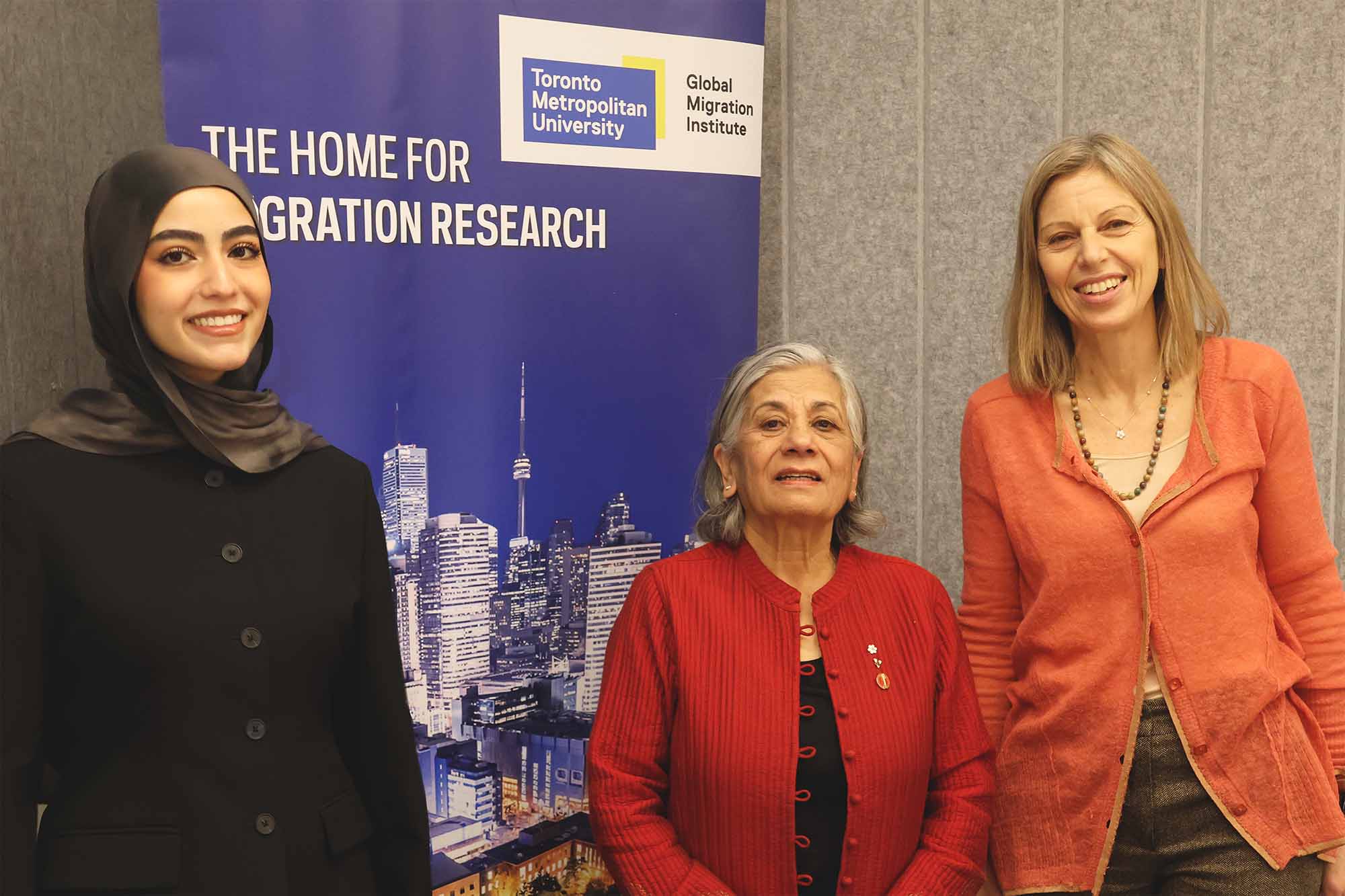
In response to Bill C-12, the Strong Borders Act, being expedited for review in the Senate, the Global Migration Institute at Toronto Metropolitan University held an emergency event on February 25th to discuss the implications of the bill. The panel featured leading migration scholars as well as current and former senators including: Professor Anna Triandafyllidou (Toronto Metropolitan University); Senator Ratna Omidvar; Professor Audrey Macklin (University of Toronto); Professor Sharry Aiken (Queen’s University); Senator Paula Simons; and Sara Younes (student at the Lincoln Alexander School of Law). Together they examined the bill’s most controversial provisions, including shortening the asylum filing deadline to one year, routing claims to less robust review processes, expanding the immigration minister’s authority, and broadening information-sharing measures.
Professor Audrey Macklin began by challenging the Bill’s claim that it will reduce backlogs, arguing that this claim is unfounded, since there will “always be more cases than resources available.” The Bill shifts the backlog from the Immigration and Refugee Board to the Canadian Border Services Agency, who are already ill-equipped to handle asylum and refugee cases.
Macklin contends the Bill will push migrants in vulnerable situations underground, fueling a smuggling economy and increasing precarity. It also risks steering Canada toward a U.S.-style immigration regime, as policymakers appear to be “borrowing” measures such as expedited removals, mass detention and deportation, and expanded immigration enforcement. The current system, while far from perfect, is well-aware and already addressing the issues identified by this bill. The proposed change would only shift the responsibility and backlog to a department whose ultimate goal is mass deportation.
She warns that we must consider the powers governments grant themselves, as we cannot predict who will wield them next: “Once those powers are given, they are rarely taken back.”
Echoing these concerns, Professor Sharry Aiken argues that Bill C-12 denies asylum seekers and refugees the protection that Canada has promised to provide under the 1951 Refugee Convention, noting that several of its provisions have already faced extensive criticism in other contexts. In other words, this bill violates our international human rights commitments.
For instance, the United Nations High Commissioner for Refugees has on record criticized the 1-year bar to asylum currently in place in the US. Additionally, a previous regime that designated a list of countries from which refugee claims would be fast-tracked and denied a Pre-Removal Risk Assessment was struck down by Canadian courts as unconstitutional for creating a two-tier system.
Professor Aiken says both reappear in Bill C-12.
Additionally, the safety measures purported to be addressed by the Bill are already in existence through the current system, which was built post 9/11 when international security was of the highest concern.
Building on this concern, Sara Younes underscored the breadth of those most affected by the Bill. Including asylum seekers and refugees, the Bill would also affect students, family members, temporary workers, permanent residents, and others with temporary status, creating “a deep insecurity for foreign nationals who have real lives in Canada.”
Lastly, the Honourable Senator Paula Simons from Alberta asserted that despite immense pressure from the Federal government to expedite the Bill, the Senate’s Social Affairs Committee has pushed back.
Senator Simons reminds us that immigration has long had a profound value for Canadians. We were proud to welcome immigrants, asylum seekers, and refugees. However, a wave of negative rhetoric has scapegoated migrants for Canada’s challenges.
Senator Simons ended with a call to the Senators, to the government, and to Canadians everywhere: “It is very dangerous to assume that we can introduce legislation to placate the xenophobes.”
The Bill will now return to the Senate during the second week of March.
TAKE ACTION NOW
- Reach out to your local senators. Write personalized letters to demand that Senators vote NO on Bill C-12
- Submit letters to editors. Ensure your local newspapers cover what’s at stake.
- Publish op-eds. Use your professional and community networks to amplify the risks.
- Speak out on social media. Make noise about the implications of this Bill
- Organize. Mobilize your communities, colleagues, and campuses.
It is more crucial than ever to act now, and as Younes notably stated: “the court of public opinion is so much more powerful than we think.”
Mobilize against Bill C-12 to ensure that it does not become law and affirm Canada’s commitment to a dignified and secure immigration, refugee, and asylum system.