Sustainable meat alternatives with Biofect Innovations
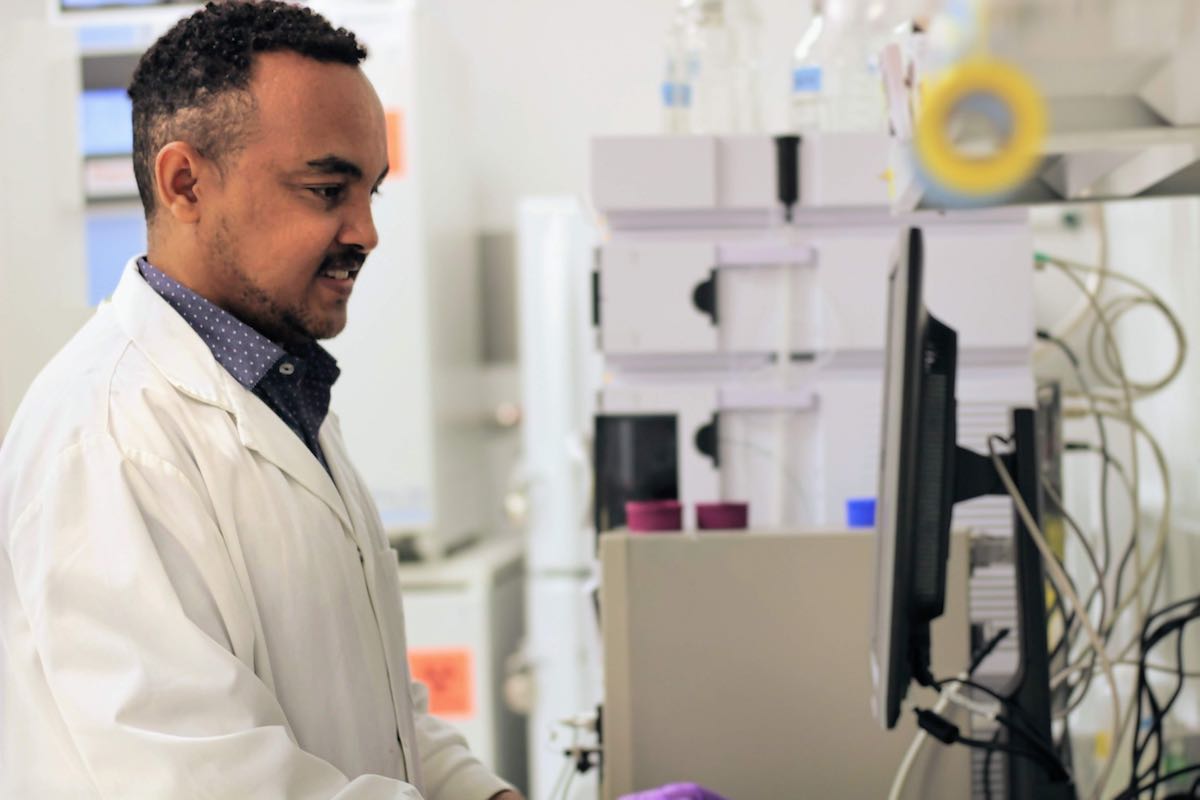
Science Discovery Zone (opens in new window) startup Biofect Innovations (external link, opens in new window) has been part of the Zone Learning network since 2017 when the founding team of PhD students, Christian Delos Santos, John Abousawan, Teshager Kefale and Louis Lo were looking for a practical application for the work they were doing as part of their research. “We really had an itch to use our training for something with a better impact,” says co-founder and CEO Christian. The team has expertise in the genetic manipulation of organisms which has multiple applications, and has proven to be a valuable asset as the company has evolved.
In 2018 just after incorporating, their initial focus was cannabinoids (opens in new window) . With the legalization of marijuana in Canada, there seemed to be a growing space in the market. However, following the COVID-19 pandemic and after connecting with key players in the cannabis industry, the team discovered that the market for cannabinoids was actually shrinking. Faced with a difficult decision, Biofect Innovations decided to pivot their work towards the creation of animal-free animal ingredients. Luckily the technology used to create animal products in the lab is quite similar to the process they had been using in their cannabinoid work, so the transition was fairly smooth.
We decided to get into the alternative protein space, because it follows with our values of sustainability and our love for animals.
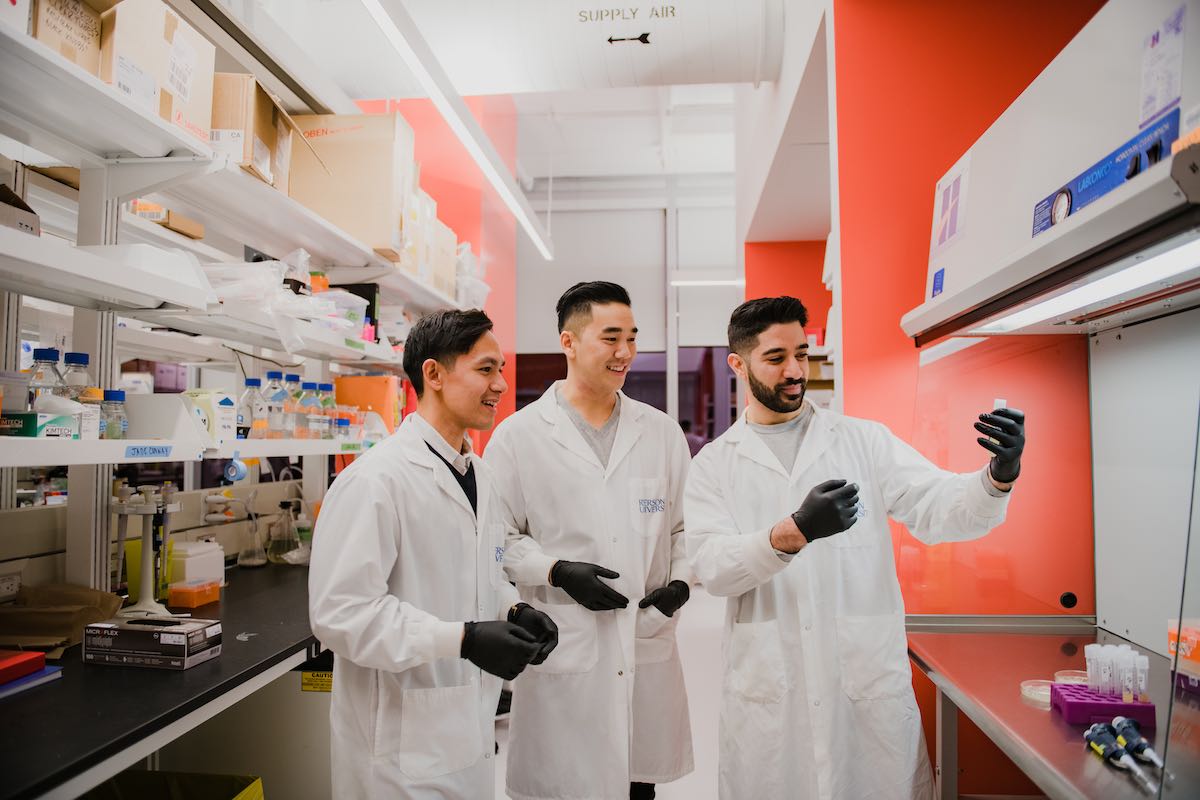
“We decided to get into the alternative protein space, because it follows with our values of sustainability and our love for animals,” says Christian. It’s also an exciting and innovative market that has seen major growth in recent years. Over the past five years demand for plant-based meat alternatives has skyrocketed and the COVID-19 pandemic has only accelerated that demand.
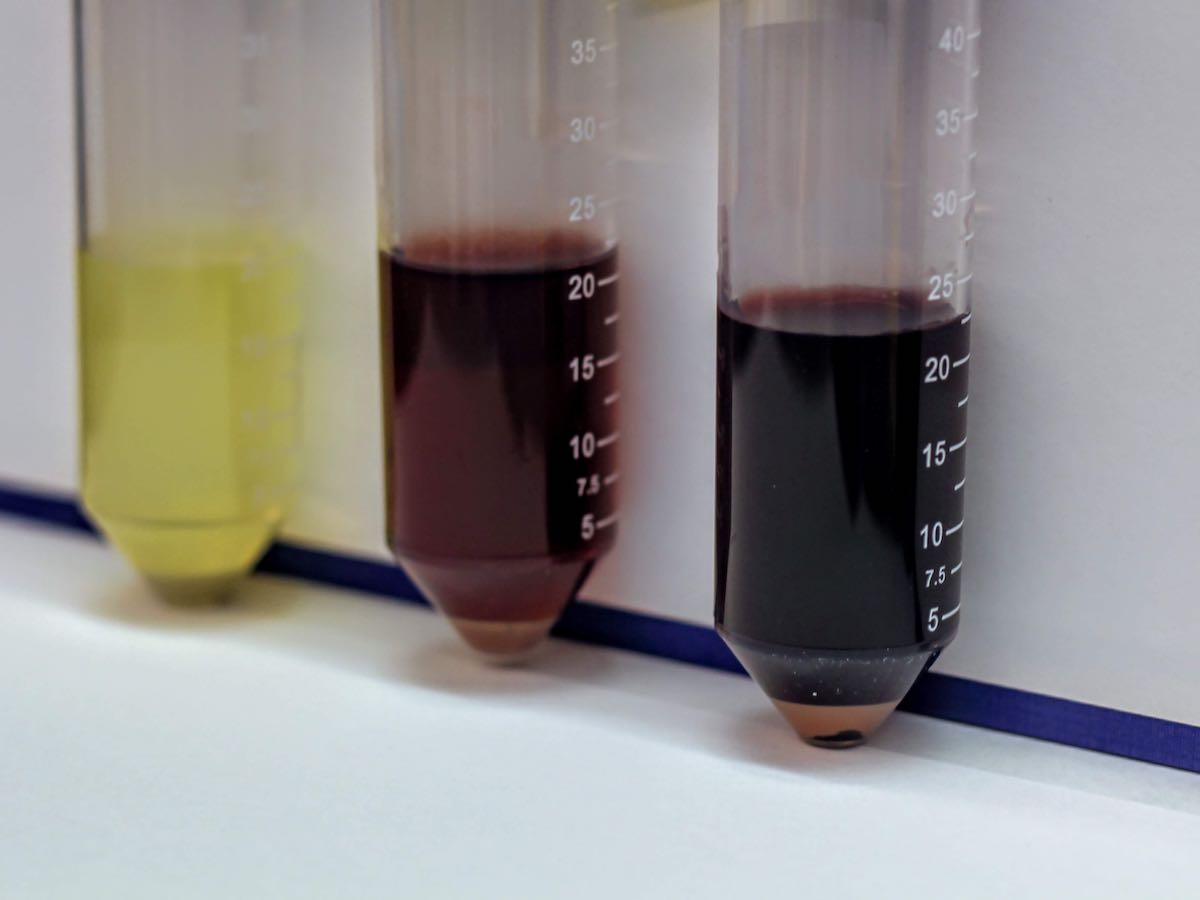
There are a variety of animal products that can be produced in the lab to help make plant-based alternatives taste more like meat. One of the most popular, and a key focus for Biofect Innovations, is iron-binding protein (IBP). IBP is a molecule that naturally exists in animals as well as some plants, to carry oxygen around the body. It’s also what “makes meat taste like meat. When you bite into meat, you're tasting IBP,” says Christian. IBP can be produced in the lab and added to plant-based proteins to create products that simulate the taste of meat, but are much more environmentally sustainable. Biofect Innovations aims to fill a gap in the market as a business-to-business supplier of products like IBP, which other companies can then use to create plant-based meat products.
In addition to the environmental benefits, the team also hopes their work can help democratize animal products that have traditionally been associated with wealthy countries and cultures. “That's the goal of plant based alternatives, not necessarily to just provide a substitute, but to create something superior to animal products that everybody can enjoy.”
As the company has evolved, Christian and his co-founders have benefited from the unwavering support of the Science Discovery Zone. When they first launched, no one on the team had experience in the startup space but as Biofect Innovations has grown they have always felt supported by the zone. Christian counts Zone Learning (opens in new window) and the Science Discovery Zone among their first allies when starting their entrepreneurship journey. “They're always there to advocate for your team and they really do give you that realistic perspective.”
World Environment Day on June 5, was an important reminder of the negative impacts meat and animal products have on the environment. For Biofect Innovations, the hope is that more and more people will become aware of how the meat industry impacts us all. “I'm sure there are people out there who want to be more conscious, but if they're not aware of their impact, nothing will happen,” says Christian, “everybody needs to realize their contribution and what they can do to change.”
The goal of plant based alternatives is not just to provide a substitute, but to create something superior to animal products that everybody can enjoy.