Who Is Talking to AI Assistants? A Segmentation Perspective on Conversational AI Adoption
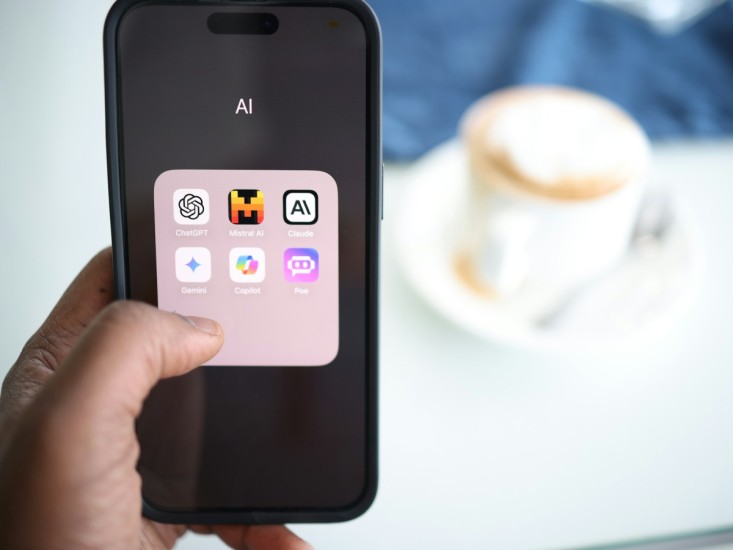
AI tools like ChatGPT are rapidly becoming part of everyday life. Although, not everyone uses them in the same way. Some people embrace them confidently, while others remain cautious or unsure. This study explores these differences to better understand who is using conversational AI and why.
Using survey data from 391 participants in North America, the study identifies three distinct user groups. The first group, Confident Individual Adopters, reports high perceived usefulness and ease of use, strong trust in the technology, and low levels of computer anxiety. They also show a strong intention to continue using conversational AI. The second group, Hesitant Pragmatists, reports lower levels of perceived usefulness, ease of use, and trust. They experience moderate computer anxiety and show a lower intention to adopt conversational AI than the other groups. This group reflects a more cautious approach to the technology. The third group, Socially-Driven Tech Enthusiasts, demonstrates high levels of computer self-efficacy and playfulness, as well as high perceived usefulness and ease of use. They are also more influenced by social factors, such as subjective norms and word of mouth. At the same time, they report relatively high levels of computer anxiety and place strong importance on privacy.
The results show that adoption of conversational AI is influenced by multiple factors, including perceived usefulness, ease of use, trust, privacy concerns, and social influence. Importantly, these factors vary across user groups, indicating that users respond differently to the same technology. These findings suggest that a single approach to designing or promoting conversational AI may not be effective. Instead, different strategies may be needed to better accommodate each user groups. For example, some users may respond to advanced features, while others may require clearer guidance or reassurance.
Overall, the study highlights the importance of understanding user differences to support more effective adoption of conversational AI. Xingwei (Nancy) Yang, Seung Hwan (Mark) Lee, Omar Fares (accepted). Who is Talking to the AI Assistants? A Consumer Segmentation Analysis. International Journal of Consumer Studies.