How Economic Optimism Shapes Co-Branding Success
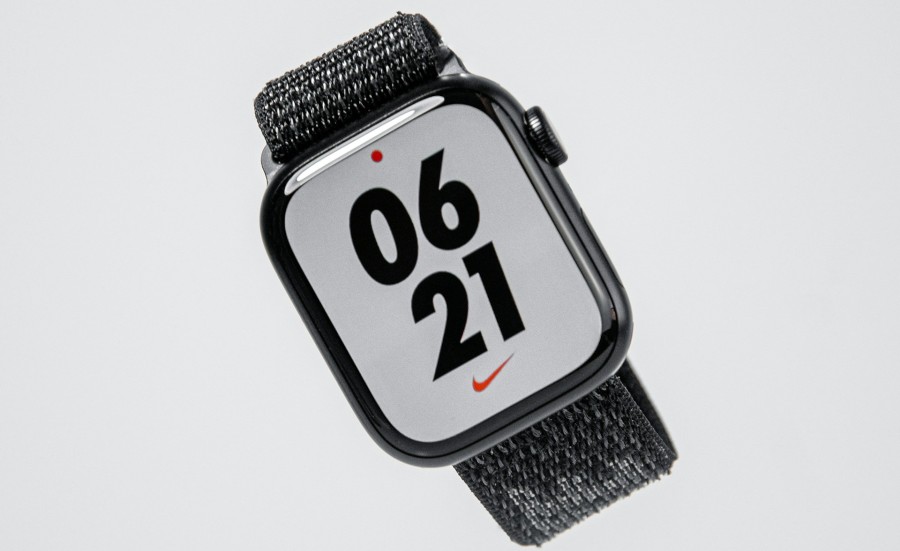
Imagine you're shopping online and you come across two brands teaming up to sell a product together. Sometimes, these partnerships seem like an odd match—like a luxury brand collaborating with a budget-friendly one. Have you ever wondered why you might find such pairings appealing or not? This research explores exactly that. Co-branding, where two brands join forces to sell a product, is a common strategy in marketing. Think of collaborations like Nike and Apple or Starbucks and Spotify. What this study focuses on is how everyday people's perceptions of their own economic prospects—what they think their future financial situation will be—affect how they view these partnerships. Here's what we found: When people feel optimistic about their future economic mobility—meaning they believe they will move up financially—they tend to view co-brands that don't seem like a perfect match more favorably. For example, if you think you're going to do well financially in the future, you might see a partnership between a high-end brand and a more affordable one as clever or innovative rather than mismatched. To figure this out, we conducted several experiments. In one, we asked people to evaluate different co-branding scenarios. We found that those who felt more optimistic about their economic future were more likely to like and support co-brands that didn't seem to fit perfectly together. This suggests that our personal beliefs about our future wealth can influence how we see and accept brand partnerships. The study also looked at why this happens. It turns out that when people feel economically optimistic, they tend to think more broadly and holistically. This mindset makes them more open to seeing the potential benefits of partnerships that might not make immediate sense. So, if you're feeling positive about your financial prospects, you're more likely to see the bigger picture and understand why two different brands might team up. This research isn't just about understanding consumer behavior—it also offers advice to companies. By understanding how people's economic optimism influences their reactions to brand partnerships, businesses can better predict which collaborations might resonate with consumers. This can help them create more effective marketing strategies that appeal to a broader audience. In summary, this study shows that our beliefs about our future financial success can impact how we perceive and accept brand partnerships. It highlights the importance of considering consumer attitudes and mindsets when planning marketing strategies, ultimately aiming to create partnerships that make sense to consumers and drive business success. Xinyu Nie, Liangyan Wang & Eugene Chan (2024). Perceived economic mobility predicts evaluation of low-fit co-brands. (external link) Psychology & Marketing, 41(7), 1562 – 1573.