Register for the first webinar: "Why Canada?" on Oct. 26, 2026 from 2-3:30PM (EST)
Rethinking migration systems through a multi-dimensional approach
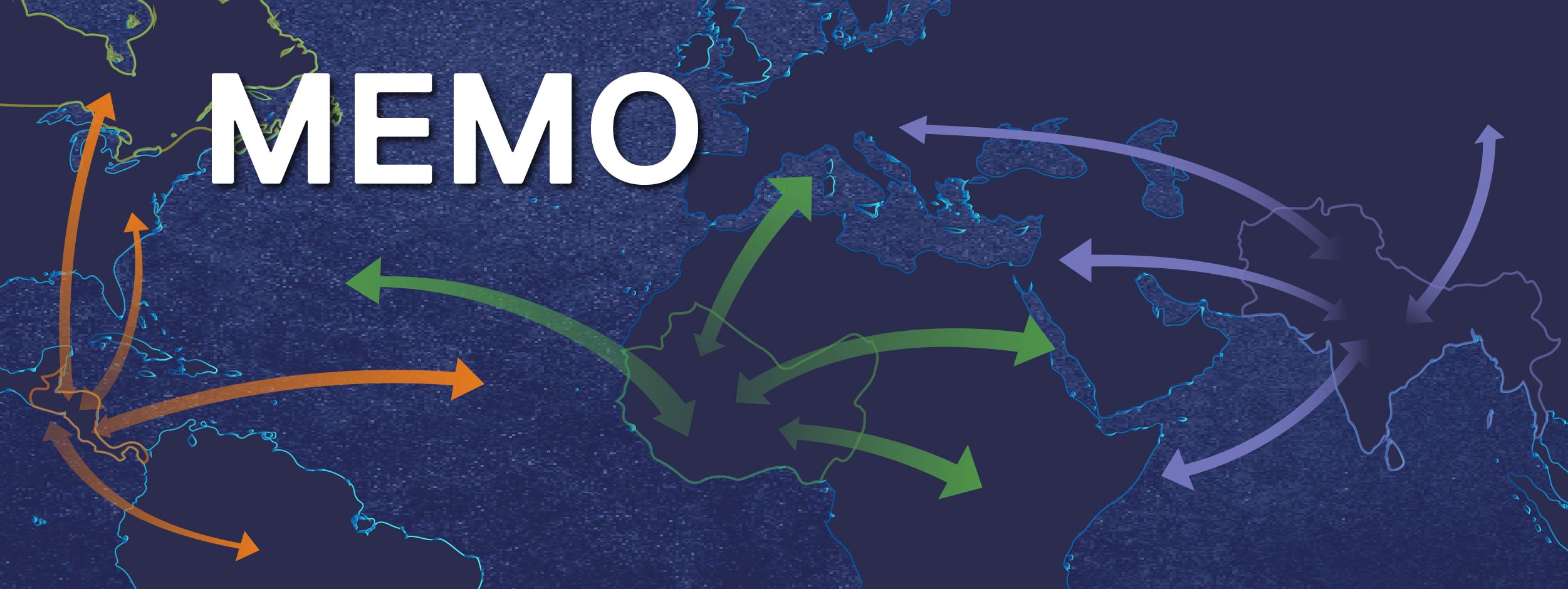
The Complex Migration Flows and Multiple Drivers in Comparative Perspective (MEMO) is a six-year-long research project (2022 - 2028) that examines internal, interregional, and intercontinental migration flows and drivers across three main regions: South/Southeast Asia (Bangladesh, Nepal and Malaysia), West Africa (Ghana, Nigeria, Senegal and the Ivory Coast) and the Americas (El Salvador, Guatemala, Honduras, Mexico and Canada). Through the generous funding of $2.5 million from the Social Sciences and Humanities Research Council's Partnership Grant, MEMO brings together a diverse, multi-institutional and multi-disciplinary team of 38 academics and 32 partner organizations across three continents in this exploration of migration flows.
6 Year long Project
12 Countries
Team of 38+ Academics
32+ Partner Organizations
$ 2.5 MiIlion in Funding
Across 3 Continents
What is the MEMO Project? Watch the video below to learn more about the project.
Learn About Our Regional Hubs
Learn more about MEMO America's Hub
Learn more about MEMO West Africa's Hub
Learn more about MEMO South Asia's Hub
Learn more about MEMO DataVIS-Quantitative team
Learn more about MEMO DataVIS-Visualization team
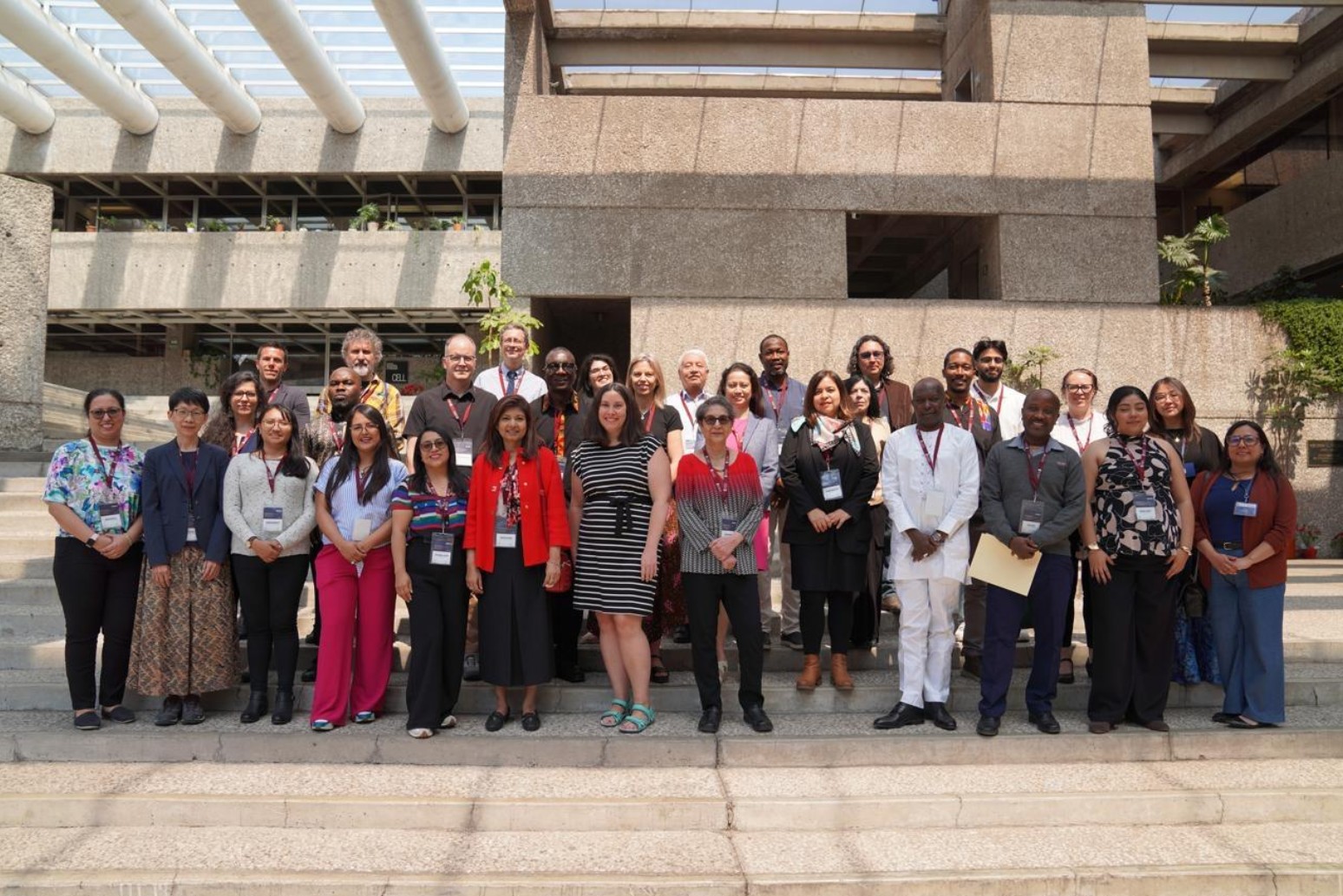
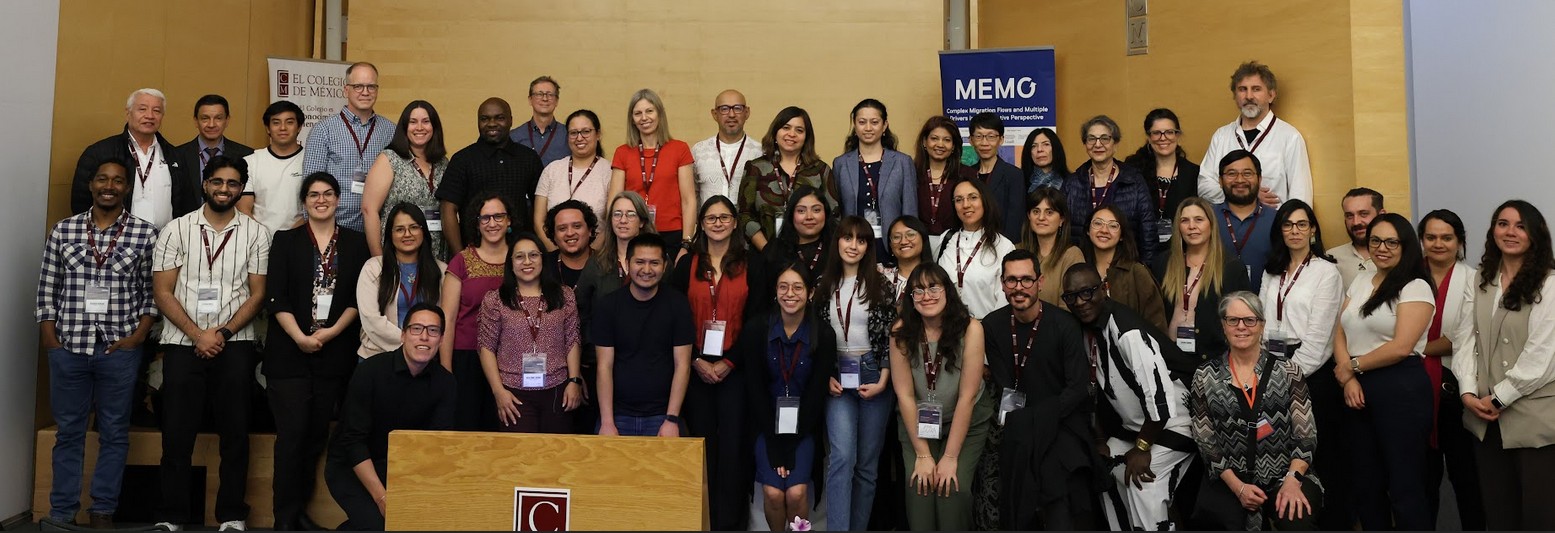
Why People Move: Interconnected Drivers of Complex Migration – MEMO 2nd Annual Conference
 (external link, opens in new window)
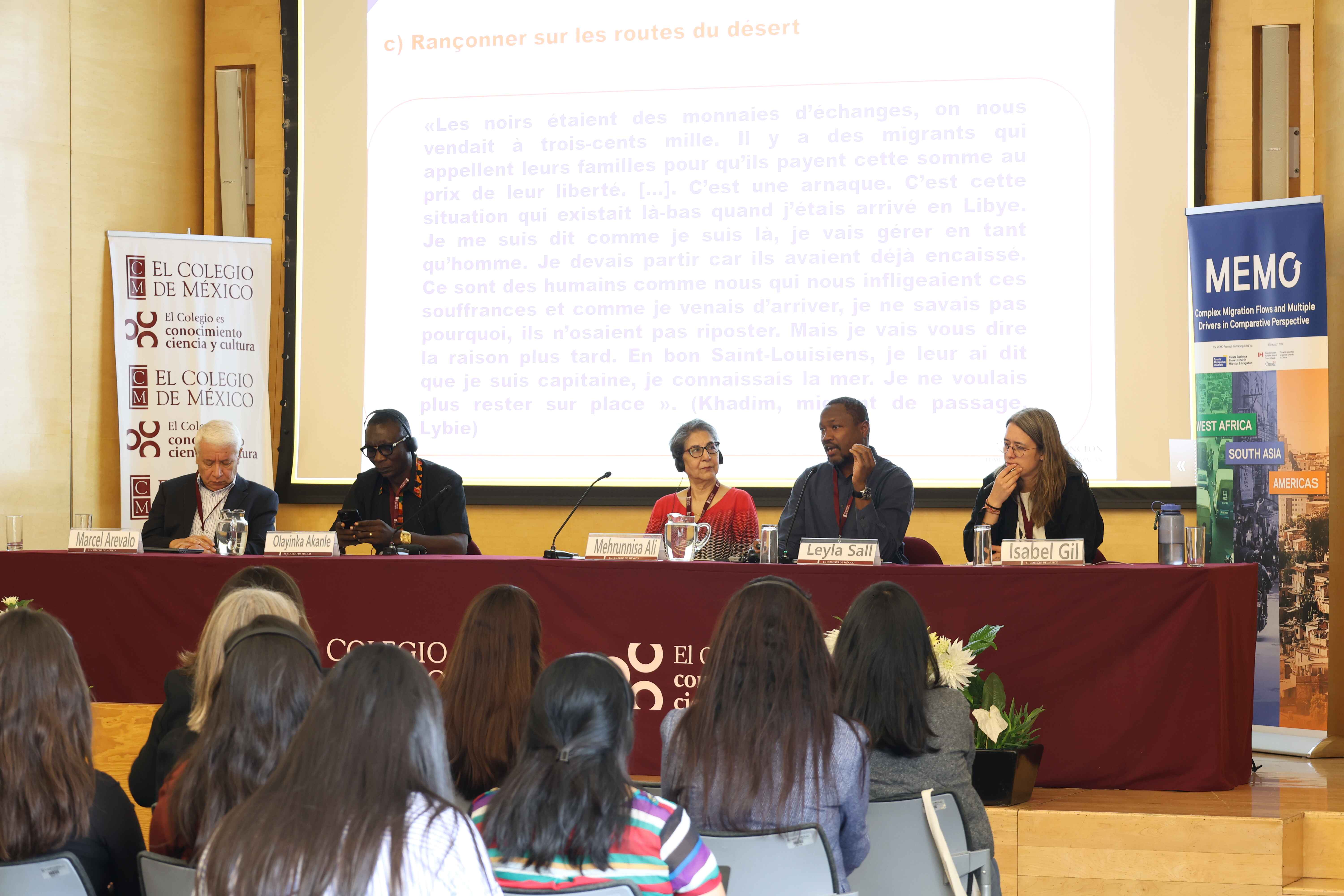
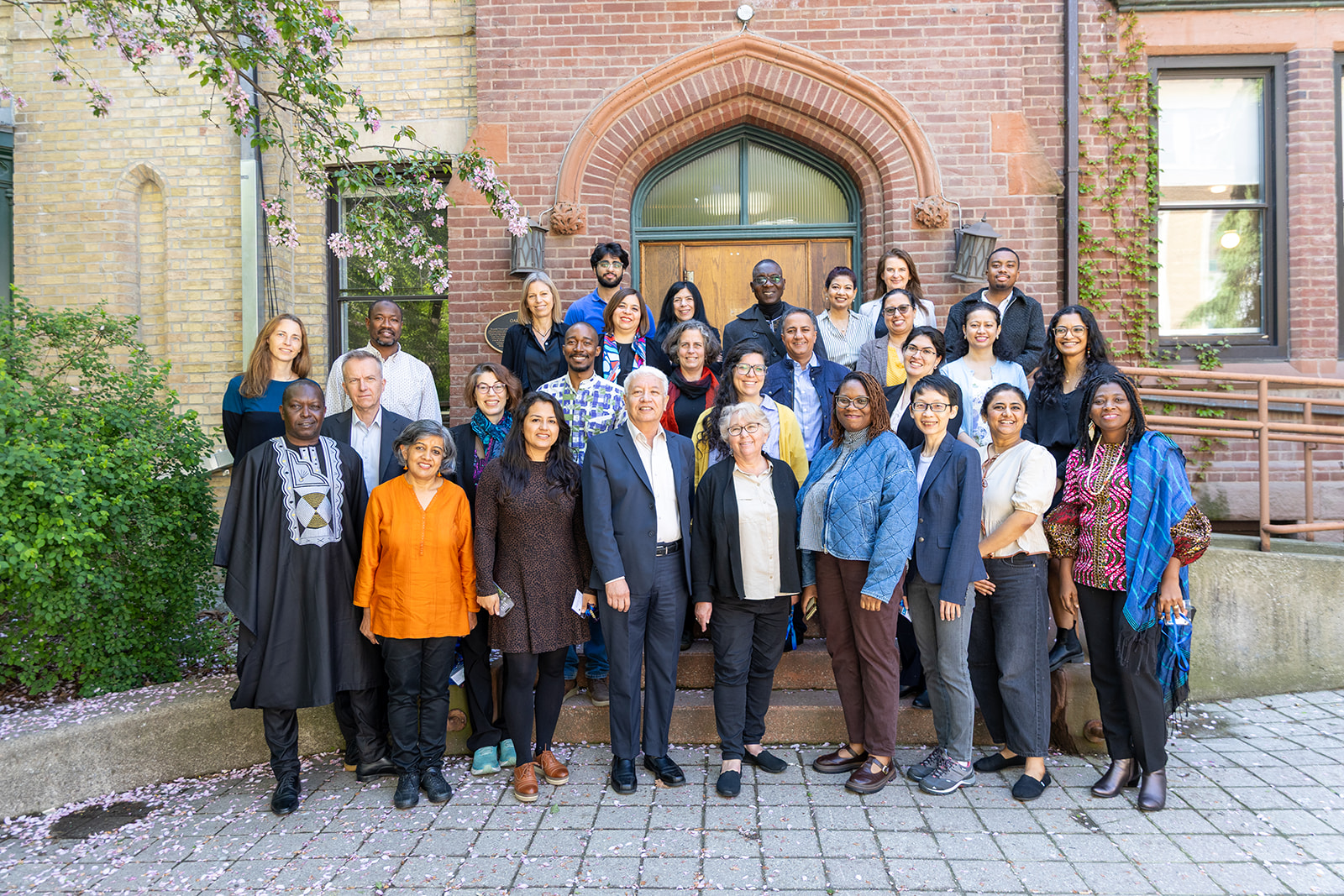
Bringing together researchers from diverse disciplines and regions, this 2-day conference highlighted the overlapping drivers of migration and the lived realities behind them. Through comparative case studies, quantitative modelling tools, and global collaborations, the panelists discussed why people move and what these patterns mean for future research and policy.
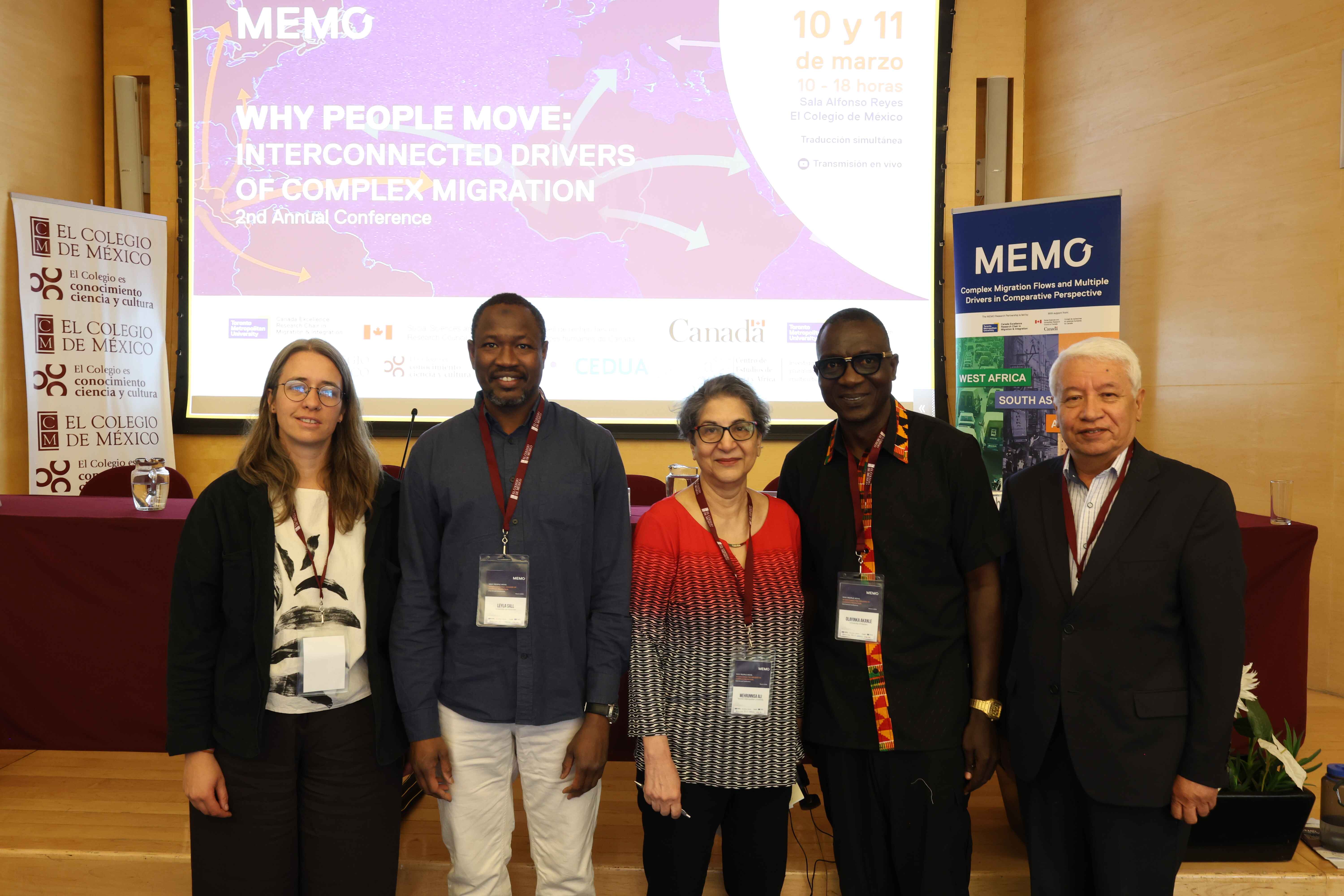
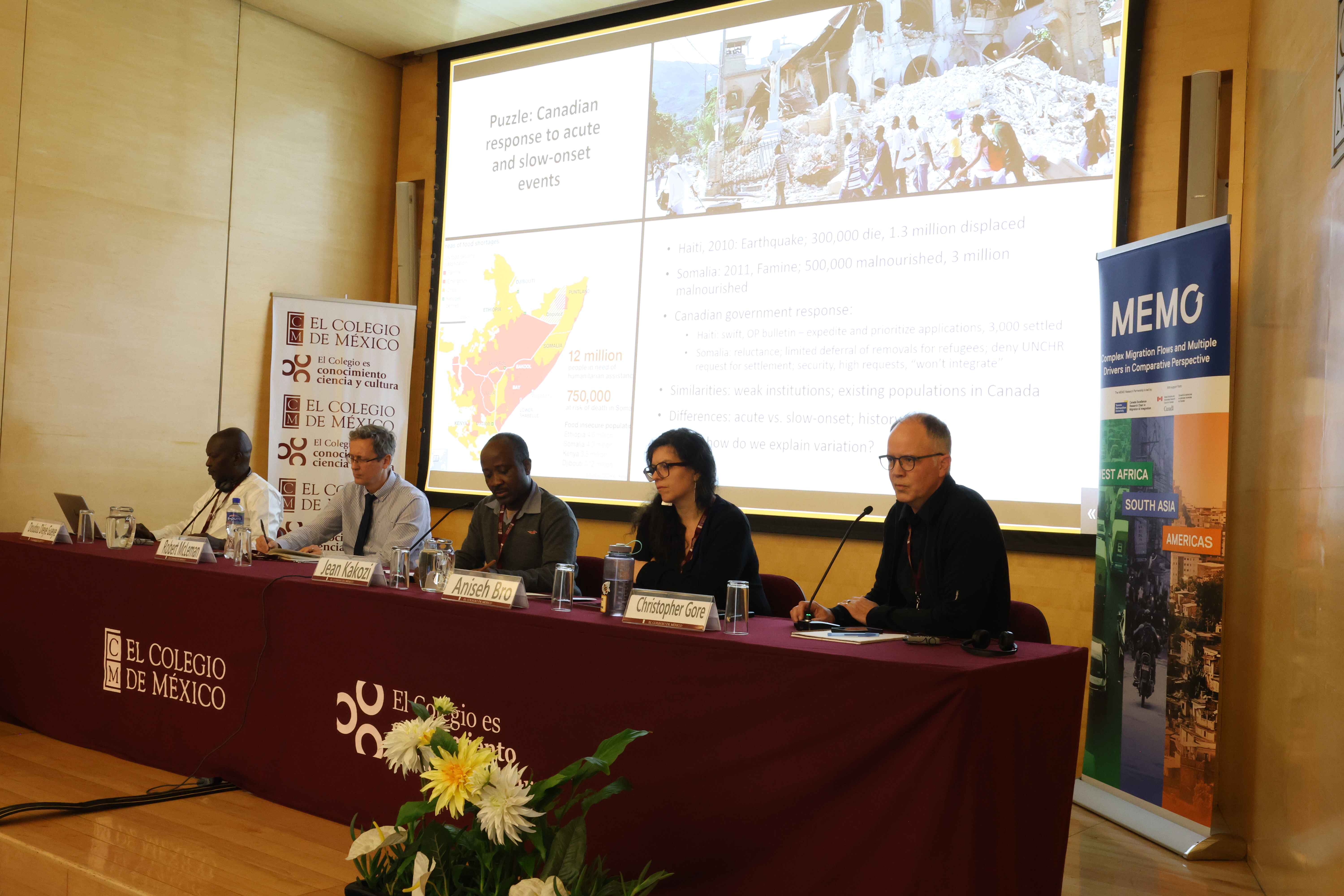

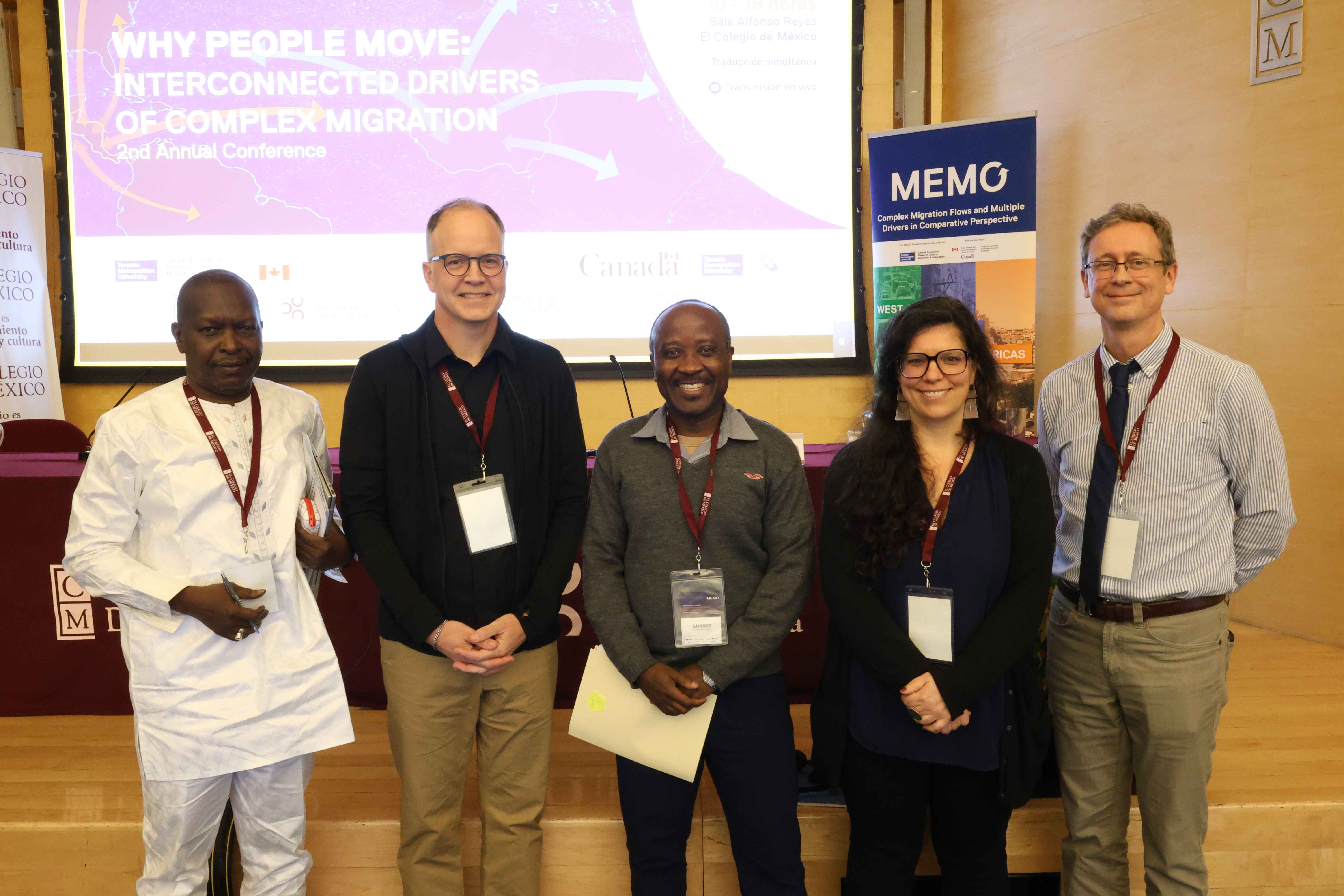
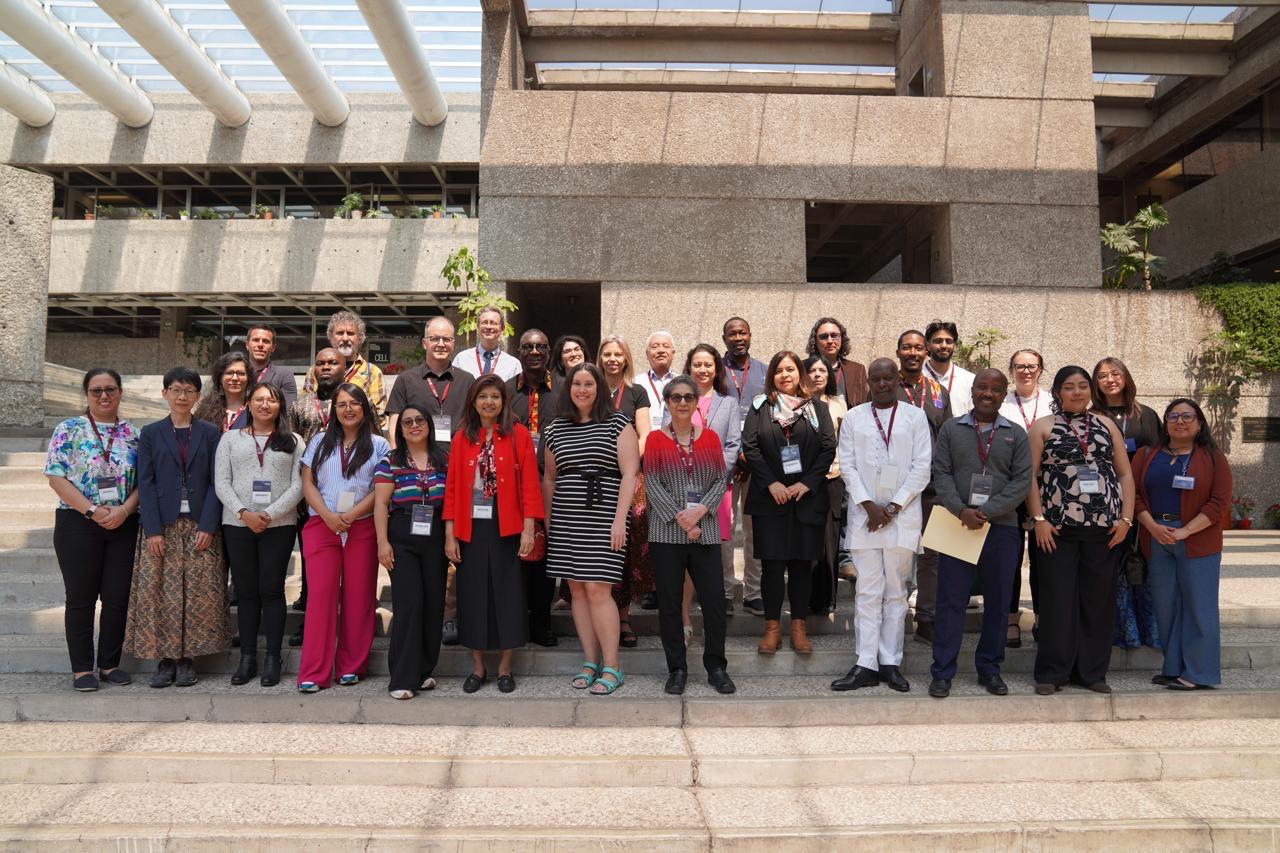
International Migration: From Root Causes to Drivers – Joint Conference Between CERC Migration, MEMO Partnership Grant, and Bridging Divides
This conference examined the multiple drivers of migration, including social, economic, political, and environmental, as well as the ways in which they shape decision-making. It brought together a diverse group of stakeholders in the field of migration, including leading researchers, academics, policy-makers, students, and people from civil society organizations.
.jpg)

.jpg)
.jpg)
.jpg)
.jpg)
.jpg)
.jpg)
.jpg)
.jpg)
Latest Academic Publications
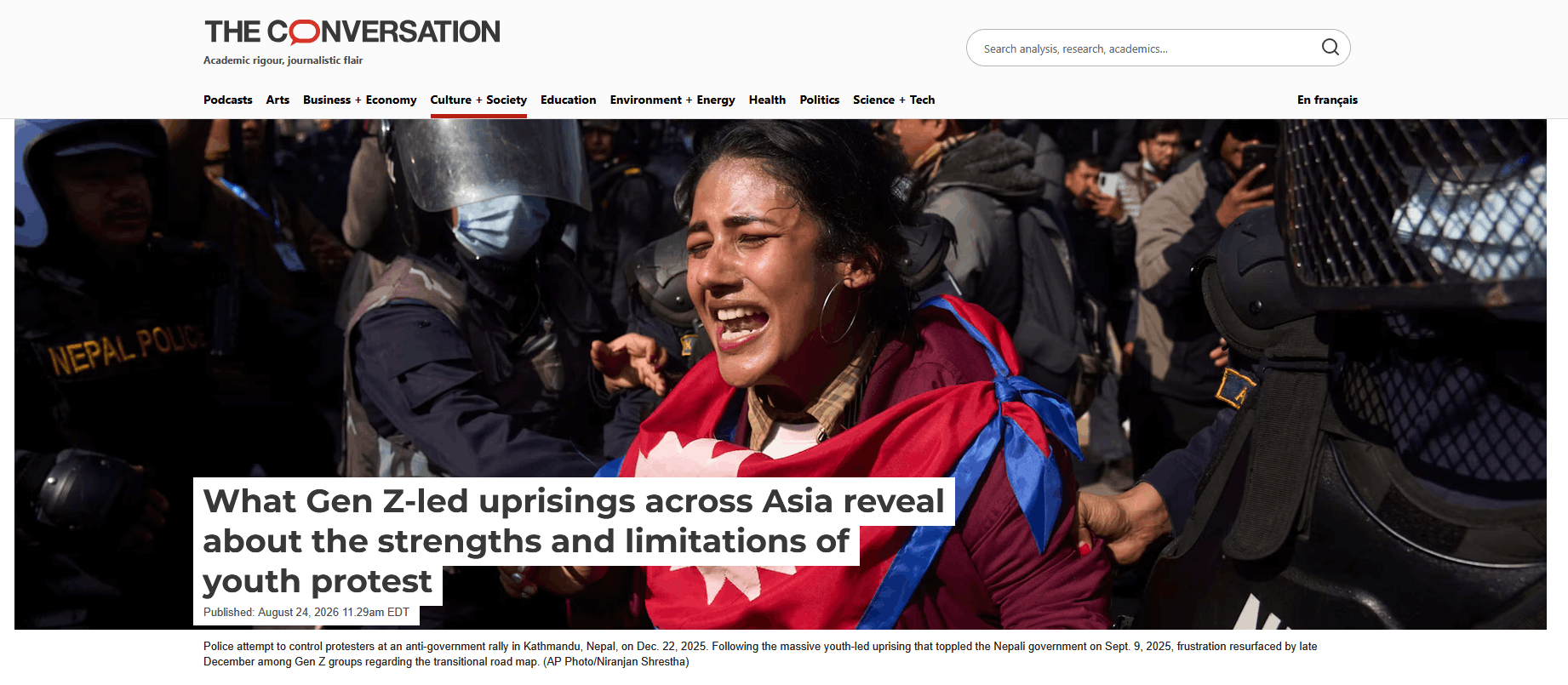
Recent Gen Z-led uprisings have reshaped political narratives across Asia, raising a pointed question: can street-level youth outrage be transformed into governing power and lasting institutional change? Or does it burn out once the protests end?
Niraula, A. & Sharma, S. R. (August 2026). What Gen Z‑led uprisings across Asia reveal about the strengths and limitations of youth protest. (external link) The Conversation.
Based on fieldwork conducted in 2025 in Ciudad Juárez and Mexico City, we find that many of the migrants from Latin America and the Caribbean have had very long and complex itineraries, trajectories, and legal statuses within the Americas.
Masferrer, C., & Navarrete-Suárez, J. (2026). Implications of Complex Migrant Trajectories, Itineraries, and Legal Pathways in the Americas: Lessons from Fieldwork in Mexico. (external link) International Migration Review, 0(0)
Based on 22 interviews, this study explores how interconnected drivers shape Bangladeshi migration and early settlement realities in Ontario.
Akbar, M. (2026). (PDF file) Migration Drivers and Postmigration Experiences of Bangladeshi Immigrants in Canada. The Global Migration Institute, Toronto Metropolitan University, Working Paper No. 2025/17.
Latest Public Engagements
 (external link)
In this edition, Marcel Arévalo, director of FLACSO Guatemala, reflects on the institutional trajectory in the study of migration and presents the international project MEMO, a comparative research initiative that analyzes the factors that influence migration processes in Asia, Africa and America.
The article highlights FLACSO’s commitment to knowledge generation, academic training and international collaboration to understand migration dynamics and contribute to the debate on the challenges of human mobility today.
We invite you to learn about this reflection on research, academic cooperation and migration.
Arévalo, M. (2026). Voces Desde FLACSO - MEMO [Podcast Interview]. Youtube.
The migration of Mexicans to Canada is a fairly recent phenomenon; but from the beginning, migration processes and migration policy between the two countries have been marked by very important unequal power relations, reflecting more general processes of asymmetric economic integration.
Martin, P. (2025). Destino México: Migración y movilidades [Podcast interview]. With C. Masferrer.

The number of Nepalis migrating to Canada has zoomed upwards in recent years, many of them first arriving as international students. They came for good education opportunities, free healthcare, and the promise of secure, stable futures.
Nepalis speak about their journeys to and lives in Canada - Nepal Now. (2026, March 21). Buzzsprout
Research Partners