Rethinking migration systems through a multi-dimensional approach
The Complex Migration Flows and Multiple Drivers in Comparative Perspective (MEMO) is a six-year-long research project (2022 - 2028) that examines internal, interregional, and intercontinental migration flows and drivers across three main regions: South/Southeast Asia (Bangladesh, Nepal and Malaysia), West Africa (Ghana, Nigeria, Senegal and the Ivory Coast) and the Americas (El Salvador, Guatemala, Honduras, Mexico and Canada). Through the generous funding of $2.5 million from the Social Sciences and Humanities Research Council's Partnership Grant, MEMO brings together a diverse, multi-institutional and multi-disciplinary team of 38 academics and 32 partner organizations across three continents in this exploration of migration flows.
What is the MEMO Project? Watch the video below to learn more about the project.
Why People Move: Interconnected Drivers of Complex Migration – MEMO 2nd Annual Conference
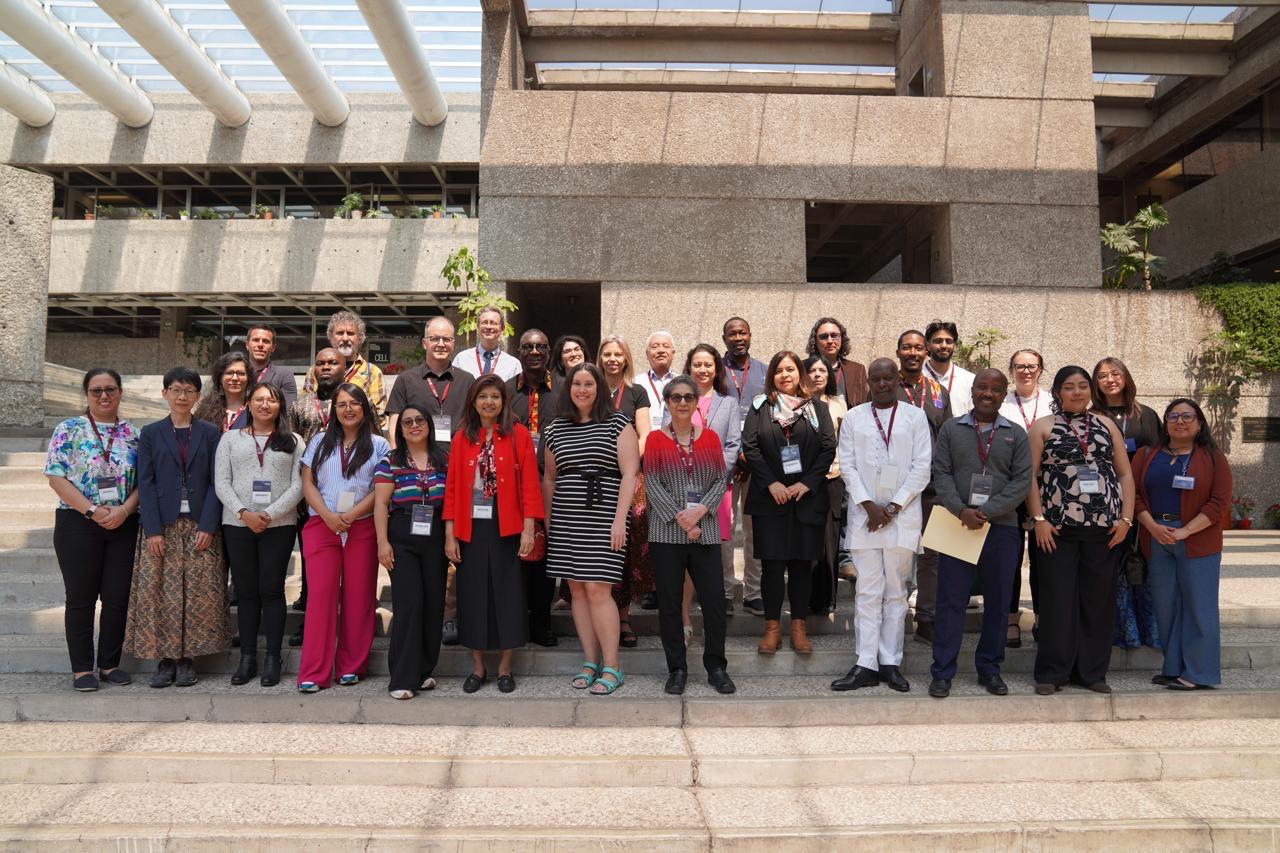
Bringing together researchers from diverse disciplines and regions, this 2-day conference highlighted the overlapping drivers of migration and the lived realities behind them. Through comparative case studies, quantitative modelling tools, and global collaborations, the panellists discussed why people move and what these patterns mean for future research and policy.
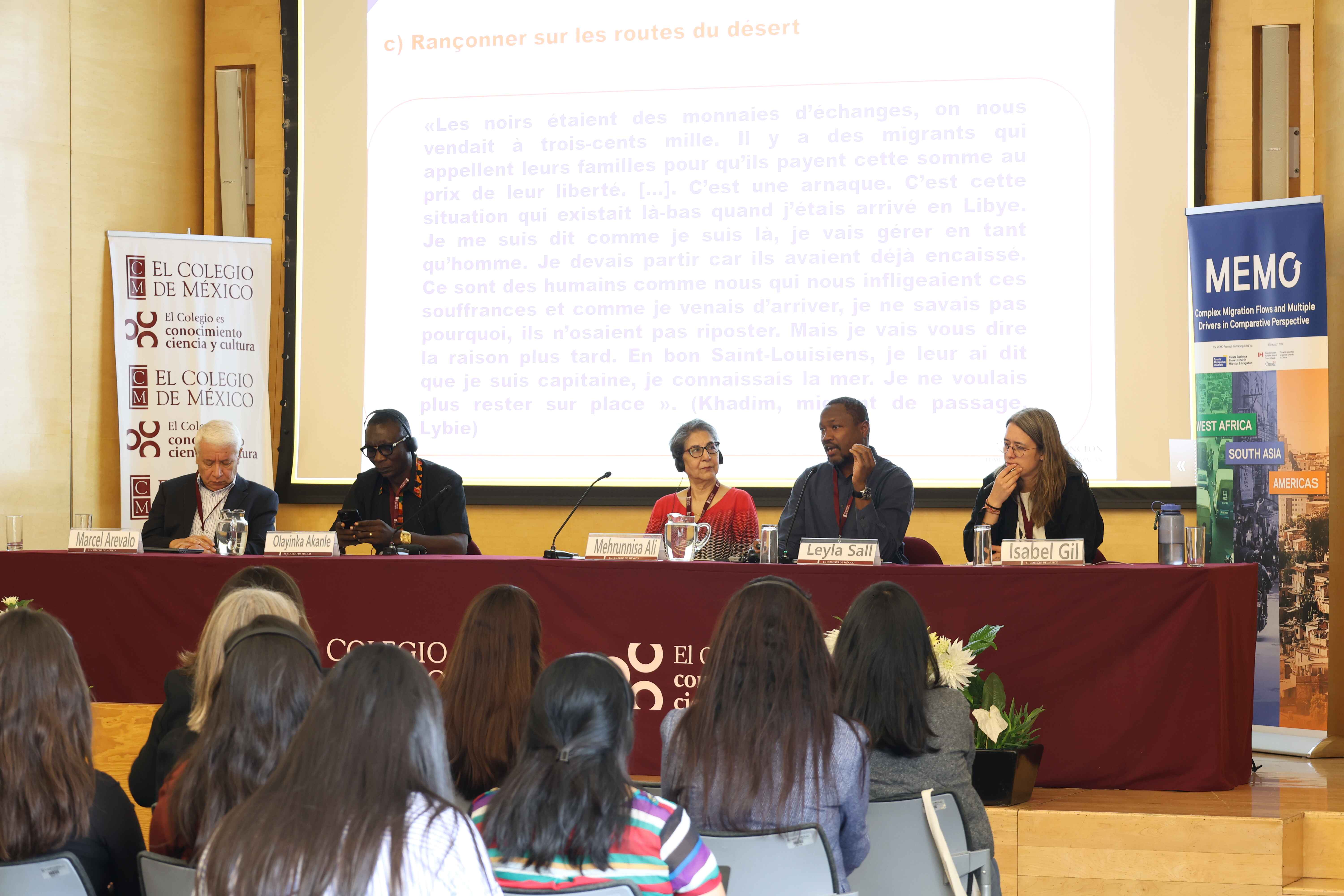
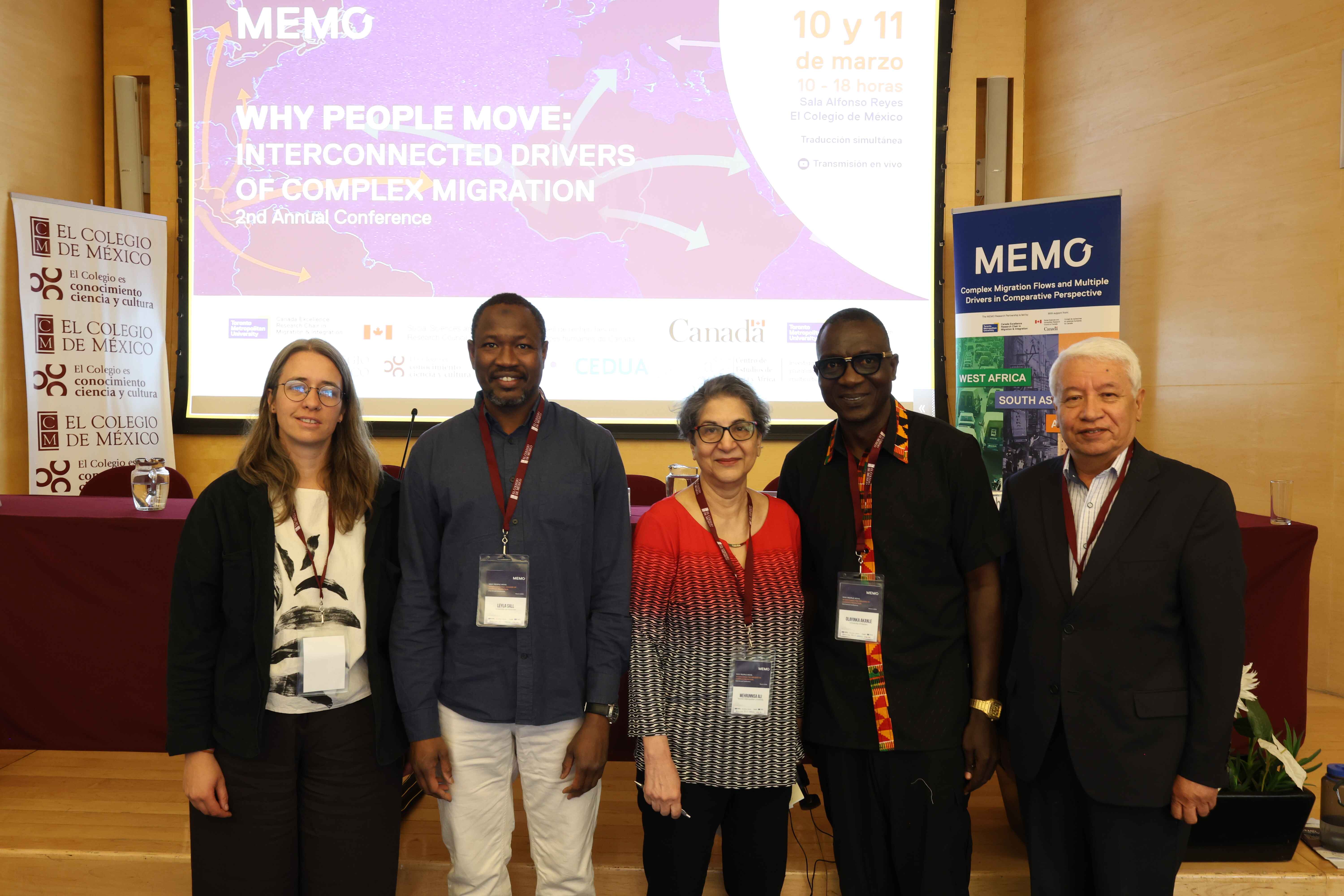
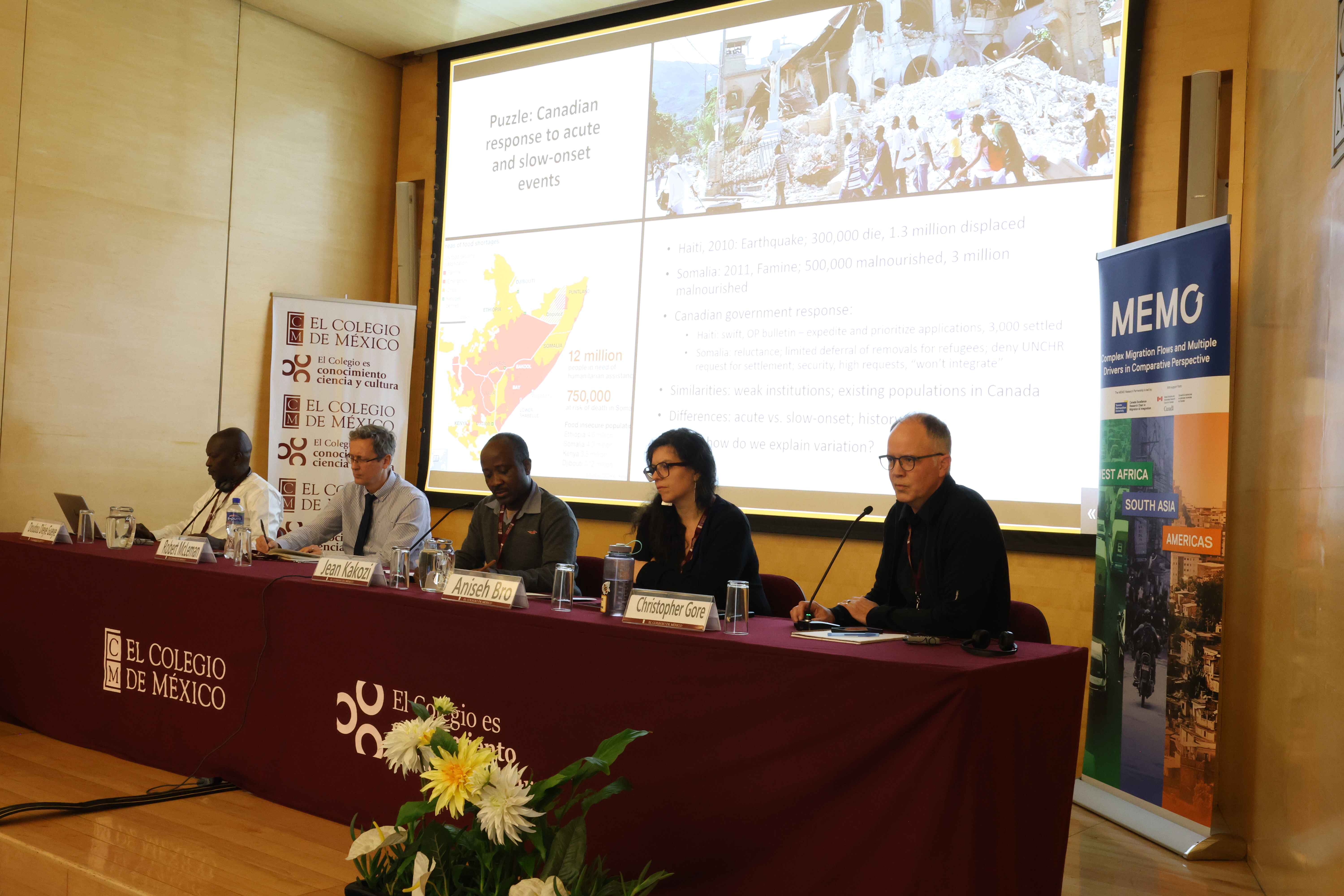

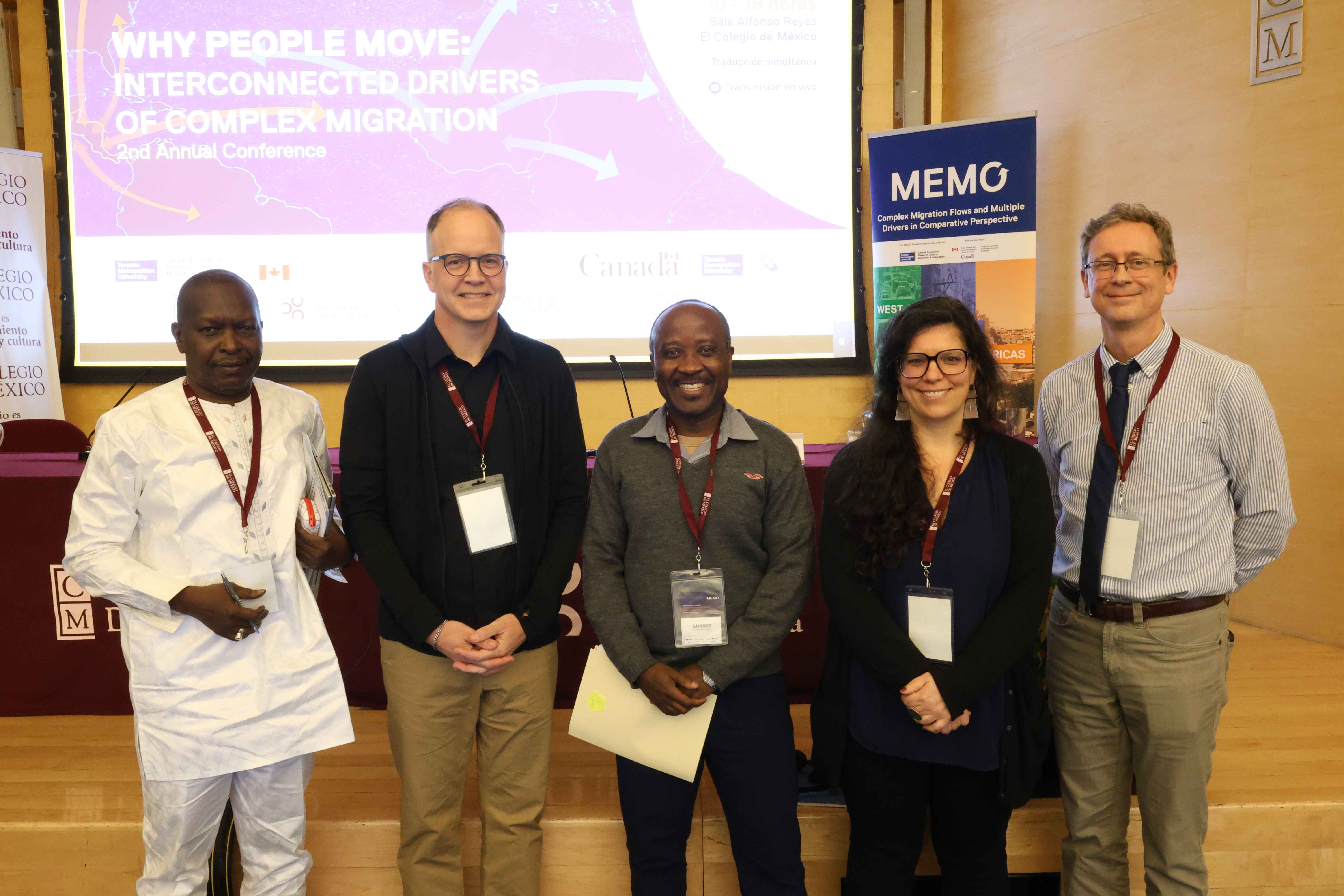
For more details about the MEMO Second Annual Conference, "Why People Move: Interconnected Drivers Of Complex Migration", including session recordings, please click [HERE (external link) ]
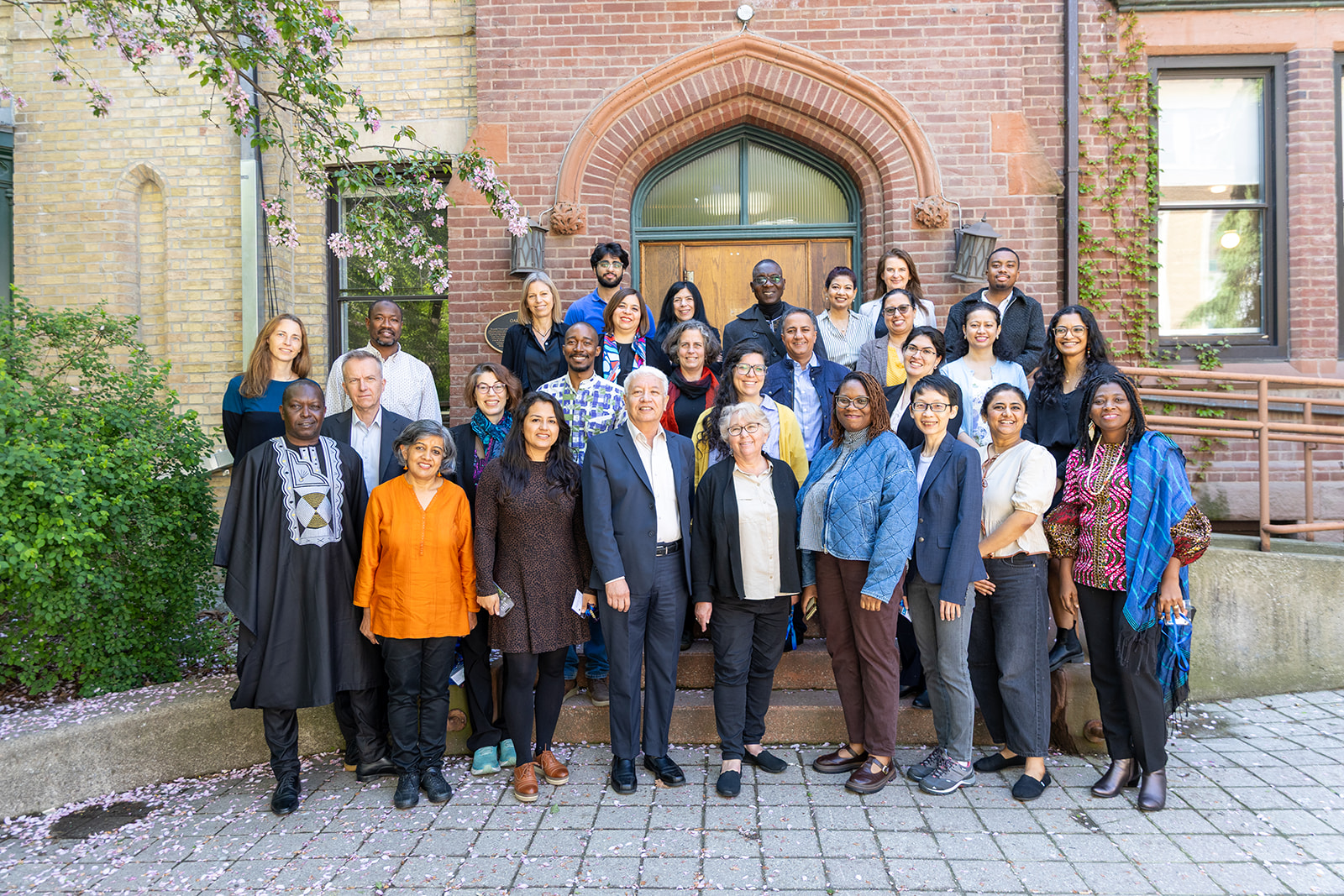
International Migration: From Root Causes to Drivers – Joint Conference Between CERC Migration, MEMO Partnership Grant, and Bridging Divides
This conference examined the multiple drivers of migration, including social, economic, political, and environmental, as well as the ways in which they shape decision-making. It brought together a diverse group of stakeholders in the field of migration, including leading researchers, academics, policy-makers, students, and people from civil society organizations.
.jpg)

.jpg)
.jpg)
.jpg)
.jpg)
.jpg)
.jpg)
.jpg)
.jpg)
For more information about the joint conference between CERC Migration, MEMO Partnership Grant, and Bridging Divides, "International Migration: From Root Causes to Drivers," please click [HERE]
Public Engagement
Nepalis speak about their journeys to and lives in Canada - Nepal Now. (2026, March 21). Buzzsprout. https://nepalnowpod.buzzsprout.com/1839347/episodes/18884053 (external link)
Martin, P. (2025). Destino México: Migración y movilidades [Podcast interview]. With C. Masferrer.
https://migdep.colmex.mx/destinomexico/patricia-martin.html (external link)
Masferrer, C., Shivakoti, R., & Kuhner, G. (2025, February 25). What’s driving migration? (Season 3, Episode 7) [Podcast episode]. In M. Perzyna (Host), Borders and Belonging. CERC Migration, Toronto Metropolitan University.
https://www.torontomu.ca/cerc-migration/borders-and-belonging/#!tab-174040347522 6-ep--7
University of Ghana. (2025). Canada Excellence Research Chair in Migration and Integration calls for regional cooperation in migration governance. https://cms1.ug.edu.gh/canada-excellence-research-chair-migration-and-integration-call (external link) s-regional-cooperation-migration (external link)
University of Ghana. (2025). Renowned migration scholar visits UG for high-level engagements on collaboration and public lecture. https://cms1.ug.edu.gh/renowned-migration-scholar-visits-ug-high-level-engagements-c (external link) ollaboration-and-public-lecture (external link)
Leyla, S. (2025). Peu de Noirs élus en Atlantique, il reste encore « un long chemin à parcourir » [News article]. Radio-Canada International. https://ici.radio-canada.ca/rci/fr/nouvelle/2136893/mois-noirs-representation-deputes- (external link) atlantique (external link)
Masferrer, C. (2025, January 20). Migraciones hacia Norteamérica en los últimos 25 años. Revista Este País. https://estepais.com/tendencias_y_opiniones/migraciones-hacia-norteamerica-ultimos- (external link) 25-anos/ (external link)

Ghio, D., Hoyos‐Hoyos, S., Liu, G., Kyeremeh, E., McLeman, R., Resch, G., & Mazalek, A. (2026). Modeling the Spatial Interplay Between Migration and Environmental Conditions. Environmetrics, 37(1). https://doi.org/10.1002/env.70070 (external link)
Shivakoti, R., & Nagari, D. (2025). (PDF file) Nepali immigrants in Canada: Complex pathways and experiences. TMCIS and CERC in Migration and Integration Working Paper No. 2025/17.
Hoyos-Hoyos, S., Aleghfeli, Y. K., & Kyeremeh, E. (2025). The promise of satellite imagery in addressing climate displacement (external link) . Forced Migration Review, (76).
García-Guerrero, V. M., Masferrer, C., & Ghio, D. (2025). Envisioning Mexico's migration future: Three scenarios to inform policy and transform narratives. Demographic Research.
Ghio, D., Goujon, A., Natale, F., Alfredo, A., & Petroliagkis, T. (2023). Assessing populations exposed to climate change: A focus on Africa in a global context. Population and Environment, 45(28). https://doi.org/10.1007/s11111-023-00439-y (external link)
Hillmann, F., & Veronis, L. (2025). Navigating the Bermuda Triangle: Exploring the relationship between migration scholarship and migration governance. Cosmopolitan Civil Societies: An Interdisciplinary Journal, 17(1), 1–13. https://doi.org/10.5130/ccs.v17.i1.9651 (external link)
Smith, C. D., & Masferrer, C. (2023). Introduction: Towards a new migration and asylum research agenda for the Americas. International Journal of Migration and Border Studies, 9(1/2), 1–8. https://doi.org/10.1080/15562948.2023.2233082 (external link)
Research Partners