Indigenous Partnerships
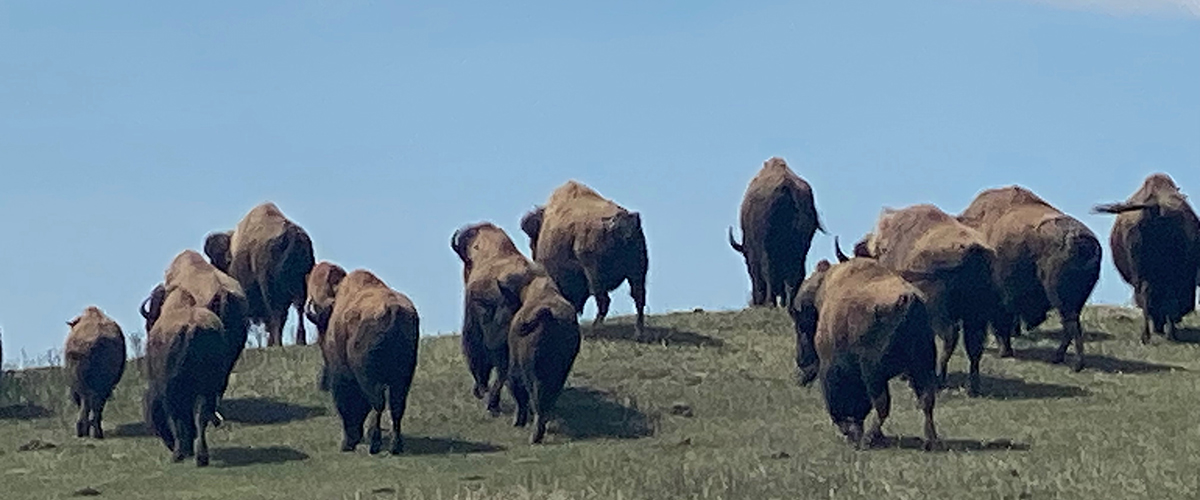
Co-Creating Knowledge
Collaborating with Indigenous communities to support sustainability
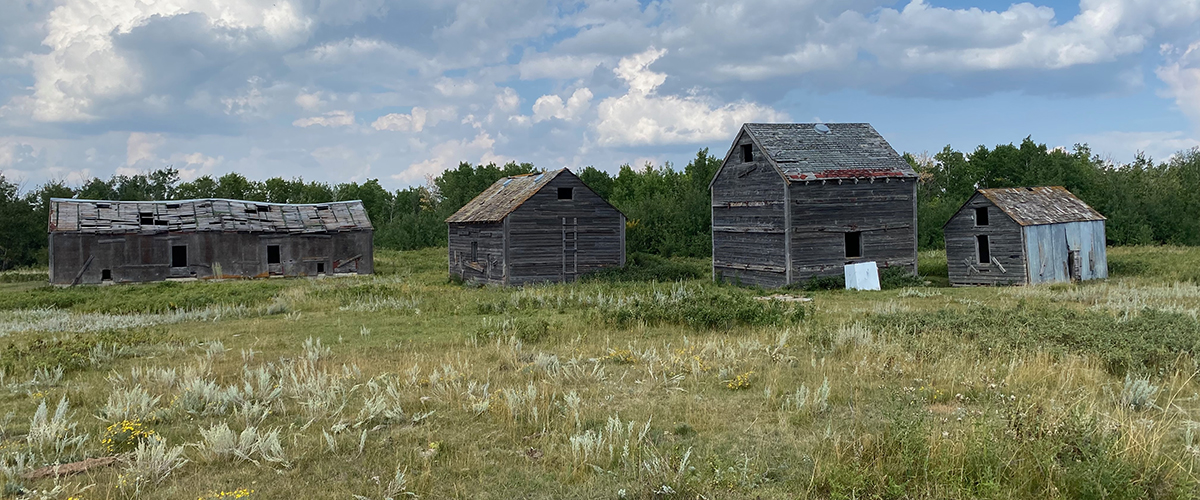
The PolarSEAL Lab recognizes that research is situated within broader social, cultural, and historical contexts. Our approach is grounded in humility and reflection, emphasizing co-learning, continuous unlearning, and the respectful integration of multiple knowledge systems. We actively strive to create partnerships in which both academic and Indigenous knowledge holders learn from one another, ensuring that research processes are collaborative, culturally informed, and responsive to community priorities.
As the principal investigator, I acknowledge my positionality as a non-Indigenous researcher and the limitations of my perspective. I commit to listening, learning, and adapting practices in response to community guidance, elders’ knowledge, and Indigenous governance structures. Our lab does not claim authority over Indigenous knowledge; rather, we seek to support Indigenous leadership, knowledge co-production, and capacity-building initiatives in all projects.
Our work is consistent with the Truth and Reconciliation Commission of Canada’s Calls to Action, particularly those related to education, research, and the recognition of Indigenous knowledge systems. We also align with the National Inuit Strategy on Research, ensuring that Inuit priorities, self-determination, and culturally safe approaches guide our projects. Through this framework, we foster equitable partnerships, acknowledge the limits of our knowledge, and prioritize learning, unlearning, and relearning as central to ethical and responsible research practice.
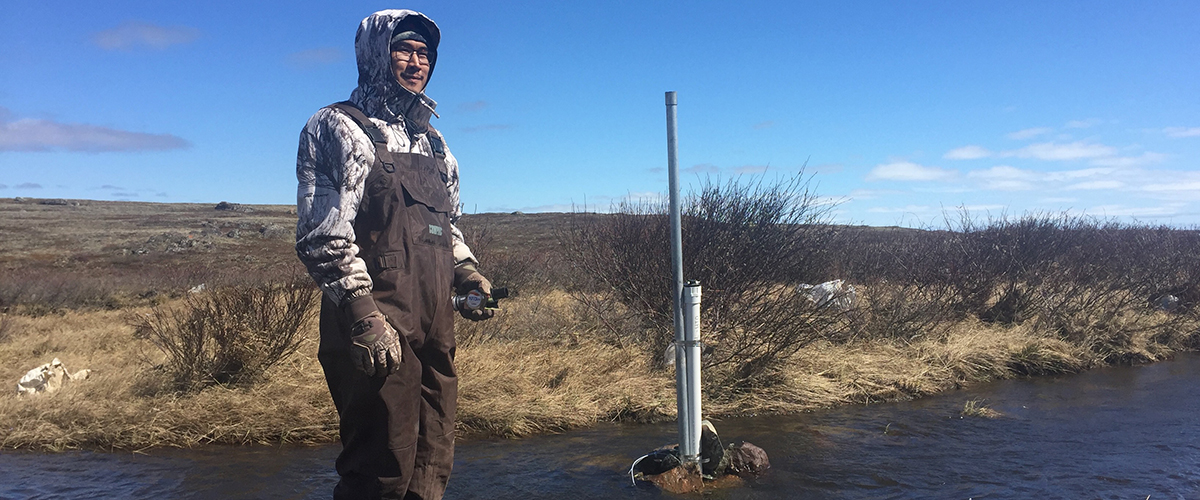
Inuit Communities – Water, Climate, and Health Monitoring
Dr. Atkinson has collaborated with Inuit communities across Nunavut to advance community-led climate, water, and health monitoring in the Kivalliq and Kitikmeot regions. These projects focus on ensuring safe and sustainable access to local water sources while building local research capacity and leadership, particularly among youth.
Key Research Themes:
Climate impacts on water systems and quality
Community-based health monitoring related to water consumption
Integration of traditional knowledge with scientific methods
Youth engagement and capacity building in environmental monitoring
Methods:
Hands-on data collection of climate, hydrology, and water quality indicators
Multi-depth soil and permafrost sensors to monitor environmental changes
Participatory mapping, storytelling, and documentation of local knowledge
Training community members in field and laboratory techniques
Collaborative data analysis and reporting to support local decision-making
Monitoring programs have been implemented in Pond Inlet, Qamani’tuaq (Baker Lake), and Taloyoak (Spence Bay). These projects combine historical knowledge with modern scientific techniques to assess risks from climate change, land-use shifts, and emerging environmental threats. The data collected supports community adaptation planning, source water protection, and policy development, while fostering youth engagement, leadership, and knowledge transfer.
We are looking to expand these partnerships to additional communities interested in co-developing monitoring programs for water quality, climate, and health. If your community or organization is interested in collaborating, please reach out to Dr. Atkinson to explore potential partnerships.
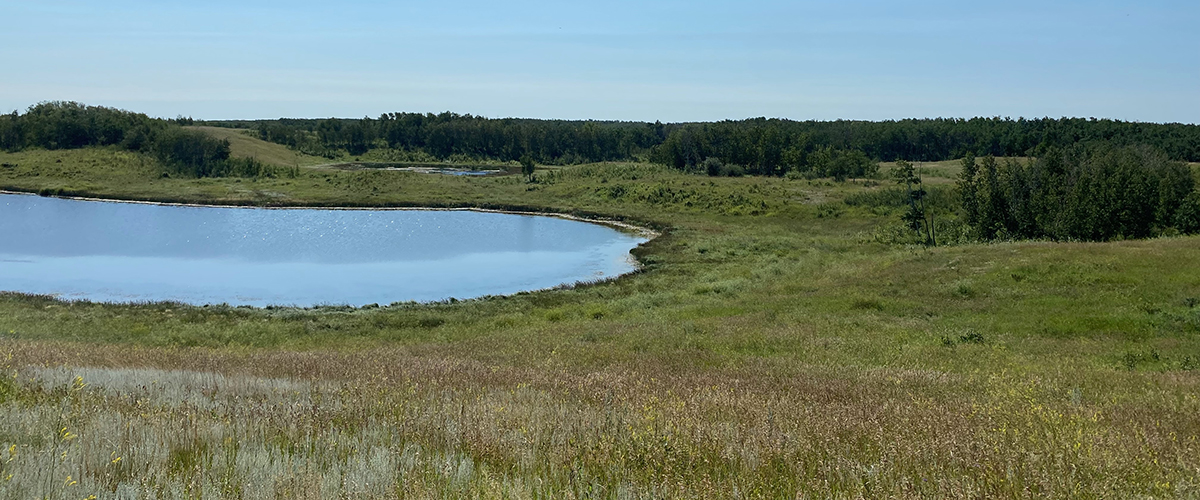
Saskatchewan First Nations – Indigenous Conservation and Sustainable Traditional Foods
Dr. Atkinson collaborates with Indigenous communities in Saskatchewan to support community-led conservation and sustainable traditional food systems. These projects focus on maintaining biodiversity, protecting culturally significant lands, and ensuring access to traditional plants and animals, while fostering community capacity, leadership, and participatory research.
Key Research Themes:
Sustainable management of traditional food systems (plants and wildlife)
Integration of Indigenous knowledge with spatial and environmental science
Community engagement, capacity building, and participatory governance
Methods:
RPAS (drone) mapping and remote sensing for vegetation, terrain, and habitat analysis
Multi-spectral and LiDAR data collection for high-resolution ecological monitoring
Object-Based Image Analysis (OBIA) for habitat classification and change detection
Participatory mapping, storytelling, and workshops to document local knowledge and land use
Collaborative planning and governance strategies to support long-term sustainability
Current partnerships include communities such as Pheasant Rump Nakota, Muskowekwan, Kawacatoose, and Day Star First Nations, where research supports sustainable grazing, ecosystem health monitoring, and protection of traditional food sources. Projects emphasize co-creation, with community members actively involved in project design, fieldwork, and data interpretation, ensuring that research outcomes are relevant, culturally grounded, and actionable.
We are looking to expand these partnerships to additional communities interested in Indigenous-led conservation, sustainable food systems, and participatory research. If your community or organization would like to explore collaboration opportunities, please contact Dr. Atkinson to discuss potential projects.