Unlocking the fairness dilemma: why some conservatives hesitate on fair-trade, and how a sense of superiority might change that
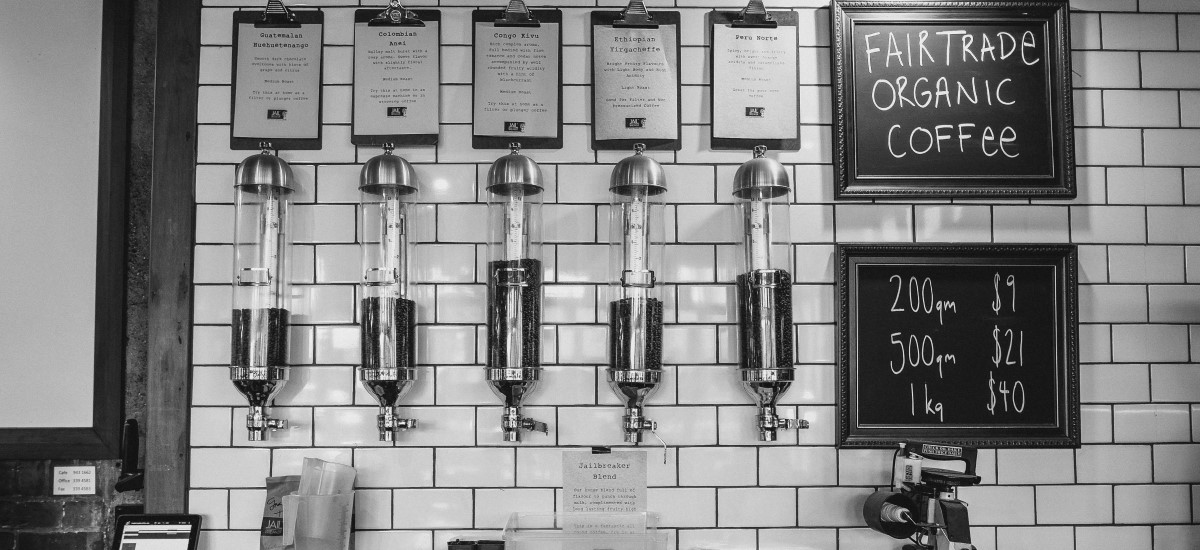
Photo by Tim Foster (external link, opens in new window) on Unsplash (external link, opens in new window)
Buying fair-trade products is often seen as a way to fight poverty and promote fairness in the production process. However, not everyone is on board with this idea. This research aimed to understand why some people, especially those with conservative views, might be resistant to choosing fair-trade options. The study confirms earlier findings that your political beliefs can influence whether you prefer fair-trade products. In simple terms, conservatives are less likely to go for fair-trade compared to liberals. But here's where it gets interesting – we dug deeper to figure out why this happens. Through five different studies, we found that something called "Social Dominance Orientation" (SDO) can explain this relationship. It's basically a measure of how much someone prefers social hierarchies. The higher the SDO, the less likely they are to choose fair-trade products. Importantly, we ruled out other possible reasons, like emotions or personal motivations. However, we also discovered a fascinating twist. When conservative individuals associated buying fair-trade products with feeling superior to others, their preference for fair-trade went up. So, it seems like linking fair-trade consumption to a sense of superiority can change the game for conservative consumers. These findings are not just interesting for understanding why some people hesitate to choose fair-trade; they also have practical implications. For marketers and policymakers aiming to promote fair-trade, understanding these psychological factors can help bridge the gap between attitudes and actions and contribute to building a more equitable society. Gohary, A., Madani, F., Chan, E. Y., & Tavallaei, S. (2023). Political ideology and fair-trade consumption: A social dominance orientation perspective (external link, opens in new window) . Journal of Business Research, 156, 113535.