Panelists


Ginella Massa is an award-winning Canadian broadcast journalist, media consultant, and sought after public speaker. She is best known for making history as North America’s first hijab-wearing national news anchor as the primetime host of “Canada Tonight with Ginella Massa” on the country’s national public broadcaster. As the CEO of Massa Media & communication Inc., Ginella’s more than 14 years of experience in broadcast news has offered her an insider perspective to media relations and strategic communications. She has a passion for working with local community groups, helping bridge the media literacy gap, and change the narrative of marginalized communities.
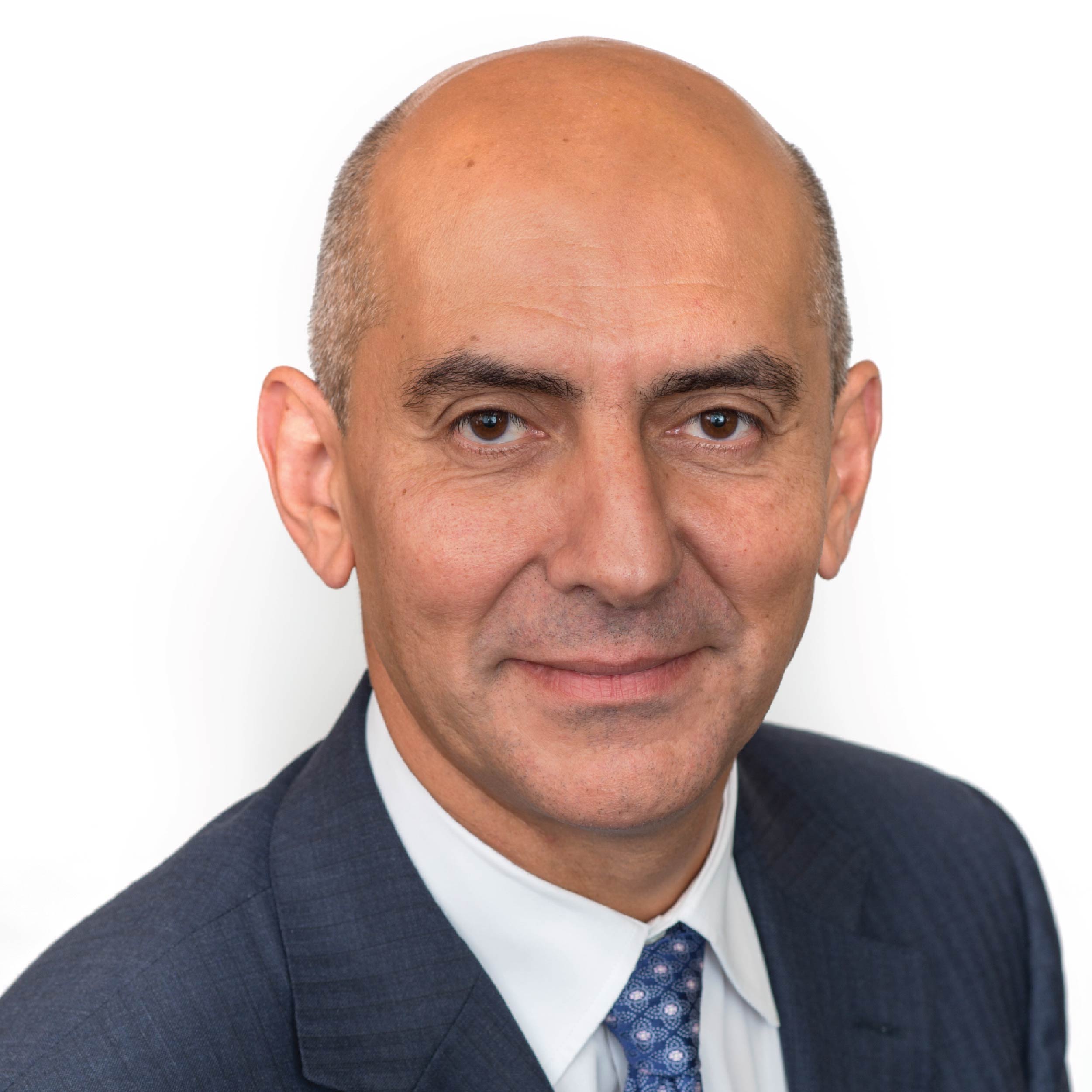
Pedro Antunes is the Chief Economist at The Conference Board of Canada where he provides insights and general direction for economic products, which include reports and economic indicators about Canada, its regions, and sectors. He provides professional testimony before parliamentary and senate committees along with media appearances in both English and French. Pedro is widely sought to speak to industry leaders and decision-makers on a wide range of issues and topics impacting Canadians.
Pedro started his professional career in 1987 with the Canadian forecast team at the Bank of Canada, joining the Board in 1992 as part of the provincial forecast team. Over time, he had responsibility for the economic analysis of different provinces and sectors. He also worked on several international projects to help decision- makers in Tunisia, Morocco, Jordan, and Ukraine develop appropriate forecasting and policy analysis tools. Among other topics, Pedro has researched the impact of Canada’s demographic change on labour markets, the fiscal sustainability of health care, productivity, and long-term economic growth.
Pedro’s recent work has taken him on a deep dive into Canada’s productivity problem, shedding light on the fact that Canada’s productivity “emergency” is concentrated in a few key industries. His other research has helped separate fact from fiction on immigration and inequality. Pedro recently contributed to a major financed research project that quantifies the most probable path for Canada’s greenhouse gas emissions under the federal government’s Emissions Reduction Plan.
Pedro guides our forecast team in producing the highest quality and most trusted forecasts. From model development to making critical calls about downturns, he has been instrumental in building the Conference Board’s reputation as the go-to organization for understanding how change impacts our economy across provinces and territories.
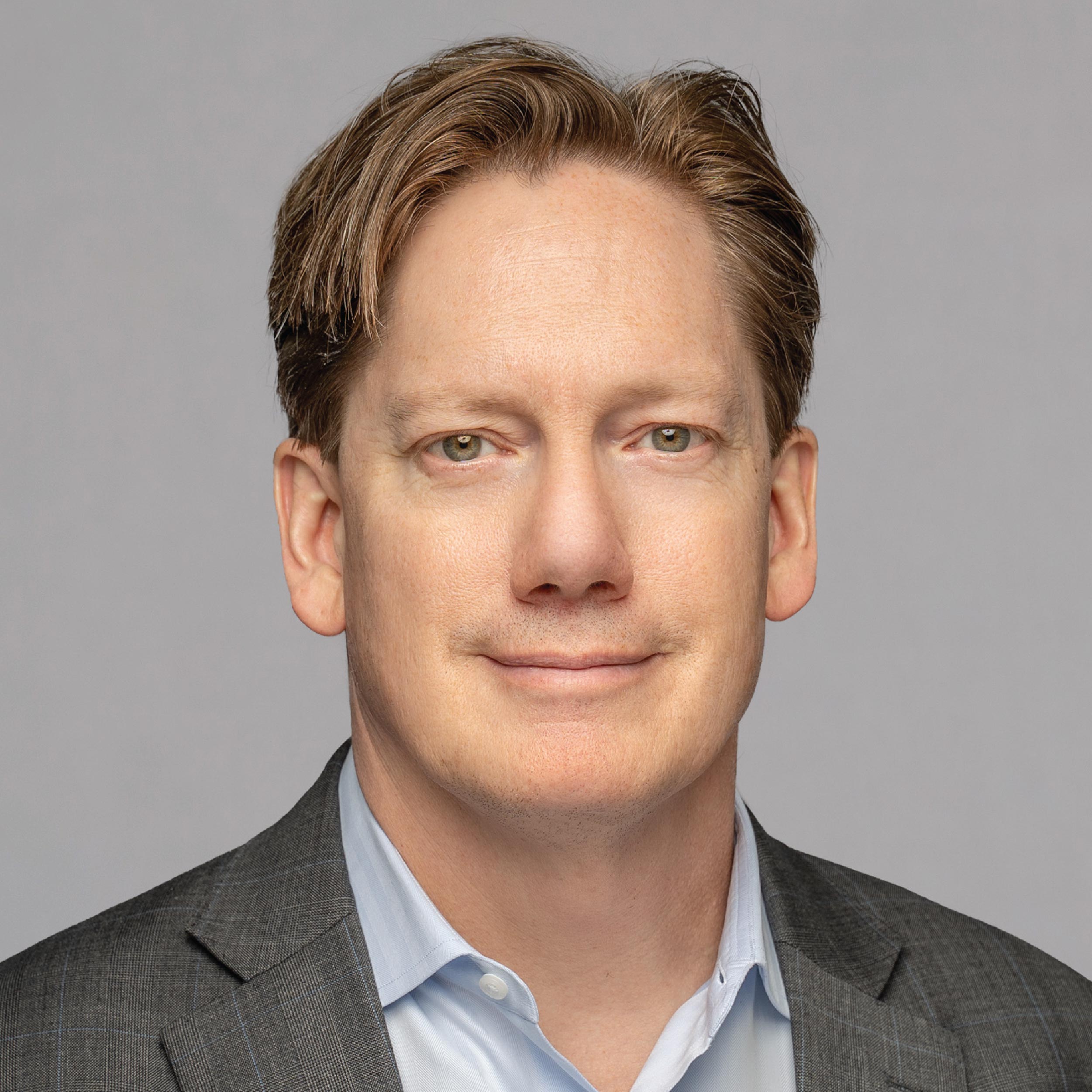
Andrew Parkin is Executive Director at the Environics Institute. He has over 25 years of experience leading public policy research on a variety of issues related to federalism and democracy, education and social policy, and the Canadian political community. His career has been driven by a commitment to bringing diverse interests together, mobilizing evidence to inform decision-making and deliberation, and bridging the gap between policy research and public dialogue.
Andrew has previously held a variety of senior positions including Director of the Mowat Centre, Director General of the Council of Ministers of Education Canada (CMEC), Associate Executive Director and Director of Research and Program Development at the Canada Millennium Scholarship Foundation, and Co-Director of the Centre for Research and Information on Canada.
A political sociologist by background, he completed his post-doctorate at Dalhousie University, his Ph.D. at the University of Bradford (U.K.), and his B.A. (Honours) at Queen’s University. He has received several academic honours, including a Commonwealth Scholarship and a Killam Postdoctoral Fellowship. He has authored or co-authored numerous publications on Canadian public policy, and is a frequent commentator in both English- and French-language media.
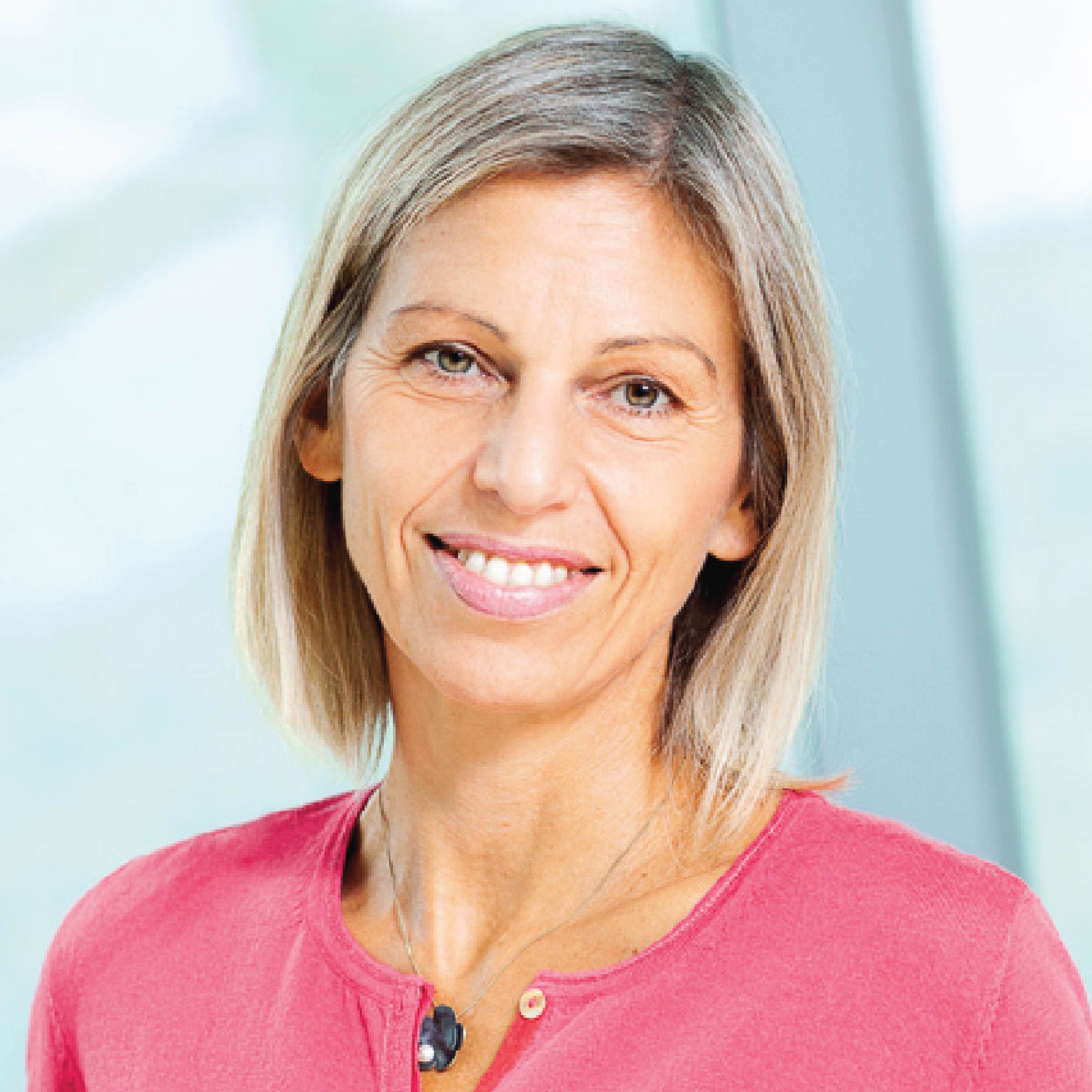
Anna Triandafyllidou is the Canada Excellence Research Chair in Migration and Integration at Toronto Metropolitan University, the Scientific Director of Migrant Integration in the Mid 21st Century: Bridging Divides research program, as well as Founding Director of the Global Migration Institute. Before joining TMU in 2019, she held the Robert Schuman Chair at the European University Institute in Florence. A renowned sociologist and migration policy expert, her interdisciplinary research spans migration governance, asylum policies, cultural diversity, nationalism, and identity. Professor Triandafyllidou has coordinated over 30 international projects and published more than 180 journal articles, six authored books, and 30 edited volumes. In 2021, she received an honorary doctorate from the University of Liège for her scholarly contributions.

Teresa Woo-Pau is a tireless advocate for diversity, social inclusion and active civic participation for almost 50 years. She is known for her ability to bring diverse people together to join efforts, break new grounds and create societal bigger impacts. She is the first Canadian woman of Asian descent elected to the Calgary Board of Education (1995-2000), the Alberta Legislature and Cabinet Minister in Alberta (2008-2015). Teresa holds a Bachelor of Arts degree in social work from the University of Calgary. She founded and built eight non-profit entities over a span of 45 years including Action Dignity (Ethno-Cultural Council of Calgary) and DiverseCities (Calgary Chinese Community Service Association). She has worked with almost 100 organizations in Canada. Teresa was appointed Governor in Council and has been the Chair of the Canadian Race Relations Foundation since 2018. She is the Founder and Chair of Actions, Chinese Canadians Together-ACCT Foundation, and she created the Inspire to Lead Chinese Canadian Leaders’ Summit and the Aspire to Act Leadership Training Program. Teresa created the Asia Canadians Together -ACT2EndRacism Network and is now Co-Chair of the National Council of Asian Canadians. Teresa is founder and current Chair of Asian Heritage Foundation; Board member of Calgary Arts Foundation; City of Calgary- Chinatown Working Group.
Teresa is a regular presenter on issues of equity, inclusion and leadership at conferences, post-secondary, business, professional, public institutions and civil society education sessions and events.
Anna Triandafyllidou is the Canada Excellence Research Chair in Migration and Integration at Toronto Metropolitan University, the Scientific Director of Migrant Integration in the Mid 21st Century: Bridging Divides research program, as well as Founding Director of the Global Migration Institute. Before joining TMU in 2019, she held the Robert Schuman Chair at the European University Institute in Florence. A renowned sociologist and migration policy expert, her interdisciplinary research spans migration governance, asylum policies, cultural diversity, nationalism, and identity. Professor Triandafyllidou has coordinated over 30 international projects and published more than 180 journal articles, six authored books, and 30 edited volumes. In 2021, she received an honorary doctorate from the University of Liège for her scholarly contributions.
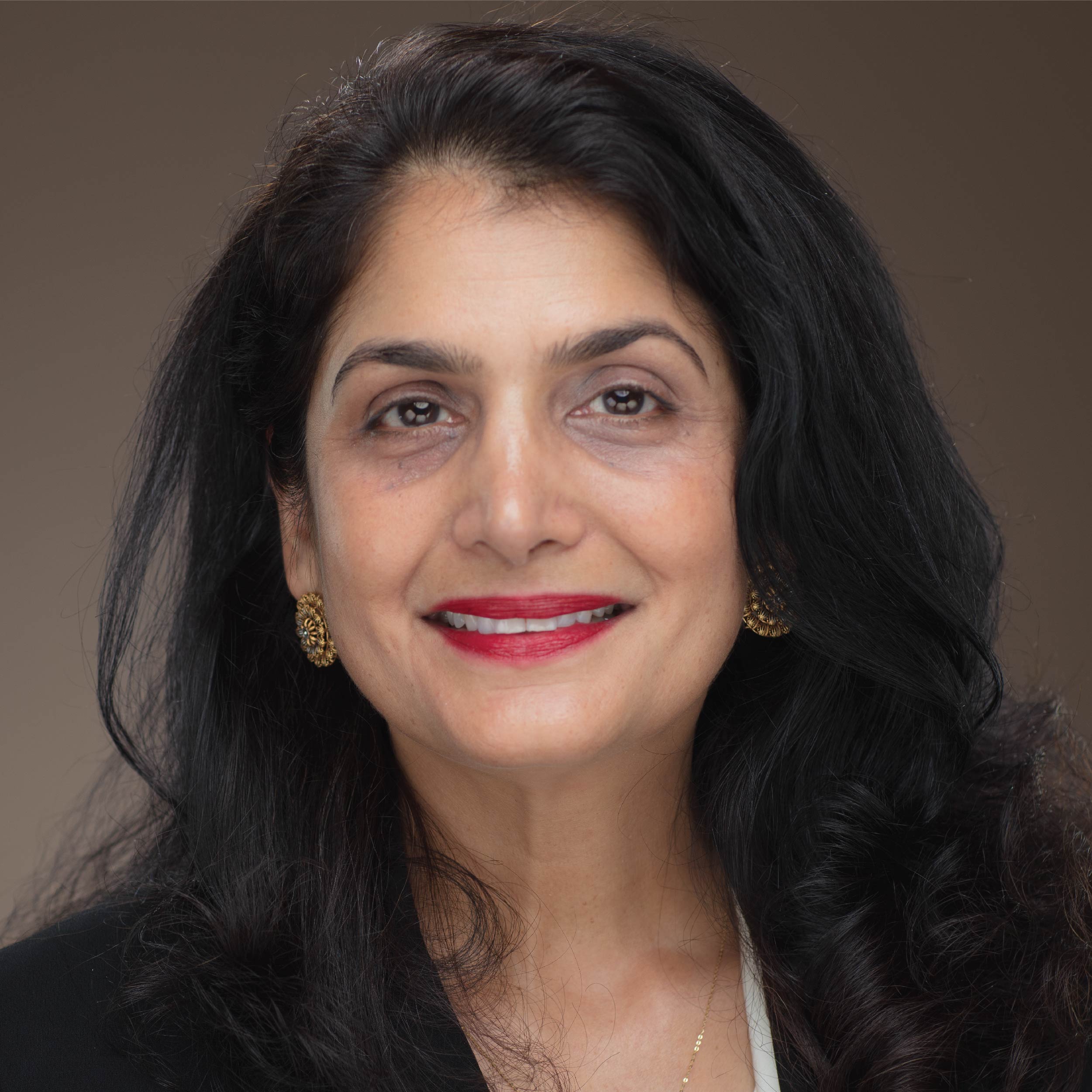
Zahra Babar is Executive Director of the Center for International and Regional Studies at Georgetown University in Qatar. She has several publications on areas related to her research, including: “The Buying of Freedom: Migrant Workers and the Azad Visa in the Gulf,” International Migration (2025), “The 2022 World Cup and Migrants’ Rights in Qatar: Racialised Labour Hierarchies and the Influence of Racial Capitalism,” with N. Vora, The Political Quarterly (2022), “The Vagaries of the In-between: Labor Citizenship in the Persian Gulf,” International Journal of Middle East Studies, (2020), “Purveyors of Dreams: Labour Recruiters in the Pakistan to Saudi Arabia Migration Corridor.” Migration and Development (2020), and “Qatar, the World Cup, and the Global Campaign for Migrant Workers’ Rights,” in Football in the Middle East: State Society and the Beautiful Game, (2022). Her most recent book is a co-edited volume titled Transnational Generations in the Arab Gulf States and Beyond (Springer, 2024).
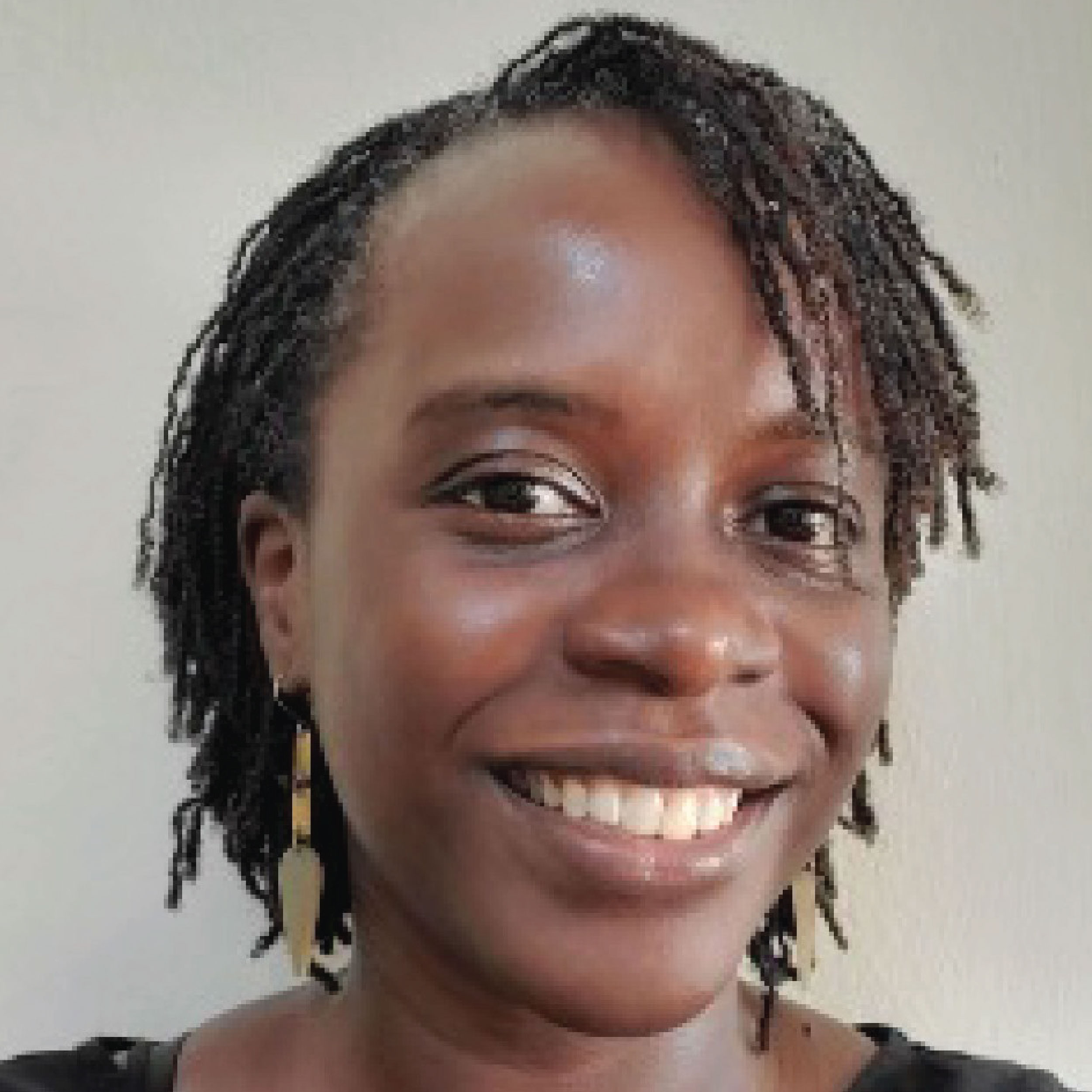
Linda Oucho is a dynamic leader on migration governance and policy, as well as the Executive Director of the African Migration and Development Policy Centre (AMADPOC) in Nairobi, Kenya. She is also a part-time professor at the Migration Policy Centre at the European University Institute in Florence, Italy, where her work focuses on bridging migration research and policy design and implementation. She recently joined CERC Migration as a Scholar of Excellence as an expert in her field. Her diverse research interests encompass migration governance, labour migration, regional integration, free movement in Africa, forced displacement, and irregular migration among others. Linda has spearheaded collaborative projects with renowned organizations like the International Organization for Migration, International Development Research Centre (IDRC), GIZ, among others. She also works closely with governments across Africa and the African Union Commission to drive evidence-based policy solutions for migration challenges.
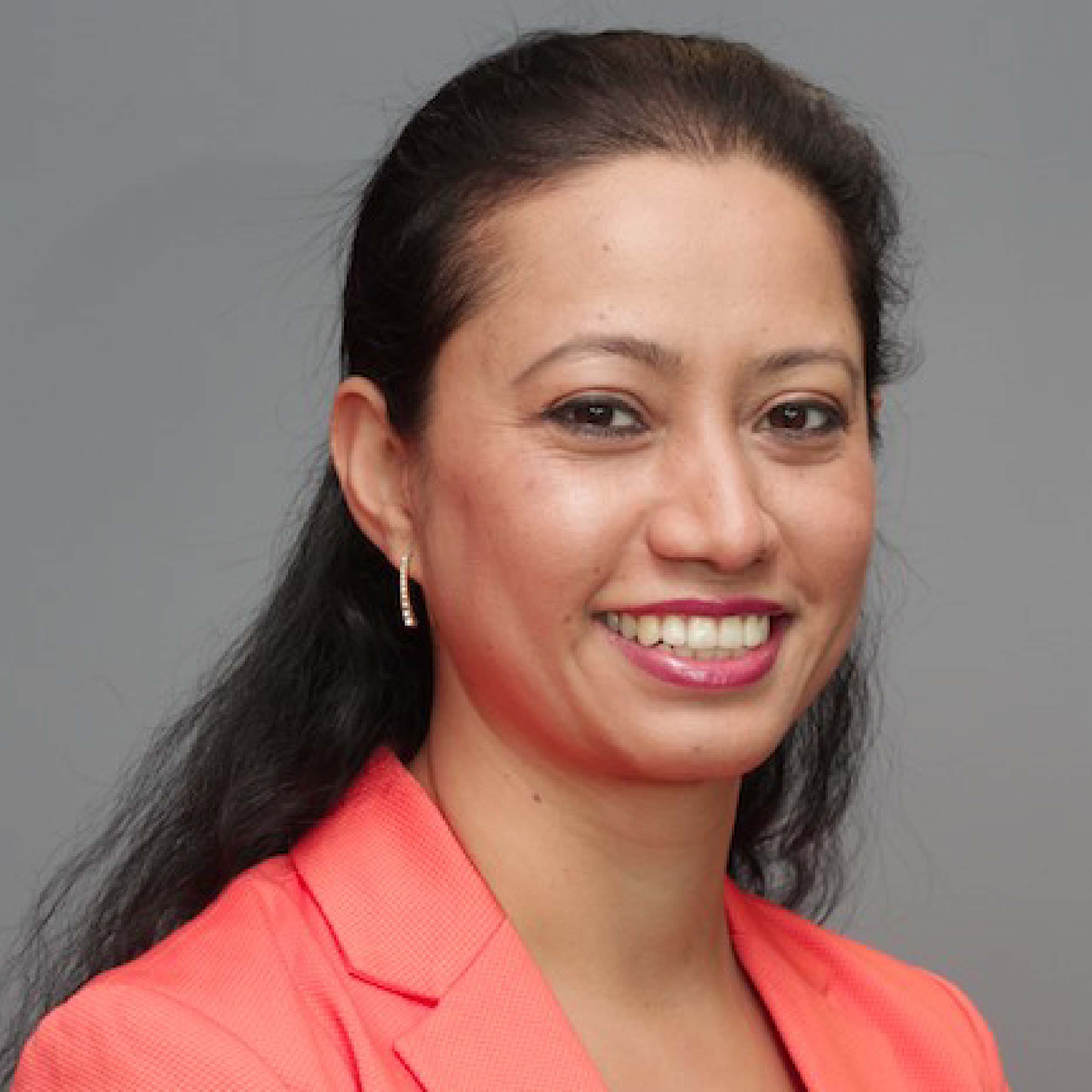
Richa Shivakoti is the Research Lead on Migration Governance at CERC Migration and a Researcher with the Bridging Divides program at Toronto Metropolitan University. Her current research focuses on Multinational migration to Canada; Emigration from Canada and on the impact of migration bans on migrant domestic workers from Ghana. She has also worked on issues related to the governance of labour migration within Asia, particularly between the labour-sending states of South Asia and South East Asia and the labour receiving states in the Middle East. She is an Associate Editor for Comparative Migration Studies and on the advisory board for the Public Administration and Development journal. At CERC Migration, she co-organizes the Migration Winter School on Qualitative Research Methods and serves as an Editor for the CERC Migration/TMCIS working paper series.
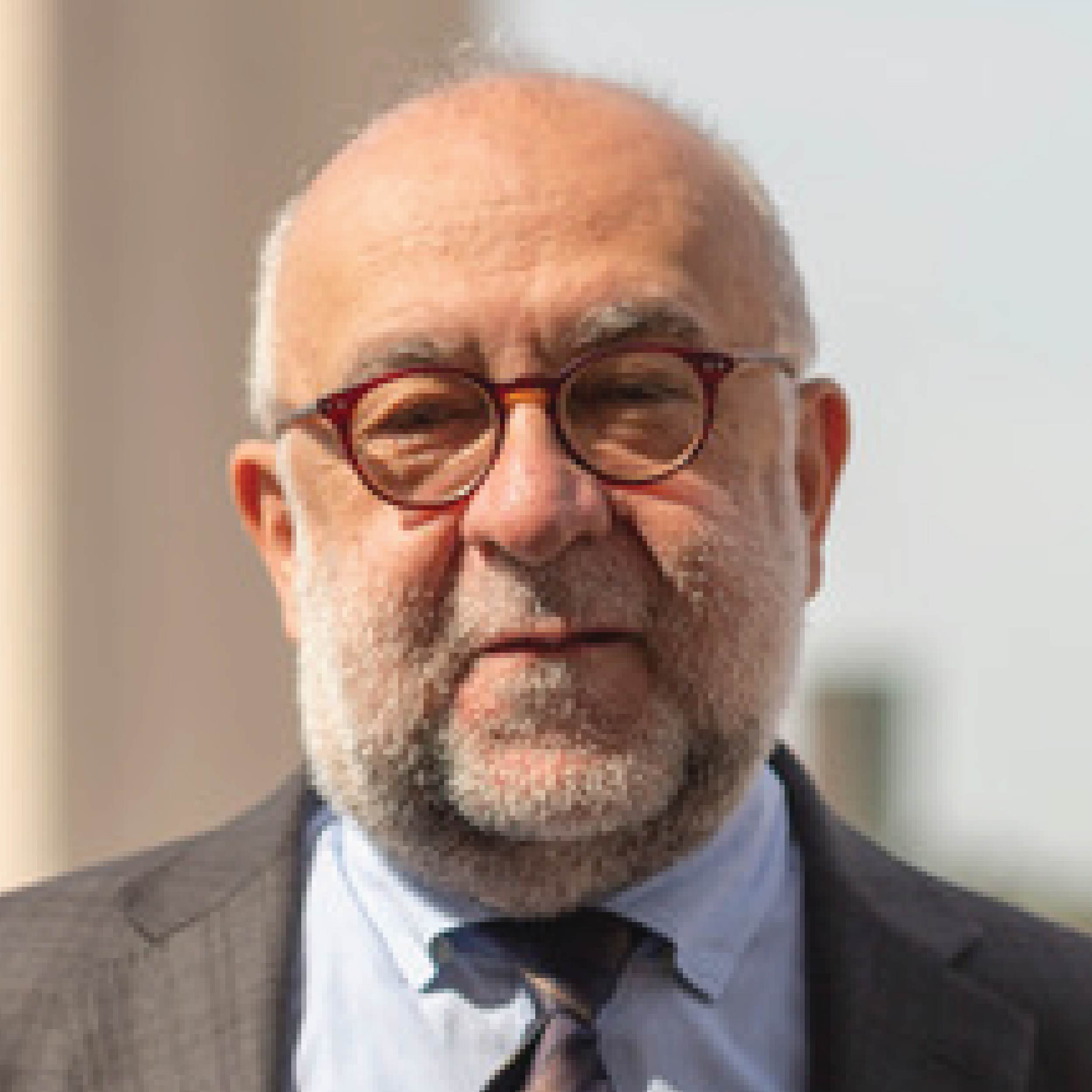
Ahmet İçduygu earned his PhD in Demography from the Australian National University and is currently a full professor at Koç University, holding positions in both the Department of International Relations and the Department of Sociology. He is also the Director of the Migration Research Center at Koç University (MiReKoc). Prof. İçduygu has held visiting professorships at prestigious institutions, including Stockholm University, the University of Warwick, Eyropean University Institute, and the University of Pennsylvania, among others. An elected member of the Science Academy in Turkey, he serves as editor-in-chief of the scholarly journal International Migration. His research and teaching focus on migration studies, citizenship theories and practices, international organizations, civil society, nationalism, and Mediterranean Studies. Prof. İçduygu has conducted studies for notable international organizations, including the International Organization for Migration (IOM), the United Nations High Commissioner for Refugees (UNHCR), and the European Union (EU). He has an extensive publication record, with numerous articles in leading journals such as Ethnic and Racial Studies, Citizenship Studies, International Migration, Population, Space and Place, and Journal of Ethnic and Migration Studies. His authored and edited books include Migration and Transformation: Multi-Level Analysis of Migrant Transnationalism (Springer, 2011), Countries of Migrants, Cities of Migrants – Italy, Spain, Turkey (ISI Press, 2013), and Critical Reflections in Migration Research: Views from the South and the East (Koç University Press, 2014). His forthcoming work, Cities and Forced Displacement, is set to be published by Liverpool University Press in 2026, co-edited with Ricard Zapata.
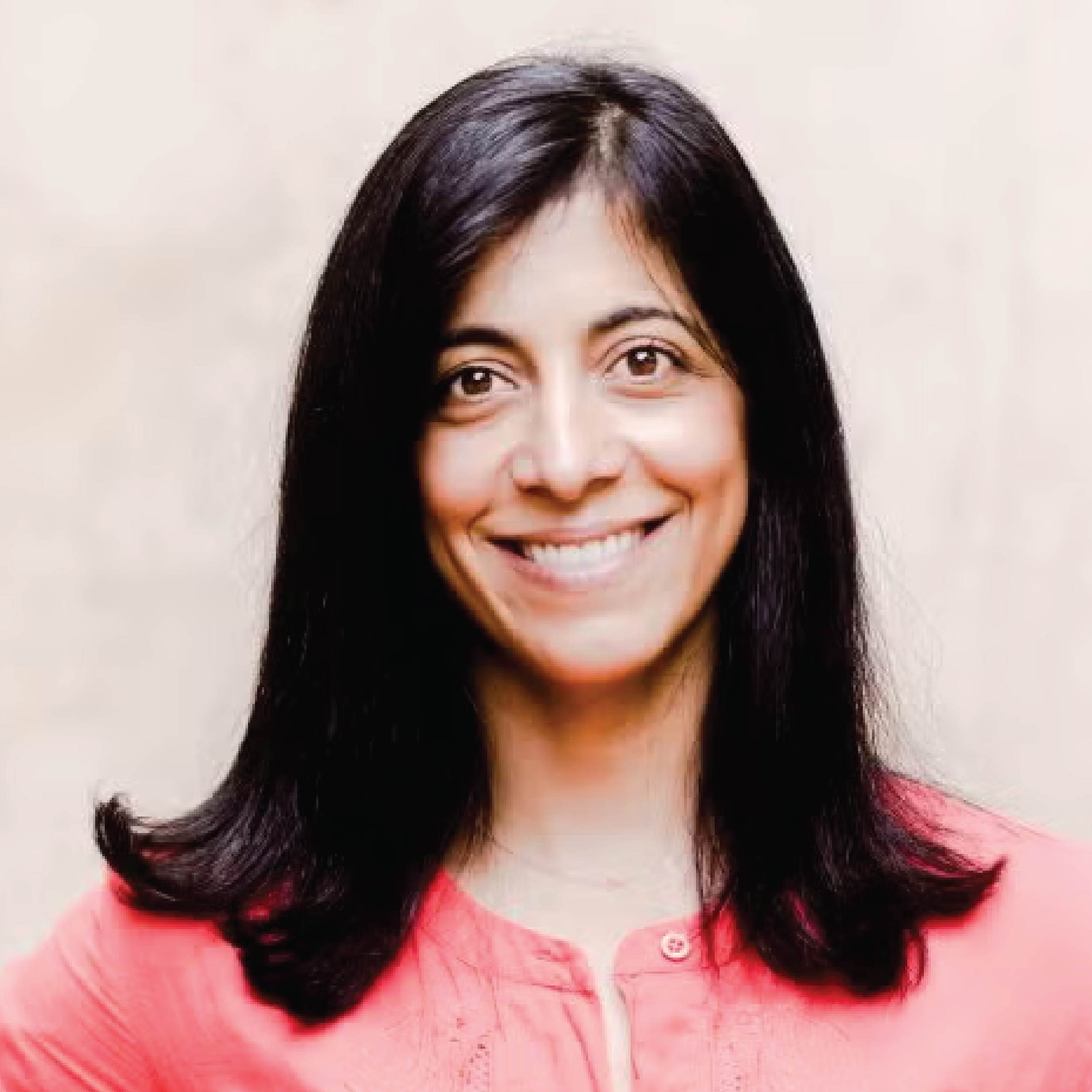
Nassim Majidi is an expert on return and reintegration, and more broadly on durable solutions to displacement, migrant aspirations, and cross border mobility. She co-founded Samuel Hall, a research organisation dedicated to informing migration policy and programmes. Having lived between 2007-2014 in Afghanistan and since 2014 in Kenya, she leads a team of researchers across Africa, Asia, and the Middle East.
She is a Research Associate at the African Centre for Migration and Society at the University of Witwatersrand, South Africa, and the Feinstein International Center at Tufts University, USA. Nassim has published 31 articles and led over 200 studies on migration. In 2015, she was nominated by the Norwegian Refugee Council for the Nansen Refugee Award in recognition of her work on behalf of displaced population. Nassim holds a PhD in International Relations from Sciences Po Paris, France, a MA in International Affairs and Development Studies and a BA from Cornell University, USA.
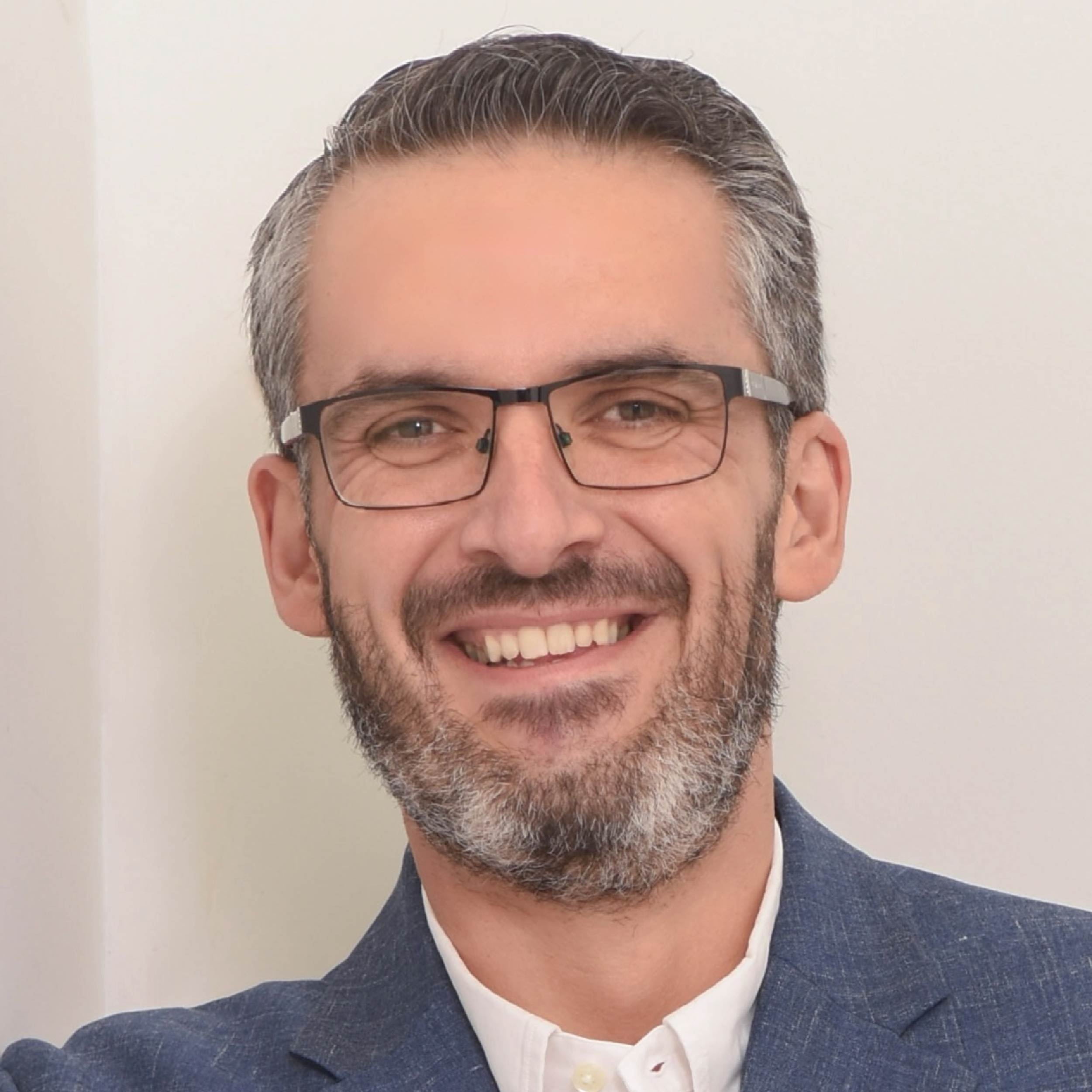
Gerasimos Tsourapas is the 125th Anniversary Chair and Professor of International Relations at the University of Birmingham, and a 2025–26 Jean Monnet Fellow at the European University Institute. He leads the ERC- funded project "The International Politics of Migration Diplomacy," and his research examines the international politics of migration, particularly in the Middle East and the broader Global South. He is Editor- in-Chief of Migration Studies (Oxford University Press).
Panelist details forthcoming.
Anna Triandafyllidou is the Canada Excellence Research Chair in Migration and Integration at Toronto Metropolitan University, the Scientific Director of Migrant Integration in the Mid 21st Century: Bridging Divides research program, as well as Founding Director of the Global Migration Institute. Before joining TMU in 2019, she held the Robert Schuman Chair at the European University Institute in Florence. A renowned sociologist and migration policy expert, her interdisciplinary research spans migration governance, asylum policies, cultural diversity, nationalism, and identity. Professor Triandafyllidou has coordinated over 30 international projects and published more than 180 journal articles, six authored books, and 30 edited volumes. In 2021, she received an honorary doctorate from the University of Liège for her scholarly contributions.
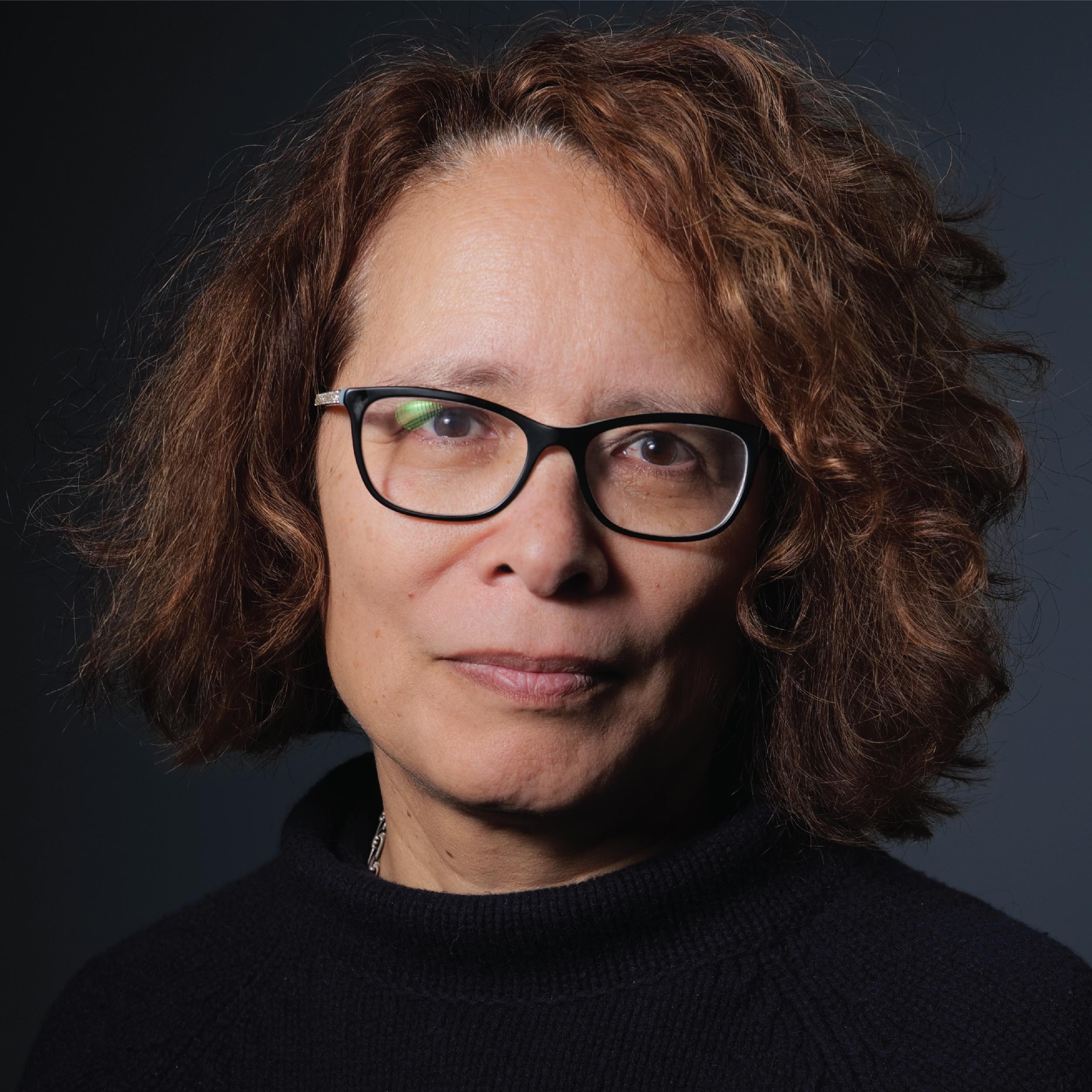
Bridget Anderson is the Director of Migration Mobilities Bristol and Professor of Migration, Mobilities and Citizenship. She is interested in the relation between migration, race, and nation, historically and in the contemporary world. She takes as her starting point that the 'migrant' and the 'citizen' and the differences between them are constructed in law and in social and political practice. She is particularly interested in how immigration laws make particular kinds of employment relationships and her current research includes the EU funded project PRIME – Protecting Irregular Migrants in Europe. Her recent edited volume: Rethinking Migration: Challenging Borders, Citizenship, Race is published by Bristol University Press and is open access.
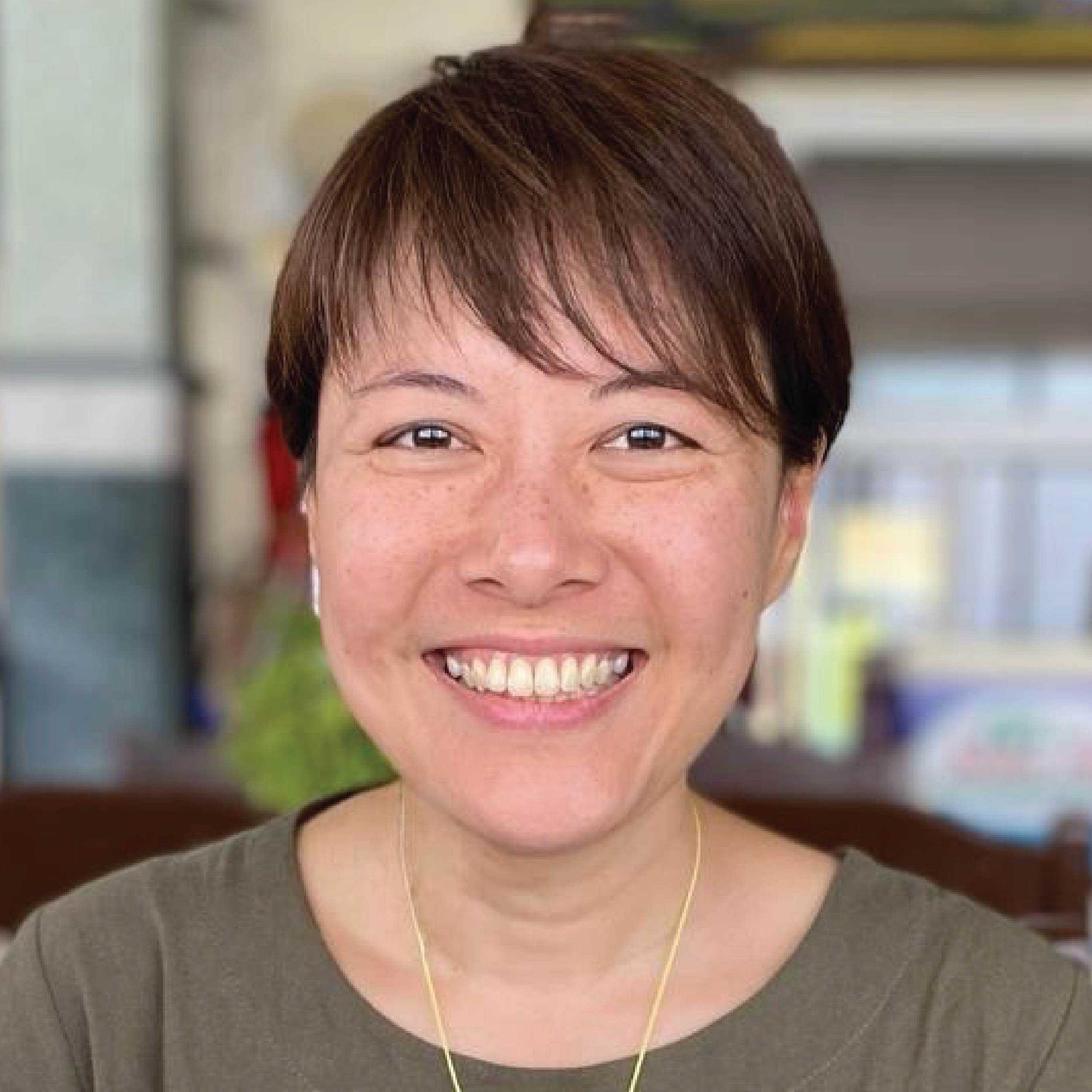
Sylvia Ang is Lecturer in Sociology at Monash University, Australia. Her research advances sociology and migration studies through two key research pillars: 1) theorising race and racism beyond Western contexts and frameworks, and 2) analysing how class, gender and other axes of inequality shape migrants’ lives. She has published in leading journals including the Journal of Ethnic and Migration Studies, Mobilities, and Ethnic and Racial Studies. Her book Contesting Chineseness: Nationality, Class, Gender and New Chinese migrants (Amsterdam University Press) challenged dominant understandings of race and racisms as White–versus–Others by reviving attention to co-ethnic relations. It was awarded the Raewyn Connell prize for best first book.
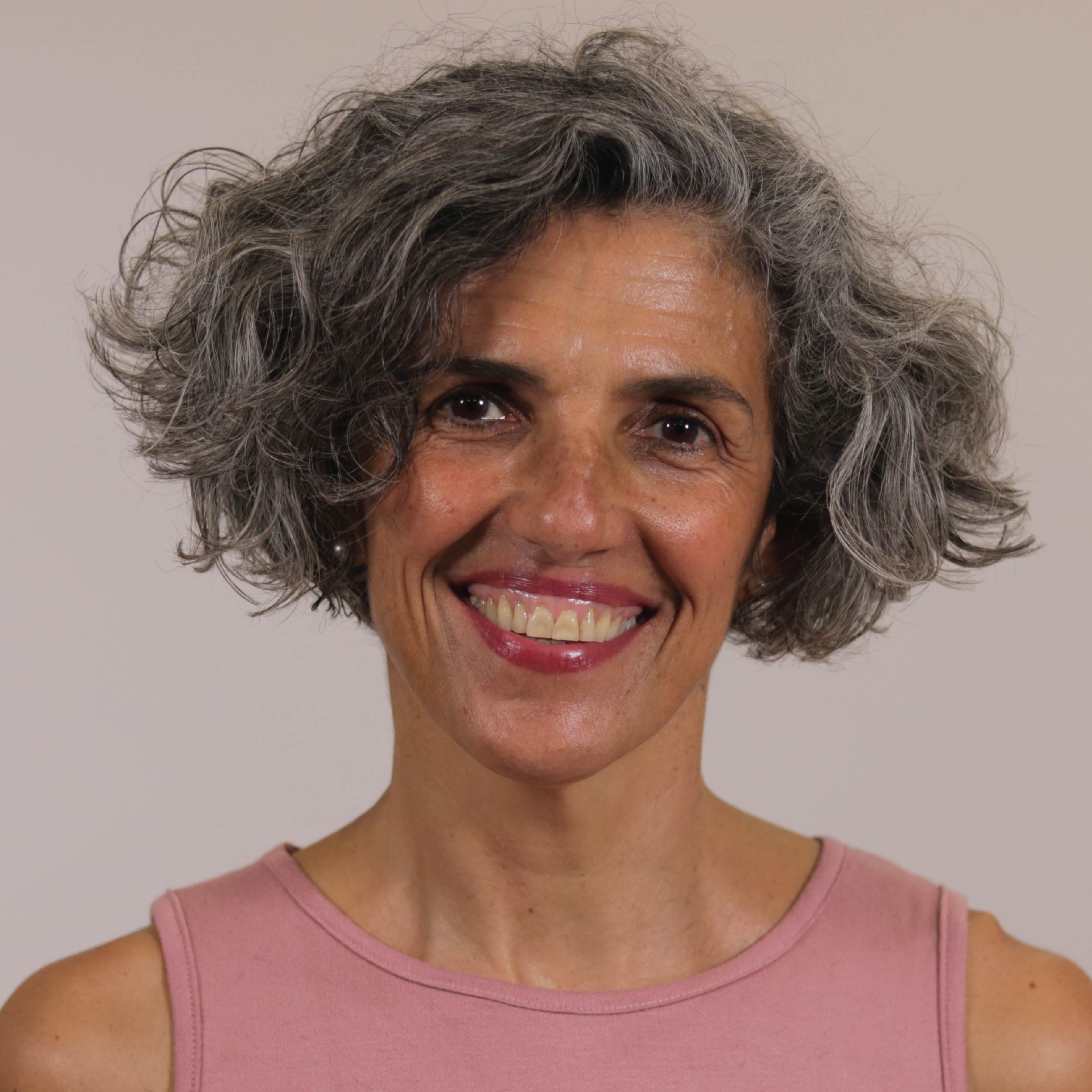
Mercedes Botto holds a Bachelor’s degree in Sociology from the National University of Buenos Aires (UBA, Argentina) and a PhD in Political Science from the European University Institute (EUI, 1999, Florence, Italy). She works as a professor, researcher, and national and international consultant for organizations such as MERCOSUR, INTAL, and UNDP. Her areas of expertise include trade integration processes and, more recently, migration policies and regional migration governance. She is a Tenured Professor (by public competition) in the Political Science program at the University of Buenos Aires and teaches in the Master’s in International Relations and the PhD program at the Latin American Faculty of Social Sciences (FLACSO, Argentina). Since 2004, she has been part of the National Researcher Career (CONICET), and since 2018 she has also served—again through public competition—as Director of the Institute for Social Sciences Research of Latin America (IICSAL), a joint center of CONICET & FLACSO.
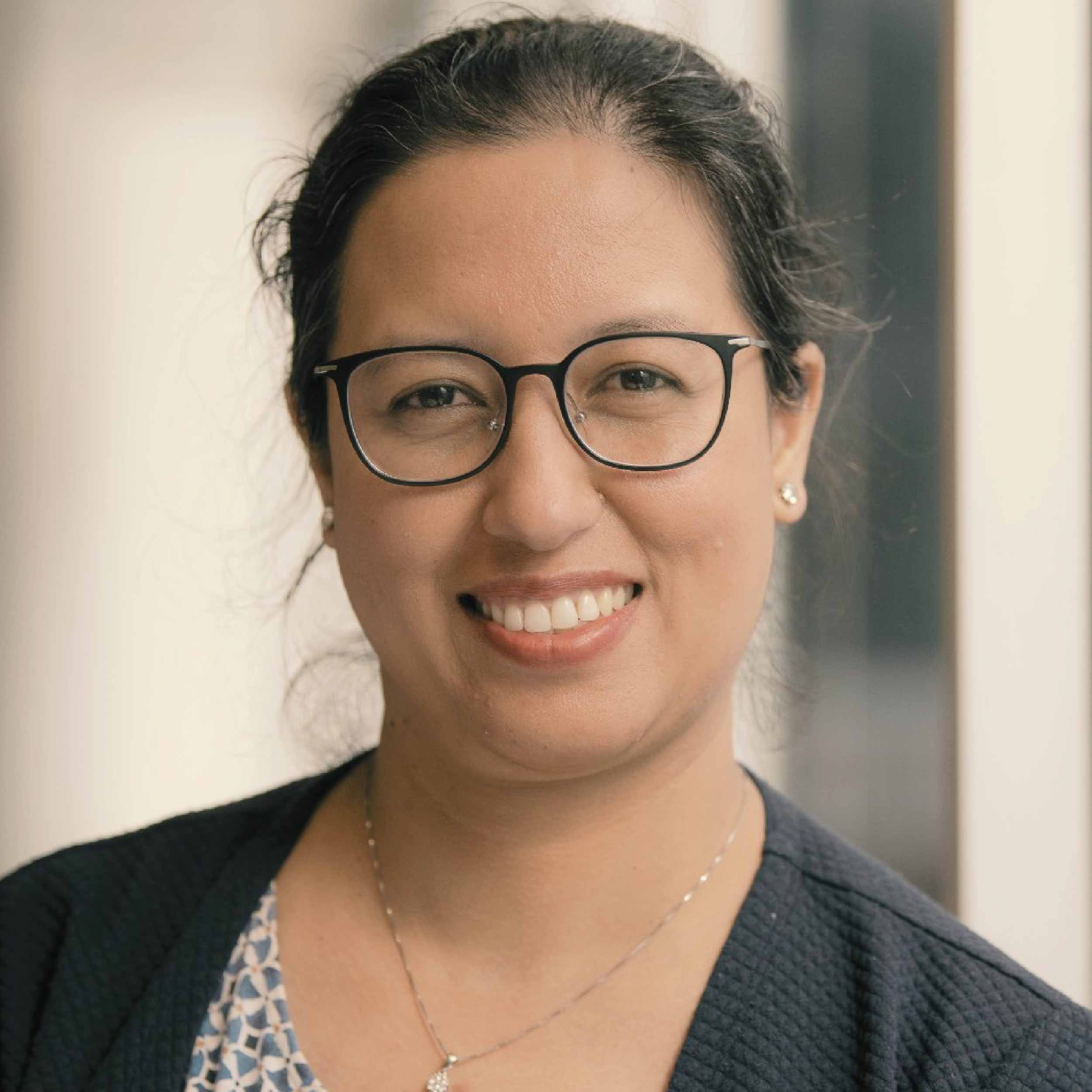
With over 15 years of expertise as a researcher and a development practitioner, Ashika Niraula has expertise in the issues related to migration, development and inclusion. She has an interdisciplinary background, with research interests in global migration flows, decision-making processes related to migration and the experiences of migrant integration and settlement. She focuses on topics, such as drivers of migration, migrant agency, labour market transitions, deskilling, health inequalities, migrant well-being, migrant networks and legal and social disparities in host countries, such as Canada and Denmark.
Ashika is the Project Co-ordinator for the Complex Migration Flows and Multiple Drivers in Comparative Perspective (MEMO) project, a multidisciplinary research project that examines internal, regional, and global migration patterns across South Asia, the Americas, West Africa, and North America. The MEMO project is funded by the Partnership Grant, SSHRC [funding amount $2.5 million]. Furthermore, Ashika is a Research Affiliate in the Migrant Integration in the Mid-21st Century: Bridging Divides project funded by the Government of Canada through the Canada First Research Excellence Fund [funding amount $98.6 million]. She is also a collaborator for the Decentering Migration Knowledge (DemiKnow) Project, funded by a partnership development grant, SSHRC.
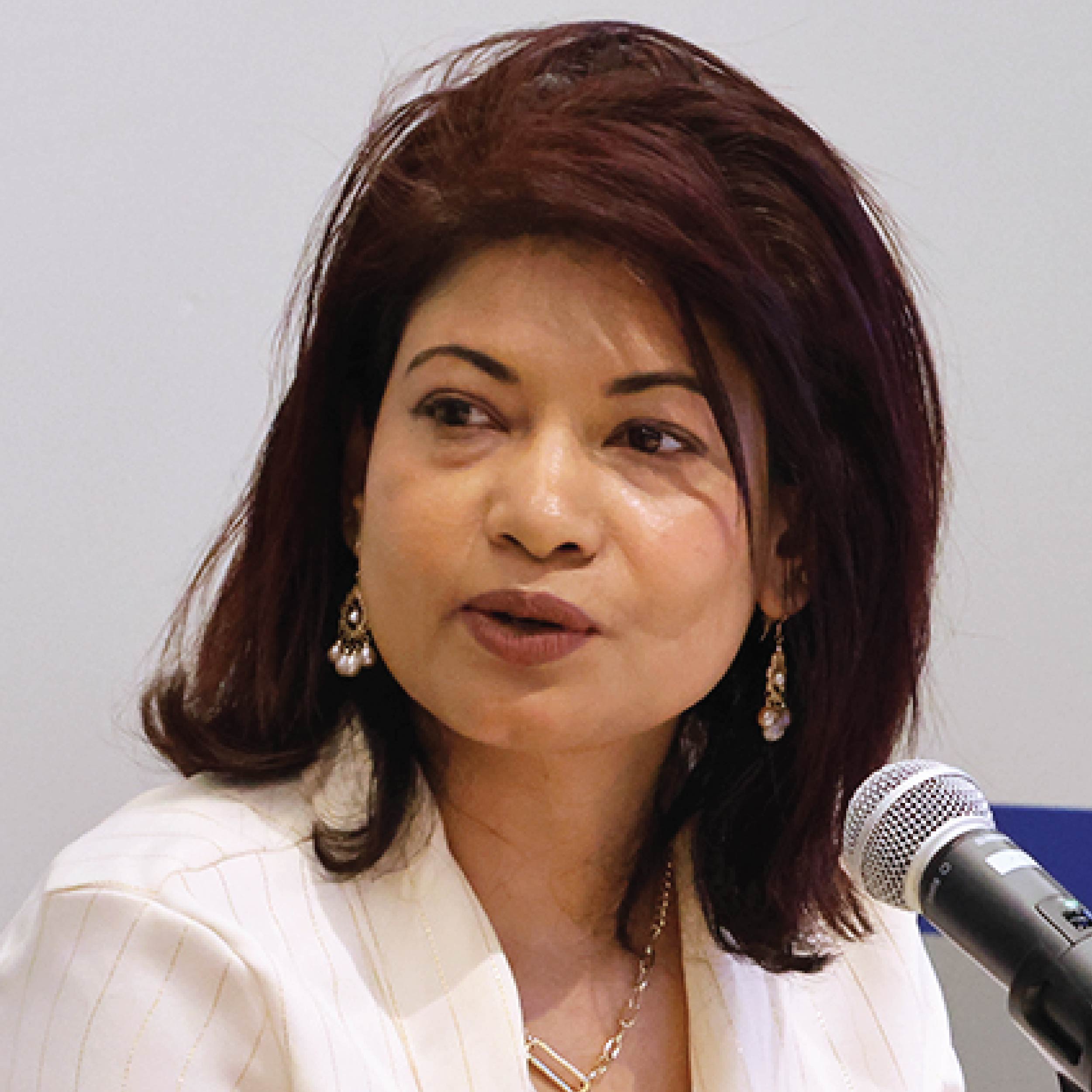
Marshia Akbar is the Director of the BMO Newcomer Workforce Integration Lab and Research Lead on Labour Migration at the Global Migration Institute at Toronto Metropolitan University. Her interdisciplinary research bridges policy, practice, and lived experience to examine international migration, employment integration, and social equity. She investigates the labour market challenges faced by immigrants and migrants with temporary status—including international students, post-graduates, and high-skilled temporary workers—and explores problem-solving approaches using a collaborative, multi-sectoral model that highlights the roles of employers, regulators, and community actors in shaping equitable pathways. With expertise in both statistical analysis and qualitative methodologies, her work combines analytical rigor with contextual sensitivity, emphasizing gender, class, race, and intersectionality. She has received several research grants, including the SSHRC Insight Development Grant (2022), SSHRC Insight Grant (2023), funding from the Intergovernmental Committee for Economic and Labour Force Development in Toronto (2022), and grants from World Education Services (2024, 2025).
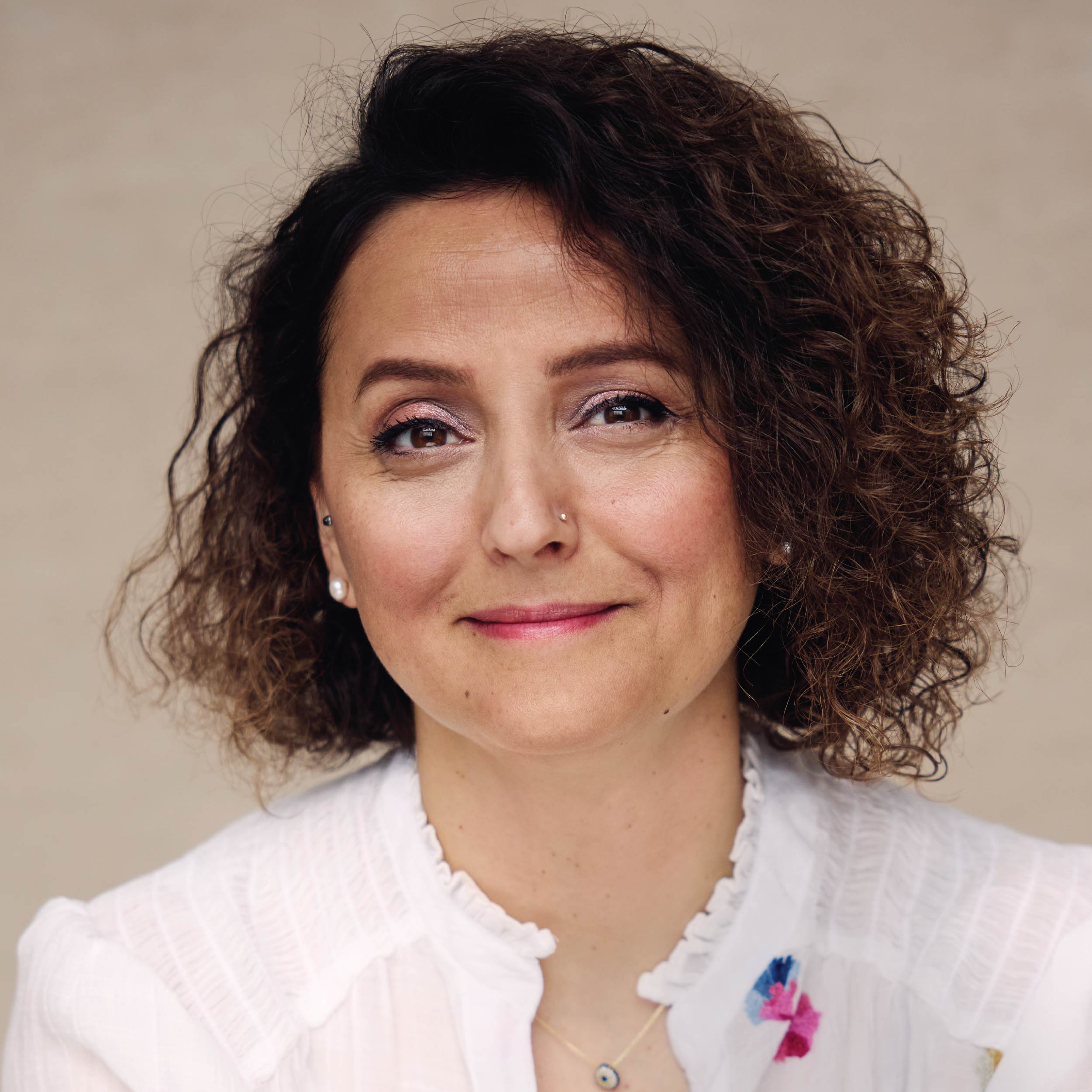
Tuba Bircan is a research professor of sociology at the Vrije Universiteit Brussel (VUB), where she directs the Brussels Institute for Social and Population Studies (BRISPO) and leads the AIMS Lab on AI, Migration and Society. An interdisciplinary computational social scientist, her research spans migration, social inequalities, and public policy, with a strong focus on integrating Big Data and AI into the study of socio-political challenges. She led the H2020 HumMingBird project on innovative migration measurement and currently co-leads the CLIMB project on climate-induced mobility, in addition to several national initiatives. A committed advocate of open and societally engaged science, she serves on the editorial boards of Nature Humanities and Social Sciences Communications, PLOS ONE, and Frontiers in Human Dynamics, and on the ethics board of the AI Excellence Centre of the Flemish Employment Agency. Her publications centre on methodological advances in migration research, social data science, and inclusive policy design.
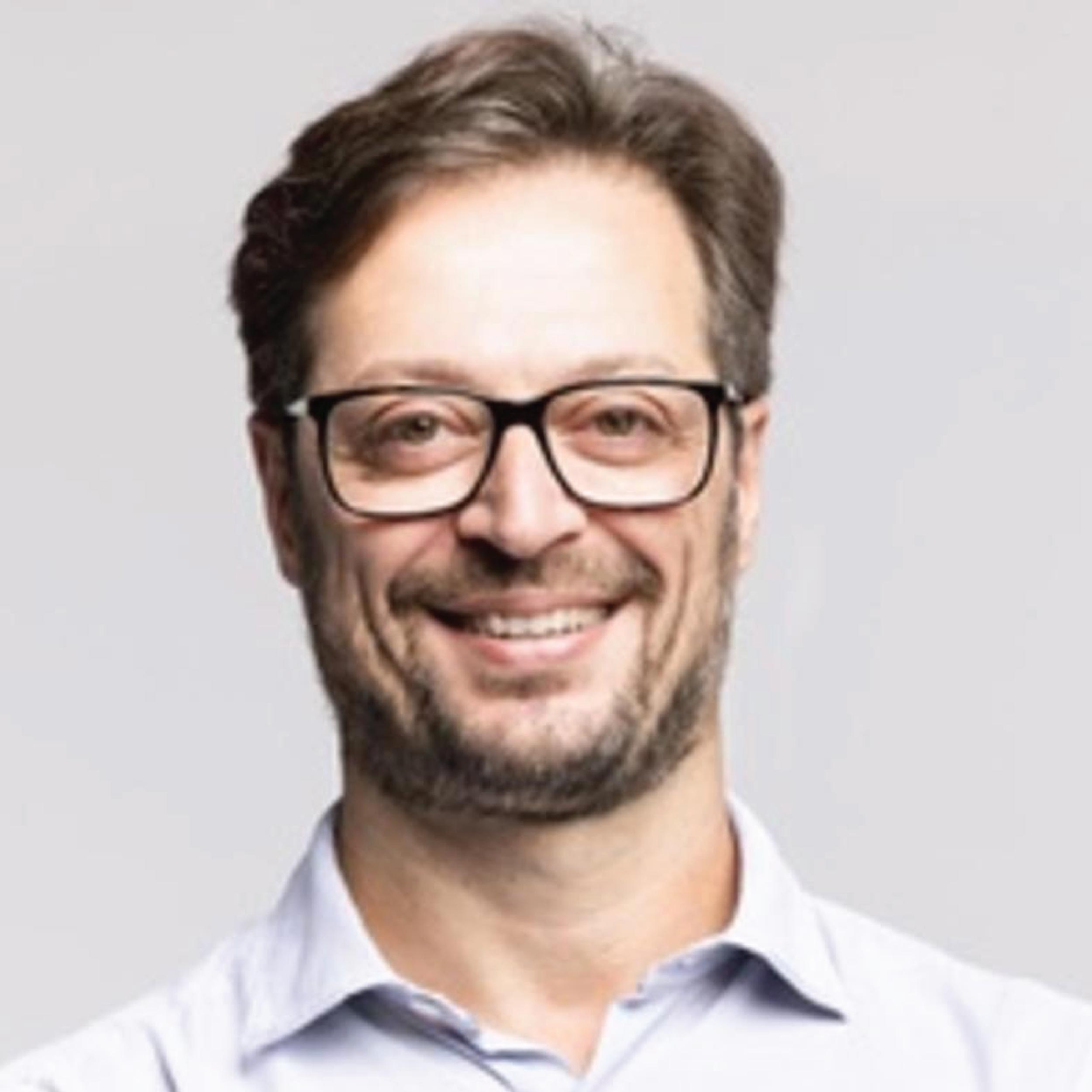
Marcello Carammia is Associate Professor of Political Science at the University of Catania, where he holds the Jean Monnet Chair EuDARe in European Politics and coordinates the Master’s programme in Global Politics and Euro-Mediterranean Relations. He is also an affiliate of the Institute for Quantitative Social Science at Harvard University. His research focuses on the comparative analysis of public policies and institutions, with special interest in agenda-setting processes, and in the interaction among migration dynamics politics, and policy. He is also interested in advanced quantitative methods—including time-series analysis, machine learning, and causal inference.His work has been published in such journals as the International Migration Review, the Journal of Common Market Studies, the Journal of European Public Policy, Nature Scientific Reports, and the Policy Studies Journal, among others.
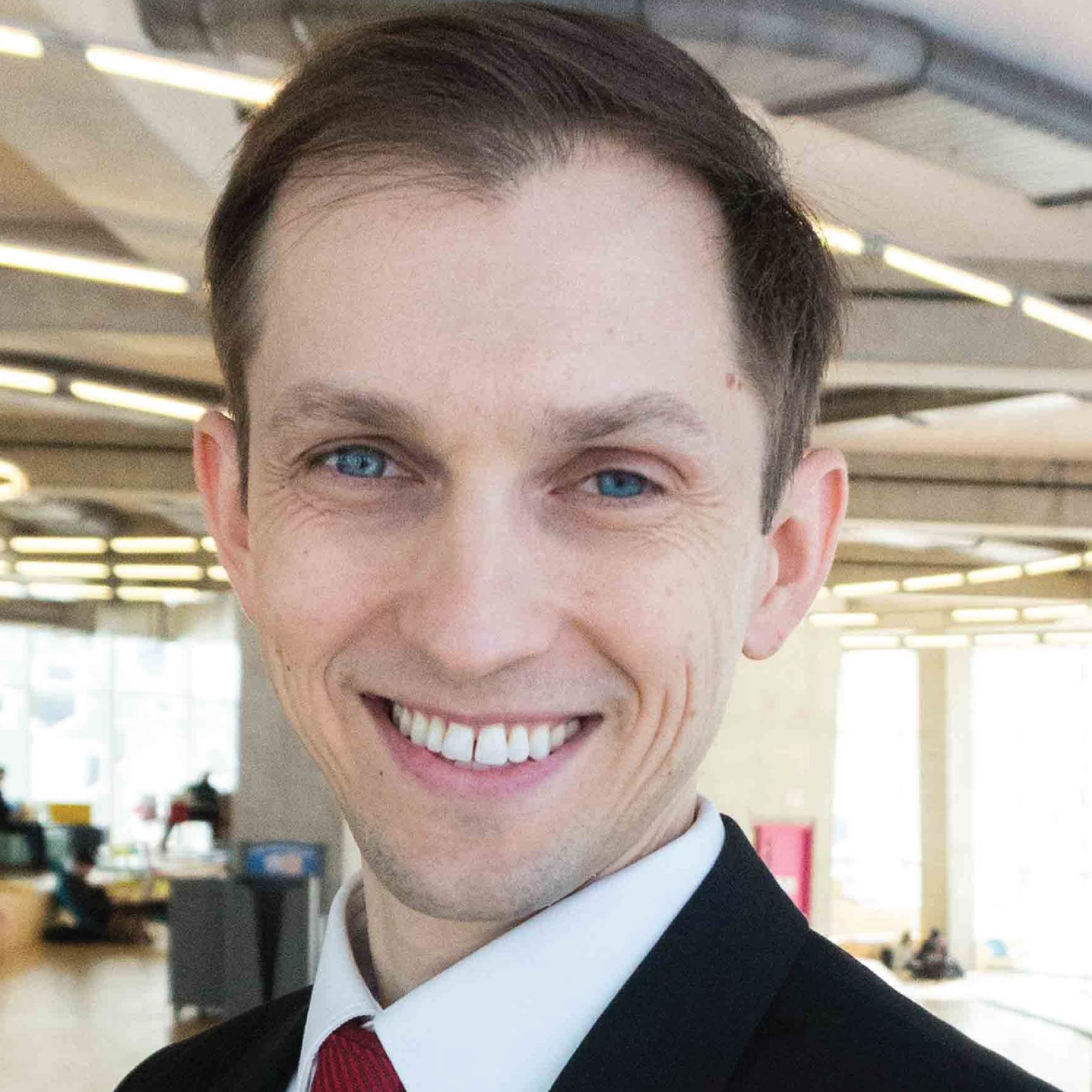
Anatoliy Gruzd interdisciplinary research program aims to advance the public’s understanding of the benefits and pitfalls of social media adoption by investigating how social media platforms are changing the way people and organizations communicate, share (mis)information, and conduct business. Dr. Gruzd specializes in analyzing online communities and social networks, as well as creating novel computational techniques and tools for examining public discourse on social media in various domains. His innovative approach to studying social media has led him to be named a Canada Research Chair (CRC) Tier 2 in 2015 (renewed in 2020), and his induction into the Royal Society of Canada College of New Scholars, Artists and Scientists in 2017. In addition to receiving funding from the CRC Program, his research has been supported by all three Tri-Council agencies in Canada: The Social Sciences and Humanities Research Council, Natural Sciences and Engineering Research Council, and Canadian Institutes of Health Research.
Haodong Qi is an associate professor of demography at Stockholm University and a project researcher at Malmo University, Sweden. He obtained his Ph.D. in Economic Demography from Lund University in 2016. His research lies at the intersection of economics, demography, and statistics, with a broader ambition to advance social science through cutting-edge computational methods while maintaining strong commitments to transparency, interpretability, and policy relevance. Haodong is currently the Principal Investigator of CLIMB - a Belmont Forum project investigating Climate-Induced Migration in Africa and Beyond using Big Data and Predictive Analytics.
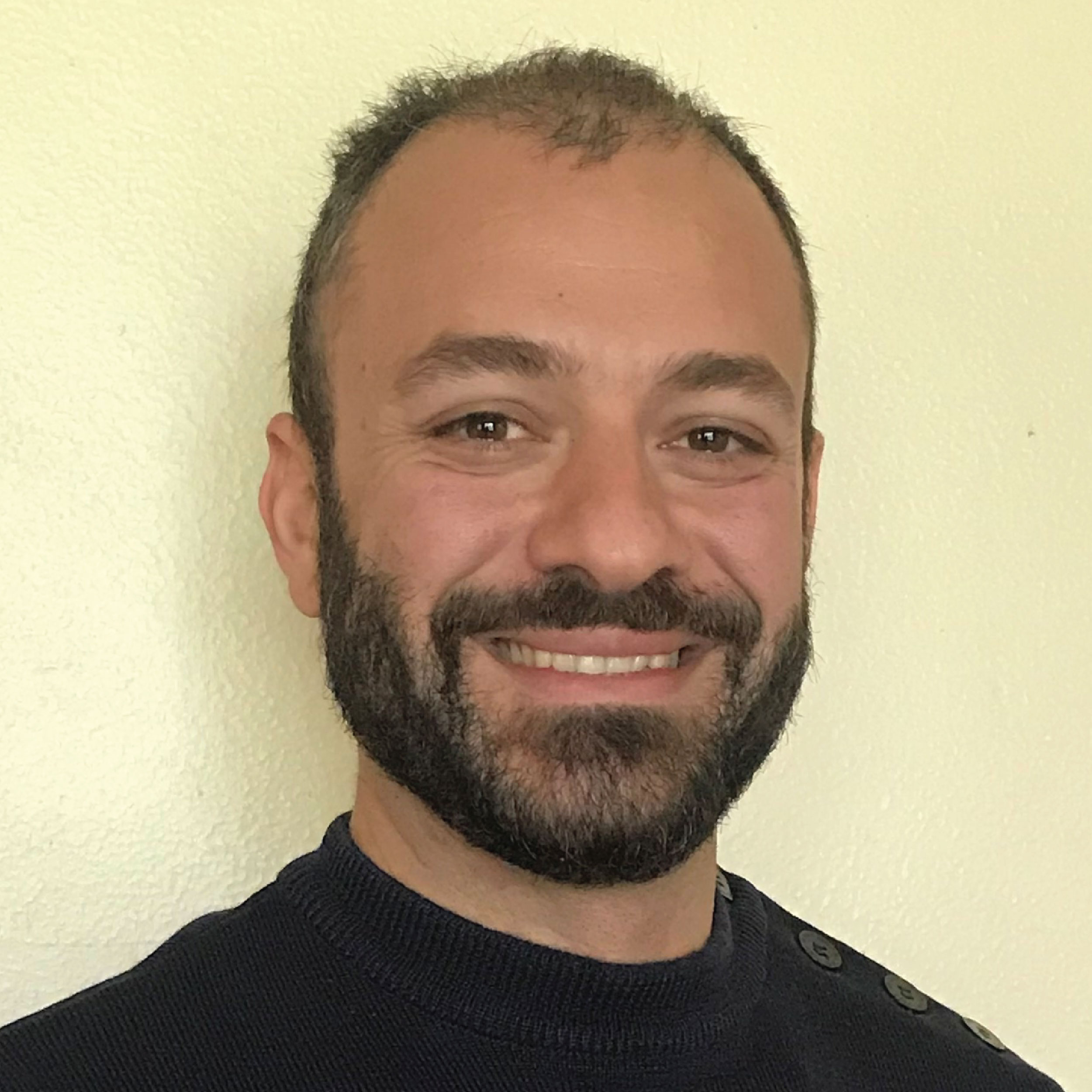
Amin Moghadam is a geographer and migration studies scholar. After serving as Research Lead on Cities and Migration at the Canada Excellence Research Chair in Migration & Integration (CERC Migration) at Toronto Metropolitan University, he joins the University of Poitiers in February 2026 as the holder of the Junior Professor Chair on Migrations and Inequalities at the Migrinter research center. His work examines how urban space production, housing and homeownership politics, and migrants’ transnational practices shape mobility, settlement, and belonging across global cities. He holds a PhD from the University of Lyon II, and his publications and broader scholarship explore migration policies and practices, diaspora dynamics, and regional circulations in the Middle East—particularly in the Persian Gulf—and, more recently, in Canada and Turkey. He previously served (2016–2020) as an Associate Research Scholar at Princeton University’s Center for Iran and Persian Gulf Studies and has taught at Sciences Po Paris, Aix-Marseille University, and Inalco. He has also consulted for institutions such as the Louvre Abu Dhabi and UNHCR.
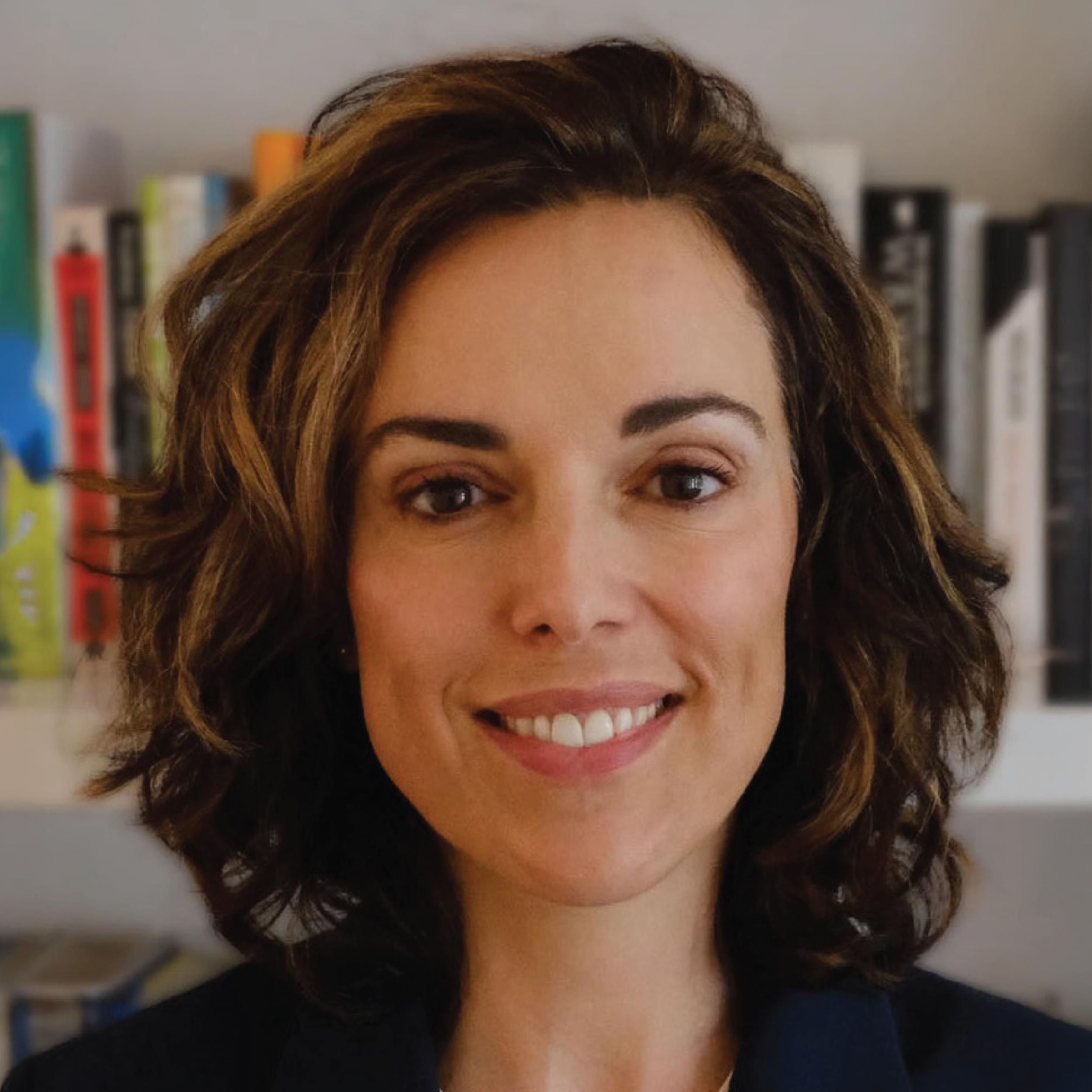
Natalie Álvarez is Professor of Theatre and Performance Studies and Dean of The Creative School at Toronto Metropolitan University. Her research on immersive simulations, Latina/o/x performance, and performance activism in the Americas has appeared widely in international journals and edited collections. She is the author, editor, or co-editor of five books, including Theatre & War (2023); Sustainable Tools for Precarious Times (2019), winner of ATHE’s Excellence in Editing Award; Immersions in Cultural Difference (2018), winner of CATR’s Ann Saddlemyer Book Award; and two books on Latina/o/x-Canadian performance, both winners of the Patrick O’Neil book award. Álvarez also co-edits the Theatre & book series for Bloomsbury. She is Principal Investigator of the seven-year SSHRC Partnership Grant The Arts Impact Partnership and co-investigator of Hemispheric Encounters, also funded by a SSHRC Partnership Grant. Previously, she led a multidisciplinary SSHRC Insight project that developed Ontario’s now-mandatory Mental Health and Crisis Response (MHCR) training program, establishing a provincial standard in de-escalation and mental health crisis response.
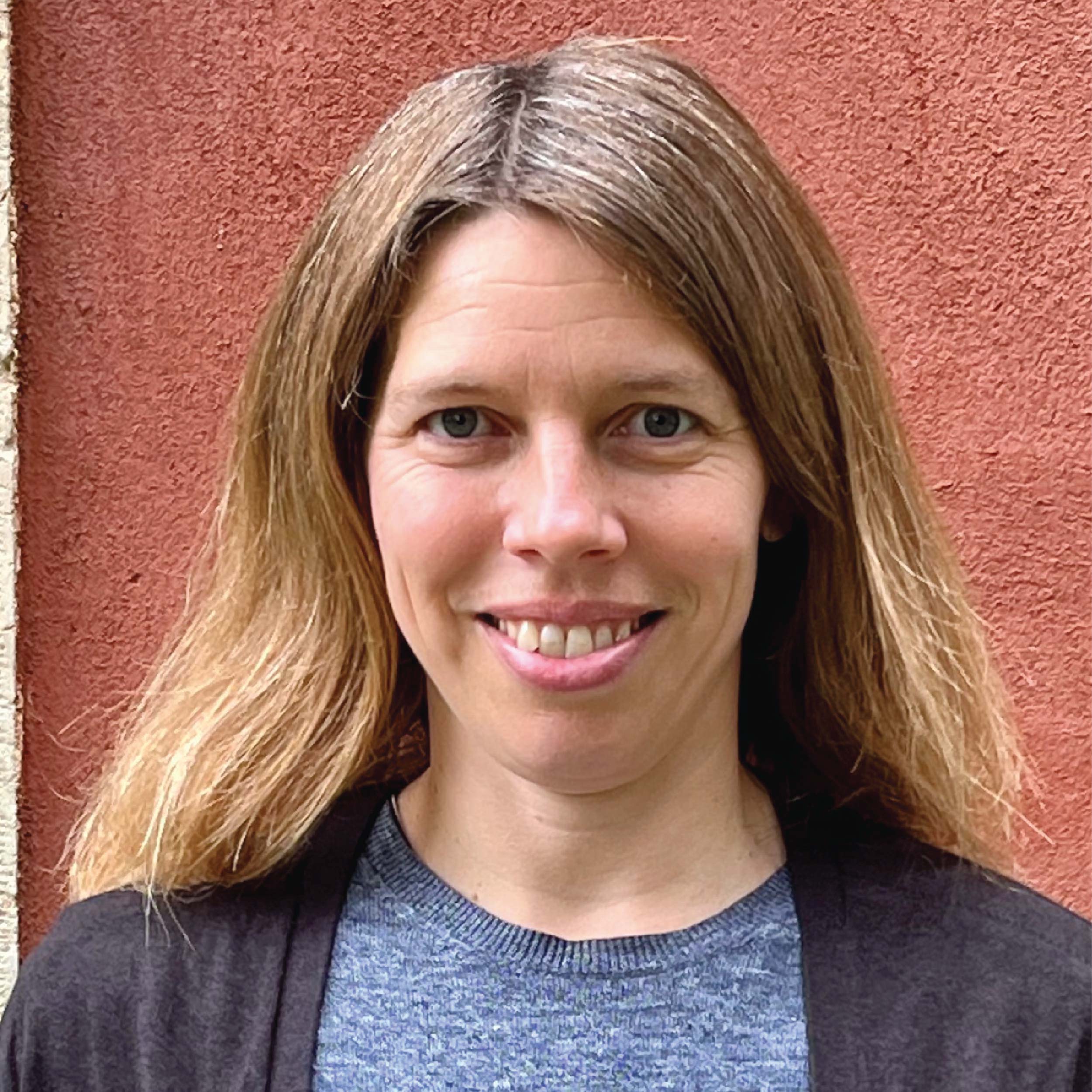
Bernadette Klausberger is a media producer, science communicator and festival manager. She has produced a wide range of innovative audio-visual projects, including the award-winning German-Lebanese co-production Manivelle – Last Days of the Man of Tomorrow. Bernadette's work focuses particularly on projects at the intersection of art, education and societal change. Over the past ten years, she has co-created and produced online courses, open educational resources and event series, including The Future of Storytelling, which is considered one of the most successful MOOCs ever. Together with international migration scholars, she has developed an extensive series of educational videos for the NGO Migration Matters on topics such as nationalism, populism, multiculturalism and belonging. The latest project together with CERC, Future Imaginaries of Migration, brings together scholars of migration and future studies with visual artists to create and exchange forward-thinking ideas on the future of human mobility and migration.
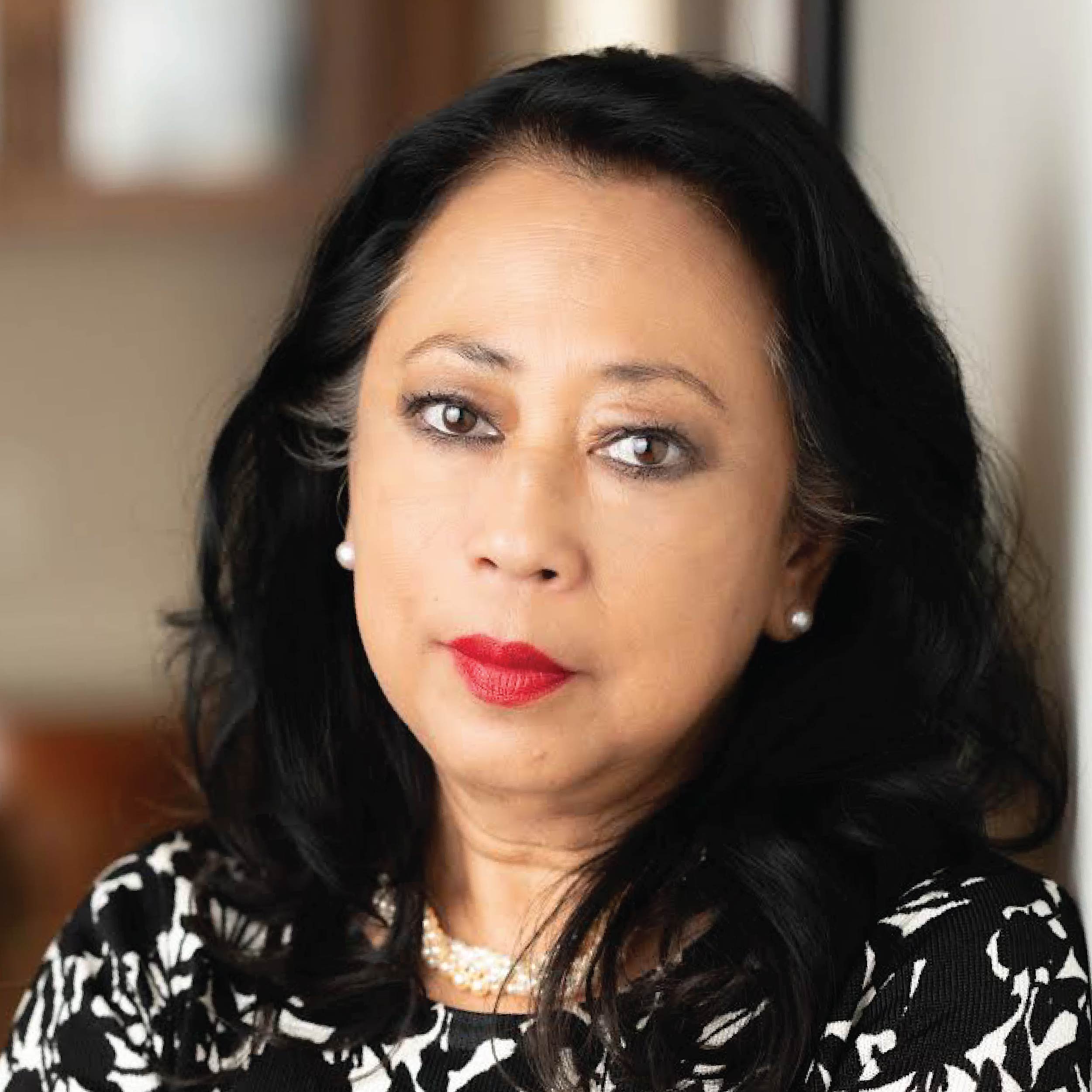
Khatharya Um is an Associate Professor in the Department of Ethnic Studies at University of California, Berkley. Her teaching and research interests center around refugees and other forcibly displaced communities and their incorporation experiences. Khatharya's specialization is Southeast Asian studies and Southeast Asian diaspora studies, genocide studies and post-conflict trauma, reconciliation, memory works, and national healing. Her teaching and research is also community-based and policy-oriented, with a special focus on equity and inclusion of linguistic and cultural minorities.
Panelist details forthcoming.
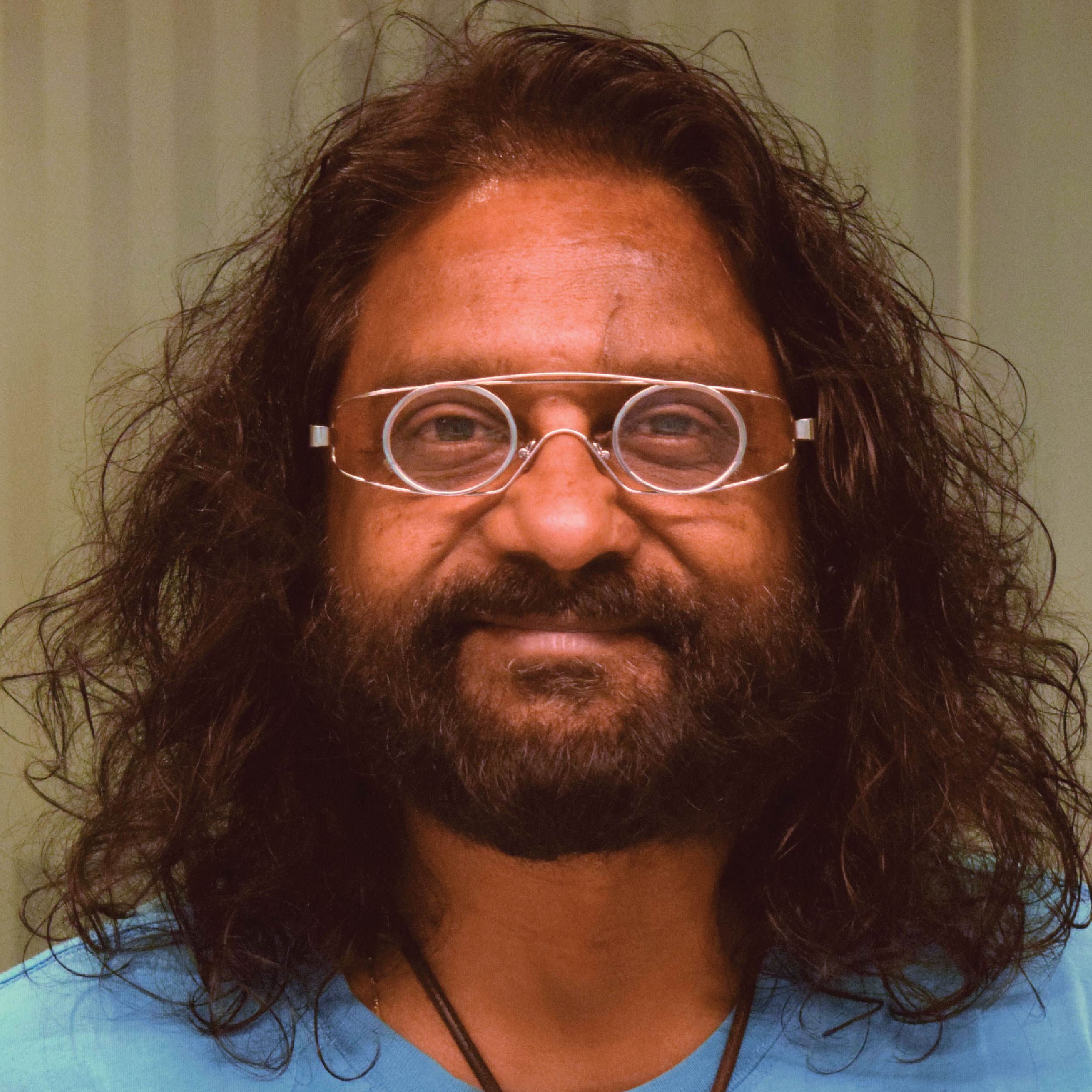
Cyrus Sundar Singh is an AcademiCreActivist: a Gemini Award-winning filmmaker, scholar, songwriter, composer, poet, and change-maker, who continues to expand and find cracks in conventional boundaries through his research, films and music. His research and productions have taken him around the world including India, Israel, Spain, Haiti, Jamaica, and Sri Lanka. His documentary/storytelling career began with his award-winning debut Film Club (2001), which was followed by a site-specific, hybrid, live-documentary world premiere of Brothers In The Kitchen (2016) and his MFA thesis project Africville in Black and White (2017/18). Cyrus's ongoing practice-based scholarship examines two distinct communities of refugees that reflect Canada’s duality of sanctuary and betrayal, and which have become symbolic bookends of identity, displacement and belonging: Tamil Sri Lankans who fled a brutal civil war and found refuge in Canada; and former residents of Africville who were forcefully evicted and became refugees in their own country of citizenship. Cyrus has written, produced and directed work in a range of genres including documentary, reality, food, and lifestyle for various international broadcasters including BellMedia, CBC, VisionTV, Smithsonian Channel, Discovery Channel, and MuchMusic. Recognition for his work includes a Genie Award for Moving Day, a Gemini-Award nomination for Twisted Sheets (external link) and Film Club (external link) , and 1st Prize, International Jewish Video Competition for Salaam Shalom: The Jews of India.